By Jerrica Lake, Intern & UAB Community Health & Human Services Student
Looking for a safe place to get a dose of sunshine this summer? Try Railroad Park, located in the heart of Birmingham and situated along 1st Avenue South between 14th and 18th Streets. The park is open 7 a.m.-11 p.m. daily with around-the-clock rangers on patrol and 24-hour security system surveillance. Free parking is available along the outer perimeters of the park along 1st Avenue South.
Get Active in the Park!
Featuring 19 acres of green space, including 9 acres of open lawn, Railroad Park is the ideal place to have a picnic, go for a jog, or play frisbee with peers or pets. There are onsite restrooms, water fountains, and a café with a delicious menu, so feel free to make a day of it!
Railroad Park is abundant with greenery and water features, with ponds, streams, an eye-catching lake, and a stunning rain curtain feature. More than 600 trees have been planted for shade and the abundance of flowers make the park a luxurious landscape for the senses.
There is large outdoor gym area inspired by Muscle Beach in California. For kids, the park offers two playgrounds and a climbing dome. For skaters, there is a designated skate zone with three skate bowls available. For an adult looking to get active, it offers a variety of walking trails including
The Magic City Loop (3/4 mile)
Rail Trail (1/3 mile)
Powell Avenue Promenade (1/3 mile)
Limestone Trace (1/2 mile)
With sweeping lawns, picturesque streams and the beautiful Birmingham skyline framing it all, Railroad Park a prime spot for relaxing and connecting with nature within our urban jungle.
Use this image to share the message on social media!
By Shayna Bryan (UAB Community Health & Human Services Intern) with contributions from Dr. Larrell L. Wilkinson
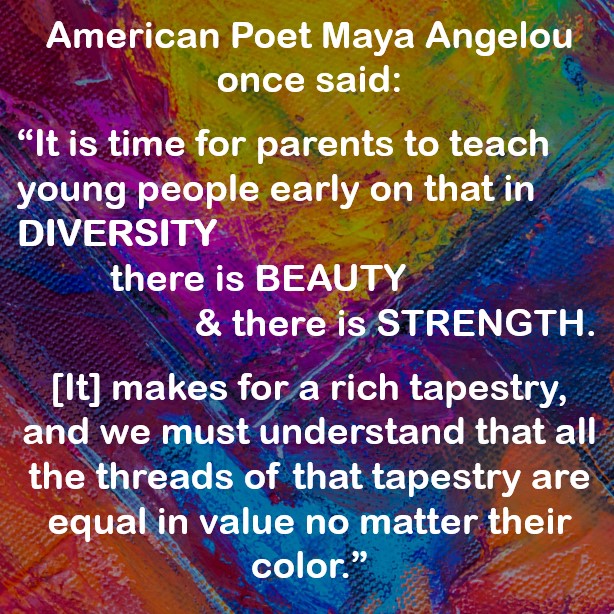
On Thursday, June 17th (2021), the Juneteenth National Independence Day Act was signed into law, making this year’s observation of Juneteenth, the first observation of the new federal holiday. On Friday, the 18th, Dr. Larrell Wilkinson had the opportunity to speak to a diverse group of college sophomores and juniors about aging research within the fields of community health and human services. During his talk, Dr. Wilkinson spoke about the day’s federal observance of “Juneteenth” which is traditionally celebrated on June 19th in celebration of the day in 1865 when enslaved African-Americans were informed of their freedom and that the Civil War had ended. Dr. Wilkinson shared with the young diverse scholars his hope for the Juneteenth commemoration to help foster “understanding given diverse racial experiences among Americans, which could support racial healing and reconciliation among Americans, and lead to greater solidarity within our country.” He ended by saying that “we have to do the work…Americans can overcome challenges when working together and tackling the issues.”
Juneteenth is about celebrating the end of chattel slavery in the US as well as African American history, culture, and progress. But make no mistake, this is an American celebration for everyone because it marks a turning point in our nation’s history that is painful to remember but essential to understand for our future. Slavery was a terrible human and economic institution that has bathed our country’s history in blood and conflict. In our present day and into the future we have opportunities to reduce the instances of racial violence and prejudice and heal the hurts from our many past circumstances of injustice. Keeping systems of segregation, discrimination, and oppression due to the social construct of race in order to preserve power, resources, or wealth for a select racial category is un-American and will not lead to the forming of a “more perfect union.”
We should never forget the terrible atrocities conducted under the system of slavery or the harms performed during the eras of Reconstruction and Jim Crow. But we should also remember to celebrate the recovery and progress made towards racial harmony and cultural proficiency by all racial groups and work to secure the “blessings of liberty to ourselves and our posterity.” What are your thoughts? From your point of view, what is the best way(s) to improve cultural and racial harmony in the United States of America? Please feel free to leave comments below or engage with us @WilkinsonWellnessLab on Facebook.
By Shayna Bryan, Intern & UAB Community Health & Human Services Student
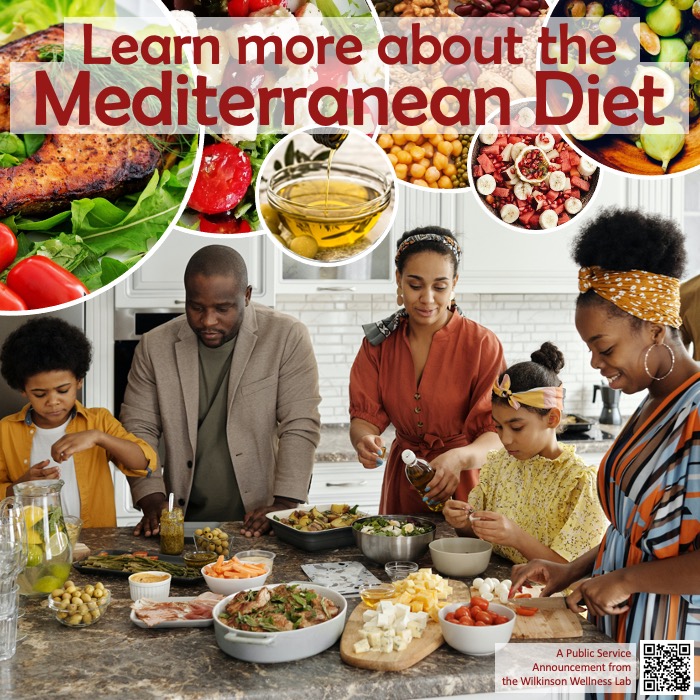
If you’ve ever spent time looking for healthy diets to follow, but wanted to avoid a highly restrictive diet (like vegan) or a commercial diet plan (like Weight Watchers), you probably have come across the Mediterranean Diet. It has been the subject of research for over 50 years and has been ranked the best overall diet by the U.S. News and World Report for four years running. The American Heart Association, the American Diabetes Association, the U.S. Department of Health and Human Services, the U.S. Department of Agriculture, and the World Health Organization have all endorsed the Mediterranean diet as a healthy and sustainable eating style that reduces risk for heart disease and Type 2 Diabetes. The Mediterranean Diet also may assist with weight loss in obese people and is associated with lower rates of depression, cognitive decline, cancer, and all-cause mortality.
This diet has a lot of major endorsements! So then, what’s up with this diet and why is it so special?
The Mediterranean Sea is a meeting point of three continents: Africa, Asia, and Europe. When health experts and researchers recommend the “Mediterranean Diet” they’re not talking about the food of just one people or one culture, but the common shared characteristics of the simple everyday meals made for centuries in this region of the world. Meals are built around plant-based foods, heavily seasoned with herbs and spice (though not tons of salt). These meals are made, shared, and enjoyed amongst a community of families and friends.
Here’s are the common characteristics of the Mediterranean Diet:
High consumption of vegetables, often raw or slightly cooked
Beans, nuts, legumes, seeds, potatoes, and unprocessed or whole grains
Olive oil as the principal source of fat
Fruit treated as a dessert
Moderate consumptions of fish, poultry, and dairy (mostly in the form of yogurt and cheese)
Low consumption of red meat
Moderate alcohol consumption, often in the form of red wine
Please check out the source below to learn more about the Mediterranean Diet. Please also share your thoughts about the Mediterranean Diet in the comments section of this post or via our page on Facebook @WilkinsonWellnessLab.
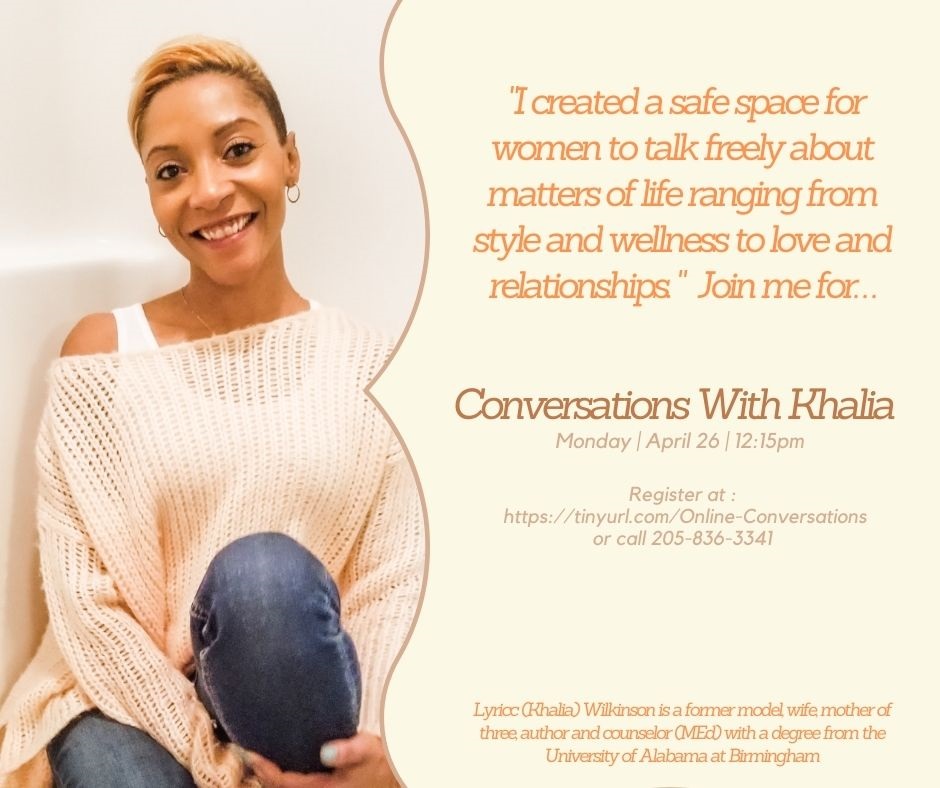
FLYER FROM EAST LAKE LIBRARY OF THE BIRMINGHAM PUBLIC LIBRARY SYSTEM
“What is missing is fun. We need to unplug and do something fun! It may sound cheesy, but having fun is self-care.” – Khalia Wilkinson
Are you ready to live well, be healthy, and walk into abundant life? Conversations with Khalia is a platform designed for women to speak freely about matters of life. Conversations with Khalia is a virtual talk on women’s wellness hosted through the East Lake Branch of the Birmingham Library every fourth Monday of the month. Mrs. Khalia Wilkinson is a coach and minister working with women looking to ditch feeling stressed, overwhelmed, drained, and desiring to be accomplished, healthy, and thriving. On April 26, 2021, she will host an online conversation at 12:15PM CST. You can register here (https://tinyurl.com/Online-Conversations) or call (205) 836-3341 to attend.
Khalia Wilkinson is a counselor and wellness coach with 15 years of experience mentoring and training women. She has written The Women’s COVID-19 Survival Guide to uplift women experiencing wellness withdrawals due to the sudden shifts in their schedules caused by the COVID-19 pandemic. The guide discusses in-depth how to navigate the required activities of daily living in this new unforeseen space while managing isolation, mental wellness, schedules, and self-care. She also hosts the Woman31 Podcast, a podcast rooted in biblical principles found in Proverbs, Chapter 31 with an accompanying website: Woman31.
Khalia believes that a woman’s health and well-being is foundational to ensuring all other scheduled family activities are successfully completed. The Women’s COVID-19 Survival Guide embraces concepts of self-care in support of one’s overall health and wellness. The guide offers easy-to-perform tasks that can help individuals better manage their well-being.
Self-care is typically visualized as a spa day. However, Khalia suggests that adequate sleep, eating a healthy and satisfying meal, praying, laughing at a good movie, and/or speaking with a trusted and supportive friend are all excellent modes of self-care. Understanding where you are and what health areas you need to focus on is pivotal to living well.
Khalia says that mental health is vital to overall wellness. She suggested that seeking professional counseling is absolutely a “good thing” to do, especially when one is experiencing serious mental illness. She also mentioned that feeling negative emotions is a signal to our body that something is not “okay.” Thus, it is important to listen to our body and seek help. When asked if there was any wellness advice she could offer, she said, “Do something fun and find ways to get back to the activities we love, because it can be healthy for our bodies.” You can always connect with Mrs. Khalia Wilkinson on Instagram, @khalia.woman31.
Managing your stress and anxiety is important for long-term health and wellness. Healthy stress management improves resiliency, especially when times are tough, but it can be tricky to put into practice. There are a lot of pressures in everyday life that demand attention so taking care of your own mental health can feel difficult to prioritize. The very pressure to manage your stress can be stressful itself, but finding healthy ways to cope with stress is good for your mind and body. Reducing your stress also reduces your risk for cardiovascular disease and supports healthy immune system functioning.
If thinking about stress management is at all overwhelming and you just want somewhere to start, there’s a simple solution: Go for a walk.
Walking is easy and you already know how to do it. Other common methods of stress-relief like yoga and meditation take skill and practice, but anyone can go for a walk. It gives you time to yourself away from the usual distractions and is a low-impact aerobic exercise. If you’re new to tackling your stress and feeling overwhelmed at all, walking is effective and can quickly become part of your daily routine. It’s low-stress stress relief for beginners!
Here are a few things to keep in mind as you plan your wellness walk:
Walk outside. Being outside among nature is good for your, mental-wellbeing, particularly if you live in a city.
Walk for at least 20-30 minutes. If you’re not sure how to plan a walking route, just pick a direction and walk for 10-15 minutes, then turn around and walk back.
Take deep calming breaths while you walk. Breathe in for 5 seconds while expanding your whole chest, then exhale slowly.
It is safe to walk outside without a mask, provided you are more than 6 feet from the nearest person. Take a mask with you anyway, for safety.
Use this time to take a break from the news and social media. Focus only on enjoying the moment.
Hunter, M. R., Gillespie, B. W., & Chen, S. Y. (2019). Urban nature experiences reduce stress in the context of daily life based on salivary biomarkers. Frontiers in Psychology,10. doi:10.3389/fpsyg.2019.00722
Every February since 1964, Americans have celebrated American Heart Month! Why? According to the CDC, heart disease is the leading cause of death among American adults and most ethnic/racial groups. Heart disease the body’s circulatory system, i.e. your veins and arteries. There are several forms of heart disease, but some of the most common include heart attack and coronary artery disease. According to the American Heart Association , a heart attack occurs when blood flow to the heart is interrupted, thus the oxygen supply to the heart muscle is reduced or completely cut off. This is important because the CDC estimates that 805,000 heart attacks occur annually in the United States.
Among Americans, non-Hispanic Black (African Americans) are at great risk for heart disease. The American Heart Association reports that about half of African-American women over the age of 20 have some form of heart disease, yet only about 1 out of 3 know their heart health risk. Around 50,000 African-American women die from cardiovascular disease annually. But we can prevent the deaths and reduce the number of our families impacted by heart disease. Here is what we can do:
Step 1: Learn your risk for heart disease.
Visit your doctor and ask for diagnostic tests for coronary heart disease. If you don’t have a personal physician or access to health care, contact Jefferson County Department of Health or your local county health department for assistance.
In general, any individual who has been diagnosed with any of these conditions is at risk for heart disease:
• Overweight or obesity • High blood pressure • Diabetes • Physical inactivity • Family history (first degree relative, such as a parent or sibling, who has had a heart attack or stroke before age 50)
Step 2: Work to reduce your risk of heart disease.
Eat healthy Add more fruits and vegetables to your diet. Five servings a day is the recommended minimum, so aim even higher by making vegetables half of your meal. Lower your sodium intake by eating more home cooked meals, instead of fast food. Drink water, not soda or juice which is high in added sugars.
Be active Aim for 150 minutes of physical activity every week. That’s only around 20 minutes a day. You can make walking part of your routine. Try going for a walk and talking to a friend on the phone. Any activity that elevates your heart rate will improve your health and help lower your risk.
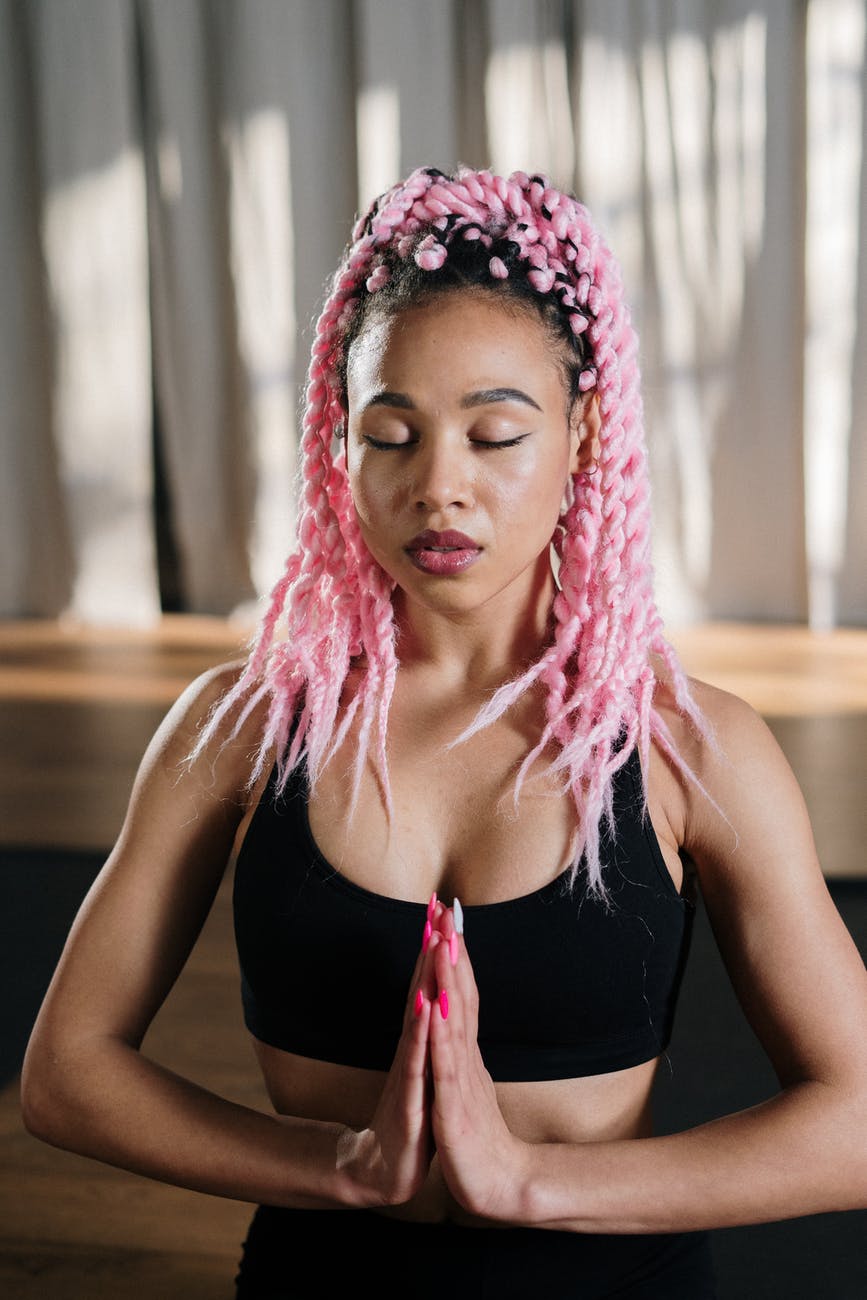
Manage stress Stress management is important for heart health. Eating healthy and staying active can help keep your stress levels down. Learn what triggers your stress and address it by slowing down and engaging in meditation or breathing exercises.
Step 3: Always look for the signs of a heart attack
According to the American Heart Association, women are somewhat less likely than men to experience chest pain. Instead, they are more likely to experience:
Dizziness
Fatigue
Nausea
Pressure or tightness in the chest
Stomach pain
To learn more about heart disease in women, please click on the links above. Additional resources include the following links:
Title: The Intersections of Inequity in Aging Brief Description: As the urgent issue of racial injustice took center stage, “Generations Today” highlighting for the aging advocacy community how aging, identity, and racial equity intersect. Women, in particular women of color, face significant barriers to economic security as they age. Older women represent nearly two-thirds of the more than 7 million people older than age 65 living in poverty today. What can be done to fix the systems that created the inequities. We could raise up and explicitly value women, and the work that women do, at all ages. If we make the right choices now, we are not only heling the older adult women today, but also bring the generations of women. Link to resource: https://generations.asaging.org/intersections-inequity-aging
Title: 8 Things to Know Before Your Second COVID-19 Vaccines Brief Description: Understand the do’s and don’ts of the two-dose coronavirus vaccination regimen. Your side effects will likely be stronger. You should avoid taking pain relievers before your shot. The timing between doses does not need to be exact. Your second dose should be from the same manufacturer as your first. A rash at the injection site is not a reason to skip your second dose. You should temporarily avoid all other vaccines. Full immunity is not immediate. You still need to wear a mask. Link to resource: https://www.aarp.org/health/conditions-treatments/info-2021/what-to-know-before-second-vaccine-dose.html
Title: Chef’s persistent symptoms at last lead to hypertrophic cardiomyopathy diagnosis Brief Description: Our story character Shawn Lewis was sick for four painful, frustrating years and received diagnose of heart failure and hypertrophic cardiomyopathy in the ER. She has an advice for others with HCM that “take it seriously and try to control it to the best of your ability. Hypertrophic cardiomyopathy (HCM) is a heart muscle, or myocardial, a disorder that cannot be explained by another cardiac or systemic disease. In some cases, people with HCM at greater risk of developing abnormal heart rhythms or other cardiac problems. HCM can cause fatigue, fainting, shortness of breath, chest pain, or heart palpitations. Link to resource: https://www.heart.org/en/around-the-aha/chefs-persistent-symptoms-at-last-lead-to-hypertrophic-cardiomyopathy-diagnosis
Title: 10 Early Signs and Symptoms of Alzheimer’s Brief Description: Signs and Symptoms of Alzheimer’s or other dementia: Memory loss that disrupts daily life. Challenges in planning or solving problems. Difficulty completing familiar tasks. Confusion with time or place. Trouble understanding visual images and spatial relationships. New problems with words in speaking or writing. Misplacing things and losing the ability to retrace steps. Decreased or poor judgment. Withdrawal from work or social activities. Changes in mood and personality. A recommendation is to get checked and early detection matters. Link to resource: https://www.alz.org/alzheimers-dementia/10_signs





 Wilkinson Wellness Laboratory