Sports Safety & Injury Prevention: Stretching, Hydration, and Concussion Awareness for Student Athletes

Sports play a huge role in the lives of children and teens. Beyond the physical benefits of staying active, athletics teach teamwork, discipline, and confidence. But while sports are rewarding, they also come with risks. Each year in the United States, more than 3.5 million children under age 14 receive medical treatment for sports-related injuries (Centers for Disease Control and Prevention [CDC], 2022). Common injuries include sprains, strains, fractures, and concussions. Overuse injuries from repetitive training are also on the rise, particularly in young athletes who specialize in one sport too early (National Athletic Trainers’ Association [NATA], 2021).

The good news is that many of these injuries are preventable. By focusing on proper preparation—through stretching, hydration, and awareness of concussion symptoms—parents, coaches, and athletes can create a safer sports environment and help young players perform at their best.

Stretching: Preparing the Body to Perform

Warming up before activity and cooling down afterward can reduce the risk of sprains, strains, and muscle injuries. Dynamic stretches like high knees, jumping jacks, or arm circles prepare muscles for movement, while static stretches after practice help improve flexibility and recovery (National Athletic Trainers’ Association [NATA], 2021).

Tip: Student athletes should dedicate at least 10 minutes to warm-up and cool-down routines at every practice and game.

Hydration: Fueling Energy and Recovery

Dehydration affects performance and increases the risk of heat illness, especially during hot or intense practices. Even mild dehydration can impact focus, coordination, and endurance. Athletes should drink water before, during, and after physical activity. Sports drinks may be helpful during long or high-intensity workouts, but water is the best choice for most young athletes (CDC, 2023a).

Quick Check: Light-colored urine typically means proper hydration, while darker urine suggests the need for more fluids.

Concussion Awareness: Protecting the Brain

Concussions are one of the most serious sports-related injuries. They can occur in football, soccer, basketball, cheerleading, and many other activities. Warning signs include headache, dizziness, nausea, confusion, or sensitivity to light and noise.

If a concussion is suspected, the athlete should be removed from play immediately and evaluated by a healthcare professional. Returning too soon raises the risk of prolonged symptoms or additional injury (CDC, 2023b).

Golden Rule: When in doubt, sit them out.

Encouraging Safe Play

  • Parents, coaches, and athletes all share responsibility for safety. A few practical steps can help reduce risks:
  • Ensure athletes use the right protective gear for their sport.
  • Encourage open communication—athletes should feel comfortable reporting pain or symptoms.
  • Promote rest days to avoid overuse injuries.
  • Provide education on concussion awareness and safe hydration practices.

The Bottom Line

Sports are one of the best ways for young people to stay healthy, but safety must come first. By focusing on proper stretching, hydration, and concussion awareness, families and coaches can help student athletes stay safe, recover faster, and enjoy the game for years to come.

References

Centers for Disease Control and Prevention. (2022). Sports injury prevention: Keeping children safe on the field. https://www.cdc.gov/safechild/sports_injuries/index.html

Centers for Disease Control and Prevention. (2023a). Water and hydration. https://www.cdc.gov/healthywater/drinking/nutrition/index.html

Centers for Disease Control and Prevention. (2023b). Heads up: Concussion in youth sports. https://www.cdc.gov/headsup/youthsports/index.html

National Athletic Trainers’ Association. (2021). Prevention strategies for sports injuries. https://www.nata.org


Stay Strong This Cold & Flu Season: Simple Ways to Boost Your Family’s Immunity

Cold and flu season is here, and in places like Birmingham that means busy classrooms, packed workplaces, and plenty of chances for germs to spread. Every year in the U.S., millions of people come down with the flu, hundreds of thousands end up in the hospital, and sadly, thousands lose their lives to flu-related complications (CDC, 2023b). Kids, older adults, and those with chronic health conditions are at the greatest risk but even healthy families can find themselves knocked out by lingering colds or the flu. The good news? You don’t need pricey supplements or complicated routines to help protect your family. Simple, consistent daily habits can strengthen the immune system and give everyone a better chance at staying healthy all season long.

Fuel Your Body with the Right Foods

Your immune system runs best when it’s well-nourished. Think of food as fuel:

  • Vitamin C from citrus fruits, berries, and bell peppers helps your body fight infections.
  • Vitamin D—especially important in the winter—comes from fortified foods or supplements if you don’t get much sun.
  • Protein and zinc (in foods like lean meats, beans, and seeds) support your body in making strong immune cells.
  • Even adding one extra serving of fruits or veggies to each meal can boost immunity over time (Centers for Disease Control and Prevention [CDC], 2023a).

Move Your Body, Fight the Bugs

Exercise doesn’t just make you stronger—it also keeps your immune system alert. Walking the dog, playing outside with the kids, or dancing around the living room all count. The CDC suggests kids get 60 minutes a day and adults aim for 150 minutes a week of activity (CDC, 2022). Think of it as “moving medicine.”

  • Keep the Germs Away
  • We all know the basics, but they really work:
  • Wash hands often (20 seconds with soap and water).
  • Cover coughs and sneezes with your elbow.
  • Wipe down high-touch surfaces like phones, doorknobs, and keyboards.
  • Stay home when you’re sick to protect others.

These everyday habits are among the strongest defenses we have against colds and the flu (CDC, 2023b).

Local Help Right Here in Birmingham

Want extra protection? Get your flu shot. It’s recommended for everyone 6 months and older (CDC, 2023b). Birmingham has plenty of options:

  • Jefferson County Department of Health (JCDH) offers free flu shots at drive-thru clinics and health centers.
  • UAB Medicine and local pharmacies (CVS, Walgreens, Publix) also provide flu shots—often with no appointment needed.
  • Children’s of Alabama encourages families to vaccinate kids early in the season for best protection.

You don’t have to dread cold and flu season. By eating well, staying active, practicing good hygiene, and getting vaccinated, you can give your family the best defense. Birmingham has the resources—you just have to take advantage of them.

Call to Action: This week, set one small goal: add an extra fruit or veggie to your plate, go for a family walk, or schedule your flu shot. Your immune system will thank you.

References

Centers for Disease Control and Prevention. (2022). Benefits of physical activity. https://www.cdc.gov/physical-activity-basics/benefits

Centers for Disease Control and Prevention. (2023b). Flu prevention: Good health habits. https://www.cdc.gov/flu/prevent/actions-prevent-flu.htm

Centers for Disease Control and Prevention. (2023a). Healthy eating for a healthy weight. https://www.cdc.gov/healthyweight/healthy_eating

Children’s of Alabama. (2024). Flu season resources. https://www.childrensal.org

Jefferson County Department of Health. (n.d.). Free flu shots for Jefferson County residents. https://www.jcdh.org

UAB Medicine. (2024). Flu vaccine at UAB Medicine. https://www.uabmedicine.org


Healthy Habits at Home: Building Routines That Stick

Families do best when there’s structure and the good news is, healthy routines don’t have to be complicated to make a real difference. Here in Alabama, where nearly 37% of adults are living with obesity, one of the highest rates in the country, simple changes at home, like cooking together or adding in more active family time, can go a long way in supporting better health for everyone (CDC, 2023).

When families eat together, they’re more likely to consume fruits, vegetables, and whole grains, and less likely to rely on fast food or processed meals (Healthy People 2030, 2020). Cooking together also teaches kids practical skills and encourages them to try new foods. Even swapping sugary drinks for water or preparing one homemade meal a few nights a week can make a difference.

Exercise doesn’t have to mean structured workouts. Walking at a local park, biking together, or turning chores into movement, like dancing while cleaning, keeps the whole family active. The CDC recommends children get at least 60 minutes of physical activity daily, and adults aim for 150 minutes each week (CDC, 2022). Family-based activity is a fun way to meet those goals while also reducing stress and building connections.

Too much screen time has been linked to increased sedentary behavior and sleep problems in youth (CDC, 2023). By setting limits, families can open up more opportunities for outdoor play, reading, or games that spark creativity. Even 30 minutes of unplugged family time a day can help replace screens with healthier habits.

Healthy change starts small. This week, encourage your family to set one goal, like cooking dinner together twice or taking a 15-minute walk after school. Little steps add up, and before long, they can become lasting routines that help families in Birmingham and beyond thrive.

Call-to-Action: Pick one simple habit today. Whether it’s a new recipe, an evening walk, or a screen-free night, your family’s journey to better health starts at home, with one step at a time.

References

Centers for Disease Control and Prevention. (2022). Physical activity basics. https://www.cdc.gov/physical-activity-basics

Centers for Disease Control and Prevention. (2023). Overweight and obesity data. https://www.cdc.gov/obesity/data

Healthy People 2030. (2020). Nutrition and healthy eating objectives. U.S. Department of Health and Human Services, Office of Disease Prevention and Health Promotion. https://health.gov/healthypeople


Restful sleep supports reduced stress. Let’s try it for ourselves

By the Wilkinson Wellness Lab

Are we trying to stay up so we can cram for the test? Perhaps we hung out too late and now we are feeling it in the morning. Maybe we drank to much Starbucks and we want to go to sleep, but just can’t. Or perhaps, we are a little worried about the paper that needs to be written and it is haunting us…no sleep. Either way, are sleep is impacted, which is still detrimental to our ability to cope with stress and support our mental health.

According to a study by Scott et al. (2021), improving sleep quality leads to better mental health. Other organizations like the Centers for Disease Control and Prevention (CDC) and the Sleep Foundation, also suggest the connection is relevant and asserts the connection to how we handle stress. Thusly, to improve mental health and stress management, it is a good idea to practice a sleep routine. A sleep routine is a a set of activities you do before bed each night to help you fall asleep. Some steps to include in creating your sleep routine may involve:

Setting a consistent sleep schedule: Go to bed and wake up at the same time every day, even on weekends to support your body’s rhythm.

Create a relaxing bedtime routine: Engage in calming activities before bed. Activities may include reading, warm baths, deep breathing exercises and meditation.

Create a calming sleep environment: Ensure your bedroom is cool, dark, and quiet. If needed, invest in an eye cover or ear plugs to limit noise and intrusions.

Limit exposure to screen: Reduce blue light exposure from phones, tablets, and computers at least an hour before bedtime.

Monitor your diet before bed: Avoid large meals, caffeine, and alcohol close to bedtime. These can disrupt your sleep cycle.

Be active during the day: Regular physical activity can help you fall asleep faster and enjoy deeper sleep. But try not to work-out close to bedtime.

Stress management: Techniques like placing your thoughts out of your head and elsewhere (i.e., journaling), yoga, and mindfulness can help reduce stress prior to your bedtime.

Have you tried these techniques above? If so, how did you do it? If not, what is hindering you from trying? Perhaps you tried, but when times became stressful, so stop working to solidify your routine. What next steps do you suggest? Please share your thoughts in the comment section and or visit us on Facebook @WilkinsonWellnessLab.


Empowering ourselves to tackle food insecurity in Alabama

by Haleigh Horton | UAB Community Health & Human Services Program Student

Photo by RDNE Stock project on Pexels.com

Food insecurity is a significant issue affecting communities across the United States, including Alabama’s Black Belt region. In addition to compromising physical health, lack of access to nutritious food exacerbates socioeconomic disparities. Building
healthier, more resilient communities requires understanding the root causes of food insecurity and implementing sustainable
solutions.

There are significant barriers to accessing affordable, nutritious food in Alabama’s Black Belt. Several factors contribute to high
rates of food insecurity, including limited grocery options, transportation challenges, and economic hardship (Harris, 2023).
Because of this, many people consume low-quality, processed foods that are high in calories but lack essential nutrients, resulting in obesity, malnutrition, and chronic diseases.

Food insecurity needs to be addressed through a multifaceted approach that addresses all levels of influence. Among the measures include increasing economic opportunities, improving access to affordable, nutritious foods, and promoting community-level interventions such as urban gardening initiatives and farmers’ markets.

It’s important to note that individuals and families can make healthier food choices within their means by becoming aware of the importance of healthy eating and learning about nutrition and meal planning (Harris, 2023). Urban agriculture and community gardens: It is possible to increase access to fresh produce as well as empower residents to take control of their food supply by
setting up community gardens and urban farming initiatives in underserved areas (Harris, 2023). These initiatives not only provide nutritious food but also promote community engagement and sustainability.

Policy advocacy and food assistance programs provide essential food resources to vulnerable populations with food
assistance programs such as SNAP (Supplemental Nutrition Assistance Program) and WIC (Women, Infants, and Children)
(Harris, 2023). As a further step, develop policies that tackle systemic barriers to food access, such as food deserts and inequities in resource distribution.

To address the issue of food insecurity in Alabama’s Black Belt, it is imperative to take a holistic approach that addresses the underlying socioeconomic, cultural, and environmental factors that contribute to the problem. Thru the implementation of targeted interventions at multiple levels, we can build healthier, more resilient communities in which everyone has the opportunity to achieve their full potential and is able to access nutritious food.

How are you addressing food insecurity? What methods are you or your community using to combat food insecurity in your community. Share here and on our Facebook page at Wilkinson Wellness Lab.

References

Fielding, S. (2022, October 15). Food insecurity is tied to poor mental health. Verywell Mind. https://www.verywellmind.com/biden-administration-food-insecurity-poor-mental-health-6748799

Food insecurity: A year-round health concern. Andalusia Health. (2023, February 1). https://www.andalusiahealth.com/news/food-insecurity

Harris, S. (2023, November 1). Adequate access to nutritious food is associated with better health for people of all ages. Alabama’s Health. https://www.alabamapublichealth.gov/blog/2023/11/sho-november.html#:~:text=While%20food%20insecurity%20affects%20all,white%
20Alabamians%20are%20food%20insecure.


Benefits of Apple Cider Vinegar

By Jaelyn Copeland|UAB CommunityHealth and Human Services Intern

Apple Cider vinegar (ACV) is a vinegar made from fermented apple juice. It is a very versatile product that is commonly used in cooking, or to make dressings, sauces, and marinades. 

ACV can also be used as a home remedy for many health ailments, and is available in forms such as tablets, capsules, powder, liquid drops, gummies and topical prescriptions.

The production of apple cider vinegar involves two steps. Crushed apples are first exposed to yeast, which causes the carbohydrates to ferment and transform into alcohol. The alcohol is then further fermented by the addition of bacteria, creating acetic acid, which is the primary active ingredient in vinegar. Vinegar gets its potently sour flavor and smell from acetic acid. Although potential claims are not backed by scientific evidence, the health benefits of apple cider vinegar are thought to be caused by acetic acid. This acid makes up 5-6% of cider vinegars.

Benefits of ACV may include:

  • May lower blood sugar levels
  • May reduce cholesterol 
  • May offer antimicrobial benefits 
  • May help increase weight loss

BuBu Banini, M.D. suggests that individuals should consume no more than one to two teaspoons of apple cider vinegar per day. “When used in small amounts, the risk of apple cider vinegar is generally low,” she says. As long as you are tolerating it, diluting it and don’t have esophageal issues, there is no reason not to try it!

Reference

Forbes Magazine. (2023, January 19). Apple cider vinegar benefits and possible side effects. Forbes. Retrieved February 10, 2023, from https://www.forbes.com/health/body/apple-cider-vinegar-benefits/


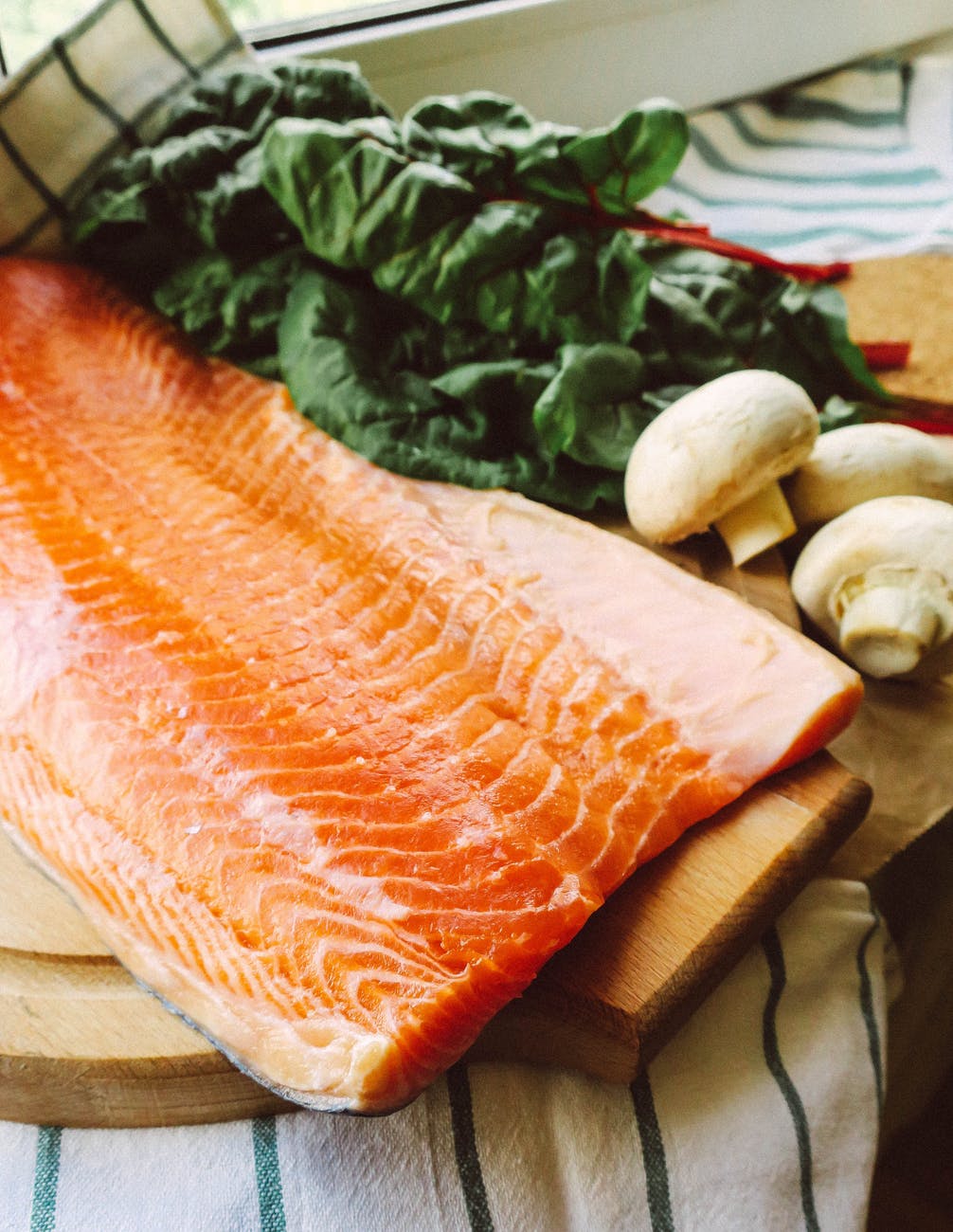
Salmon and Vitamin D

By Jaelyn Copeland, Intern & UAB Community Health & Human Services Student

Photo by Christina Voinova on Pexels.com

Did you know Salmon is packed with Vitamin D?

Vitamin D insufficiency in both infants and adults is now recognized as a global issue. Both children and adults avoid sun exposure or use sun protection because of concerns about skin cancer, putting them at high risk for vitamin D insufficiency. As a result, diet or supplementation are their only sources of vitamin D.

Vitamin D is fortified in milk, some orange juices, and some breads, yogurts, and cheeses in the United States. Vitamin D2 is present in varying levels in irradiated mushrooms. Vitamin D is naturally contained in the flesh of oily fish. Salmon is recommended based on the dietary tables. It has been suggested that dietary sources of vitamin D, rather than sun exposure, should be the primary supply of the vitamin.

Milk is the most common fortified dietary source of vitamin D, though it typically does not contain at least 80% of what is stated on the label. Fish, particularly oily fish like salmon and mackerel, has long been regarded as a good source of vitamin D. The influence of various cooking procedures on the vitamin D content of fish is poorly understood. A study determined the vitamin D content of various fish species, as well as the influence of baking and frying on vitamin D content. Give baked salmon a try!


Source:

U.S. Department of Health and Human Services. (n.d.). Office of dietary supplements – vitamin d. NIH Office of Dietary Supplements. Retrieved September 30, 2021, from https://ods.od.nih.gov/factsheets/VitaminD-health%20Professional/.


Rethinking that Ugly Four-Letter Word: DIET (Part 2)

By Shayna Bryan, Intern & UAB Community Health & Human Services Student

Images from Magda Elhers and Caleb Oquendo | Graphics by Shayna Bryan

Eat a balanced variety, enough of the good stuff, not too much of the other stuff. If the principles of a healthy diet are so simple, why do so many dieters fail? Maybe our perspective is to blame.

As discussed previously, your diet is everything you eat over your entire life, so changing your diet is more akin to changing your lifestyle. The best diet is one you can stick to; one that embraces the rhythms and changes of life. The most restrictive diets demand total compliance and encourage a cult-like devotion. These severe restrictions, such as those that eliminate whole categories of food, make it harder to comply and easier to give up. It sets us up for failure. While someone can give up tobacco or alcohol, we still have to eat every day of our lives.

Small changes, slowly incorporated over a long period of time, are the best way to ease yourself into a healthy diet. Here’s how you can do it:

  • Set realistic goals that you can achieve
    • Set yourself up for success, not failure!
    • Take an honest look at what your current habits are and look for ways to make changes
    • Example: I currently drink about 20 oz of water a day, my new goal is to drink 40 oz a day.
  • Reduce, instead of remove
    • It’s not necessary to eliminate certain things from your diet, especially if you like them. Look for the balance.
    • Example: I currently eat fast food 5 times a week, my new goal is to reduce that to 3 times a week. Eventually I will work towards eating fast food only once a week.
  • Reevaluate
    • If you didn’t meet your goals, set new more achievable goals! Failure is an opportunity to learn and improve, not proof that you can’t do something.
    • Example: I previously drank a case of soda (24) every week, so I set a goal to reduce that to 1 soda per day (7 per week). I didn’t meet that goal, so my new goal is to drink half a case (12) of soda per week.
  • Try new things!
    • New foods, new techniques, new cuisines!
    • Living life to the fullest isn’t meant to be about endlessly cutting back, so neither should your diet. You might surprise yourself with what you find and how your tastes change!
    • Example: I didn’t like brussel sprouts until I tried roasting them, now they’re my favorite go-to green veggie.

Love Yourself and Keep Going

Our stumbles in life do not undermine our previous efforts. Days of self-love and indulgence are part of a healthy lifestyle, both in mind and body. It’s easier to eat dessert in moderation if you don’t view it as a breach of contract. These cycles of adherence are a natural part of living. If we consider the long term, that your diet will be defined by what you consume over a lifetime, maybe we’ll have an easier time sticking to healthy eating and won’t see a failure as the end.

Did you miss Part 1? Find it here!

You can also read our posts about the Mediterranean Diet and DASH Diet.


Use this image to share on social media

Sources and Further Reading:

Calorie Restriction and Fasting Diets: What Do We Know? (n.d.). Retrieved from https://www.nia.nih.gov/health/calorie-restriction-and-fasting-diets-what-do-we-know

Freedhoff, Y. (2014, November 17). No, 95 Percent of People Don’t Fail Their Diets. Retrieved from https://health.usnews.com/health-news/blogs/eat-run/2014/11/17/no-95-percent-of-people-dont-fail-their-diets

Godman, H. (2018, January 24). How fast should you change your diet to lose weight? Harvard Health. Retrieved September 20, 2021, from https://www.health.harvard.edu/diet-and-weight-loss/how-fast-should-you-change-your-diet-to-lose-weight

Mayo Clinic Staff. (2019, January 9). 8 steps to a heart-healthy diet. Retrieved from https://www.mayoclinic.org/diseases-conditions/heart-disease/in-depth/heart-healthy-diet/art-20047702