Empowering ourselves to tackle food insecurity in Alabama

by Haleigh Horton | UAB Community Health & Human Services Program Student

Photo by RDNE Stock project on Pexels.com

Food insecurity is a significant issue affecting communities across the United States, including Alabama’s Black Belt region. In addition to compromising physical health, lack of access to nutritious food exacerbates socioeconomic disparities. Building
healthier, more resilient communities requires understanding the root causes of food insecurity and implementing sustainable
solutions.

There are significant barriers to accessing affordable, nutritious food in Alabama’s Black Belt. Several factors contribute to high
rates of food insecurity, including limited grocery options, transportation challenges, and economic hardship (Harris, 2023).
Because of this, many people consume low-quality, processed foods that are high in calories but lack essential nutrients, resulting in obesity, malnutrition, and chronic diseases.

Food insecurity needs to be addressed through a multifaceted approach that addresses all levels of influence. Among the measures include increasing economic opportunities, improving access to affordable, nutritious foods, and promoting community-level interventions such as urban gardening initiatives and farmers’ markets.

It’s important to note that individuals and families can make healthier food choices within their means by becoming aware of the importance of healthy eating and learning about nutrition and meal planning (Harris, 2023). Urban agriculture and community gardens: It is possible to increase access to fresh produce as well as empower residents to take control of their food supply by
setting up community gardens and urban farming initiatives in underserved areas (Harris, 2023). These initiatives not only provide nutritious food but also promote community engagement and sustainability.

Policy advocacy and food assistance programs provide essential food resources to vulnerable populations with food
assistance programs such as SNAP (Supplemental Nutrition Assistance Program) and WIC (Women, Infants, and Children)
(Harris, 2023). As a further step, develop policies that tackle systemic barriers to food access, such as food deserts and inequities in resource distribution.

To address the issue of food insecurity in Alabama’s Black Belt, it is imperative to take a holistic approach that addresses the underlying socioeconomic, cultural, and environmental factors that contribute to the problem. Thru the implementation of targeted interventions at multiple levels, we can build healthier, more resilient communities in which everyone has the opportunity to achieve their full potential and is able to access nutritious food.

How are you addressing food insecurity? What methods are you or your community using to combat food insecurity in your community. Share here and on our Facebook page at Wilkinson Wellness Lab.

References

Fielding, S. (2022, October 15). Food insecurity is tied to poor mental health. Verywell Mind. https://www.verywellmind.com/biden-administration-food-insecurity-poor-mental-health-6748799

Food insecurity: A year-round health concern. Andalusia Health. (2023, February 1). https://www.andalusiahealth.com/news/food-insecurity

Harris, S. (2023, November 1). Adequate access to nutritious food is associated with better health for people of all ages. Alabama’s Health. https://www.alabamapublichealth.gov/blog/2023/11/sho-november.html#:~:text=While%20food%20insecurity%20affects%20all,white%
20Alabamians%20are%20food%20insecure.

Are We Really What We Eat?

By Angela Wilson | Community Health and Human Services Intern

I am sure we have all heard the phrase, “You are what you eat”, (Ludwig). But what does this phrase really mean? In short, it means that we must eat foods that benefit our bodies so that we can be healthy and fit. Heart disease, diabetes, and other cardiovascular diseases disproportionately affect the African American community so it is imperative that we examine the benefits of consuming certain fruits which may significantly lower our chances of getting these diseases. This commentary will address the health benefits of strawberries, blueberries, and raspberries.

         Strawberries are very rich in antioxidants and are an excellent source of vitamin C , manganese, folate, and potassium. Vitamin C strengthens the body’s defense and protects it from free radicals ( harmful molecules),  which has been linked to many chronic diseases. Manganese is an element that assists in building bones, wound healing, and reproductive health. Folate and Potassium are important for normal tissue growth, cell function, and essential bodily functions such as regulating blood pressure. Strawberries are 91% water and have a very low carb content. They also have a significant amount of fiber, (approximately 26%), which improves digestive health by feeding the friendly bacteria in your stomach. Lastly, evidence suggests that strawberries lowers the spike in blood sugar after consuming a meal, thereby aiding in blood sugar regulation.

        Blueberries contain some of the highest anti-oxidant levels which contribute to their ability to neutralize some of the free radicals that cause damage to your DNA. They also protect cholesterol in your blood from becoming damaged.  Bad cholesterol (LDL), increases your risk for heart disease and stroke. Blueberries are strongly linked to reduced levels of LDL, which makes them very good for your heart. Anthocyanin, one of the powerful antioxidants in blueberries has significant beneficial effects on insulin sensitivity and glucose metabolism.  This plays an instrumental role in reducing inflammation and aiding in the protection of conditions like cancer and diabetes.

        Raspberries are very low in sugar and are considered to be antioxidant powerhouses because of their high vitamin C content.  One 100-gram portion of raspberries provides 23 milligrams of vitamin C, which is approximately 30% of the recommended daily allowance for women.  They are associated with a lower risk of chronic stress related diseases such as heart disease and cancer. Raspberries support good digestive health due to their high fiber content and they also reduce the amount of insulin needed to manage blood sugar levels.

As you can see, these fruits are key components to good health and well being and should be incorporated into our diets as we strive to become healthier, stronger, and happier while protecting our bodies from chronic diseases and illnesses.

References:
Bjarnadottir, A. (March 2019). Strawberries 101: Nutrition Facts and Health Benefits. https://www.healthline.com. Retrieved February 27, 2023.
Ritcher, A. (January 2023). 10 Proven Health Benefits of Blueberries. https://www.healthline.com Retrieved February 27, 2023.
Sachdev, P. (September 2022). Health Benefits of Raspberries. https://www.webmd.com Retrieved February 27, 2023.


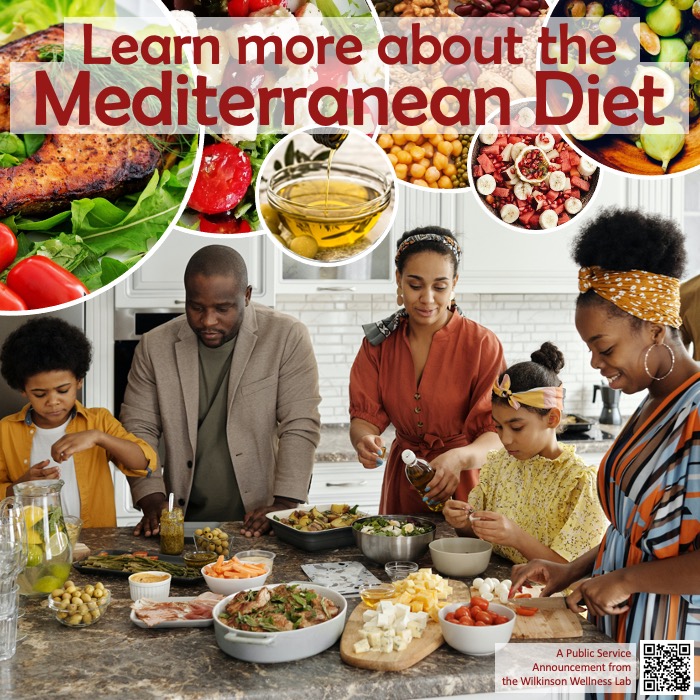
LET’S TAKE A LOOK AT THE MEDITERRANEAN DIET AND ITS BENEFITS

By Shayna Bryan, Intern & UAB Community Health & Human Services Student

If you’ve ever spent time looking for healthy diets to follow, but wanted to avoid a highly restrictive diet (like vegan) or a commercial diet plan (like Weight Watchers), you probably have come across the Mediterranean Diet. It has been the subject of research for over 50 years and has been ranked the best overall diet by the U.S. News and World Report for four years running. The American Heart Association, the American Diabetes Association, the U.S. Department of Health and Human Services, the U.S. Department of Agriculture, and the World Health Organization have all endorsed the Mediterranean diet as a healthy and sustainable eating style that reduces risk for heart disease and Type 2 Diabetes. The Mediterranean Diet also may assist with weight loss in obese people and is associated with lower rates of depression, cognitive decline, cancer, and all-cause mortality.

This diet has a lot of major endorsements! So then, what’s up with this diet and why is it so special?

The Mediterranean Sea is a meeting point of three continents: Africa, Asia, and Europe. When health experts and researchers recommend the “Mediterranean Diet” they’re not talking about the food of just one people or one culture, but the common shared characteristics of the simple everyday meals made for centuries in this region of the world. Meals are built around plant-based foods, heavily seasoned with herbs and spice (though not tons of salt). These meals are made, shared, and enjoyed amongst a community of families and friends.

Here’s are the common characteristics of the Mediterranean Diet:

  • High consumption of vegetables, often raw or slightly cooked
  • Beans, nuts, legumes, seeds, potatoes, and unprocessed or whole grains
  • Olive oil as the principal source of fat
  • Fruit treated as a dessert
  • Moderate consumptions of fish, poultry, and dairy (mostly in the form of yogurt and cheese)
  • Low consumption of red meat
  • Moderate alcohol consumption, often in the form of red wine

Please check out the source below to learn more about the Mediterranean Diet. Please also share your thoughts about the Mediterranean Diet in the comments section of this post or via our page on Facebook @WilkinsonWellnessLab.

Sources:

Mayo Foundation for Medical Education and Research. (2019, June 21). Mediterranean diet for heart health. Mayo Clinic. https://www.mayoclinic.org/healthy-lifestyle/nutrition-and-healthy-eating/in-depth/mediterranean-diet/art-20047801.

U.S. Department of Health and Human Services and U.S. Department of Agriculture. 2015 – 2020 Dietary Guidelines for Americans. 8th Edition. December 2015. Available at https://health.gov/our-work/food-nutrition/previous-dietary-guidelines/2015.

U.S. News & World Report. (n.d.). Mediterranean Diet. U.S. News & World Report. https://health.usnews.com/best-diet/mediterranean-diet.

What is the Mediterranean Diet? http://www.heart.org. (n.d.). https://www.heart.org/en/healthy-living/healthy-eating/eat-smart/nutrition-basics/mediterranean-diet.