What You Should Know About Adult Eczema

By Terrie Johnson | UAB Community Health & Human Services Intern

Photo by Karolina Grabowska on Pexels.com (Figure 1)

Eczema is a type of dermatitis that causes the skin to be dry and itchy. This condition reduces the skin barrier function, reducing the organ’s ability to retain moisture and protect the body from external elements. Eczema is a common problem in adults but is not contagious. Although painless, eczema results in unsightly appearances {Figure 1}, and one may develop sores after scratching the skin.

Eczema affects each person differently, and every individual diagnosed with this condition has different triggers. The primary causes of eczema include environmental elements, immune system reactions, and emotional imbalance. For example, environmental elements such as dry weather, clothing, detergents, allergens, air pollutants, and skin care products can cause eczema (Luschkova et al., 2021). In addition, an individual’s immune system may perceive small irritants as foreign invaders and activate the body’s defense mechanism, resulting in inflammation. Regarding emotional triggers, one’s mental health may result in flare-ups of eczema. For example, anxiety and depression can be common triggers in some individuals.

Concerning treatment, there is no cure for eczema; however, an individual may adopt some treatment approaches to manage the condition. One can avoid environmental eczema triggers like dry weather, soaps, and skincare products. In addition, a person may take oral antihistamines and corticosteroids to minimize inflammation and itching. Moreover, applying gentle moisturizers when experiencing dry skin can help manage eczema. Avoiding triggers, taking medications, and applying moisturizers can also help manage eczema symptoms.

To summarize, eczema is a type of dermatitis that makes the skin dry and itchy. The condition primarily results from triggers like environmental elements, immune system reactions, and emotional imbalance. Although there is no cure for eczema, an individual may adopt certain treatment plans to manage the condition. Avoiding triggers is the first-line treatment approach for eczema. Do you experience eczema? If so, what treatments worked for you?

References

Luschkova, D., Zeiser, K., Ludwig, A., & Traidl-Hoffmann, C. (2021). Atopic eczema is an environmental disease. Allergologie Select5, 244. https://doi.org/10.5414/ALX02258E.

National Eczema Association, (n.d). Atopic dermatitis. (Online image). https://nationaleczema.org/eczema/types-of-eczema/atopic-dermatitis/


The City of Birmingham 2nd Annual Mental Health Day

By Wilkinson Wellness Lab Team

Join the Wilkinson Wellness Lab and PHAME-US.com team at this community event sponsored by Nuture, LLC, the City of Birmingham, AL and Birmingham City Schools. The event is free and open to the public.

Nurture of Alabama believes Birmingham can thrive, especially if communities address the mental health crisis experienced in our neighborhoods. Through the event Friday, May 19th, Nurture’s goals are to: 1) remove the stigma of mental health support, 2) improve mental health services accessibility, and 3) provide community education on mental health & wellness.

The event will have chair massages, a licensed professional counselor providing depression screenings, speakers,  free resources, giveaways, local food trucks,  yoga sessions, line dancing, blood pressure checks and more. So come out, have a good time, and let’s engage in mental wellness!


Everyone Can Help: Suicide is Preventable

By Jessica Feagin | Intern and UAB Community Health and Human Services Student

Suicide one of the leading causes of death in the United States. Responsible for nearly 46,000 deaths in 2020, which averages one death every 11 minutes (CDC, 2023). In 2020, suicide was among the top 9 leading causes of death for people 10-64 years old. Suicide was the second leading cause of death for people ages 10-14 and 24-34. Suicide and attempts cause serious emotional, physical, and economic impacts. It also affects the health and well-being of friends, loved ones, and the community. Suicide is preventable, and everyone has a role to play in saving lives and building strong individuals .

If someone says that they want to harm themselves, try to stay calm, not panic, and listen. It is possible if someone has chosen to tell you and talk about how they feel, they will let you help them to get assistance and support. According to the NSW, if the person has told you they are thinking about suicide, here are five things you can do:

  • Listen and encourage them to talk about their situation.
  • Show empathy for their situation and take them seriously.
  • Avoid leaving them alone.
    • Possibly try to get them to the hospital or call police if they planning to act.
    • Call the Suicide Prevention Line.
  • Discuss the ways that you can get them help and if they agree to follow up and get the help.
    • Offer to take them to a hospital or a counseling appointment.
  • If the person does not want you to get help, you should advise them that you need to because you are legally obliged to do so as you are concerned for their safety.

An important number everyone should know is 988. It is the Suicide and Crisis Lifeline. This lifeline is available 24 hours a day and provides free and confidential support for people in distress, prevention, and crisis resources for everyone.

References:

Centers for Disease Control and Prevention. (2023, May 8). Facts About Suicide. Centers for Disease Control and Prevention. https://www.cdc.gov/suicide/facts/index.html

Practical strategies and tips for effective support – how do I respond if someone says that they want to kill themselves?. How do I respond if someone says that they want to kill themselves? – Practical strategies and tips for effective support. (n.d.). https://www.health.nsw.gov.au/mentalhealth/psychosocial/strategies/Pages/communicating-response.aspx


Relieve Caregiver Stress

By Jessica Feagin, Intern and UAB Community Health and Human Services Student

A caregiver can be anyone who provides help and care to another person in need, such as a sick spouse/partner, disabled child, or an aging relative. Being a caregiver can be rewarding just by the act of being there for a loved one in need; however, sometimes, a shift in emotions can occur. Those emotions can include exhaustion, frustration, sadness, loneliness, and anger. Caregiver stress is the physical and emotional stress of caregiving, which is common (Mayo Clinic, 2022).

Risk for caregiver stress are higher among women. Some of the risks associated are social isolation, lack of coping skills, lack of choice in being a caregiver, depression, and long hours spent caregiving. Being a caregiver can make you so focused on others that you do not realize you are suffering from caregiver stress. Some signs of caregiver stress could be: frequent tiredness, constantly feelings of worry, not getting enough sleep, gaining/losing weight, sadness, frequent headaches, bodily pain, and abusing alcohol or drugs. Too much stress can harm your health and increase your risk of medical problems (Mayo Clinic, 2022).

Here are some tips that were provided by actual caregivers off of social media on how they manage the stress and pressure of caregiving (Sealy et al., 2022):

  • Eat Right
  • Get Enough Sleep
  • Exercise
  • Meditation
  • Do a Little Coloring
  • Have a Healthy Dose of Laughter
  • Get Social
  • Start Journaling
  • Get a Pet
  • Just Say “No”
  • Reclaim Your Identity
  • Prioritize Your Own Medical Needs
  • Ask For and Accept Help

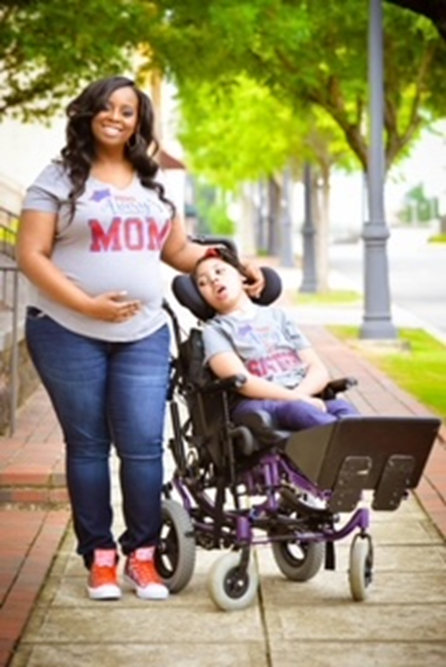
I can relate to some of the tips that were provided. Before my daughter passed in April, I was her mother, nurse, and caregiver. I am a professional nurse at a hospital and had to take care of my daughter at home. She was diagnosed with hypoxic-ischemic encephalopathy, cerebral palsy, seizures, quadriplegic, developmentally delayed, and vision and hearing impaired. She also had a tracheostomy, feeding tube, and was oxygen dependent. My husband and I had to provide total care for our daughter. It was vital for us to manage caregiver stress to take care of her and ourselves properly. These tips are helpful, and most importantly, do not be afraid to ask for and accept help. You cannot do it alone! If you have ever had to be a caregiver, professionally or personally, how did you relieve stress and burnout?

 My daughter and I “RIP My Angel”

References

Sealy, K. L., H, L., N., L., Verdone, K., Waguespack, D., Mueller, C., Mckeon, D., Thompson, L., Godwin, D., Riley, A., Goodman, L., Millan, Y., Wong, L., Lyon-Loftus, G. T., & Sautter, N. (2022, April 16). 14 life-changing tips to relieve caregiver stress. CaringBridge. https://www.caringbridge.org/resources/techniques-to-relieve-caregiver-stress/

Mayo Foundation for Medical Education and Research. (2022, March 22). Practical solutions for caregiver stress. Mayo Clinic. https://www.mayoclinic.org/healthy-lifestyle/stress-management/in-depth/caregiver-stress/art-20044784


Standing more at work to improve your health!

By Dr. Larrell L. Wilkinson | Wilkinson Wellness Lab

Photo by Anna Nekrashevich on Pexels.com

Standing while at work can improve your health! A study from a group of scientists at the University of Pittsburgh showed that on average, a person burned 8 more calories standing versus sitting at work (Creasy, Rogers, Byard, Kowalsky, & Jakicic, 2016). This may not sound like a lot, but if standing half the time during an 8 hour workday, after one week a person will have burned (used) 160 calories, about the standard serving size of Oreo cookies or Lay’s Classic Potato Chips. Again, this may not sound like a lot, but every little bit helps, Right?

Calories are how we measure energy and describes the energy we get from eating food and drinking. Calories don’t measure weight or length. Instead, we burn (use) calories when we exercise, walk, and perform regular movements throughout the day. Another way to burn calories is to simply, STAND. Also, there are other benefits to standing more during the day! Experts from the the Centers for Disease Control and Prevention (CDC) (Chosewood & Franklin, 2012) found that using sit-stand workstations did the following:

  • Standing more while at work decreases the amount of time spent in sedentary work
  • Standing more helps relieve pressure on the lower back, buttocks and legs, and may help reduce compression of the spine arising from long periods of sitting
  • Standing more may improve energy levels
  • Standing more frequently may improve cognition
  • Standing may increase circulation and lead to better blood flow to the brain and other organs
  • Standing more burns more calories than sitting
  • Standing more may assist with energy balance and aid in weight management
  • Standing more may improve bone density over time
  • Standing more may promote better sleep

So what about you? Are you standing more? Are you willing to stand more? How will you stand more during the day? Share your story about standing or the different ways you move here in the comments section and/or share with us on Facebook, Instagram, and Twitter.

References
Chosewood, L.C. & Franklin, C.C. (2012, December 5). NIOSH takes a stand. NIOSH Science Blog. https://blogs.cdc.gov/niosh-science-blog/2012/12/05/sit-stand/.

Creasy, S. A., Rogers, R. J., Byard, T. D., Kowalsky, R. J., & Jakicic, J. M. (2016). Energy Expenditure During Acute Periods of Sitting, Standing, and Walking. Journal of physical activity & health13(6), 573–578. https://doi.org/10.1123/jpah.2015-0419


How to Kill Cancer in the African American Community

By Regina Dodson | UAB Community Health and Human Services Intern

Cancer is a leading cause of death in the United States, and there is also a high prevalence of the disease affecting the African American community. African Americans have higher cancer mortality rates than any other racial or ethnic group, with a 14% higher overall cancer death rate than non-Hispanic whites (ACS, 2021). This disparity can be caused by a variety of factors, including socio-economic status, lifestyle factors, and limited access to healthcare.

One solution to reduce cancer disparities in the African American community is to increase access to cancer screenings. Early detection is crucial in the treatment of cancer, and regular cancer screenings can help detect cancer at an early stage, when it is most treatable. However, African Americans are less likely to receive cancer screenings than non-Hispanic whites, due to limited access to healthcare (ACS, 2021).

Community-based interventions have shown promise in increasing cancer screening rates in the African American community. These interventions involve community outreach and education, providing information on the importance of cancer screenings and how to access them. The Patient Navigation Program provides individualized support to people wishing to be screened for cancer, including transportation and other logistical support (Ferrante et al., 2011).

Another community-based intervention is the use of mobile mammography units, which bring mammography services to underserved communities, making it easier for women to access breast cancer screenings (Willems et al., 2019). Mobile mammography units have been shown to be effective in increasing breast cancer screening rates in underserved populations, including African American women.

Increasing access to cancer screenings in the African American community is crucial for reducing cancer disparities. Community-based interventions, such as the Patient Navigation Program and mobile mammography units, can help increase cancer screening rates in underserved populations. By improving access to cancer screenings, we can help detect cancer at an early stage, leading to better treatment outcomes and ultimately reducing cancer mortality rates in the African American community.

References:

American Cancer Society (ACS). (2021). Cancer Facts & Figures for African Americans 2021-2023. Retrieved from https://www.cancer.org/content/dam/cancer-org/research/cancer-facts-and-statistics/cancer-facts-and-figures-for-african-americans/cancer-facts-and-figures-for-african-americans-2021-2023.pdf

Ferrante, J. M., Chen, P. H., Kim, S., & The-Pennsylvania-Patient-Centered-Medical-Home-Initiative (2011). The effect of patient navigation on time to diagnosis, anxiety, and satisfaction in urban minority women with abnormal mammograms: a randomized controlled trial. Journal of Urban Health, 88(2), 211–226. doi: 10.1007/s11524-010-9502-6

Willems, B. A., Henry, K. A., Richter, R. R., & Hsieh, Y. W. (2019). Breast Cancer Screening in Underserved Women in the United States: A Review of the Literature. Journal of Women’s Health, 28(2), 269–277. doi: 10.1089/jwh.2017.6863


Defeating Diabetes in the African American Community

By Regina Dodson | Community Health and Human Services Intern

Diabetes is a chronic disease that affects millions of people worldwide, and it is becoming increasingly prevalent in the African American community. According to the American Diabetes Association, African Americans are almost twice as likely to be diagnosed with diabetes as non-Hispanic whites. This is a significant problem that must be addressed to prevent the debilitating complications associated with the disease.

There are several reasons why diabetes is affecting the African American community. A primary factor is genetics, as research has shown that African Americans are more likely to develop diabetes due to their genetic makeup. Additionally, there are social determinants of health that contribute to the higher prevalence of diabetes in African Americans, such as limited access to healthcare, poverty, and discrimination.

Food deserts, defined as areas where there is limited access to healthy and affordable food options, are also prevalent in African American communities. They have been linked to a higher incidence of diabetes. Access to healthy food options is critical for the prevention and management of diabetes, as a healthy diet is a primary component of diabetes management. The elimination of food deserts in African American communities can help to reduce diabetes.

According to the Journal of Public Health Management and Practice, food deserts are more prevalent in African American communities compared to white communities, and they are associated with a higher incidence of diabetes. Lack of access to healthy food options can lead to a diet high in saturated fats, sugar, and processed foods, which are all risk factors. In addition to the lack of access to healthy food options, food deserts are also associated with poverty, which can lead to limited financial resources to purchase healthy foods. Low-income individuals are more likely to live in food deserts, and they are at a higher risk of developing diabetes due to their limited access to healthy foods (Walker et al, 2010).

Food deserts can be minimized in African American communities by investing in grocery stores and farmers’ markets that provide fresh produce and healthy food options. Additionally, community gardens and urban farming initiatives can help to provide healthy food options in underserved communities (Walker & Block, 2011). Community gardens and urban agriculture programs have been shown to be effective in increasing access to healthy foods in low-income neighborhoods. These programs provide residents with fresh fruits and vegetables, which can help reduce the incidence of diabetes and other chronic diseases and improve overall health outcomes (Lebrón et al, 2019).

References:

LeBrón, A. M. W., Schulz, A. J., Gamboa, C., Reyes, A. G., & Cordero, E. D. (2019). Food environment interventions to improve the dietary behavior of African Americans: A systematic review. Preventive Medicine Reports, 15, 100940.

Walker, R. E., Keane, C. R., & Burke, J. G. (2010). Disparities and access to healthy food in the United States: a review of food deserts literature. Health & place, 16(5), 876-884.

Walker, R. E., & Block, J. P. (2011). Opportunities for intervention: changing the environment to improve health. Journal of Public Health Management and Practice, 17(Suppl 1), S44-S50.


You Better Believe Them

By Reginia Dodson | UAB Community Health and Human Services Intern

In the famous words of Maya Angelou, “When someone shows you who they are, believe them the first time” (Maya Angelou, 2023). Often, we as women, and most importantly black women tend to overlook all of the warning signs of a toxic relationship. This may include a romantic, friendship, or even a professional relationship.

Abuse is a pattern of behavior used by one person to gain and maintain power and control over another (Team, 2021). DMost women often ignore the tell-tale signs of an abuser, Abuse comes in all forms such as verbal, physical, and financial. It can come in form of your good friend that always needs to borrow that little $40 she can never seem to pay back. It is amazing how little your $40 becomes when you dare to ask for them back. The excuses you hear when you ask to become a barrage of putdowns and make the situation even worse. Nevertheless, this is an example of financial abuse.

Next, we have the person that always has something negative to say, or makes a harsh comment that may offend us in some way. This is sign of verbal abuse. Sometimes it is easy for us to ignore these statements and signs, or to justify their reasoning behind their actions, but this behavior should not be tolerated. 

Lastly, we have the outright physical abuser. This particular person wants to physically harm you. “But it was only one time, they promised me it wouldn’t happen again “, a common yet horrific statement of those suffering from physical abuse. If someone causes us harm, we should run and never look back. Physical abuse can ultimately lead to permanent injury or even death.

You better believe them all. We should be able to identify our limitations and boundaries; and consider them often when experiencing abuse. No relationship is worth a hit to your mental, financial, or physical health so protect it at all costs.

References 

Maya Angelou quotes. (n.d.). Retrieved March 28, 2023, from https://www.brainyquote.com/quotes/maya_angelou_383371

Team, R. (2021, August 24). 6 different types of abuse. Retrieved March 28, 2023, from https://reachma.org/blog/6-different-types-of-abuse/


Have You Had Taken Your Vitamins Today?

By Jaelyn Copeland | UAB Community Health and Human Services Intern

Vitamins and minerals are critical for several important bodily functions. Often referred to as micronutrients, vitamins and minerals are not produced in the body. Instead they are commonly consumed through food or supplements (CDC, 2022).

The berry of the black elder tree, or Sambucus nigra, known as elderberry, is full of antioxidants that we need to sustain a healthy lifestyle. Although it is native to Europe, the black elder tree can also be found in North America, some regions of Asia, and Africa. Elderberry has been used in traditional medicine to promote general health for years. Whether it is used as an extract or juice concentrate from the whole fruit, elderberry is now frequently used in dietary supplements. Products containing elderberry are primarily marketed to support immune health. It also helps alleviate symptoms of respiratory illnesses, including the common cold, the flu, and COVID-19.

There are several different formulations of elderberry supplements; including syrups, pills, and lozenges. Numerous goods are sold expressly to children, notably those that come in chewable or gummy form. Additionally, some products combine the berries with other components of the black elder tree, most frequently elderflower. Elderberry may be hazardous if improperly prepared.

The stems and leaves of the elder tree, as well as unripe elderberries, contain cyanide-producing substances that can be poisonous if consumed. These chemicals can be eliminated through cooking, but many homemade elderberry recipes do not call for enough heat to completely evaporate all toxins, making them more likely to have negative effects than over-the-counter remedies. 

There have been more complaints of elderberry products recently being contaminated. If you’re thinking about taking an elderberry supplement, please talk to your doctor first make sure the product you choose has received third-party certification.

References 

Centers for Disease Control and Prevention. (2022, February 1). Micronutrient facts. Centers for Disease Control and Prevention. Retrieved February 8, 2023, from