REFLECTING ON JUNETEENTH: FROM CELEBRATION TO CALL FOR ACTION (FOR ALL AMERICANS)

By Shayna Bryan (UAB Community Health & Human Services Intern) with contributions from Dr. Larrell L. Wilkinson

On Thursday, June 17th (2021), the Juneteenth National Independence Day Act was signed into law, making this year’s observation of Juneteenth, the first observation of the new federal holiday.  On Friday, the 18th, Dr. Larrell Wilkinson had the opportunity to speak to a diverse group of college sophomores and juniors about aging research within the fields of community health and human services.  During his talk, Dr. Wilkinson spoke about the day’s federal observance of “Juneteenth” which is traditionally celebrated on June 19th in celebration of the day in 1865 when enslaved African-Americans were informed of their freedom and that the Civil War had ended.  Dr. Wilkinson shared with the young diverse scholars his hope for the Juneteenth commemoration to help foster “understanding given diverse racial experiences among Americans, which could support racial healing and reconciliation among Americans, and lead to greater solidarity within our country.”  He ended by saying that “we have to do the work…Americans can overcome challenges when working together and tackling the issues.”

Juneteenth is about celebrating the end of chattel slavery in the US as well as African American history, culture, and progress. But make no mistake, this is an American celebration for everyone because it marks a turning point in our nation’s history that is painful to remember but essential to understand for our future.  Slavery was a terrible human and economic institution that has bathed our country’s history in blood and conflict.  In our present day and into the future we have opportunities to reduce the instances of racial violence and prejudice and heal the hurts from our many past circumstances of injustice.  Keeping systems of segregation, discrimination, and oppression due to the social construct of race in order to preserve power, resources, or wealth for a select racial category is un-American and will not lead to the forming of a “more perfect union.”
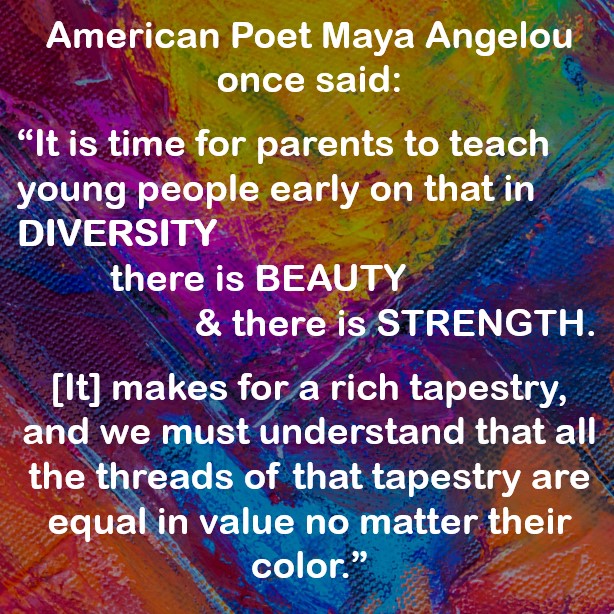
We should never forget the terrible atrocities conducted under the system of slavery or the harms performed during the eras of Reconstruction and Jim Crow.  But we should also remember to celebrate the recovery and progress made towards racial harmony and cultural proficiency by all racial groups and work to secure the “blessings of liberty to ourselves and our posterity.” What are your thoughts? From your point of view, what is the best way(s) to improve cultural and racial harmony in the United States of America? Please feel free to leave comments below or engage with us @WilkinsonWellnessLab on Facebook.
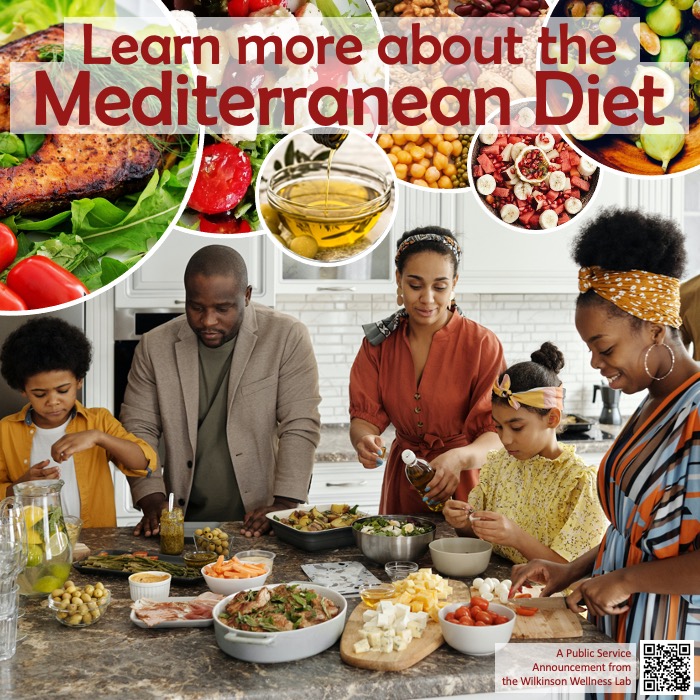

LET’S TAKE A LOOK AT THE MEDITERRANEAN DIET AND ITS BENEFITS

By Shayna Bryan, Intern & UAB Community Health & Human Services Student

If you’ve ever spent time looking for healthy diets to follow, but wanted to avoid a highly restrictive diet (like vegan) or a commercial diet plan (like Weight Watchers), you probably have come across the Mediterranean Diet. It has been the subject of research for over 50 years and has been ranked the best overall diet by the U.S. News and World Report for four years running. The American Heart Association, the American Diabetes Association, the U.S. Department of Health and Human Services, the U.S. Department of Agriculture, and the World Health Organization have all endorsed the Mediterranean diet as a healthy and sustainable eating style that reduces risk for heart disease and Type 2 Diabetes. The Mediterranean Diet also may assist with weight loss in obese people and is associated with lower rates of depression, cognitive decline, cancer, and all-cause mortality.

This diet has a lot of major endorsements! So then, what’s up with this diet and why is it so special?

The Mediterranean Sea is a meeting point of three continents: Africa, Asia, and Europe. When health experts and researchers recommend the “Mediterranean Diet” they’re not talking about the food of just one people or one culture, but the common shared characteristics of the simple everyday meals made for centuries in this region of the world. Meals are built around plant-based foods, heavily seasoned with herbs and spice (though not tons of salt). These meals are made, shared, and enjoyed amongst a community of families and friends.

Here’s are the common characteristics of the Mediterranean Diet:

  • High consumption of vegetables, often raw or slightly cooked
  • Beans, nuts, legumes, seeds, potatoes, and unprocessed or whole grains
  • Olive oil as the principal source of fat
  • Fruit treated as a dessert
  • Moderate consumptions of fish, poultry, and dairy (mostly in the form of yogurt and cheese)
  • Low consumption of red meat
  • Moderate alcohol consumption, often in the form of red wine

Please check out the source below to learn more about the Mediterranean Diet. Please also share your thoughts about the Mediterranean Diet in the comments section of this post or via our page on Facebook @WilkinsonWellnessLab.

Sources:

Mayo Foundation for Medical Education and Research. (2019, June 21). Mediterranean diet for heart health. Mayo Clinic. https://www.mayoclinic.org/healthy-lifestyle/nutrition-and-healthy-eating/in-depth/mediterranean-diet/art-20047801.

U.S. Department of Health and Human Services and U.S. Department of Agriculture. 2015 – 2020 Dietary Guidelines for Americans. 8th Edition. December 2015. Available at https://health.gov/our-work/food-nutrition/previous-dietary-guidelines/2015.

U.S. News & World Report. (n.d.). Mediterranean Diet. U.S. News & World Report. https://health.usnews.com/best-diet/mediterranean-diet.

What is the Mediterranean Diet? http://www.heart.org. (n.d.). https://www.heart.org/en/healthy-living/healthy-eating/eat-smart/nutrition-basics/mediterranean-diet.


WOMEN, BE SMART ABOUT YOUR HEART!

By Shayna Bryan (UAB Community Health & Human Services Intern) and Dr. Larrell L. Wilkinson

Photo by cottonbro on Pexels.com

Every February since 1964, Americans have celebrated American Heart Month! Why? According to the CDC, heart disease is the leading cause of death among American adults and most ethnic/racial groups. Heart disease the body’s circulatory system, i.e. your veins and arteries. There are several forms of heart disease, but some of the most common include heart attack and coronary artery disease. According to the American Heart Association , a heart attack occurs when blood flow to the heart is interrupted, thus the oxygen supply to the heart muscle is reduced or completely cut off. This is important because the CDC estimates that 805,000 heart attacks occur annually in the United States.

Among Americans, non-Hispanic Black (African Americans) are at great risk for heart disease. The American Heart Association reports that about half of African-American women over the age of 20 have some form of heart disease, yet only about 1 out of 3 know their heart health risk. Around 50,000 African-American women die from cardiovascular disease annually. But we can prevent the deaths and reduce the number of our families impacted by heart disease. Here is what we can do:

Step 1: Learn your risk for heart disease.

Visit your doctor and ask for diagnostic tests for coronary heart disease. If you don’t have a personal physician or access to health care, contact Jefferson County Department of Health or your local county health department for assistance.

In general, any individual who has been diagnosed with any of these conditions is at risk for heart disease:

• Overweight or obesity
• High blood pressure
• Diabetes
• Physical inactivity
• Family history (first degree relative, such as a parent or sibling, who has had a heart attack or stroke before age 50)

Step 2: Work to reduce your risk of heart disease.

Photo by Laura James on Pexels.com

Eat healthy
Add more fruits and vegetables to your diet. Five servings a day is the recommended minimum, so aim even higher by making vegetables half of your meal. Lower your sodium intake by eating more home cooked meals, instead of fast food. Drink water, not soda or juice which is high in added sugars.

Be active
Aim for 150 minutes of physical activity every week. That’s only around 20 minutes a day. You can make walking part of your routine. Try going for a walk and talking to a friend on the phone. Any activity that elevates your heart rate will improve your health and help lower your risk.

Manage stress
Stress management is important for heart health. Eating healthy and staying active can help keep your stress levels down. Learn what triggers your stress and address it by slowing down and engaging in meditation or breathing exercises.

Step 3: Always look for the signs of a heart attack

According to the American Heart Association, women are somewhat less likely than men to experience chest pain. Instead, they are more likely to experience:

  • Dizziness
  • Fatigue
  • Nausea
  • Pressure or tightness in the chest
  • Stomach pain

To learn more about heart disease in women, please click on the links above. Additional resources include the following links:

https://www.goredforwomen.org/en/about-heart-disease-in-women/signs-and-symptoms-in-women/symptoms-of-a-heart-attack

https://www.heart.org/en/health-topics/consumer-healthcare/what-is-cardiovascular-disease/african-americans-and-heart-disease-stroke

https://www.heart.org/-/media/phd-files-2/science-news/2/2021-heart-and-stroke-stat-update/2021_stat_update_factsheet_black_race_and_cvd.pdf?la=en

https://www.heart.org/en/healthy-living/healthy-lifestyle/stress-management/stress-and-heart-health