The Health Effects of Vitamins

By Jaelyn Copeland | UAB Community Health and Human Services Intern
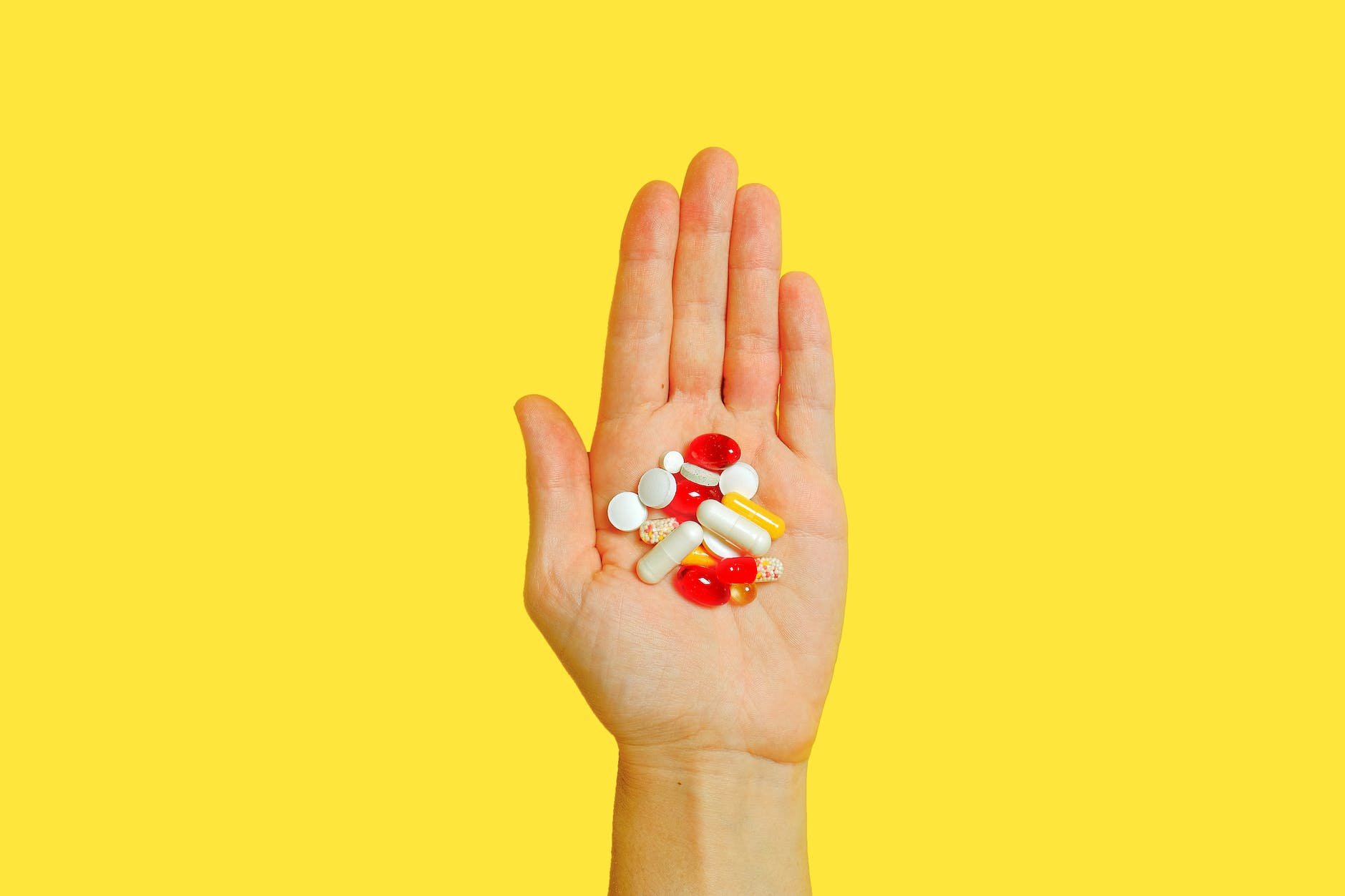
Photo by Anna Shvets on Pexels.com

Vitamins and minerals are critical for several important bodily functions. Often referred to as micronutrients, vitamins and minerals are not produced in the body. Instead they are commonly consumed through food or supplements (CDC, 2022).

The berry of the black elder tree, or Sambucus nigra, known as elderberry, is full of antioxidants that we need to sustain a healthy lifestyle. Although it is native to Europe, the black elder tree can also be found in North America, some regions of Asia, and Africa. Elderberry has been used in traditional medicine to promote general health for years. Whether it is used as an extract or juice concentrate from the whole fruit, elderberry is now frequently used in dietary supplements. Products containing elderberry are primarily marketed to support immune health. It also helps alleviate symptoms of respiratory illnesses, including the common cold, the flu, and COVID-19.

There are several different formulations of elderberry supplements; including syrups, pills, and lozenges. Numerous goods are sold expressly to children, notably those that come in chewable or gummy form. Additionally, some products combine the berries with other components of the black elder tree, most frequently elderflower. Elderberry may be hazardous if improperly prepared.

The stems and leaves of the elder tree, as well as unripe elderberries, contain cyanide-producing substances that can be poisonous if consumed. These chemicals can be eliminated through cooking, but many homemade elderberry recipes do not call for enough heat to completely evaporate all toxins, making them more likely to have negative effects than over-the-counter remedies. 

There have been more complaints of elderberry products recently being contaminated. If you’re thinking about taking an elderberry supplement, please talk to your doctor first make sure the product you choose has received third-party certification.

References

Centers for Disease Control and Prevention. (2022, February 1). Micronutrient facts. Centers for Disease Control and Prevention. Retrieved February 8, 2023, from https://www.cdc.gov/nutrition/micronutrient-malnutrition/micronutrients/index.html

Elderberry: A dietary supplement for immune health? opss. (n.d.). Retrieved December 6, 2022, from https://www.opss.org/article/elderberry-dietary-supplement-immune-health



How to Kill Cancer in the African American Community

By Regina Dodson | UAB Community Health and Human Services Intern

Cancer is a leading cause of death in the United States, and there is also a high prevalence of the disease affecting the African American community. African Americans have higher cancer mortality rates than any other racial or ethnic group, with a 14% higher overall cancer death rate than non-Hispanic whites (ACS, 2021). This disparity can be caused by a variety of factors, including socio-economic status, lifestyle factors, and limited access to healthcare.

One solution to reduce cancer disparities in the African American community is to increase access to cancer screenings. Early detection is crucial in the treatment of cancer, and regular cancer screenings can help detect cancer at an early stage, when it is most treatable. However, African Americans are less likely to receive cancer screenings than non-Hispanic whites, due to limited access to healthcare (ACS, 2021).

Community-based interventions have shown promise in increasing cancer screening rates in the African American community. These interventions involve community outreach and education, providing information on the importance of cancer screenings and how to access them. The Patient Navigation Program provides individualized support to people wishing to be screened for cancer, including transportation and other logistical support (Ferrante et al., 2011).

Another community-based intervention is the use of mobile mammography units, which bring mammography services to underserved communities, making it easier for women to access breast cancer screenings (Willems et al., 2019). Mobile mammography units have been shown to be effective in increasing breast cancer screening rates in underserved populations, including African American women.

Increasing access to cancer screenings in the African American community is crucial for reducing cancer disparities. Community-based interventions, such as the Patient Navigation Program and mobile mammography units, can help increase cancer screening rates in underserved populations. By improving access to cancer screenings, we can help detect cancer at an early stage, leading to better treatment outcomes and ultimately reducing cancer mortality rates in the African American community.

References:

American Cancer Society (ACS). (2021). Cancer Facts & Figures for African Americans 2021-2023. Retrieved from https://www.cancer.org/content/dam/cancer-org/research/cancer-facts-and-statistics/cancer-facts-and-figures-for-african-americans/cancer-facts-and-figures-for-african-americans-2021-2023.pdf

Ferrante, J. M., Chen, P. H., Kim, S., & The-Pennsylvania-Patient-Centered-Medical-Home-Initiative (2011). The effect of patient navigation on time to diagnosis, anxiety, and satisfaction in urban minority women with abnormal mammograms: a randomized controlled trial. Journal of Urban Health, 88(2), 211–226. doi: 10.1007/s11524-010-9502-6

Willems, B. A., Henry, K. A., Richter, R. R., & Hsieh, Y. W. (2019). Breast Cancer Screening in Underserved Women in the United States: A Review of the Literature. Journal of Women’s Health, 28(2), 269–277. doi: 10.1089/jwh.2017.6863


Defeating Diabetes in the African American Community

By Regina Dodson | Community Health and Human Services Intern

Diabetes is a chronic disease that affects millions of people worldwide, and it is becoming increasingly prevalent in the African American community. According to the American Diabetes Association, African Americans are almost twice as likely to be diagnosed with diabetes as non-Hispanic whites. This is a significant problem that must be addressed to prevent the debilitating complications associated with the disease.

There are several reasons why diabetes is affecting the African American community. A primary factor is genetics, as research has shown that African Americans are more likely to develop diabetes due to their genetic makeup. Additionally, there are social determinants of health that contribute to the higher prevalence of diabetes in African Americans, such as limited access to healthcare, poverty, and discrimination.

Food deserts, defined as areas where there is limited access to healthy and affordable food options, are also prevalent in African American communities. They have been linked to a higher incidence of diabetes. Access to healthy food options is critical for the prevention and management of diabetes, as a healthy diet is a primary component of diabetes management. The elimination of food deserts in African American communities can help to reduce diabetes.

According to the Journal of Public Health Management and Practice, food deserts are more prevalent in African American communities compared to white communities, and they are associated with a higher incidence of diabetes. Lack of access to healthy food options can lead to a diet high in saturated fats, sugar, and processed foods, which are all risk factors. In addition to the lack of access to healthy food options, food deserts are also associated with poverty, which can lead to limited financial resources to purchase healthy foods. Low-income individuals are more likely to live in food deserts, and they are at a higher risk of developing diabetes due to their limited access to healthy foods (Walker et al, 2010).

Food deserts can be minimized in African American communities by investing in grocery stores and farmers’ markets that provide fresh produce and healthy food options. Additionally, community gardens and urban farming initiatives can help to provide healthy food options in underserved communities (Walker & Block, 2011). Community gardens and urban agriculture programs have been shown to be effective in increasing access to healthy foods in low-income neighborhoods. These programs provide residents with fresh fruits and vegetables, which can help reduce the incidence of diabetes and other chronic diseases and improve overall health outcomes (Lebrón et al, 2019).

References:

LeBrón, A. M. W., Schulz, A. J., Gamboa, C., Reyes, A. G., & Cordero, E. D. (2019). Food environment interventions to improve the dietary behavior of African Americans: A systematic review. Preventive Medicine Reports, 15, 100940.

Walker, R. E., Keane, C. R., & Burke, J. G. (2010). Disparities and access to healthy food in the United States: a review of food deserts literature. Health & place, 16(5), 876-884.

Walker, R. E., & Block, J. P. (2011). Opportunities for intervention: changing the environment to improve health. Journal of Public Health Management and Practice, 17(Suppl 1), S44-S50.


You Better Believe Them

By Reginia Dodson | UAB Community Health and Human Services Intern

In the famous words of Maya Angelou, “When someone shows you who they are, believe them the first time” (Maya Angelou, 2023). Often, we as women, and most importantly black women tend to overlook all of the warning signs of a toxic relationship. This may include a romantic, friendship, or even a professional relationship.

Abuse is a pattern of behavior used by one person to gain and maintain power and control over another (Team, 2021). DMost women often ignore the tell-tale signs of an abuser, Abuse comes in all forms such as verbal, physical, and financial. It can come in form of your good friend that always needs to borrow that little $40 she can never seem to pay back. It is amazing how little your $40 becomes when you dare to ask for them back. The excuses you hear when you ask to become a barrage of putdowns and make the situation even worse. Nevertheless, this is an example of financial abuse.

Next, we have the person that always has something negative to say, or makes a harsh comment that may offend us in some way. This is sign of verbal abuse. Sometimes it is easy for us to ignore these statements and signs, or to justify their reasoning behind their actions, but this behavior should not be tolerated. 

Lastly, we have the outright physical abuser. This particular person wants to physically harm you. “But it was only one time, they promised me it wouldn’t happen again “, a common yet horrific statement of those suffering from physical abuse. If someone causes us harm, we should run and never look back. Physical abuse can ultimately lead to permanent injury or even death.

You better believe them all. We should be able to identify our limitations and boundaries; and consider them often when experiencing abuse. No relationship is worth a hit to your mental, financial, or physical health so protect it at all costs.

References 

Maya Angelou quotes. (n.d.). Retrieved March 28, 2023, from https://www.brainyquote.com/quotes/maya_angelou_383371

Team, R. (2021, August 24). 6 different types of abuse. Retrieved March 28, 2023, from https://reachma.org/blog/6-different-types-of-abuse/


Have You Had Taken Your Vitamins Today?

By Jaelyn Copeland | UAB Community Health and Human Services Intern

Vitamins and minerals are critical for several important bodily functions. Often referred to as micronutrients, vitamins and minerals are not produced in the body. Instead they are commonly consumed through food or supplements (CDC, 2022).

The berry of the black elder tree, or Sambucus nigra, known as elderberry, is full of antioxidants that we need to sustain a healthy lifestyle. Although it is native to Europe, the black elder tree can also be found in North America, some regions of Asia, and Africa. Elderberry has been used in traditional medicine to promote general health for years. Whether it is used as an extract or juice concentrate from the whole fruit, elderberry is now frequently used in dietary supplements. Products containing elderberry are primarily marketed to support immune health. It also helps alleviate symptoms of respiratory illnesses, including the common cold, the flu, and COVID-19.

There are several different formulations of elderberry supplements; including syrups, pills, and lozenges. Numerous goods are sold expressly to children, notably those that come in chewable or gummy form. Additionally, some products combine the berries with other components of the black elder tree, most frequently elderflower. Elderberry may be hazardous if improperly prepared.

The stems and leaves of the elder tree, as well as unripe elderberries, contain cyanide-producing substances that can be poisonous if consumed. These chemicals can be eliminated through cooking, but many homemade elderberry recipes do not call for enough heat to completely evaporate all toxins, making them more likely to have negative effects than over-the-counter remedies. 

There have been more complaints of elderberry products recently being contaminated. If you’re thinking about taking an elderberry supplement, please talk to your doctor first make sure the product you choose has received third-party certification.

References 

Centers for Disease Control and Prevention. (2022, February 1). Micronutrient facts. Centers for Disease Control and Prevention. Retrieved February 8, 2023, from


Are We Really What We Eat?

By Angela Wilson | Community Health and Human Services Intern

I am sure we have all heard the phrase, “You are what you eat”, (Ludwig). But what does this phrase really mean? In short, it means that we must eat foods that benefit our bodies so that we can be healthy and fit. Heart disease, diabetes, and other cardiovascular diseases disproportionately affect the African American community so it is imperative that we examine the benefits of consuming certain fruits which may significantly lower our chances of getting these diseases. This commentary will address the health benefits of strawberries, blueberries, and raspberries.

         Strawberries are very rich in antioxidants and are an excellent source of vitamin C , manganese, folate, and potassium. Vitamin C strengthens the body’s defense and protects it from free radicals ( harmful molecules),  which has been linked to many chronic diseases. Manganese is an element that assists in building bones, wound healing, and reproductive health. Folate and Potassium are important for normal tissue growth, cell function, and essential bodily functions such as regulating blood pressure. Strawberries are 91% water and have a very low carb content. They also have a significant amount of fiber, (approximately 26%), which improves digestive health by feeding the friendly bacteria in your stomach. Lastly, evidence suggests that strawberries lowers the spike in blood sugar after consuming a meal, thereby aiding in blood sugar regulation.

        Blueberries contain some of the highest anti-oxidant levels which contribute to their ability to neutralize some of the free radicals that cause damage to your DNA. They also protect cholesterol in your blood from becoming damaged.  Bad cholesterol (LDL), increases your risk for heart disease and stroke. Blueberries are strongly linked to reduced levels of LDL, which makes them very good for your heart. Anthocyanin, one of the powerful antioxidants in blueberries has significant beneficial effects on insulin sensitivity and glucose metabolism.  This plays an instrumental role in reducing inflammation and aiding in the protection of conditions like cancer and diabetes.

        Raspberries are very low in sugar and are considered to be antioxidant powerhouses because of their high vitamin C content.  One 100-gram portion of raspberries provides 23 milligrams of vitamin C, which is approximately 30% of the recommended daily allowance for women.  They are associated with a lower risk of chronic stress related diseases such as heart disease and cancer. Raspberries support good digestive health due to their high fiber content and they also reduce the amount of insulin needed to manage blood sugar levels.

As you can see, these fruits are key components to good health and well being and should be incorporated into our diets as we strive to become healthier, stronger, and happier while protecting our bodies from chronic diseases and illnesses.

References:
Bjarnadottir, A. (March 2019). Strawberries 101: Nutrition Facts and Health Benefits. https://www.healthline.com. Retrieved February 27, 2023.
Ritcher, A. (January 2023). 10 Proven Health Benefits of Blueberries. https://www.healthline.com Retrieved February 27, 2023.
Sachdev, P. (September 2022). Health Benefits of Raspberries. https://www.webmd.com Retrieved February 27, 2023.


What is Shame and How Does It Affect Us?

By LaTangellia Walker | Community Health and Human Services Intern

Photo by Liza Summer on Pexels.com

Shame is a painful, self-critical emotion; A feeling of humiliation or distress caused by the consciousness of wrong or foolish behavior. When we feel shame, it is common to think of ourselves in a negative light. We begin to think that we are ugly, incompetent, or stupid (The psychology of shame, 2023). The moment we begin having these thoughts, we separate our true selves with an ideal image of who we aspire to be. Our ideal image is usually represented by a strong figure, not someone who drowns themselves in self-pity.

Shame is associated with many mental health disorders. The most common mental health disorder that shame is correlated with is suicide, which is often seen as a motive for suicidal behavior. In 2021, 47,646 people died by suicide (CDC, 2022). Suicide rates have been skyrocketing for years and there is evidence that social factors such as loniless, financial ruin and shame are more direct causes of this dramatic increase.

The most common questions we are asked in the United States are “What do you do?” or “Are you seeing anyone?” or “When are you going to have kids?” Oftentimes, when we are being asked these questions, we judge ourselves before anyone else gets a chance to. But what would happen if we let others judge us without judging ourselves? When we leave this world, we aren’t going to care what people say about us. 

So how can we learn let go of our shamefulness?

  • Admit when you feel shame and explore why.
  • Talk to someone you trust about what you are feeling.
  • Find compassion for yourself.
  • Remember that your opinion of yourself matters the most!

 We do not feel ashamed because of our actions, but because of who we are (The psychology of shame, 2023).

Centers for Disease Control and Prevention. (2022, September 30). Suicide increases in 2021 after two years of decline. Centers for Disease Control and Prevention. Retrieved March 9, 2023, from https://www.cdc.gov/nchs/pressroom/nchs_press_releases/2022/20220930.htm 

Sussex Publishers. (n.d.). The psychology of shame. Psychology Today. Retrieved March 9, 2023, from https://www.psychologytoday.com/us/blog/sonnet-freud/202009/the-psychology-shame 


Got a Tension Headache? Here Are Some Ways To Relieve It!

By Terrie Johnson | UAB Community Health & Human Services Intern

Photo by SHVETS production on Pexels.com

Tension headaches affect the overall well-being of a person. The provision of interventions that relieve them advances the quality of life. One common way to relieve tension headaches is by using painkillers. (Hassan & Asaad, 2020). Medication is the first choice since it relieves pain. Physical exercises, such as yoga, provide leverage for the relaxation of the body, which can help to relieve tension headaches (Hassan & Asaad, 2020). Massages are also used to loosen tension in the head and neck muscles. This intervention is necessary because it stretches tight and shortened muscles, which aids in releasing tension in the head.

Other intervention measures that can be used to advance the relief of tension headaches include getting adequate sleep, using cold ice packs, etc. Changing sleep habits can help limit the experience of sleep apnea or insomnia. Cold packs can also be placed on the head to reduce tension headaches (Hassan & Asaad, 2020). The cooling effect reduces pain and minimizes headaches. If an individual has a tension headache, they are encouraged to stay at home and avoid taxing activities. They would also provide leverage for long-term quality health since they limit the experience of pain.

The application of non-evidence-based intervention measures may also relieve tension headaches. One relevant suggestion is to avoid stressful situations. The probability of having tension headaches are higher when we are stressed, or in noisy environments. That risk decreases when surroundings are conductive. In turn, calm environments are guaranteed to relieve tension headaches. 

Reference

Hassan, M., & Asaad, T. (2020). Tension-type headache, its relation to stress, and how to relieve it by cryotherapy among academic students. Middle East Current Psychiatry, 27(1). https://doi.org/10.1186/s43045-020-00030-3


Are Diabetes Medications the Solution to Weight Loss?

By Terrie Johnson | UAB Community Health & Human Services Intern

Photo by Olia Danilevich on Pexels.com

The use of diabetes medication for weight loss is a growing trend among people facing obesity risks. A drug called semaglutide is used to help individuals manage their body mass. Based on existing studies, this medication is effective for weight loss. Its criticality is also based on limiting the development of type 2 diabetes (Singh et al., 2021). Patients receiving a dose of semaglutide medication have a higher chance of maintaining a desirable body mass index. Thus, the use of diabetes medications provides leverage for weight loss. This efficacy also makes it possible to mitigate the development and effects tied to type 2 diabetes. Therefore, the medication is a critical intervention for weight-related risk factors.

Even though diabetes medications such as semaglutide and liraglutide have positive effects on weight loss, they have negative implications. For example, their use curbs cravings for certain foods critical for relevant nutrients. The medications also lead to side effects like diarrhea and bloating (Singh et al., 2021). These issues may limit the achievement of the desired life quality. As such, there is a need to consider the reduction of side effects tied to diabetes medications. This stance would increase their efficacy in the advancement of weight loss. Thus, the interventions instigate the limitation of obesity-related issues that may reduce one’s quality of life.

Based on the review of existing studies, diabetes medication for weight loss is effective in mitigating weight-related issues. They also protect against the development of type 2 diabetes among at-risk populations (Singh et al., 2021). Thus, drugs, such as semaglutide, are instrumental to be applied in the weight loss process. They are effective in handling the risk of obesity and diabetes. Despite their side effects, the positive aspects are immense. Therefore, diabetes medication should be used to promote weight loss among at-risk patients.

Reference

Singh, G., Krauthamer, M., & Bjalme-Evans, M. (2021). Wegovy (semaglutide): A new weight loss drug for chronic weight management. Journal of Investigative Medicine, 70(1), 5–13. https://doi.org/10.1136/jim-2021-001952