Breathe Deep – Ways to Help Reduce Air Pollution

By Ashley Peoples | UAB Community Health & Human Services Intern

Contributor: Amanda Benko | UAB Community Health & Human Services Intern

Photo by Pixabay on Pexels.com

With the discussion of pollution in New York City, air quality is a focus of this issue that we should all be concerned about. According to the CDC, climate change affects the health of humans by an increase in “ground-level ozone and particulate matter air pollution” (CDC, 2020). This means that when there is a change in the ground level our health is impacted. Smog is something that most of us are familiar with, and it is related to asthma, as well as stroke, lung cancer, and heart disease (WHO, 2018).

According to the World Health Organization, some ways to avoid breathing polluted air include limit walking outside during peak traffic time (such as rush hour), if you are walking with a small child, lift them up (if able) above the level of exhaust. Other tips include limit spending time in high traffic areas when possible, limit use of vehicle during “air quality alert” days, and don’t burn waste or trash.

There are many clean air interventions that you can support. Globally, the WHO has initiated a BreatheLife campaign. This aims to reduce air pollution in countries, regions and cities, and as of 2018 the reach of this program was approximately 97 million. In the Birmingham area, there is a group called GASP (Greater-Birmingham Alliance to Stop Pollution), this group is laser focused on improving air quality in our city. Before 1970, when the Clean Air Act was passed, truckers referred to Birmingham, AL as “Smoke City”. GASP and other non-profits locally and globally can use your support (Byiton, 2018).

If you want to know more about the air quality history of Birmingham, check out this article by BHAM NOW: https://bhamnow.com/2017/08/17/smoke-city-birmingham/

To show support for GASP: https://gaspgroup.org/our-story/

References:

Byington, P. (2018). “Smoke City” – Birmingham air pollution our past and future. BHAM NOW. https://bhamnow.com/2017/08/17/smoke-city-birmingham/

Centers for Disease Control and Prevention. (2020b, December 21). Air Pollution. Centers for Disease Control and Prevention. https://www.cdc.gov/climateandhealth/effects/air_pollution.htm

The gasp story: Our mission, vision, values & more. GASP. (n.d.). https://gaspgroup.org/our-story/

World Health Organization. (2018, October 29). How air pollution is destroying our health. World Health Organization. https://www.who.int/news-room/spotlight/how-air-pollution-is-destroying-our-health

Migraine headaches and useful tips to avoid them

By Jessica Feagin | UAB Community Health & Human Services Intern

Photo by Kindel Media on Pexels.com

My oldest sister suffers from migraines often and on any day in which she experiences them, her whole day is impacted. She discovered that one issue causing migraines is eating cheese, so she rarely eats it. I love cheese, so I feel bad for her. Her experience with migraines made me want to look more into their triggers and how to deal with them.

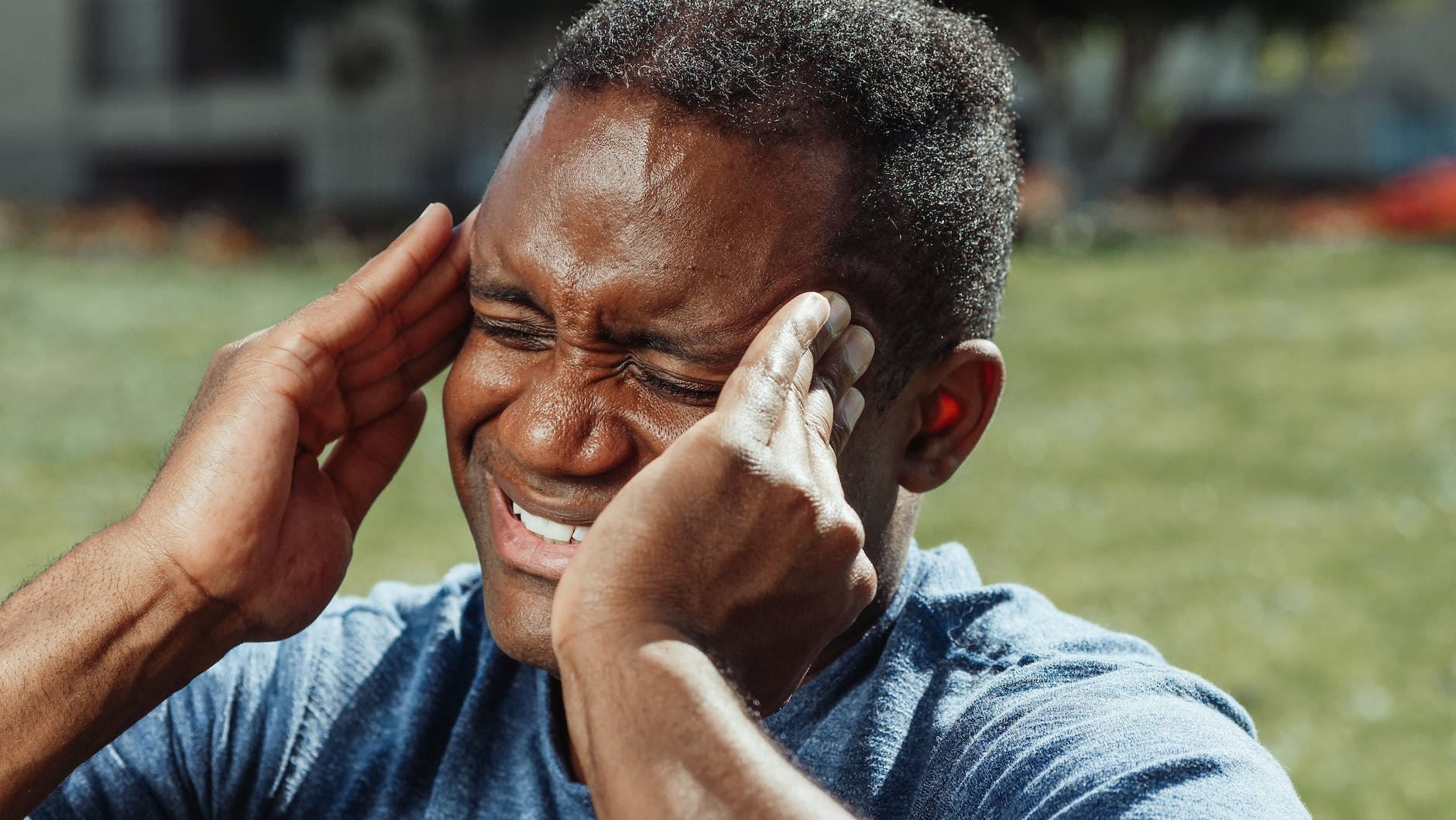
A headache that causes a pulsing sensation or severe throbbing, typically on one side of the head, is a migraine. Pain from migraines can be so powerful that they can interfere with your daily routine and last from hours to days (Mayo Clinic, 2021). Stress is a common cause for migraines, and a way to deal with it is to figure out what causes unnecessary stress and work on soothing methods to prevent stress.

The American Migraine Foundation offers some tips to avoid migraines:

  • Irregular Sleep – Try to get at least 8 hours of uninterrupted sleep
  • Hormonal Changes – Lifestyle changes or even birth control can aid with balancing hormone levels
  • Foods – Try to think about what you have eaten prior to a migraine and see if avoiding that food helps
  • Caffeine & Alcohol – Know your limits and avoid drinking either in excess
  • Dehydration – When you feel the onset of a migraine, try drinking at least 8-10 oz. of water
  • Light & Smell – If you frequently get migraines after going to certain places, try changing the lighting or air fresheners
  • Medication – If you find that after starting a new medication you are having migraines, talk to your doctor about alternative options

One way to prevent migraines is try to keep up with a diary or tracking plan to document what you are doing and eating before and when your migraine starts. Migraines can cause so much discomfort. I dislike when I have a typical headache, so I can’t imagine what someone goes through who experiences migraines often. On a positive note, it is helpful that there are ways that people can prevent migraines. Do you experience migraines? If so, what are your triggers and coping measures? Share your experiences with us here and join the discussion on Facebook here.

References:

Migraine – Symptoms and causes. (2021, July 2). Mayo Clinic. https://www.mayoclinic.org/diseases-conditions/migraine-headache/symptoms-causes/syc-20360201

American Migraine Foundation. (2017, July 27). Top 10 Migraine Triggers and How to Deal with Them | AMFhttps://americanmigrainefoundation.org/resource-library/top-10-migraine-triggers/


OUCH! Tips on Treating Wasp Stings

By Jessica Feagin | UAB Community Health & Human Services Intern

Photo by Pixabay on Pexels.com

My 5-year-old son was playing in the backyard one afternoon, and he came into the house crying, saying he had been stung by a wasp. I immediately comforted him because I remembered the pain I felt when I was stung by a wasp as a child. The side of his face where he was stung had a welt and turned red. That side of his face had also swollen. I immediately researched how to treat a wasp sting to ensure my son would feel better.

Wasp stings are common and only sting when irritated by a person or their nest has been disturbed. Wasps keep their stinger. Therefore, they can sting several times. During a sting, wasps will also inject venom into the skin. Although painful and causes some discomfort, wasp stings can be treated at home. The pain from a wasp sting typically doesn’t last any more than one day, and swelling can last a couple of days. Symptoms of wasp stings can include pain in the area where it stung, redness, swelling, itching, and possibly hives if you have a reaction to the sting. Seek medical attention if you have been stung in the throat, nose, or mouth or experience life-threatening allergic reactions such as tightness in the throat or chest, uncontrolled coughing, profuse sweating, hives over large areas of the body, and dizziness or fainting (WebMD Editorial Contributors, 2020). WebMD (2020) has made some suggestions on how to treat a wasp sting at home:

  • Wash the sting area with warm soap and water to remove any venom or bacteria the wasp could have carried.
  • Apply a cold compress for about 30 to 60 minutes, with intervals of 10 minutes on and off, to reduce pain and swelling from the wasp sting.
  • Take an anti-inflammatory medication like ibuprofen to help relieve pain from the sting.
  • Apply an antihistamine such as a corticosteroid or calamine lotion to relieve itchiness in the area.

Wasp stings are common, but do not let that prevent you or your children from playing outdoors. Wasp will sting you as a self-defense mechanism, so you must avoid them. However, if you or a loved one is stung by a wasp, there are home remedies that will help relieve the discomforts that come from the sting.

References

WebMD Editorial Contributors. (2020, November 20). Remedies for wasp stings. WebMD. https://www.webmd.com/skin-problems-and-treatments/remedies-wasp-sting


H2O! Ways to sneak water into your diet.

By Jessica Feagin | UAB Community Health & Human Services Intern

Photo by Wagner Soares on Pexels.com

The human body comprises around 60% water. The most common recommendation for water intake is to consume at least 64 ounces daily, which is broken down to 8 glasses at 8 oz. each. There needs to be more science behind the specific recommendation, as things such as weight can impact the recommendation. However, it is most important to stay hydrated and drink water. Some other benefits of drinking water are that it helps maximize physical performance, significantly affects energy levels and brain function, prevents and treats headaches, treats kidney stones, and helps prevent hangovers (Leech, n.d.).

We all know that drinking water plays several roles in the body and is needed for optimal health. However, it can sometimes take time to consume adequate amounts of water. Here are some tips to help you drink more water (ShoemakerN & LD, n.d.):

  • It is essential to understand your body’s fluid needs. Although not science-based, drinking eight glasses of water a day is commonly recommended.
  • Set a daily goal for your water intake. It can be motivating and more likely to make lasting positive changes.
  • Keep a reusable water bottle with you during the day.
  • Set reminders to drink more water using your smartphone alarm or app.
  • Replace other drinks, such as soda, with water.
  • Drink a glass of water before each meal.
  • Add flavor to your water, such as lemons, limes, strawberries, and cucumbers. You can also purchase water enhancers.
  • Drink a glass of water at work every hour.
  • Sip on water throughout the day.
  • Eat more water-rich foods like lettuce, celery, zucchini, cabbage, watermelon, cantaloupe, and honeydew melon.
  • Drink a glass of water when you wake up and before bed.

Plain and simple, we need water to survive. Staying adequately hydrated is one of the simplest ways to improve overall wellness and health. So, H2O, we got to have it!

References:

Leech, J. (n.d.). 7 reasons why you should drink more water. Healthline. https://www.healthline.com/nutrition/7-health-benefits-of-water

ShoemakerN, S., & LD. (n.d.). 12 simple ways to drink more water. Healthline. https://www.healthline.com/nutrition/how-to-drink-more-water

Water and healthier drinks. (2022, June 6). Centers for Disease Control and Prevention. https://www.cdc.gov/healthyweight/healthy_eating/water-and-healthier-drinks.html


Let’s Get Physical- The Importance of Physical Activity

By Angela Wilson | UAB Community Health & Human Services Intern

Photo by Kate Trifo on Pexels.com

Engaging in physical activity on a regular basis is one of the most important things you can do to improve your health.   Many people do not realize the tremendous benefits that physical activity provides to the body.  Not only does it help with weight management, but it also improves brain health, strengthen bones and muscles, and reduces the risks of diseases (CDC, 2020). 

Physical activity is movement that consumes energy and works your muscles. Many people may think that physical activity has to be traditional activities such as jumping jacks or running on a treadmill, but physical activity is expressed in many ways including dancing, swimming, yardwork, yoga, riding a bicycle, aerobic exercise, and even ascending and descending stairs in your home. The Center for Disease Control and Prevention recommends getting at least 150 minutes a week of moderate physical activity.  This calculates to 30 minutes a day, 5 days a week.  Being physically active can benefit everyone regardless of age, shape, ethnicity, size, or shape (CDC, 2020).

Heart disease and stroke are the two leading causes of death in the United States, and getting the proper amount of physical activity can significantly lower the risks for these diseases (CDC, 2022). The heart is a muscle that needs exercise (like all our other muscles).  Engaging in physical activity allows the heart to pump blood throughout the body freely, without straining and maximizes its optimal efficiency.   Physical activity promotes insulin sensitivity and helps control glucose levels, thereby lowering the risk of Type 2 Diabetes. Also, as people get older, they lose muscle mass and strength.  Muscle-strengthening exercises (such as lifting weights, push-ups, sit-ups, squats, and working with resistance bands), helps you maintain muscle mass and keeps your bones and joints healthy. This allows you the ability to be physically active and mobile.  Lastly, physical activity can help keep your cognitive skills crisp by improving your thinking, learning, and judgment.  It can also help with anxiety, depression, and improve the quality of sleep. 

Now that you know a few of the benefits that regular activity provides, what are you waiting for?  Let’s Get Physical (Olivia Newton John music playing)! So what do you do to exercise or improve your fitness? What activities do you regularly enjoy? Leave your comments below and join us on Facebook here.

References:

Center for Disease Control and Prevention. Benefits of Physical Activity. (2022). https://www.cdc.gov


Discovering the Benefits of Getting a Massage

By Jessica Feagin | UAB Community Health and Human Services Intern

Photo by cottonbro studio on Pexels.com

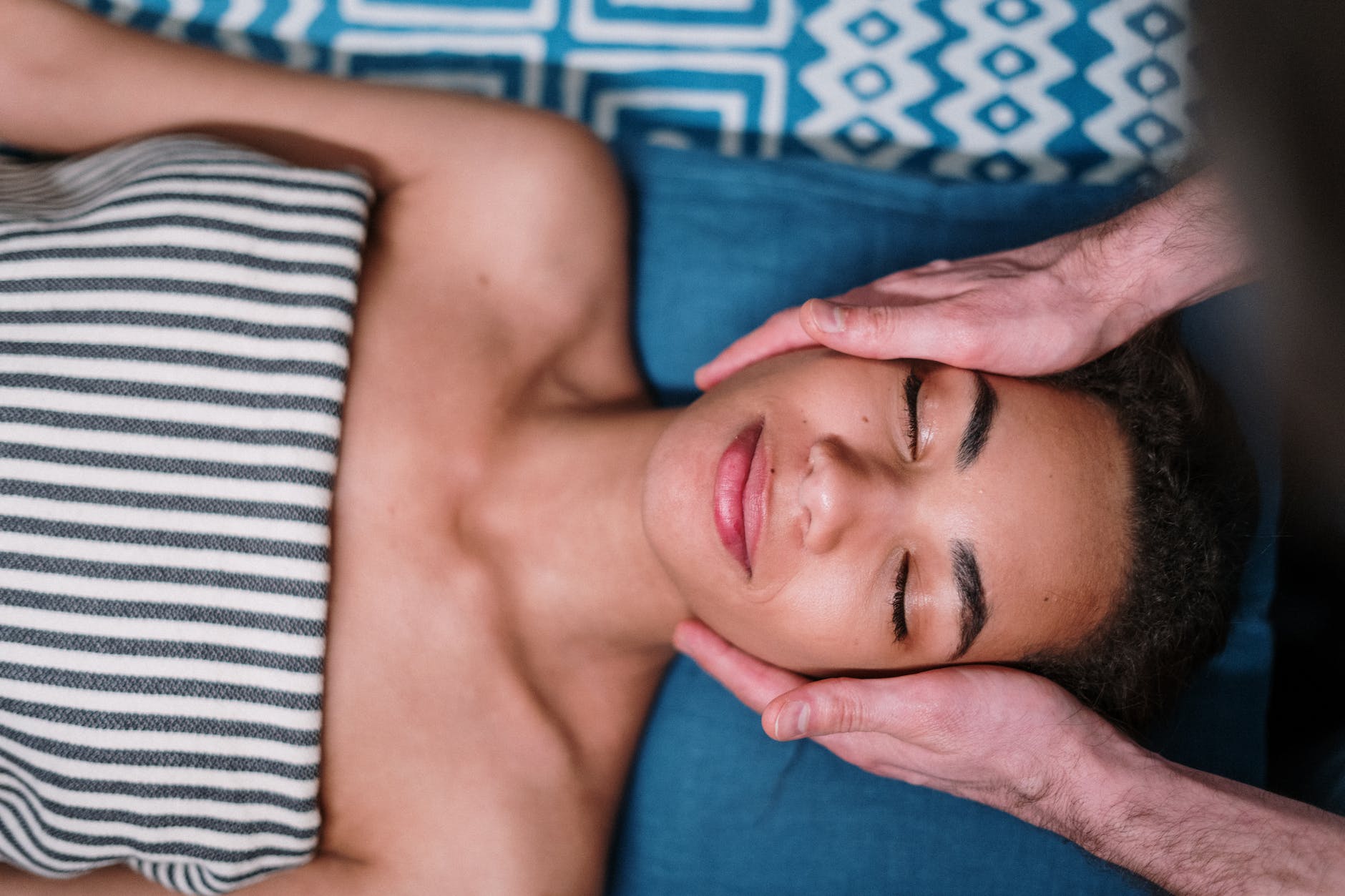
A self-care activity that I incorporate into my life is massages. If you are sore or stressed, a massage can relieve pain, promote relaxation, and ease muscle tension. There are many types of massages, such as Swedish, deep tissue, sports, trigger point, lymphatic, and prenatal massages (Schneik, 2022). A professional massage therapist can choose the best type of massage to cater to your needs.

Massages provide a broad range of physical and mental benefits. They can reduce anxiety and stress by lowering your cortisol stress hormone and increasing serotonin levels, (the feel-good hormone). These hormones can promote feelings of relaxation and calmness. Massages can relieve pain and muscle tension by promoting blood flow, and loosening tight muscles. They can also improve circulation throughout the body, help reduce inflammation, and promote healing. Other benefits include boosting immunity by increasing the activity of white blood cells and can help the body fight off infection. Studies show that a massage also help improve sleep by promoting relaxation and reducing anxiety and stress (Schneik, 2022). This is not recommended if you are pregnant, suspect any fractures or broken bones, have a life-threatening illness, or have any active skin rashes or infections (“Massage,” n.d.).

Many massage facilities provide services in Birmingham, Alabama, but my favorite place to get massages is Life Touch Massage. They provide professional, quality, and affordable massage therapy. If you live in Birmingham, AL, or surrounding areas, visit them at 1223 2nd Avenue S, Birmingham, AL, 35233. Do you include massage therapy in your self-care routine and recommend any massage parlors?

References

Massage. (n.d.). Better Health Channel – Better Health Channel. https://www.betterhealth.vic.gov.au/health/conditionsandtreatments/massage

Schneik. (2022, June 29). Everything you need to know about massage therapy. Cleveland Clinic. https://health.clevelandclinic.org/benefits-of-massage


Is it a Virus or Food Poisoning?

Amanda Benko | Intern UAB School of Education – CHHS

Photo by Sora Shimazaki on Pexels.com

Have you ever had your stomach feeling off? If yes, I’m sure you will agree that at that moment, you are not focused on the reasons for the increased emergency. All that you want is to start feeling better. However, figuring out whether you have stomach flu or food poisoning will inform your best action plan and enable you to understand how long you will have the awful feeling. As noted by De Marco et al. (2019), stomach flu is usually quite common, and like several viruses, it can be passed around by groups of people who gather close to one another. The virus can easily be passed if you are in an enclosed space and in close contact with one another, for example, on a cruise ship (or daycare).

On the other hand, food poisoning often originates from food. For instance, when food sits out too long without refrigeration or is not properly cooked, bacteria can grow in the food. Sometimes, it can be very hard to distinguish between food poisoning and stomach flu since these conditions share many symptoms (Aljamali, 2021). The main side effect of both is diarrhea – watery or bloody. You can also experience vomiting and nausea, while some may develop chills and fever in both cases. However, the major difference between the two is when the symptoms begin after exposure and how long the symptoms would last. In most cases, stomach flu may take around 24 to 48 hours incubation period within your system before it starts showing symptoms. Nevertheless, food poisoning comes quickly, around 2-6 hours after eating spoiled food (Aljamali, 2021). If you are on a picnic and everyone eats the same food, many people will likely experience the same symptoms. You can easily identify food poisoning because the symptoms may start after a more recent event.

Some common symptoms of stomach flu are nausea, diarrhea, and vomiting. Stomach flu can also cause fever and chills. Other symptoms include body aches, stomach pain, and headache. However, you will mainly experience nausea and particularly diarrhea. With food poisoning, you can also experience vomiting and diarrhea, although it can be more severe compared to stomach flu. Occasionally, you can get a fever as well. Other symptoms include an upset stomach and stomach cramps. Whenever you feel these symptoms, seeking proper medical attention and staying hydrated is essential. Some have found that ginger helps reduce nausea as well. What remedy do you know of to help battle an upset stomach?

References

Aljamali, N. M. (2021). Review on food poisoning (types, causes, symptoms, diagnosis, treatment). Global Academic Journal of Pharmacy and Drug Research3(4), 54-61.

De Marco, R., Shankar, S., Rosenbaum, J., & Efron, D. (2018). A Case of the Stomach Flu. Journal of Paediatrics and Child Health54(2), 214-214.


Good Sleep Matters!

By Jessica Feagin, Intern and UAB Community Health and Human Services Student

Photo by Andrea Piacquadio on Pexels.com

Getting proper and sound sleep is essential for everyone. It improves your health, brain performance, and mood. Not getting regularly appropriate and good sleep can increase the risk of many disorders, including stroke and heart disease, dementia, and obesity. We need quality sleep because sleep helps the brain prepare to learn, create, and remember (NIH, 2022).

When you’re sleeping, essential tasks that benefit your physical health by your body and brain are performed. For example, your immune system releases proteins called cytokines, which defend against inflammation and illnesses. When you’re sick, these proteins increase in your body; however, when you’re sleep-deprived, the production of cytokines may dip, making you more vulnerable to viruses and colds. Good sleep is also beneficial for your heart. When you sleep, your heart rate and blood pressure decrease, allowing your cardiovascular system to slow down (Juli Fraga, 2022)

As a woman, we have heard about “getting your beauty rest.” Good sleep benefits your skin. When you’re asleep, collagen is produced, a protein that prevents wrinkles and repairs the skin. Conversely, insufficient sleep can produce cortisol, making your eyes red and puffy and causing skin flare-ups (Juli Fraga, 2022).

The Centers for Disease Control and Prevention (CDC) recommends that adults ages 18-60 get seven or more hours of sleep per night. Tips provided by the CDC (2022) for better sleep are to:

  • Be consistent by going to bed at the same time at night and waking up at the same time each morning
  • Make sure your bedroom is relaxing, dark, quiet, and at a comfortable temperature
  • Remove all electronic devices from the bedroom
  • Avoid alcohol, large meals, and caffeine before bed
  • Exercise during the day to help you fall asleep more easily at night

Lack of proper sleep can impact your body in many ways. What tips do you have for those struggling to get a good night’s sleep?

References

Centers for Disease Control and Prevention. (2022b, September 13). Tips for better sleep. Centers for Disease Control and Prevention. https://www.cdc.gov/sleep/about_sleep/sleep_hygiene.html

Juli Fraga, Psy. D. (2022, February 25). Why sleep matters more than ever. Sleep.com. https://www.sleep.com/sleep-health/why-sleep-matters-more-than-ever

U.S. Department of Health and Human Services. (2022, July 15). Good sleep for good health. National Institutes of Health. https://newsinhealth.nih.gov/2021/04/good-sleep-good-health


The City of Birmingham 2nd Annual Mental Health Day

By Wilkinson Wellness Lab Team

Join the Wilkinson Wellness Lab and PHAME-US.com team at this community event sponsored by Nuture, LLC, the City of Birmingham, AL and Birmingham City Schools. The event is free and open to the public.

Nurture of Alabama believes Birmingham can thrive, especially if communities address the mental health crisis experienced in our neighborhoods. Through the event Friday, May 19th, Nurture’s goals are to: 1) remove the stigma of mental health support, 2) improve mental health services accessibility, and 3) provide community education on mental health & wellness.

The event will have chair massages, a licensed professional counselor providing depression screenings, speakers,  free resources, giveaways, local food trucks,  yoga sessions, line dancing, blood pressure checks and more. So come out, have a good time, and let’s engage in mental wellness!


Standing more at work to improve your health!

By Dr. Larrell L. Wilkinson | Wilkinson Wellness Lab

Photo by Anna Nekrashevich on Pexels.com

Standing while at work can improve your health! A study from a group of scientists at the University of Pittsburgh showed that on average, a person burned 8 more calories standing versus sitting at work (Creasy, Rogers, Byard, Kowalsky, & Jakicic, 2016). This may not sound like a lot, but if standing half the time during an 8 hour workday, after one week a person will have burned (used) 160 calories, about the standard serving size of Oreo cookies or Lay’s Classic Potato Chips. Again, this may not sound like a lot, but every little bit helps, Right?

Calories are how we measure energy and describes the energy we get from eating food and drinking. Calories don’t measure weight or length. Instead, we burn (use) calories when we exercise, walk, and perform regular movements throughout the day. Another way to burn calories is to simply, STAND. Also, there are other benefits to standing more during the day! Experts from the the Centers for Disease Control and Prevention (CDC) (Chosewood & Franklin, 2012) found that using sit-stand workstations did the following:

  • Standing more while at work decreases the amount of time spent in sedentary work
  • Standing more helps relieve pressure on the lower back, buttocks and legs, and may help reduce compression of the spine arising from long periods of sitting
  • Standing more may improve energy levels
  • Standing more frequently may improve cognition
  • Standing may increase circulation and lead to better blood flow to the brain and other organs
  • Standing more burns more calories than sitting
  • Standing more may assist with energy balance and aid in weight management
  • Standing more may improve bone density over time
  • Standing more may promote better sleep

So what about you? Are you standing more? Are you willing to stand more? How will you stand more during the day? Share your story about standing or the different ways you move here in the comments section and/or share with us on Facebook, Instagram, and Twitter.

References
Chosewood, L.C. & Franklin, C.C. (2012, December 5). NIOSH takes a stand. NIOSH Science Blog. https://blogs.cdc.gov/niosh-science-blog/2012/12/05/sit-stand/.

Creasy, S. A., Rogers, R. J., Byard, T. D., Kowalsky, R. J., & Jakicic, J. M. (2016). Energy Expenditure During Acute Periods of Sitting, Standing, and Walking. Journal of physical activity & health13(6), 573–578. https://doi.org/10.1123/jpah.2015-0419