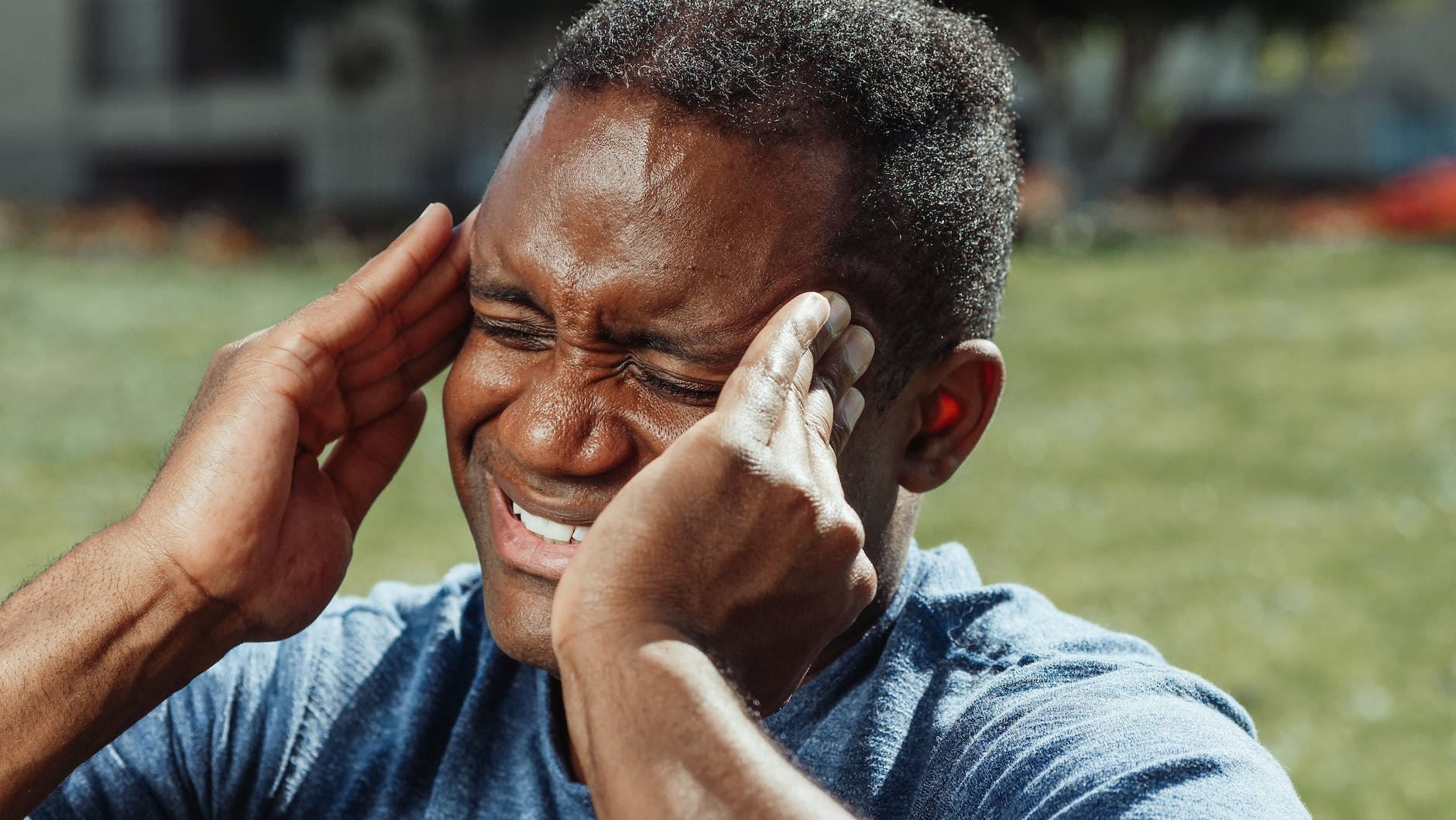
Dementia: It is Not a Normal Part of Aging

By Reginia Dodson | UAB Community Health and Human Services Intern

Photo by t4hlil on Pexels.com

With this disease becoming more and more common in the United States of America, people tend to think it is a normal part of aging when it is not. Dementia is at an all-time high today in the elderly community and is common in those at least 65. There were an estimated 5.0 million adults with dementia in 2014, projected to be nearly 14 million by 2060 (CDC, 2022).  Honestly, this may be one of the most heartbreaking disorders because it doesn’t only affect the person with the disorder but also the person’s loved ones. Watching a parent or grandparent slowly forget everything is a hard pill to swallow. Forgetting memories is tough, but it may not be as bad if you compare it to forgetting how to take care of yourself, forgetting your name, forgetting your family/friends, or even forgetting what year it is.

There are some risk factors when it comes to dementia. The first risk of dementia is age. The most substantial known risk factor for dementia is increasing age, with most cases affecting those 65 years and older. There also seems to be a link in heritage regarding dementia. Those with parents or siblings with dementia are more likely to develop dementia themselves. Some races or ethnic groups have a higher chance of developing dementia. Older African Americans are twice more likely to have dementia than whites. Hispanics are 1.5 times more likely to have dementia than whites. A person’s heart health has also put a highlight on dementia.  High blood pressure, high cholesterol, and smoking increase the risk of dementia if not appropriately treated. Lastly, another major contributor to dementia is a traumatic head injury, mainly if it occurs repeatedly (CDC, 2022). Sadly, there is no cure for dementia. Only a matter of keeping that person comfortable or in a calm state.

References

What is dementia? | CDC. (2022, October 5). Centers for Disease Control and Prevention. https://www.cdc.gov/aging/dementia/index.html


Ouch…Mosquito Bites Can Cause Inflammation

By Ashley Peoples| UAB Community Health and Human Services Intern

Photo by Jimmy Chan on Pexels.com

Have you ever wondered why mosquito bites cause inflammation? I may have the answer. When mosquitoes bite you, they typically bite off the part of the skin that is not covered by clothes. This leaves that bitten area of the skin red or inflamed, and a bump forms. The bump becomes swollen due to the mosquitoes feeding off your blood. According to the Mayo Clinic (2022) website, “Mosquito bites are caused by female mosquitoes feeding on your blood.”

Once the mosquito bites and ingests your blood, saliva is injected into your skin. Their saliva causes a reaction in your immune system that results in itching. According to researchers from the Mayo Clinic (2022), “The saliva triggers an immune system reaction that results in the classic itching and a bump.” The ways to prevent this are by lessening your exposure to mosquitoes, fixing tears or issues in screen windows, and placing a mosquito net over your sleeping area if you are sleeping outdoors.

Use effective insect repellents with ingredients such as DEET, oil of lemon eucalyptus, and para-menthane-diol (PMD). Wearing protective clothing will help as well, such as a hat, long sleeve shirts, and pants. Using preventive medicine is helpful to prevent inflammation from mosquitoes. Vaccinations and medications that help prevent inflammation and reactions from mosquitoes are available by talking to your doctor. You can reduce mosquitoes around your home by regularly emptying outdoor flowerpots, unclogging roof gutters, getting rid of old tires in the yard, and emptying your children’s wading pools often.

  Mosquitoes bite during the day and at night. No one likes getting bitten by mosquitoes, so take control of the protection of your skin and be proactive by taking the necessary steps to protect yourself from mosquito bites.

References

Mayo Foundation for Medical Education and Research. (2022, October 26). Mosquito bites. Mayo Clinic. https://www.mayoclinic.org/diseases-conditions/mosquito-bites/symptoms-causes/syc-20375310


Ladies…When Aunt Flo is Too Heavy

By Ashley Peoples| UAB Community Health & Human Services Intern

Photo by Karolina Grabowska on Pexels.com

Ladies, how is the flow of your period? It is considered menorrhagia when the period is heavy and lasts for more than seven days. If bleeding heavily, your pad or tampon should be changed often. For example, if you are clotting or bleeding heavily, your pad or tampon should be changed every two hours. According to Bleeding Disorder in Women, “If you need to change your tampon or pad after less than 2 hours or pass clots the size of a quarter or larger, that is heavy bleeding. If you have this type of bleeding, you should see a doctor” (CDC, 2023).

If your heavy periods are not treated, your quality of life can be affected. Some possible causes of heavy menstrual bleeding are tumors, such as fibroids, that are not cancerous. Cancer in the uterus and cervix, certain types of birth control, and hormone-related problems can also cause heavy bleeding. Some tests can be used to understand why you are bleeding heavily. Some of the tests that can be used are blood, pap, and ultrasound tests. A blood test is used to check for anemia, problems with the way blood clots, and thyroid problems. Pap tests check for cancer by taking cells from the cervix to examine under a microscope for signs of cancer. An ultrasound test uses sound waves and a computer to show what your blood vessels, tissues, and organs look like and how they work and affect your blood flow (CDC, 2023).

 Treatment for heavy periods depends on the cause of the bleeding and how serious it is. Your physician may suggest taking an over-the-counter medicine such as ibuprofen. NSAIDs, such as ibuprofen, can help reduce pain and the amount of bleeding. If you are showing signs of anemia, iron supplements can be used to get more iron into your blood to help it carry oxygen. Birth control pills can also make periods more regular and reduce the amount of bleeding.  Surgery may be required in some cases where bleeding is heavy to the point of affecting the quality of life.

Heavy-period bleeding is not discussed as much as it should be, and we must address this. Ladies, your period health is essential and part of your overall well-being. You do not have to be afraid to discuss this sensitive topic that needs your attention. Take care of yourself and your period health.

References

Centers for Disease Control and Prevention. (2023b, June 23). Heavy menstrual bleeding. Centers for Disease Control and Prevention. https://www.cdc.gov/ncbddd/blooddisorders/women/menorrhagia.html


Stretch It Out – The Health Benefits of Stretching

By Jessica Feagin | UAB Community Health & Human Services Intern

Photo by Ketut Subiyanto on Pexels.com

Exercise is essential, but stretching is just as important. You can stretch anywhere and at any time. Stretching keeps the muscles healthy, strong, and flexible to maintain the range of motion in the joints. Stretching provides other health benefits, such as improving posture, reducing stress and body ache, and so much more.

Stretching regularly can help increase flexibility to perform daily living activities easily. Stretching increases the range of motion, giving more movement freedom. It improves physical activity performance to prepare muscles for exercise or athletic events. Regular stretching improves circulation by increasing blood flow to the muscles. This increased blood flow to the muscles can decrease muscle soreness. Stretching certain muscle groups can reduce pain and improve posture. When muscles tense up related to stress, stretching those areas of the body can help with stress relief. During your stretching routine, focus on meditation exercises, giving your mind a mental break and a sense of calmness. Stretching also helps decrease tension headaches by reducing the tension felt from headaches (Lindberg, n.d.) Stretching is good for the brain, it increases serotonin levels, a hormone that reduces stress and stabilizes the mind (Payton, 2023).

According to the stretching guidelines that the American College of Sports Medicine published, stretching at least two to three times a week is recommended, targeting each major muscle group. Holding a stretching for 10-30 is recommended for most adults (ACSM Blog, 2021). Daily stretching is safe and effective as well.

It is vital to warm up before stretching to prevent injuries. Also, avoid overstretching, to which pain will be felt rather than just a slight pull. Overstretching, stretching the same muscles too often, or bouncing during stretching should be avoided to prevent injury from a strain or sprain (Geng, 2022). Stretching has many health benefits when done correctly. Let us make a daily habit of stretching. Your body and mind will appreciate it.

References:

ACSM Blog. (2021, March 18). ACSM_CMS. https://www.acsm.org/blog-detail/acsm-certified-blog/2021/03/18/stretching-and-flexibility-guidelines-update

Geng, C. (2022, March 30). 9 benefits of stretching. https://www.medicalnewstoday.com/articles/benefits-of-stretching

Lindberg, S. (n.d.). 9 benefits of stretching: How to start, safety tips, and more. Healthline. https://www.healthline.com/health/benefits-of-stretching

Payton, L. T. (2023, January 6). The mental and physical benefits of stretching: What this essential part of your workout does for your brain and body. Fortune Wellhttps://fortune.com/well/2023/01/06/health-benefits-of-stretching/


Is Dark Chocolate Good for You?

Amanda Benko | UAB Community Health & Human Services Intern

Photo by Vie Studio on Pexels.com

Dark chocolate is a delightful treat, but research shows it might be great for the heart. Let’s delve into the potential health benefits of consuming dark chocolate.

Research shows that dark chocolate contains compounds called flavanols that have been linked to heart health. Flavanols are a type of polyphenol, a natural compound with antioxidant properties that protect cells against harm caused by free radicals (Heart, 2019). Additionally,  flavanols improve the bloodstream to the heart, diminish blood pressure, and decrease the chance of blood clots. Flavanols in dark chocolate may also help reduce inflammation in the body, which is related to numerous chronic diseases, including heart disease.

While dark chocolate may have potential health benefits for the heart, it is essential to note that it is still high in calories and should be consumed in moderation (Mayo Clinic, 2022). Remember, consuming excessive amounts of chocolate, especially those containing high sugar and fat, can lead to weight gain and increase the chances of other health issues. Additionally, those with certain health conditions, such as diabetes, should be cautious and discuss alternative approaches to heart health with their doctor.

In conclusion, though research is making favorable discoveries linking dark chocolate to heart health, it is essential to enjoy dark chocolate sensibly and be careful of components such as included sugars and fats. 

References

Heart. (2019). Are there health benefits from chocolate? http://Www.heart.org. https://www.heart.org/en/news/2019/02/12/are-there-health-benefits-from-chocolate

Mayoclinic. (2022). Choose dark chocolate for your heart. Mayo Clinic Health System. https://www.mayoclinichealthsystem.org/hometown-health/speaking-of-health/choose-dark-chocolate-for-your-heart.


Migraine headaches and useful tips to avoid them

By Jessica Feagin | UAB Community Health & Human Services Intern

Photo by Kindel Media on Pexels.com

My oldest sister suffers from migraines often and on any day in which she experiences them, her whole day is impacted. She discovered that one issue causing migraines is eating cheese, so she rarely eats it. I love cheese, so I feel bad for her. Her experience with migraines made me want to look more into their triggers and how to deal with them.

A headache that causes a pulsing sensation or severe throbbing, typically on one side of the head, is a migraine. Pain from migraines can be so powerful that they can interfere with your daily routine and last from hours to days (Mayo Clinic, 2021). Stress is a common cause for migraines, and a way to deal with it is to figure out what causes unnecessary stress and work on soothing methods to prevent stress.

The American Migraine Foundation offers some tips to avoid migraines:

  • Irregular Sleep – Try to get at least 8 hours of uninterrupted sleep
  • Hormonal Changes – Lifestyle changes or even birth control can aid with balancing hormone levels
  • Foods – Try to think about what you have eaten prior to a migraine and see if avoiding that food helps
  • Caffeine & Alcohol – Know your limits and avoid drinking either in excess
  • Dehydration – When you feel the onset of a migraine, try drinking at least 8-10 oz. of water
  • Light & Smell – If you frequently get migraines after going to certain places, try changing the lighting or air fresheners
  • Medication – If you find that after starting a new medication you are having migraines, talk to your doctor about alternative options

One way to prevent migraines is try to keep up with a diary or tracking plan to document what you are doing and eating before and when your migraine starts. Migraines can cause so much discomfort. I dislike when I have a typical headache, so I can’t imagine what someone goes through who experiences migraines often. On a positive note, it is helpful that there are ways that people can prevent migraines. Do you experience migraines? If so, what are your triggers and coping measures? Share your experiences with us here and join the discussion on Facebook here.

References:

Migraine – Symptoms and causes. (2021, July 2). Mayo Clinic. https://www.mayoclinic.org/diseases-conditions/migraine-headache/symptoms-causes/syc-20360201

American Migraine Foundation. (2017, July 27). Top 10 Migraine Triggers and How to Deal with Them | AMFhttps://americanmigrainefoundation.org/resource-library/top-10-migraine-triggers/


H2O! Ways to sneak water into your diet.

By Jessica Feagin | UAB Community Health & Human Services Intern

Photo by Wagner Soares on Pexels.com

The human body comprises around 60% water. The most common recommendation for water intake is to consume at least 64 ounces daily, which is broken down to 8 glasses at 8 oz. each. There needs to be more science behind the specific recommendation, as things such as weight can impact the recommendation. However, it is most important to stay hydrated and drink water. Some other benefits of drinking water are that it helps maximize physical performance, significantly affects energy levels and brain function, prevents and treats headaches, treats kidney stones, and helps prevent hangovers (Leech, n.d.).

We all know that drinking water plays several roles in the body and is needed for optimal health. However, it can sometimes take time to consume adequate amounts of water. Here are some tips to help you drink more water (ShoemakerN & LD, n.d.):

  • It is essential to understand your body’s fluid needs. Although not science-based, drinking eight glasses of water a day is commonly recommended.
  • Set a daily goal for your water intake. It can be motivating and more likely to make lasting positive changes.
  • Keep a reusable water bottle with you during the day.
  • Set reminders to drink more water using your smartphone alarm or app.
  • Replace other drinks, such as soda, with water.
  • Drink a glass of water before each meal.
  • Add flavor to your water, such as lemons, limes, strawberries, and cucumbers. You can also purchase water enhancers.
  • Drink a glass of water at work every hour.
  • Sip on water throughout the day.
  • Eat more water-rich foods like lettuce, celery, zucchini, cabbage, watermelon, cantaloupe, and honeydew melon.
  • Drink a glass of water when you wake up and before bed.

Plain and simple, we need water to survive. Staying adequately hydrated is one of the simplest ways to improve overall wellness and health. So, H2O, we got to have it!

References:

Leech, J. (n.d.). 7 reasons why you should drink more water. Healthline. https://www.healthline.com/nutrition/7-health-benefits-of-water

ShoemakerN, S., & LD. (n.d.). 12 simple ways to drink more water. Healthline. https://www.healthline.com/nutrition/how-to-drink-more-water

Water and healthier drinks. (2022, June 6). Centers for Disease Control and Prevention. https://www.cdc.gov/healthyweight/healthy_eating/water-and-healthier-drinks.html


Let’s Get Physical- The Importance of Physical Activity

By Angela Wilson | UAB Community Health & Human Services Intern

Photo by Kate Trifo on Pexels.com

Engaging in physical activity on a regular basis is one of the most important things you can do to improve your health.   Many people do not realize the tremendous benefits that physical activity provides to the body.  Not only does it help with weight management, but it also improves brain health, strengthen bones and muscles, and reduces the risks of diseases (CDC, 2020). 

Physical activity is movement that consumes energy and works your muscles. Many people may think that physical activity has to be traditional activities such as jumping jacks or running on a treadmill, but physical activity is expressed in many ways including dancing, swimming, yardwork, yoga, riding a bicycle, aerobic exercise, and even ascending and descending stairs in your home. The Center for Disease Control and Prevention recommends getting at least 150 minutes a week of moderate physical activity.  This calculates to 30 minutes a day, 5 days a week.  Being physically active can benefit everyone regardless of age, shape, ethnicity, size, or shape (CDC, 2020).

Heart disease and stroke are the two leading causes of death in the United States, and getting the proper amount of physical activity can significantly lower the risks for these diseases (CDC, 2022). The heart is a muscle that needs exercise (like all our other muscles).  Engaging in physical activity allows the heart to pump blood throughout the body freely, without straining and maximizes its optimal efficiency.   Physical activity promotes insulin sensitivity and helps control glucose levels, thereby lowering the risk of Type 2 Diabetes. Also, as people get older, they lose muscle mass and strength.  Muscle-strengthening exercises (such as lifting weights, push-ups, sit-ups, squats, and working with resistance bands), helps you maintain muscle mass and keeps your bones and joints healthy. This allows you the ability to be physically active and mobile.  Lastly, physical activity can help keep your cognitive skills crisp by improving your thinking, learning, and judgment.  It can also help with anxiety, depression, and improve the quality of sleep. 

Now that you know a few of the benefits that regular activity provides, what are you waiting for?  Let’s Get Physical (Olivia Newton John music playing)! So what do you do to exercise or improve your fitness? What activities do you regularly enjoy? Leave your comments below and join us on Facebook here.

References:

Center for Disease Control and Prevention. Benefits of Physical Activity. (2022). https://www.cdc.gov


Are College Students Using Health Resources?

By Terrie Johnson | UAB Community Health & Human Services Intern

Photo by Zen Chung on Pexels.com

Health resources on campus provide an opportunity for students to seek critical care services. For example, the available health clinics extend care paradigms such as urgent care when possible. Often, the health resources are paid for by the university through fees or are covered through health insurance. In some cases, students may make use of the health resources when they feel the urge to attend to their care needs. This inclination is dependent on varied factors that facilitate visitation to campus clinics.

The health resources available on campus are meant to fulfill students’ healthcare needs. In most cases, they are equipped to provide primary care services to the target population. Many students take advantage of the healthcare resources on campus. However, their frequency of utilizing facilities, such as care clinics, varies. According to Nunez (2022), 78 percent of university students use their health resources on campus at least once a year. This statistic indicates that more than half of the target population seeks care services from a university’s care facility. However, the intervals are widely spread, which indicates that students sparingly use their health resources available on campus. From a critical perspective, there is a gap that should be filled through revolutionary strategies.

Increasing the rate of using campus health resources among university students could be increased by educating them on the benefits. It is critical to outline to the target population that they can access primary care when needed. Other than this service, they can be provided with gynecology checkups or medical assessments to promote their well-being. University students can also be made aware of the availability of mental health counseling in their campus health resources. The above awareness drive will increase participation in the available resources to improve students care outcomes.

Are you (or did you) use the resources available on your college campus?

References

Nunez, K. (2022). PSA: Don’s sleep on the campus health center when you’re in college. Self. Retrieved from https://www.self.com/story/take-advantage-of-student-health-center#:~:text=(Though%2078%25%20of%20students%20do,to%20health%20insurance%20at%20all.


Is it a Virus or Food Poisoning?

Amanda Benko | Intern UAB School of Education – CHHS

Photo by Sora Shimazaki on Pexels.com

Have you ever had your stomach feeling off? If yes, I’m sure you will agree that at that moment, you are not focused on the reasons for the increased emergency. All that you want is to start feeling better. However, figuring out whether you have stomach flu or food poisoning will inform your best action plan and enable you to understand how long you will have the awful feeling. As noted by De Marco et al. (2019), stomach flu is usually quite common, and like several viruses, it can be passed around by groups of people who gather close to one another. The virus can easily be passed if you are in an enclosed space and in close contact with one another, for example, on a cruise ship (or daycare).

On the other hand, food poisoning often originates from food. For instance, when food sits out too long without refrigeration or is not properly cooked, bacteria can grow in the food. Sometimes, it can be very hard to distinguish between food poisoning and stomach flu since these conditions share many symptoms (Aljamali, 2021). The main side effect of both is diarrhea – watery or bloody. You can also experience vomiting and nausea, while some may develop chills and fever in both cases. However, the major difference between the two is when the symptoms begin after exposure and how long the symptoms would last. In most cases, stomach flu may take around 24 to 48 hours incubation period within your system before it starts showing symptoms. Nevertheless, food poisoning comes quickly, around 2-6 hours after eating spoiled food (Aljamali, 2021). If you are on a picnic and everyone eats the same food, many people will likely experience the same symptoms. You can easily identify food poisoning because the symptoms may start after a more recent event.

Some common symptoms of stomach flu are nausea, diarrhea, and vomiting. Stomach flu can also cause fever and chills. Other symptoms include body aches, stomach pain, and headache. However, you will mainly experience nausea and particularly diarrhea. With food poisoning, you can also experience vomiting and diarrhea, although it can be more severe compared to stomach flu. Occasionally, you can get a fever as well. Other symptoms include an upset stomach and stomach cramps. Whenever you feel these symptoms, seeking proper medical attention and staying hydrated is essential. Some have found that ginger helps reduce nausea as well. What remedy do you know of to help battle an upset stomach?

References

Aljamali, N. M. (2021). Review on food poisoning (types, causes, symptoms, diagnosis, treatment). Global Academic Journal of Pharmacy and Drug Research3(4), 54-61.

De Marco, R., Shankar, S., Rosenbaum, J., & Efron, D. (2018). A Case of the Stomach Flu. Journal of Paediatrics and Child Health54(2), 214-214.