Why Early Screening for Autism Is Essential in Underserved Communities

by Tiana Lopez | UAB Community Health and Human Services Program (Student)
Photo by KATRIN BOLOVTSOVA on Pexels.com

Every parent wants the best for their child. But for many families in Alabama, getting an autism diagnosis can be harder than it should be. Research shows that Black children are often diagnosed with autism two to three years later than white children, despite showing symptoms at the same age (Mandell et al., 2009). These delays result in missed opportunities for early intervention. This support can drastically improve a child’s ability to communicate, learn, and thrive.

In Alabama, especially in rural or underserved communities, parents face multiple barriers to getting a timely diagnosis. Some are unfamiliar with early autism signs such as poor eye contact, delayed speech, repetitive behaviors, or lack of social interest (Centers for Disease Control and Prevention [CDC], 2023). Others may be discouraged from seeking help, told to “wait and see,” or lack access to a qualified specialist. Even when parents do recognize the signs, they often encounter long waitlists, high costs, or too few autism-focused providers in their area. These obstacles can feel overwhelming (Constantino et al., 2020). One researcher noted, “Autism spectrum disorder remains underdiagnosed in minority populations, despite evidence of comparable symptom presentation” (Constantino et al., 2020, p. 3). This highlights that the problem is not rooted in the children themselves but in systemic inequities.

Early Intervention Makes a Difference
The earlier autism is identified, the earlier a child can begin receiving services that build critical skills. Studies confirm that early intervention, ideally before the age of three, leads to improved language, social, and behavioral outcomes (Zwaigenbaum et al., 2015). That is why early screening is essential, particularly for families in underserved communities where systemic barriers are more common.

Practical Steps for Families
If you are a parent or caregiver of a young child in Alabama, here are two steps you can take right now:

  • Ask your child’s pediatrician about developmental and autism screening. These can be done during regular checkups starting at 18 months.
  • Reach out to Alabama’s Early Intervention System. This program offers free evaluations and services for children under three. A doctor’s referral is not required to get started (Alabama Department of Rehabilitation Services, 2023).

Getting a diagnosis should not depend on race/ethnicity, income, or ZIP code. With awareness, persistence, and support, families can overcome barriers and get their children the help they deserve. Equity in healthcare begins with timely diagnosis and access to resources for every child. To advocate for more autism resources in your community, you can join and support local and national organizations like the Autism Society and the Autistic Self Advocacy Network (ASAN), attend and volunteer at community events, and share your story on social media. If you like, please consider sharing your experience with the Wilkinson Wellness Lab on Facebook.

References
Alabama Department of Rehabilitation Services. (2023). Early Intervention Program. https://rehab.alabama.gov/individuals-and-families/early-intervention

Centers for Disease Control and Prevention. (2023). Data and statistics on autism spectrum disorder. https://www.cdc.gov/ncbddd/autism/data.html

Constantino, J. N., Abbacchi, A. M., Saulnier, C., Klaiman, C., Mandell, D. S., Zhang, Y., … & Molholm, S. (2020). Timing of the diagnosis of autism in African American children. Pediatrics, 146(3), e20193629. https://doi.org/10.1542/peds.2019-3629

Mandell, D. S., Wiggins, L. D., Carpenter, L. A., Daniels, J., DiGuiseppi, C., Durkin, M. S., … & Kirby, R. S. (2009). Racial/ethnic disparities in the identification of children with autism spectrum disorders. American Journal of Public Health, 99(3), 493–498. https://doi.org/10.2105/AJPH.2007.131243

Zwaigenbaum, L., Bauman, M. L., Choueiri, R., Kasari, C., Carter, A., Granpeesheh, D., … & Pierce, K. (2015). Early intervention for children with autism spectrum disorder under 3 years of age: Recommendations for practice and research. Pediatrics, 136(Supplement_1), S60–S81. https://doi.org/10.1542/peds.2014-3667E


Toastmasters: Bridging the Digital Divide with Communication

by Evan Hudson | UAB Community Health and Human Services Program (Student)

Photo by Henri Mathieu-Saint-Laurent on Pexels.com

How has campus life been since the pandemic? Are you happy to see your peers again and enjoy in-person activities, or have you struggled to reconnect? You’re not alone – many students are dealing with increased anxiety, low self-esteem, and lack of motivation to engage socially and academically (Acosta-Gonzaga, 2023; Hu et al., 2022). COVID-19 pushed digital communication forward, but many now find in-person interactions more difficult. How can we get back to the basics and talk to each other again?

Research in second language acquisition shows that language “output” (speaking, writing, typing) can boost confidence (Muhajir & Sri Redjeki, 2018). Public speaking, often ranked as a top fear, is one way to promote this. You may not be learning a second language, but what if you could join a supportive community to practice and improve your speaking skills?

A Comfortable Place to Practice Speaking Skills
Toastmasters International is a global public speaking club, and its University of Alabama at Birmingham (UAB) chapter is growing fast. The club helps you build confidence in communication through a stress-free environment. We work on everything from body language to eye contact, with personalized learning “Pathways” that focus on your needs. We often tell our members that “half of life if how you talk to people,” and we know that if you can speak to an audience, you can speak to an individual. Public speaking can help you become more comfortable with meetings, job interviews, and many other in person or digital interactions.

“Toastmasters helped me prepare for presentations in my graduate program. Those skills carried over into my professional career, and I present almost every week”Former Graduate Student

Toastmasters at UAB can allow for one to grow professionally and connect with like-minded individuals from around the world. Plus, the confidence one can build in Toastmasters can carry over to conversations with friends, peers, and family. Visitors are welcome to attend meetings for free. We meet at UAB’s Bevill Biomedical Research Building (Room 170) on the 2nd and 4th Tuesdays at 5:30 PM, and hold a hybrid meeting on the 3rd Monday of each month. To learn more about Toastmasters at UAB, please visit uab.toastmastersclubs.org. I hope to see you there!

References
Acosta-Gonzaga, E. (2023). The effects of self-esteem and academic engagement on university students’ performance. Behavioral Sciences, 13(4), 348. https://doi.org/10.3390/bs13040348

Hu, K., Godfrey, K., Ren, Q., Wang, S., Yang, X., & Li, Q. (2022). The impact of the COVID-19 pandemic on college students in USA: Two years later. Psychiatry Research, 315, 114685. https://doi.org/10.1016/j.psychres.2022.114685

Ibrahim, I. W., & Shahabani, N. S. (2020). THE USE OF PUBLIC SPEAKING TO PROMOTE CONFIDENCE IN LEARNING ENGLISH AS A SECOND LANGUAGE. European Journal of English Language Teaching, 6(1).

Muhajir, R., & Sri Redjeki, I. (2018). Public speaking activities to improve students’ speaking skills. ENGLISH JOURNAL, 12(1), 39. https://doi.org/10.32832/english.v12i1.3769 Wang, Y., & Liu, J. (2024). The impact of COVID-19 on international students: A qualitative synthesis. British Journal of Educational Studies, 72(6), 805–829. https://doi.org/10.1080/00071005.2024.2374077


The Stigma Around Therapy: Breaking the Silence

By Jaslyn Bush | UAB Community Health & Human Services Program (Student)

Photo by Antoni Shkraba Studio on Pexels.com

In recent years, there has been a growing awareness of mental health issues and the importance of seeking therapy. However, despite progress in raising awareness, a significant stigma still surrounds mental health therapy, preventing many individuals from seeking the help they need.

The stigma around therapy often stems from societal misconceptions and stereotypes. Many people still believe that seeking mental health therapy is a sign of weakness or that it is only for those with severe mental illnesses (Corrigan, 2004). This perception is far from the truth. Therapy can be a valuable tool for anyone facing life’s challenges, whether they are dealing with stress, relationship issues, or personal growth.

The Impact of Stigma
Stigma can prevent individuals from seeking help, leading to untreated mental health issues that can worsen over time (Vogel, Wade, & Haake, 2006). Additionally, the fear of being judged or misunderstood can cause individuals to suffer in silence, further exacerbating their struggles. According to the American Psychiatric Association (APA), there are 3 kinds of stigma:

Public Stigma: This stigma can be described as negative and inaccurate attitudes about a mental illness from the public (Singhal, 2024). There is a fear that one may experience discrimination i employment, housing, health care, etc. due to one being diagnosed with a mental illness.

Self-Stigma: This includes negative attitudes, including internalized shame of their condition. Self-stigma can lead to lower self-esteem issues and reduce self-confidence.

Structural Stigma: Involves policies of government and private organizations that intentionally or unintentionally limit opportunities for people for people with mental illness (Singhal, 2024). If the federal government or state and local municipalities reduce funding for mental health services and programs, then individuals in need of care will not have less opportunity to receive the care and support they need.

Breaking the Silence
To combat the stigma around therapy, professionals in health and human services must promote open and honest conversations about mental health. Education is key; providing accurate information about the benefits of therapy and debunking common myths, in order to change societal attitudes (Corrigan & Watson, 2002). Additionally, sharing personal stories and experiences can help normalize therapy and encourage others to seek help.

The stigma around therapy is a significant barrier to mental health care. By understanding its roots, recognizing its impact, and taking steps to promote open conversations, we can work towards a society where seeking therapy is thought of as a sign of strength and self-care. If you or someone you know has experienced challenges with mental and emotional health, consider sharing your thoughts and perspectives in the comments below and engage with us on Facebook at the Wilkinson Wellness Lab.

References

Corrigan, P. W. (2004). How stigma interferes with mental health care. American Psychologist, 59(7), 614-625. 

Corrigan, P. W., & Watson, A. C. (2002). Understanding the impact of stigma on people with mental illness. World Psychiatry, 1(1), 16-20. [https://www.ncbi.nlm.nih.gov/pmc/articles/PMC1489832/](https://www.ncbi.nlm.nih.gov/pmc/articles/PMC1489832/)

Vogel, D. L., Wade, N. G., & Haake, S. (2006). Measuring the self-stigma associated with seeking psychological help. Journal of Counseling Psychology, 53(3), 325-337. [

Kalkbrenner, M. T., & Esparza, S. (2022). Barriers to seeking counseling among a national sample of U.S. physicians: The revised fit, stigma, and value scale. The Professional Counselor, 15(2), 123-137.

Melnyk, B. M., Kelly, S. A., & Jacobson, D. (2020). Reducing stigma and promoting mental health in healthcare professionals: An integrative review. Journal of Nursing Management, 28(5), 1020-1030.

Singhal, N. (2024, March). Stigma, Prejudice and Discrimination Against People with Mental Illness. American Psychiatric Association. https://www.psychiatry.org/patients-families/stigma-and-discrimination


Balancing Screen Time for Healthier Family Connections

by Tiana Lopez | UAB Community Health and Human Services Program (Student)

Photo by Ketut Subiyanto on Pexels.com

In many homes across the Southeast, families may spend evenings under the same roof yet feel worlds apart, each absorbed in their own screens. Phones, tablets, and televisions can provide entertainment and even educational opportunities, but when they begin to replace conversations and shared activities, the impact on parent–child relationships can be concerning.

Studies show that when parents spend too much time on their phones during family activities, they become less emotionally responsive to their children. This lack of responsiveness can leave children feeling overlooked or unimportant and over time may weaken trust and closeness (American Psychological Association, 2025). A recent review also found a two-way relationship between screen use and children’s well-being. Excessive screen time can contribute to emotional and behavioral difficulties, while children who already struggle emotionally are more likely to use screens as a way to cope (Ebert, 2025).

The Southeast is known for its close-knit communities and strong family values, but heavy screen use has the potential to interfere with these traditions of connection. When children feel like devices are competing with them for their parents’ attention, it affects their sense of security and belonging. These feelings can spill into other areas of life, influencing school motivation, friendships, and emotional health.

Fortunately, technology does not need to divide families. The key is balance. Parents can model healthy habits by creating intentional device-free times. Eating meals together without screens or planning one evening each week for family activities such as games, outdoor walks, or simple conversation can reinforce that family time matters. These small steps help children feel valued and show that relationships are a priority.

Parents sometimes worry that children will resist screen limits or that routines will be disrupted. However, research shows that when changes are explained with warmth and consistency, children adapt more quickly than expected. Framing these new routines as fun opportunities for connection rather than as restrictions makes children more willing to participate (Nagata et al., 2024).

Screens are a permanent part of modern life, but they do not have to dominate relationships. By setting aside moments for genuine connection, parents can strengthen bonds, improve communication, and reassure their children that they are more important than any device.

As a parent, how do you ensuring engaging with your children and managing your screen time? As a child, how do you unplug and ensure that you are not spending too much time on screen? Please share your comments below and engage with the article at the Wilkinson Wellness Lab on Facebook.

References:

Screen time and emotional problems in kids: A vicious circle? (2025, June 9). https://www.apa.org/news/press/releases/2025/06/screen-time-problems-children?utm_source=

Morgan Ebert, Managing Editor. (2025, June 13). Study links screen time to socioemotional problems in children, with bidirectional effects. Contemporary Pediatrics.
https://www.contemporarypediatrics.com/view/study-links-screen-time-to-socioemotional-problems-in-children-with-bidirectional-effects?utm_source=

Nagata, J. M., Paul, A., Yen, F., Smith-Russack, Z., Shao, I. Y., Al-Shoaibi, A. a. A., Ganson, K. T., Testa, A., Kiss, O., He, J., & Baker, F. C. (2024). Associations between media parenting practices and early adolescent screen use. Pediatric Research. https://doi.org/10.1038/s41390-024-03243-y


Screen-Free Family Time Ideas: Reducing Digital Overload During Busy Months

Between school events, sports practices, and holiday preparations, families often find themselves stretched thin during the fall and winter months. With so much going on, it’s easy to default to screens for relaxation or distraction. But too much screen time can lead to sleep problems, less physical activity, and more stress for kids and adults alike (Centers for Disease Control and Prevention [CDC], 2023a). Creating intentional, screen-free family time not only reduces digital overload but also helps families reconnect during life’s busiest seasons.

Why Screen-Free Time Matters

Teens spend over 7 hours daily on entertainment-related screens, while younger kids also exceed recommended limits (American Academy of Pediatrics [AAP], 2019). Excessive screen use is linked to reduced face-to-face connection, eye strain, and disrupted sleep (CDC, 2023b). Setting aside time to unplug—even for a night or two each week—creates space for laughter, conversation, and stronger family bonds.

Screen-Free Ideas for the Busy Months

🍂 Fall Fun

  • Pumpkin Carving or Decorating: A seasonal tradition that sparks creativity and brings everyone together.
  • Family Hikes: Cooler weather makes it perfect for exploring local trails and enjoying fall colors.
  • Game Day Traditions: Instead of watching football, toss a ball around outside or organize a family-friendly backyard game.

❄️ Winter Warmth

  • Holiday Crafts: Make homemade ornaments, cards, or decorations.
  • Cooking Nights: Try baking cookies together or let kids plan a family dinner menu.
  • Cozy Reading Hour: Everyone grabs a blanket and a book. Share your favorite passages by the fireplace or at the kitchen table.

🌟 Year-Round Favorites

  • Board or Card Game Night: Rotate who picks the game to keep it fun.
  • DIY Projects: Build a birdhouse, paint, or start a family scrapbook.
  • Mindfulness Together: Family yoga, stretching, or guided relaxation to unwind after hectic days.
  • Community Volunteering: Pack food boxes, visit a senior center, or help a local shelter—giving back reduces stress and builds empathy.

Tips for Making It Stick

  • Pick a Night: Choose one evening a week as “family unplugged time.”
  • Let Kids Lead: Involve children in choosing the activity to keep them engaged.
  • Be Consistent: Regular practice helps screen-free time become part of family culture.
  • Model the Change: Parents setting aside phones sends the strongest message.

The Bottom Line

Busy seasons can leave families feeling disconnected, but stepping away from screens—especially in the fall and winter—creates opportunities for joy and connection. Whether it’s carving pumpkins, baking cookies, or bundling up for a family walk, the best memories often happen when screens are set aside.

Call to Action: This week, schedule one fall or winter activity to enjoy as a family without screens—you may just discover a new tradition.

References

American Academy of Pediatrics. (2019). Media and young minds. Pediatrics, 138(5), e20162591. https://doi.org/10.1542/peds.2016-2591

Centers for Disease Control and Prevention. (2023a). Screen time vs. lean time. https://www.cdc.gov/screen-time

Centers for Disease Control and Prevention. (2023b). Sleep and screen use. https://www.cdc.gov/sleep


Helping Kids Thrive: Recognizing and Managing Back-to-School Stress

A new school year can be exciting, but it can also bring a lot of stress for kids and teens. Meeting new teachers, keeping up with schoolwork, juggling friendships, and balancing after-school activities can sometimes feel overwhelming. For families in Birmingham—and everywhere—being able to spot the signs of stress and having simple coping strategies can make the back-to-school transition a lot easier.

Recognizing Signs of Stress in Children and Teens

Stress doesn’t always look the same in young people as it does in adults. Some common signs include:

  • Emotional changes: Irritability, frequent crying, or withdrawal from family and friends.
  • Physical symptoms: Headaches, stomachaches, or changes in appetite.
  • Sleep disruptions: Trouble falling asleep, nightmares, or wanting to sleep more than usual.
  • School avoidance: Complaints of illness in the morning, reluctance to attend school, or declining grades.

According to the CDC (2023), anxiety disorders affect approximately 9.4% of children and adolescents in the U.S., and symptoms often emerge or worsen during times of transition—like starting a new school year.

Coping Strategies for Families

Parents and caregivers can play a powerful role in helping children manage back-to-school stress:

1.Create Predictable Routines

Consistent morning and evening schedules help children feel grounded. Preparing backpacks, clothes, and lunches the night before can reduce morning stress.

2. Open Communication

Encourage children to talk about their feelings. Ask open-ended questions like, “What part of school feels hardest right now?” Listening without judgment validates their emotions and builds trust.

3. Promote Healthy Habits

Regular sleep, balanced meals, and physical activity are critical for reducing stress. Research shows that youth who are physically active experience lower levels of anxiety and depression (CDC, 2022).

4. Practice Relaxation Skills

Simple mindfulness techniques, like deep breathing, guided imagery, or yoga, can help children calm their minds and bodies. Parents can practice these together with their child.

5. Limit Screen Time Before Bed

Too much exposure to screens, especially before bedtime, can interfere with sleep and heighten stress. Establish “tech-free” zones in the evening.

6. Know When to Seek Help

If stress or anxiety significantly interferes with daily functioning, families should consult with school counselors, pediatricians, or mental health professionals. Local resources in Birmingham, such as the UAB Community Counseling Clinic and Children’s of Alabama Behavioral Health, provide specialized support for children and teens.

The Bottom Line

Back-to-school season is rarely stress-free, but it doesn’t have to be overwhelming. When parents can spot the early signs of stress, set up supportive routines, and encourage healthy coping skills, they give their kids the tools to handle challenges with confidence. These habits don’t just help in the classroom—they build resilience kids can carry with them for life.

References

Centers for Disease Control and Prevention. (2022). Physical activity and health for children and teens. https://www.cdc.gov/physical-activity-basics/children

Centers for Disease Control and Prevention. (2023). Data and statistics on children’s mental health. https://www.cdc.gov/childrensmentalhealth/data

Healthy People 2030. (2020). Adolescent health objectives. U.S. Department of Health and Human Services, Office of Disease Prevention and Health Promotion. https://health.gov/healthypeople


Growing Together: Fostering Social Health in Birmingham Teens

Adolescence is about more than growing up, it’s about growing together. Social health meaningful connections, belonging, and supportive relationships is a critical foundation for teens well-being. Here in Birmingham, fostering these connections can help our youth build confidence, resilience, and a sense of purpose.

Why It Matters Locally

Positive social connections promote mental health, reduce risky behaviors, and enhance academic success (CDC, 2023). Yet, national studies show that high social media usage among teens increases exposure to cyberbullying and feelings of isolation (CDC, 2023). Locally, rising mental health concerns among Birmingham teens underscore the importance of in-person social support and engagement (Children’s of Alabama, 2022).

Community Programs That Strengthen Bonds

  • Hope Squad: A peer-supported suicide prevention initiative in Birmingham schools that teaches students to recognize and respond when friends are struggling emotionally (Community Foundation of Greater Birmingham, 2024).
  • Magic City Acceptance Center (MCAC): Since 2014, MCAC has served over 650 LGBTQ youth ages 13–24 in Birmingham through drop-in support, art programs, free counseling, and events like Queer Prom.
  • TAKE Resource Center & Magic City Wellness Center: TAKE provides peer support, outreach, and legal aid for trans youth, while Magic City Wellness Center offers inclusive primary care, HIV/STD services, and gender-affirming care—bolstering both emotional and physical well-being.

How Families and Schools Can Build Social Health

  1. Encourage Face-to-Face Activities
  2. Promote participation in school clubs, faith-based groups, or community events. These in-person interactions help teens form meaningful bonds and foster belonging.
  3. Balance Digital Engagement
  4. Guide teens toward thoughtful use of social media while providing alternatives like youth-led groups or creative classes that build connection without screens.
  5. Support Peer-Led Initiatives
  6. Programs like Hope Squad empower teens to create supportive school environments. Encourage schools and parent groups to adopt or expand such initiatives.
  7. Champion Inclusive Spaces
  8. Back local centers like MCAC and the Wellness Center that promote acceptance. Advocate for safe environments connected to identity, mental health, and peer belonging.

The Bottom Line

Healthy social connections shape flourishing adolescents. Birmingham is rich in resources that build connection—peer support, inclusive centers, and school-based initiatives. By combining safe digital habits, community programs, and family support, we help our teens grow socially strong and confidently connected.

References

Centers for Disease Control and Prevention. (2023). Adolescent connectedness. https://www.cdc.gov/healthyyouth/protective/connectedness/index.htm

Children’s of Alabama. (2022). Community health needs assessment: Mental and behavioral health. https://www.childrensal.org/sites/default/files/2022-12/CHNA-REPORT-22.pdf

Community Foundation of Greater Birmingham. (2024). Hope Squad: Improving mental health in children and youth. https://www.cfbham.org/news/hope-squad-improving-mental-health-in-children-and-youth/


Calm, Consistent, Connected: Parenting Children with ADHD and ODD

Parenting is a journey filled with ups and downs. For families raising children with both Attention-Deficit/Hyperactivity Disorder (ADHD) and Oppositional Defiant Disorder (ODD), the challenges can feel magnified. ADHD often brings difficulties with attention and impulse control, while ODD is marked by defiance, anger, and frequent arguments with authority figures. Together, these conditions can lead to stress at home and school but there are proven ways parents can respond with resilience and care.

1. Understand the “Why” Behind the Behavior

Children with ODD are not simply being “difficult.” Their brain wiring and frustration tolerance make it harder for them to manage emotions. Understanding that defiance often comes from overwhelm—not willful disobedience—helps parents approach situations with empathy (American Academy of Child and Adolescent Psychiatry [AACAP], 2021).

2. De-Escalate Instead of Engage

When children argue, it’s natural to want to correct them immediately. But power struggles often make defiance worse. Staying calm, lowering your voice, and allowing a short cooling-off period can prevent conflict from spiraling. Pick your battles—save energy for the behaviors that matter most (National Institute of Mental Health [NIMH], 2023).

3. Use Clear and Neutral Consequences

Unlike children with ADHD alone, those with ODD often test limits repeatedly. Consequences should be consistent, immediate, and unemotional—such as loss of a privilege for a set time. Harsh punishments or yelling tend to increase oppositional behavior, while neutral, predictable responses reduce it (Centers for Disease Control and Prevention [CDC], 2023).

4. Strengthen Emotional Regulation

Teaching coping skills helps children respond differently in moments of frustration. Simple strategies include practicing “stop and breathe” before reacting, role-playing problem-solving, or using calming spaces at home. Over time, these tools build self-control and reduce angry outbursts.

5. Try Parent Management Training

Evidence shows that parent training in behavior management is highly effective for children with ADHD and ODD. These programs coach parents on positive discipline, limit-setting, and reinforcing cooperation. With practice, families often see improvements in both child behavior and household stress (AACAP, 2021).

6. Build a Strong Support Network

Managing ADHD and ODD can be draining. Parents benefit from support groups, counseling, or connecting with other families facing similar challenges. Extended family, teachers, and mental health providers can also be valuable allies in creating consistency across settings.

The Bottom Line: Children with ADHD and ODD need structure, calm responses, and patient guidance. By focusing on de-escalation, consistent consequences, emotional skill-building, and parent training, families can reduce conflict and build stronger relationships rooted in trust and understanding.

References

American Academy of Child and Adolescent Psychiatry. (2021). Oppositional defiant disorder resource center. https://www.aacap.org

Centers for Disease Control and Prevention. (2023). Parent training in behavior management for ADHD. https://www.cdc.gov/ncbddd/adhd/behavior-therapy.html

National Institute of Mental Health. (2023). Disruptive, impulse-control, and conduct disorders. https://www.nimh.nih.gov


Helping Every Student Shine: How Schools Can Support Children with ADHD

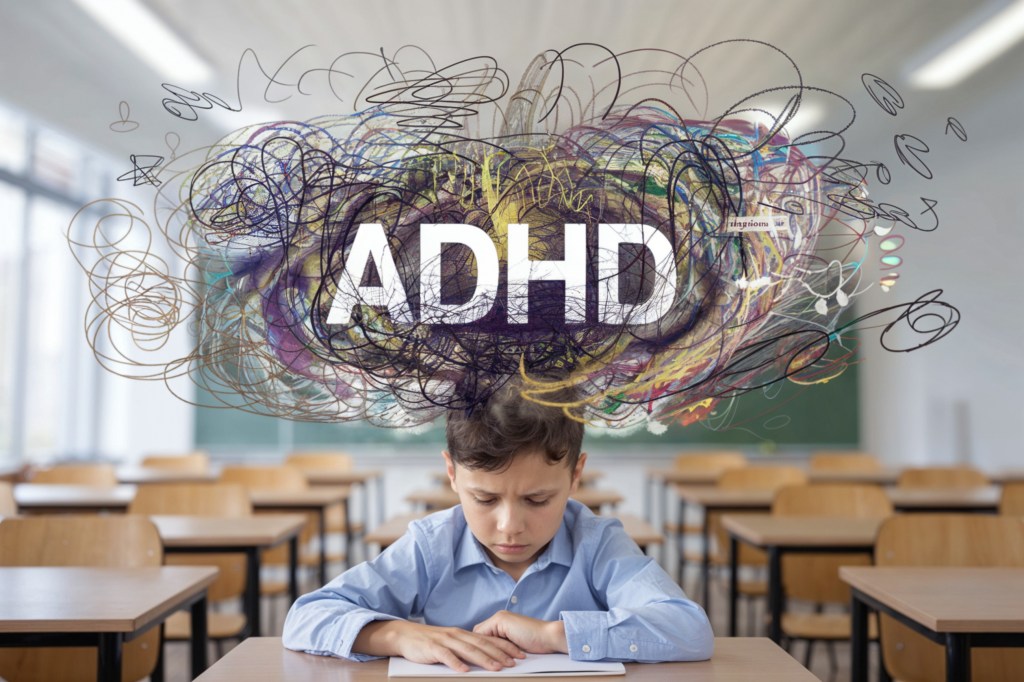
Attention-Deficit/Hyperactivity Disorder (ADHD) is one of the most common neurodevelopmental conditions in children, affecting attention, behavior, and self-control. An estimated 6 million children in the U.S. have been diagnosed with ADHD (Centers for Disease Control and Prevention [CDC], 2023). While parents play a crucial role, schools are equally important in creating an environment where these children can thrive academically and socially.

1. Early Identification and Support

Teachers are often the first to notice signs of ADHD, such as difficulty staying focused, impulsive behavior, or struggles completing assignments. When concerns arise, schools can connect families with appropriate evaluations and resources. Early recognition allows for timely intervention, reducing frustration for both students and teachers (National Institute of Mental Health [NIMH], 2023).

2. Classroom Accommodations

Structured support helps children with ADHD reach their potential. Through 504 Plans or Individualized Education Programs (IEPs), students may receive accommodations like:

  • Extended time on tests and assignments
  • Preferential seating close to the teacher
  • Frequent breaks to manage restlessness
  • Simplified, step-by-step instructions

These small changes can make a significant difference in learning and confidence (American Academy of Pediatrics [AAP], 2019).

3. Positive Behavioral Strategies

Children with ADHD often face criticism for disruptive behavior. Instead, schools can promote positive reinforcement by acknowledging effort and progress rather than only pointing out mistakes. Reward systems, consistent routines, and visual cues support behavior management while building self-esteem (CDC, 2023).

4. Teacher Training and Awareness

Educators need the right tools to support diverse learners. Professional development on ADHD can help teachers understand classroom strategies, cultural considerations, and how to collaborate with parents and healthcare providers. Training also reduces stigma, ensuring students feel supported rather than singled out (NIMH, 2023).

5. Collaborative Partnerships

The best outcomes occur when schools, parents, and healthcare providers work as a team. Regular communication ensures consistency in expectations and strategies across home and school. Schools can also connect families with counselors, psychologists, or social workers who provide additional support (AAP, 2019).

6. Promoting Healthy Routines in School

Daily exercise breaks, mindfulness activities, and opportunities for hands-on learning can help students with ADHD stay engaged. Encouraging physical activity and reducing excessive screen time during the school day also support focus and self-regulation (Healthy People 2030, 2020).

The Bottom Line: Children with ADHD can thrive when schools provide structure, compassion, and collaboration. By implementing accommodations, training staff, and partnering with families, schools can empower students to learn with confidence and succeed inside and outside the classroom.

References

American Academy of Pediatrics. (2019). Clinical practice guideline for the diagnosis, evaluation, and treatment of ADHD in children and adolescents. Pediatrics, 144(4), e20192528. https://doi.org/10.1542/peds.2019-2528

Centers for Disease Control and Prevention. (2023). Data and statistics about ADHD. https://www.cdc.gov/ncbddd/adhd/data.html

Healthy People 2030. (2020). Children with ADHD who get treatment. U.S. Department of Health and Human Services, Office of Disease Prevention and Health Promotion. https://health.gov/healthypeople

National Institute of Mental Health. (2023). Attention-Deficit/Hyperactivity Disorder. https://www.nimh.nih.gov/health/topics/attention-deficit-hyperactivity-disorder-adhd


From Challenges to Strengths: Parenting Children with ADHD

Parenting is never one-size-fits-all, and when raising a child with Attention-Deficit/Hyperactivity Disorder (ADHD), it can feel even more challenging. ADHD affects about 6 million children in the United States, influencing their ability to focus, control impulses, and manage daily routines (Centers for Disease Control and Prevention [CDC], 2023). But with the right tools and strategies, parents can help their children succeed both at home and in school.

1. Learn About ADHD

Understanding ADHD is the first step. ADHD is not a result of bad behavior or poor parenting—it is a neurodevelopmental condition. By learning about the symptoms, treatment options, and how ADHD affects learning and emotions, parents can approach challenges with patience and empathy (National Institute of Mental Health [NIMH], 2023).

2. Build Structure and Routines

Children with ADHD thrive in predictable environments. Clear daily schedules—such as set times for homework, play, and bedtime—can reduce anxiety and help kids stay on track. Visual aids like charts or planners can serve as helpful reminders (CDC, 2023).

3. Use Positive Reinforcement

Children with ADHD often hear more about what they are doing wrong than what they are doing right. To boost self-esteem and encourage good behavior, parents should celebrate small wins. Whether it’s finishing homework on time or remembering to brush their teeth, positive praise reinforces desired actions far better than punishment alone (American Academy of Pediatrics [AAP], 2019).

4. Support Healthy Habits

Good sleep, balanced nutrition, and regular physical activity make a big difference in managing ADHD symptoms. Active play—like biking, dancing, or sports—can improve focus and reduce restlessness. Limiting screen time and ensuring consistent sleep routines also help children regulate their energy and emotions (NIMH, 2023).

5. Practice Open Communication

Listening is powerful. Encourage children to talk about how they feel and what strategies help them. Working together teaches them to advocate for their needs and builds trust. Family “check-ins” at the end of the day can be a safe space for kids to share frustrations or successes (Healthy People 2030, 2020).

6. Partner With Teachers and Professionals

Parents don’t have to face ADHD alone. Collaborating with teachers, school counselors, and healthcare providers ensures that children receive consistent support. This might include classroom accommodations, therapy, or medication when appropriate (AAP, 2019).

7. Take Care of Yourself, Too

Parenting a child with ADHD can be exhausting. Parents should remember that self-care isn’t selfish—it’s essential. Support groups, counseling, or even short breaks can help parents recharge and show up with patience and consistency (NIMH, 2023).

The Bottom Line: Children with ADHD can thrive when supported with structure, encouragement, and understanding. By combining healthy routines, positive communication, and teamwork with professionals, parents can help their children unlock their potential and build confidence that lasts a lifetime.

References

American Academy of Pediatrics. (2019). Clinical practice guideline for the diagnosis, evaluation, and treatment of ADHD in children and adolescents. Pediatrics, 144(4), e20192528. https://doi.org/10.1542/peds.2019-2528

Centers for Disease Control and Prevention. (2023). Data and statistics about ADHD. https://www.cdc.gov/ncbddd/adhd/data.html

Healthy People 2030. (2020). Children with ADHD who get treatment. U.S. Department of Health and Human Services, Office of Disease Prevention and Health Promotion. https://health.gov/healthypeople

National Institute of Mental Health. (2023). Attention-Deficit/Hyperactivity Disorder. https://www.nimh.nih.gov/health/topics/attention-deficit-hyperactivity-disorder-adhd