By Ashley Peoples| UAB Community Health & Human Services Intern
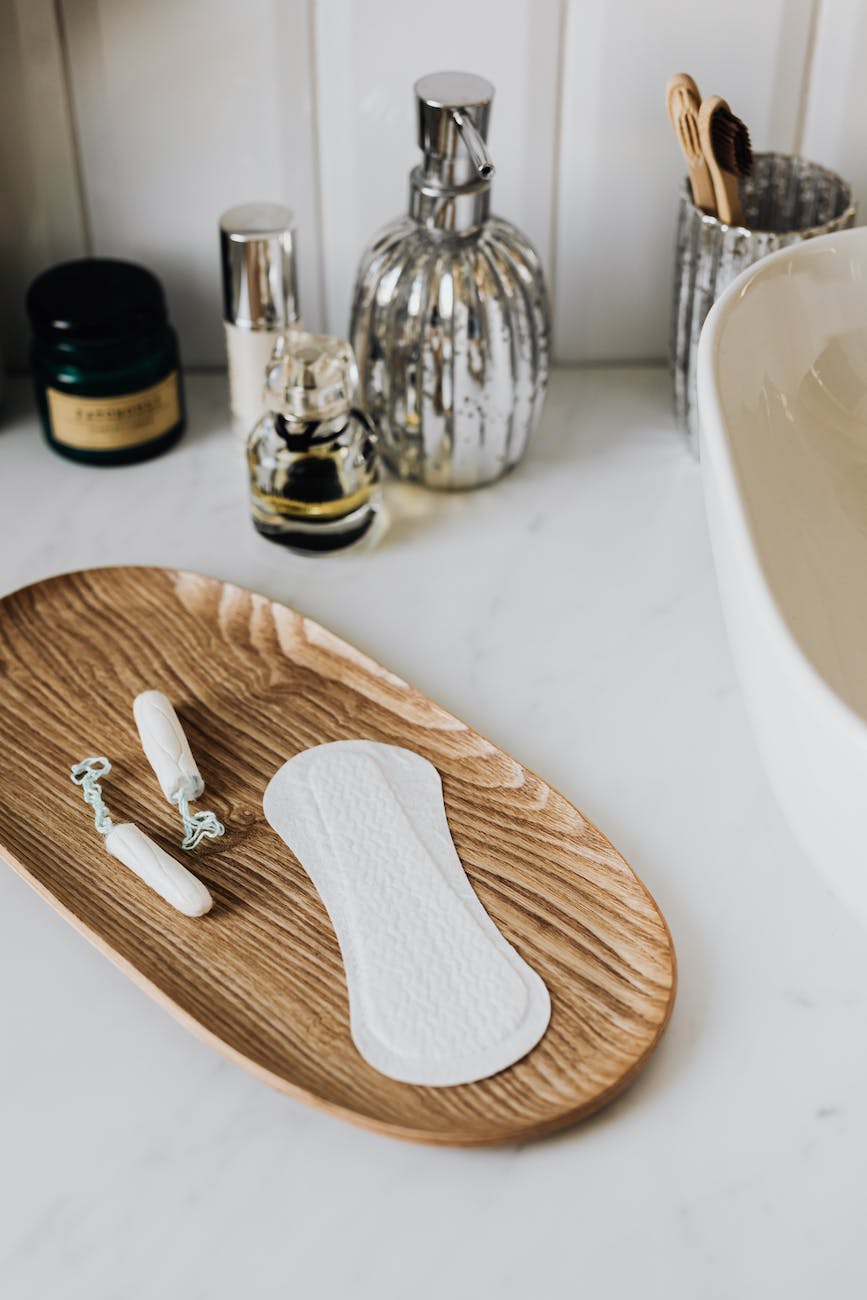
Ladies, how is the flow of your period? It is considered menorrhagia when the period is heavy and lasts for more than seven days. If bleeding heavily, your pad or tampon should be changed often. For example, if you are clotting or bleeding heavily, your pad or tampon should be changed every two hours. According to Bleeding Disorder in Women, “If you need to change your tampon or pad after less than 2 hours or pass clots the size of a quarter or larger, that is heavy bleeding. If you have this type of bleeding, you should see a doctor” (CDC, 2023).
If your heavy periods are not treated, your quality of life can be affected. Some possible causes of heavy menstrual bleeding are tumors, such as fibroids, that are not cancerous. Cancer in the uterus and cervix, certain types of birth control, and hormone-related problems can also cause heavy bleeding. Some tests can be used to understand why you are bleeding heavily. Some of the tests that can be used are blood, pap, and ultrasound tests. A blood test is used to check for anemia, problems with the way blood clots, and thyroid problems. Pap tests check for cancer by taking cells from the cervix to examine under a microscope for signs of cancer. An ultrasound test uses sound waves and a computer to show what your blood vessels, tissues, and organs look like and how they work and affect your blood flow (CDC, 2023).
Treatment for heavy periods depends on the cause of the bleeding and how serious it is. Your physician may suggest taking an over-the-counter medicine such as ibuprofen. NSAIDs, such as ibuprofen, can help reduce pain and the amount of bleeding. If you are showing signs of anemia, iron supplements can be used to get more iron into your blood to help it carry oxygen. Birth control pills can also make periods more regular and reduce the amount of bleeding. Surgery may be required in some cases where bleeding is heavy to the point of affecting the quality of life.
Heavy-period bleeding is not discussed as much as it should be, and we must address this. Ladies, your period health is essential and part of your overall well-being. You do not have to be afraid to discuss this sensitive topic that needs your attention. Take care of yourself and your period health.
References
Centers for Disease Control and Prevention. (2023b, June 23). Heavy menstrual bleeding. Centers for Disease Control and Prevention. https://www.cdc.gov/ncbddd/blooddisorders/women/menorrhagia.html
 Wilkinson Wellness Laboratory