Every parent wants the best for their child. But for many families in Alabama, getting an autism diagnosis can be harder than it should be. Research shows that Black children are often diagnosed with autism two to three years later than white children, despite showing symptoms at the same age (Mandell et al., 2009). These delays result in missed opportunities for early intervention. This support can drastically improve a child’s ability to communicate, learn, and thrive.
In Alabama, especially in rural or underserved communities, parents face multiple barriers to getting a timely diagnosis. Some are unfamiliar with early autism signs such as poor eye contact, delayed speech, repetitive behaviors, or lack of social interest (Centers for Disease Control and Prevention [CDC], 2023). Others may be discouraged from seeking help, told to “wait and see,” or lack access to a qualified specialist. Even when parents do recognize the signs, they often encounter long waitlists, high costs, or too few autism-focused providers in their area. These obstacles can feel overwhelming (Constantino et al., 2020). One researcher noted, “Autism spectrum disorder remains underdiagnosed in minority populations, despite evidence of comparable symptom presentation” (Constantino et al., 2020, p. 3). This highlights that the problem is not rooted in the children themselves but in systemic inequities.
Early Intervention Makes a Difference The earlier autism is identified, the earlier a child can begin receiving services that build critical skills. Studies confirm that early intervention, ideally before the age of three, leads to improved language, social, and behavioral outcomes (Zwaigenbaum et al., 2015). That is why early screening is essential, particularly for families in underserved communities where systemic barriers are more common.
Practical Steps for Families If you are a parent or caregiver of a young child in Alabama, here are two steps you can take right now:
Ask your child’s pediatrician about developmental and autism screening. These can be done during regular checkups starting at 18 months.
Reach out to Alabama’s Early Intervention System. This program offers free evaluations and services for children under three. A doctor’s referral is not required to get started (Alabama Department of Rehabilitation Services, 2023).
Getting a diagnosis should not depend on race/ethnicity, income, or ZIP code. With awareness, persistence, and support, families can overcome barriers and get their children the help they deserve. Equity in healthcare begins with timely diagnosis and access to resources for every child. To advocate for more autism resources in your community, you can join and support local and national organizations like the Autism Society and the Autistic Self Advocacy Network (ASAN), attend and volunteer at community events, and share your story on social media. If you like, please consider sharing your experience with the Wilkinson Wellness Lab on Facebook.
Constantino, J. N., Abbacchi, A. M., Saulnier, C., Klaiman, C., Mandell, D. S., Zhang, Y., … & Molholm, S. (2020). Timing of the diagnosis of autism in African American children. Pediatrics, 146(3), e20193629. https://doi.org/10.1542/peds.2019-3629
Mandell, D. S., Wiggins, L. D., Carpenter, L. A., Daniels, J., DiGuiseppi, C., Durkin, M. S., … & Kirby, R. S. (2009). Racial/ethnic disparities in the identification of children with autism spectrum disorders. American Journal of Public Health, 99(3), 493–498. https://doi.org/10.2105/AJPH.2007.131243
Zwaigenbaum, L., Bauman, M. L., Choueiri, R., Kasari, C., Carter, A., Granpeesheh, D., … & Pierce, K. (2015). Early intervention for children with autism spectrum disorder under 3 years of age: Recommendations for practice and research. Pediatrics, 136(Supplement_1), S60–S81. https://doi.org/10.1542/peds.2014-3667E
Hidradenitis Suppurativa (HS) chronic skin condition is also referred to as “Acne Inversa” which inflames the skin because bacteria, keratin, and sweat builds up in hair follicles. This results in pus-filled abscesses to various parts of the human anatomy if not treated at the onset. These pus-filled follicles eventually burst causing severe painful lesions to certain parts of the body (Health Central, 2022)HS is a painful yet chronic inflammatory disease of the skin that affects the inherent unpredictability of the health of the infected individual. If it goes untreated with respect to the course and severity of the disease and the response to treatment will pose significant challenges for patients especially African American women.
HS causes pimple-like bumps or boils on and under the skin. This skin disease is chronic (long- lasting) and can be severely painful for prolonged periods of time. HS is not contagious and does not spread from one individual to another. HS starts in the hair follicle in the skin and happens mainly where areas of skin may touch or rub together. HS is not caused by neglecting personal hygiene. In many cases, the cause of this skin disease is actually unknown. African American women are more likely to get HS than men, and it is more common in the African American community than in other communities. HSoften appears around puberty and the areas of infection and symptom level can fluctuate based on the severity and affection rate (NIH, 2023)
There’s no lab or blood test that will diagnose the disease. Instead, medical providers conduct a detailed medical history and do a thorough skin check. Before the physical exam, your doctor will want to know about your symptoms. Your physician may inquire about how often these outbreaks happen, how long the lesions last, where they occur, and if anyone in your family has had a similar condition. If your dermatologist suspects you may have another chronic condition along with HS (and many patients do) or you have a high BMI (Body Mass Index), you’ll get your blood tested to check your cholesterol, triglycerides, and blood sugar. The goal of treatment is simple: to stop or reduce the pain and drainage and prevent the nodules from coming back or at least lengthen the time between flares. One biologic drug has been approved by the U.S. Food and Drug Administration (FDA) specifically for treating HS and another is sometimes prescribed off-label for this purpose as well. If you believe you may be showing symptoms of HS, don’t hesitate to seek medical attention, so the relief can begin.
References:
Health Central (2022, Jan) Hidradenitis Suppurativa: Everything You Need to Know.
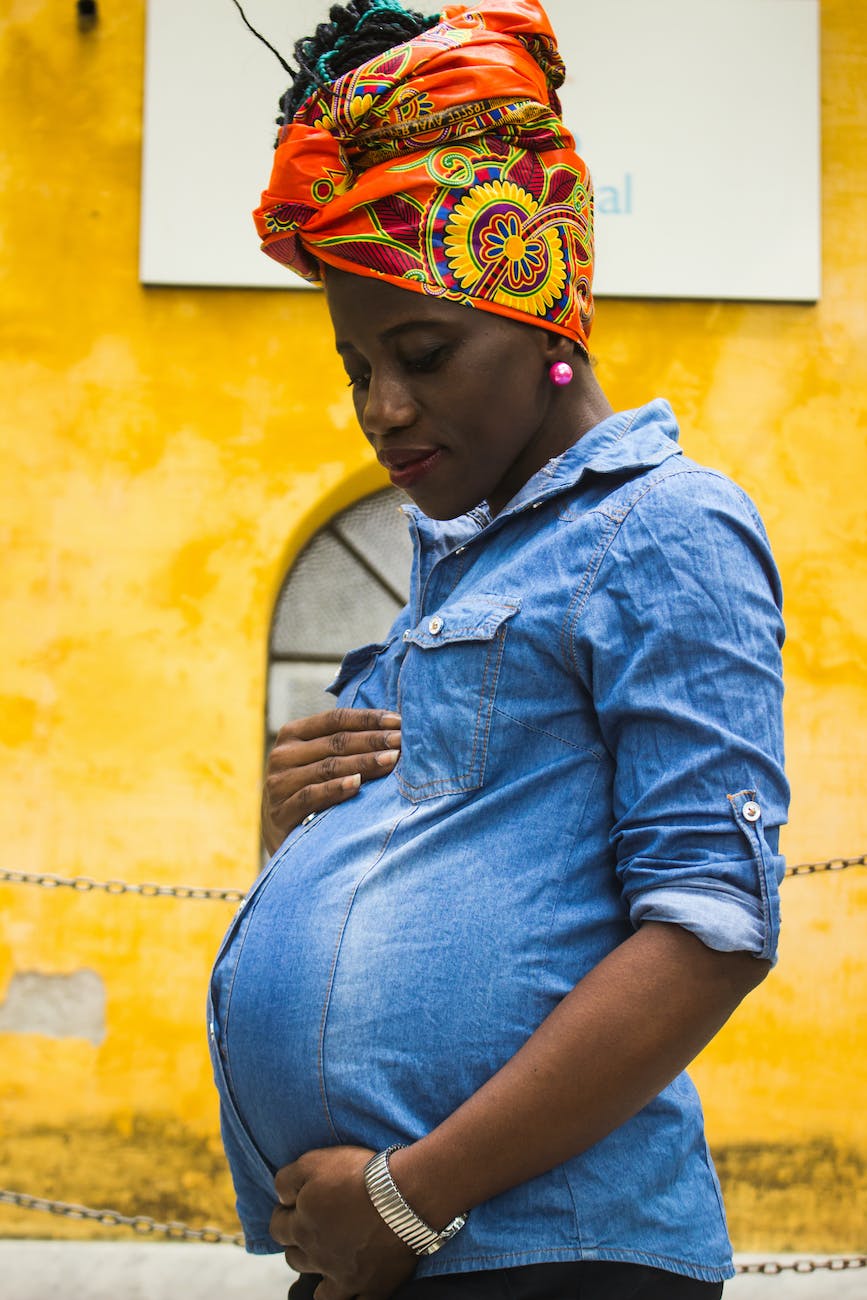
Black women’s maternal health is a significant issue in the United States since it is responsible for critical care conditions. For example, the death rates of infants born by Black women are higher than their White counterparts. Despite their educational background, Black women are three times more likely to die due to maternal health issues than White women (CDC, 2023). The above situation denotes the critical disparities in care between individuals from the two ethnic groups. One of the underlying factors for the high maternal health issues among Black women is unconscious bias in healthcare. In other words, they do not receive quality care compared to White women (CDC, 2023). As such, they are predisposed to critical healthcare risks that increase the risk of infant deaths. Lack of quality healthcare delivery for the Black population is also responsible for maternal health challenges among Black women. Often, they live in neighborhoods with limited care resources. Thus, the quality of care is compromised, in most cases, leading to maternal death.
The maternal health issues among Black women can be improved. One of the actions that would facilitate this goal is to require the healthcare system to identify unconscious bias in care delivery. This initiative will instigate the removal of barriers to care and provide access for Black women. There is also the need to improve prenatal care delivery in Black neighborhoods (CDC, 2023). Other than the above measures, non-obstetric caregivers should be trained to handle pregnancy issues among Black women. It is also relevant to deal with potential stressors experienced by the target population (CDC, 2023). This initiative will provide an impetus for advanced care for Black women’s maternal care issues. It is also necessary to consider advising the affected people on the criticality of seeking medical help when they feel their health trajectory is not right. Everyone can play a significant role in working to prevent pregnancy -related deaths and improving maternal health outcomes.
Angela Wilson | Intern UAB School of Education | CHHS
Photo: Instagram | #carrieatuggleelementaryschool
The History Behind Tuggle Elementary School
Tuggle Elementary School is located in Birmingham, Alabama and has approximately 472 students from Pre-Kindergarten to fifth grade. Although it has been affiliated with The Birmingham City School System since 1926, many natives of Birmingham are oblivious to the remarkable history embedded in its name.
Tuggle Elementary School is named after Carrie A. Tuggle, a fierce innovator whose trailblazing efforts are still visible today. She was born in 1858 in Eufaula, Alabama and subsequently married John Tuggle and had four children. The couple eventually moved to Birmingham in search of better job opportunities.
Mrs. Tuggle excelled in education, social work, and religion, and found her calling when she began working with delinquent boys as a welfare officer. After speaking on behalf of boys as young as ten years old, she was inspired to provide housing accommodations for orphaned black children. She initially took them into her home, until she was able to open a single-building school in September 1903. Named The Tuggle Institute this facility allowed black, destitute orphans and juveniles to receive an education. She also used her courtroom experience to help create The Jefferson County Juvenile and Domestic Court.
The Tuggle Institute garnered praise from the citizens of Birmingham and was noted for its substantial contributions to the advancement of black people. Some outstanding alumni who credit Mrs. Tuggle for her influence include Dr. A. G. Gaston, John T. Wheatley, and Erskine Hawkins, to name a few. The Tuggle Institute became affiliated with the Birmingham City Public Schools in 1926. In 1936, The Board of Education named it the Carrie A. Tuggle Elementary School.
Preeclampsia is a condition where the blood pressure of a pregnant women increases beyond the normal range. So, how do African American women prevent preeclampsia? The first step to preventing preeclampsia is education.
Maintaining blood pressure is one of the keys to preventing preeclampsia and is something African American should be aware of. The article “Preeclampsia” states women who have a top blood pressure that is 140 or greater and bottom blood pressure of 90 and greater are at higher risk (Karrar & Hong, 2023). The CDC suggests women buy a at home blood pressure machine, and keep it monitored.
Karrar and Hong states “Like hypertensive disorders, the incidence of preeclampsia is correlated to ethnicity and race, most prevalent among African American”. Exercise is another preventive method for preeclampsia. Exercise can improve blood pressure and help keep it maintained. The BMC Public Health states “After a 12-week exercise intervention among healthy and nonactive pregnant women, the changes in resting blood pressure between intervention and baseline were assessed, and the researchers found that regular, long-term physical exercise significantly reduced resting systolic blood pressure” (Zhu et al., 2022).
I encourage all African American women to who are pregnant (or planning to get pregnant) to educate themselves on preeclampsia. I hope that this blog can help many African American women avoid the risks that come with preeclampsia. When we educate ourselves, we make a difference in our own health.
Centers for Disease Control and Prevention. (2023, June 19). High blood pressure during pregnancy. Centers for Disease Control and Prevention. https://www.cdc.gov/bloodpressure/pregnancy.htm
Zhu, Z., Xie, H., Liu, S., Yang, R., Yu, J., Yan, Y., Wang, X., Zhang, Z., & Yan, W. (2022). Effects of physical exercise on blood pressure during pregnancy. BMC Public Health, 22(1). https://doi.org/10.1186/s12889-022-14074-z
By Senequa Malone | UAB Community Health & Human Services Intern
Photo Credits: Claudette Colvin, aged 13, in 1953. Public Domain; Back of the bus. Photograph by Stan Wayman
We’ve heard sayings like, “From of the mouths of babes” or references is in revered text “and a little child shall lead them” (Isaiah 11:6). These expressions signify that children are often capable of saying or doing wise, insightful, or mature things. These words or actions can be what is needed to start a movement. This was especially true during the perilous times of the early Civil Rights Movement when many children marched, were beaten, chased by dogs, and sent to jail. The children advocated for change…change in unjust laws and change toward justice all over the country, especially for African Americans living under Jim Crow laws in the South.
One such child was Claudette Colvin. As an eager young teen, she was inspired to make an immediate change one day after school. That day in class, at the segregated Booker T. Washington school in Montgomery, Claudette and her classmates discussed injustices experienced under Jim Crow laws. This bothered Claudette and she knew she had to stand for justice for herself and others. So, she decided that she would conduct her own sit-in. As she later recalled, “All I remember is that I was not going to walk off the bus voluntarily.” Claudette knew she paid her bus fees just like everyone else and deserved to ride without any trouble. She was a member of the NAACP Youth Council and knew her constitutional rights. She went on to elaborate that it felt as if Harriet Tubman was pushing her down on one shoulder and Sojourner Truth on the other.
We always want to teach our children and even communities to do what is right; having them see and experience it for themselves even if they must stand for someone else that’s being oppressed or mistreated. On March 2, 1955, 15-year-old Claudette Colvin became the first person arrested for not giving up her seat to a white person. The first person to make the news for sitting down.
Colvin’s name was all over the local radio and newspaper print. A young black girl was arrested for being a troublemaker; not giving up her seat for a white person. This disturbed the black community greatly and many leaders quickly acted to get this young lady out of jail and home safely to her family, but they were also inspired. Claudette Colvin’s approach and boldness was ingenious. This young lady sparked the talk for a new boycott.
Local leaders in the Civils Rights Movement recognized the great potential in a non-violent approach had for putting their cause in the national spotlight but did not want to put that pressure upon a child. They knew the media would try anything to demonize her character, use all stereotypes or misjudgments against her and in turn the cause. Claudette was a dark-skinned, unemployed student. Later, she became pregnant and as an unwed expectant mother, the scrutiny of national attention would be intense. Leaders did not want that amount of hate and ignorance directed towards a child. So, they patiently waited and nine months later set in motion their plan with the perfect candidate for their strategy: Rosa Parks, a secretary for the local NAACP chapter. She was a married, employed, light-skinned, mature woman with good hair and the fiery spirit to stand up to national scrutiny. She grabbed the torch of “fight” lit by Claudette Colvin and brought attention to injustice. It was the perfect recipe for success.
While certain names are more recognizable than others, it is the impact and not the recognition that matters. Claudette Colvin’s fearless action is as unmatched and commendable as other greats during these turbulent times. One person’s stance for right can be the catalyst for positive change for so many lives and future generations. The movement would never have been the success it was without the children’s contribution and sacrifice. Colvin’s immediate act for justice and clever plan worked to set the stage for the bus boycotts and later, the Civil Rights Movement as a whole. A young teenage child wanted to see change in the world, and she not only succeeded but blazed a trail for many following behind her. Maybe without Claudette Colvin, we would not know of Rosa Parks’ bravery or Dr. King’s leadership and remarkable speeches. Colvin later became one of the plaintiffs for Browder v Gayle, a federal case which led to the desegregation of Montgomery’s buses. Thusly, her example of non-violent demonstration and advocacy led to victory in the U.S. District Court and integrated busing in December 1956.
As professionals in community health and human services, we stand on the shoulders of many advocates who championed the social well-being of the people adversely impacted by Jim Crow laws. Those shoulders can be adult shoulders or teenage shoulders like Claudette Colvin. Let’s encourage our youth and our young at heart to stand for justice, to champion the well-being of others, and be ready to change the world! Greatness is out there. It is not the size that matters, but the power of the impact!
by Senequa Malone, Jaelyn Copeland, and Shon Mack, with contributions from Shayna Bryan | Interns and UAB Community Health and Human Services students
Graphic by Jaelyn Copeland
(This article is based on a discussion from WWL’s Monday Night Wellness Watch. [Link to the livestream recording coming soon!])
October is Breast Cancer Awareness month. Breast cancer is one of the most prevalent cancers out there. According to the CDC, it is the second most common cancer in women (after some skin cancers) and the second leading cause of cancer death in women (after lung cancer). About 1 in 8 women will be diagnosed with some kind of breast cancer in her lifetime. No one is exempt from a breast cancer diagnoses. It affects men and women, old and young.
Today we’re going to learn about what breast cancer is, what the risk factors are, how you can reduce your risk, and how it affects Women of Color in our community.
What is Breast Cancer?
Breast cancer is a type of cancer that starts in the breast. Cancer starts when cells begin to grow out of control. There are many different types of breast cancer, these depend on where in the breast the cancer cells are located. The breast is made up of 3 parts:
Lobules (glands that produce milk)
Ducts (connect glands to nipple)
Connective tissue (fat that surround the breast and makes up a large part of the volume)
Most breast cancers begin in the lobules or ducts. When the cancer spreads to other parts of the body, it is said to have metastasized.
How common is Breast Cancer? What about dying from Breast Cancer?
Every person has breast tissue, so everyone one is capable of developing breast cancer. It is most common in women, but men can develop it too. The lifetime risk is of getting breast cancer for a woman is 13% and the risk of dying from breast cancer is 2.6%. The 5-year survival rate post diagnosis is 90%. The number of new cases of breast cancer is going slightly up (0.5% per year), but death is going down (1% per year). This is likely due to early detection and better screening. Men are 100 times less likely to develop breast cancer, but that number is not zero. While rare, men are diagnosed and die from breast cancer every year
What are the risk factors for Breast Cancer?
Being born a woman
Being older
Obesity
Family history
15% of women with breast cancer have a family member with it
Early menstruation (starting before age 12)
Late menopause (starting after age 55)
Having dense breast tissue
What are dense breasts?
Breast density is a term that describes the relative amount of different types of breast tissue (glandular, connective, and fat tissue) as seen on a mammogram. Dense breasts have relatively high amounts of glandular tissue and fibrous connective tissue and relatively low amounts of fatty breast tissue.
Only a mammogram can show if a woman has dense breasts. Dense breast tissue cannot be felt in a clinical breast exam or in a breast self-exam. Nearly half of all women age 40 and older who get mammograms are found to have dense breasts.
Whether your breasts are dense is often due to genetics, but other factors can influence it. Factors associated with lower breast density include increasing age, having children. Factors associated with higher breast density include having a high body-mass index and using postmenopausal hormone replacement therapy.
Is there any way to reduce our risk of Breast Cancer?
Factors we can change include:
Maintain a healthy weight
Be regularly physically active
150-300 minutes of moderate intensity per week (or about 20-30 minutes a day)
Eat a healthy diet
Vegetables, whole grains, unsaturated fat
Perform monthly breast self-exams
40% of diagnosed breast cancers were detected by women who feel a lump
Start at age 20 to become familiar with your “normal”
Monitor regularly for changes
Consume alcohol moderately, or not at all
Women who have 2-3 drinks a day have 20% higher risk than non-drinkers
If you have children, breastfeed if you are able
What about Breast Cancer risk among African American women?
African American women have a 31% breast cancer mortality rate – the highest of any U.S. racial or ethnic group. While the reasons behind this disparity are numerous and complicated, the issue is real and there are at least some solutions everyone agrees on: more screening, more self-exams, and more access to treatment for African American women.
Set a schedule and do it regularly. A good time to start is 3-5 days after your period it ends, then continue to perform a BSE every month.
Remove your clothing and take a good look at yourself in the mirror. If you’re never done something like this before, it can feel a little silly and embarrassing at first, but it’s very important to become familiar with your own body and what is normal for you, so you can detect changes.
Breasts come in all shapes and sizes (many women have one breast larger than the other), so once you know what is normal for you, when you perform these exams you’re going to be looking for anything that stands out as different or unusual
Look for any distortion of the shape, dimpling, puckering, or odd bulging.
How’s the color? Are there any areas of redness, a rash, or parts that look swollen? Is the nipple in its normal positions or has that changed, is it inverted? Is there any discharged? It could look “watery, milky, or yellow fluid or blood”.
Raise your arms, and look for the same things. Does this position aggravate any soreness or pain in your breasts?
Next lie down flat on your back and place one arm behind your head. With the other hand, use the pad of your fingers to press firmly around your breast tissue. Cover the entire breast from top to bottom, side to side — from your collarbone to the top of your abdomen, and from your armpit to your cleavage.
Use a pattern to make sure you cover your entire breast. Two common patterns are to start in the center and make your way outwards in circles, another is to go top to bottom across the breast like you’re mowing the lawn.
If you do feel a lump, don’t worry, stay calm, and make an appointment with your regular physician.
Most lumps are benign (non-cancerous). There are many benign breast conditions that can cause lumps that resolve on their own.
What about Mammograms?
A mammogram is an X-ray picture of the breast. Doctors use a mammogram to look for early signs of breast cancer. Regular mammograms are the best tests doctors have to find breast cancer early, sometimes up to three years before it can be felt.
Women ages 40-44 should have the choice to start annual breast cancer screening with mammograms if they wish to do so, particularly if they have family history of breast cancer
Women ages 45-54 should get mammograms every year
Women 55 and older should switch to mammograms every 2 years, or can continue yearly screening.
Screening should continue as long as a woman is in good health and is expected to live 10 more years or longer. All women should be familiar with the known benefits, limitations, and potential harms linked to breast cancer screening.
Centers for Disease Control and Prevention. (2021, September 20). Breast cancer. Centers for Disease Control and Prevention. Retrieved October 28, 2021, from https://www.cdc.gov/cancer/breast/.
Centers for Disease Control and Prevention. (n.d.). USCS data visualizations – CDC. Centers for Disease Control and Prevention. Retrieved October 28, 2021, from https://gis.cdc.gov/Cancer/USCS/.
Moore, J. X., Han, Y., Appleton, C., Colditz, G., & Toriola, A. T. (2020). Determinants of mammographic breast density by race among a large screening population. JNCI Cancer Spectrum. https://doi.org/10.1093/jncics/pkaa010
By Flora Johnson, M.Ed. | UAB Community Health & Human Alumni
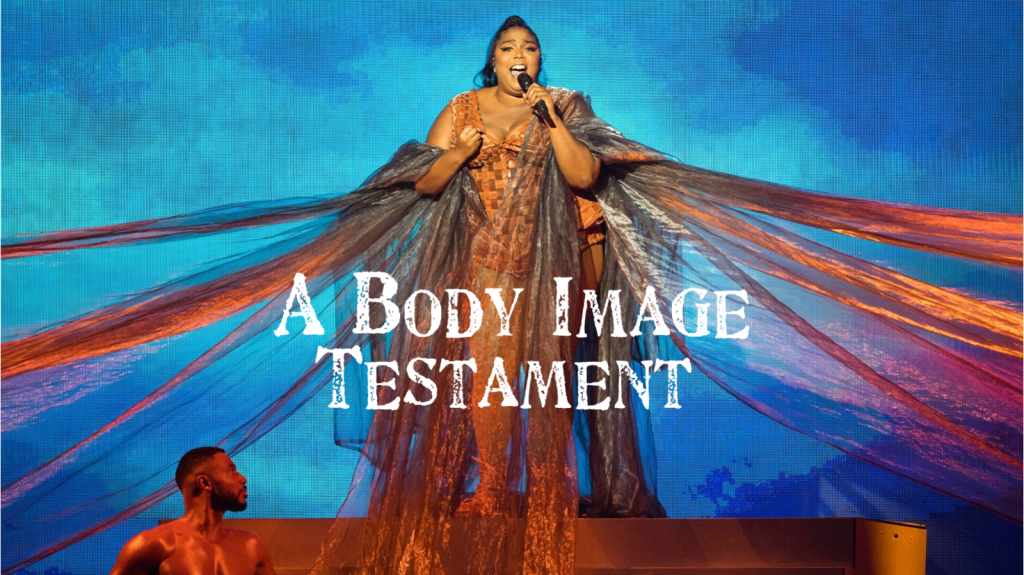
Photograph by Samir Hussein/WireImage
“No matter how much positive energy you put into the world, you’re still gonna have people who have something mean to say about you.”
– Melissa Viviane Jefferson (Lizzo), Grammy Award Winning American Singer
What is Body Image?
The way people perceive and feel their physical selves is called body image. Men, women, and all peoples have concerns about their body image. Their weight, the shape or size of a body part, skin, or hair is often zeroed in, bashed, and picked apart. The fashion industry is a major contributor to widespread unhealthy body image through the careful selection of underweight models to display their products, but our peers, the media, and even family members all influence body image. This often promotes destructive feelings of inadequacy.
Body Acceptance Journey
Melissa Viviane Jefferson – known professionally as Lizzo – is an American music artist celebrated for her vocals, savvy personality, and positive body image. She attacks the world with explosive performances and lyrics. The singer shows the world how much she adores herself through outspoken music- inspiring others to accept, love, and protect their own bodies.
Following the release of her new single and a step back into the public limelight, Lizzo had an Instagram honest moment that addressed negative body image comments.
“On the days I feel I should be the happiest, I feel so down,” Lizzo told fans while sitting in her bathroom wearing a wig cap dabbing her eyes. “Like, I hurt so hard.” The Grammy winner revealed she feels unappreciated for working “quadruple” the time. “Sometimes I feel like the world just don’t love me back,” she sobbed.
Positive and Negative Body Image
Everyone struggles with body image. Having a positive body image is understanding that the value of self-worth is not dependent on appearance. It is a positive energy accepting and appreciating a stable body appearance. If a person is satisfied with their image, they flaunt it – unapologetically.
And for the most part it doesn’t hurt my feelings; I don’t care!
Lizzo
Unsatisfaction with one’s appearance is called negative body image. People may compare themselves with others, feel ashamed about parts of their bodies, lack confidence, or feeling uncomfortable in their own body.
Improving Body Image
Learning to love your body is a journey. A balanced lifestyle that incorporates healthier attitudes, food, exercises, and practices is easier when you are in tune with and respond to the needs of your body.
These tips can help a person feel more positive about their body.
List 10 things you like about yourself
Practice positive self-talk. Say, “My arms are strong” or “I am beautiful.”
Do something nice for your body
Aim for a healthful lifestyle and eat a nutritious diet
Wear comfortable clothes that look good on you
Avoid comparing yourself with other people.
Be actively critical of media messages and images that make you feel inadequate.
See yourself as a whole person, and an imperfect body part.
Start a hobby or blog
I don’t have time for your negativity – your internalized self-hatred that you project onto me with your racism and fatphobia. I don’t have time for it. Anyways, I’m going to continue to be me. I’m going to continue to be a bad b—-.
If you or someone you may know is experiencing body image or eating concerns, seek immediate help. Speak with a doctor, dependable friend, therapist, or parent about your situation.
Use this image to share the positive messaging on social media!
By Shayna Bryan, Intern & UAB Community Health & Human Services Student
Original Photo by Charlie Riedel/AP
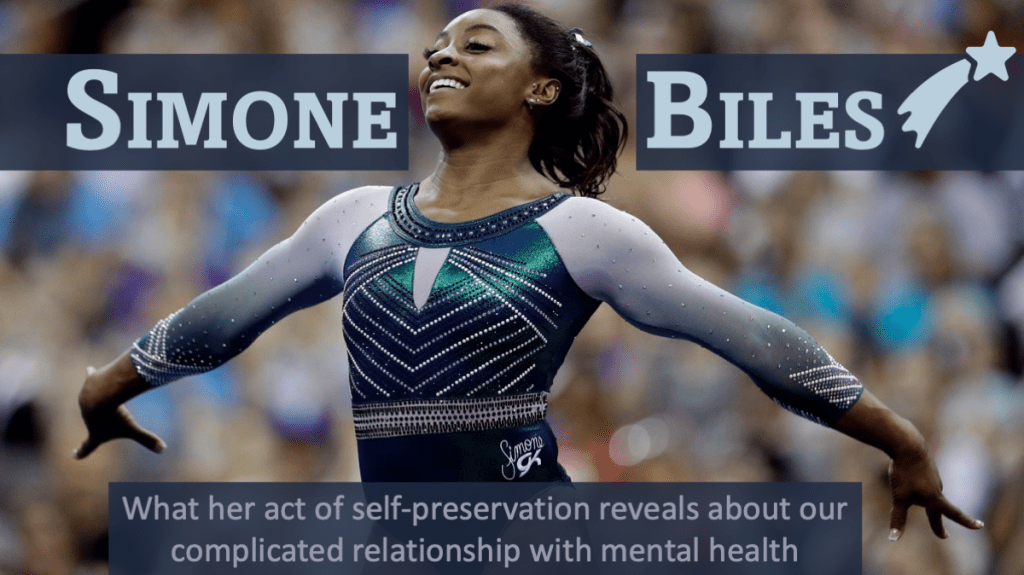
Simone Biles is an American gymnast with a combined total of 30 Olympic and World Championship medals. She is widely regarded by many as the greatest gymnast of our generation. Biles was the favorite to win multiple individual and team events in the 2020 Tokyo Olympics, but shocked the public when it was announced on July 27th that she would be pulling out of the final team competition for undisclosed health reasons. The following day, she pulled out of the rest of her planned events and gave further explanation: She’d been struggling with the immense pressure that comes with her position and could not compete due to physical and mental health issues. With Biles out of the competition, America’s chances of sweeping the gold for Olympic gymnastics all but vanished. This announcement was met with reactions of anger, outrage, betrayal, sympathy, and support. Why the mixed response?
If Biles had broken a bone or torn a ligament that rendered her unable to compete, the American public may have universally replied with kindness and empathy, viewing it as a tragedy. But because Biles’ reasons were partially mental, the feedback was not at all kind. Why such anger? The answer lies in our complicated and at times antagonistic relationship with mental health.
The World Health Organization describes mental health as “the foundation for the well-being and effective functioning of individuals.” According to the National Alliance on Mental Illness, 1 in 5 American adults have a mental illness, but less than half of those will receive treatment. This is likely due to the great stigma associated with mental health treatment and the common perception that seeking help is a last resort. As a result, the average delay between onset of symptoms and treatment is 11 years.
This is not at all how we treat physical issues, where prevention and prompt treatment are the norm. There is pressure to keep issues related to mental health invisible. Tough it out. This is especially a common thought among the athletic community.
The whole situation reminded me of a conversation I had about a month ago with Susan Chambers, a friend of mine who competes nationally in powerlifting. She was struggling with her own stubbornness in knowing when to quit and call it a day. When she’s tired and can’t focus, she’s at risk for serious injury which has happened to her in the past. On this day, she asked herself aloud, “Are you actually worried that will happen or are you being lazy and looking for an excuse? What’s the line between self-destructive and dedicated?”
I responded: “Guilt and shame.” If you’re pushing yourself because you feel inspired, all is good, but if guilt, shame, or fear of failure is motivating you, that’s bad. That’s when you risk seriously hurting yourself, mentally and physically.
Sue was silent for a moment, then said, “You win this round of self-care.”
Simone Biles is a gifted athlete who inspires many and will for years to come. She has the grit and determination to become a champion and the deep maturity to know herself and her limits. No matter the full circumstances, Simon Biles does not owe us further details or explanations. She does not need to justify her decision or apologize for the disappointment it caused, because she owes us nothing. She may be our pride and joy, but she belongs only to herself.
I reached out to Sue again for her thoughts on Simone Biles and the public response. She had this to say:
“Knowing your limits and prioritizing your health and well-being is laudable. Simone Biles is a world class athlete under an incomprehensible amount of scrutiny from the public. For her to advocate for herself and her needs was extraordinarily brave. We need more role models like her, who will demonstrate self-compassion as something more valuable than competition. I guess the short form is: She is a champion, and championing her own well-being proves it.”
Chambers, S. (2021, June 29). Personal communication [online chat].
Chambers, S. (2021, July 29). Personal communication [online chat].
Choudhry, F. R., Mani, V., Ming, L. C., & Khan, T. M. (2016). Beliefs and perception about mental health issues: a meta-synthesis. Neuropsychiatric disease and treatment, 12, 2807–2818. https://doi.org/10.2147/NDT.S111543
Riedel, C. (10 August 2019). Photograph of Simone Biles at US Championships. Associated Press.
@USAGym. “After further medical evaluation, Simone Biles has withdrawn from the final individual all-around competition. We wholeheartedly support Simone’s decision and applaud her bravery in prioritizing her well-being. Her courage shows, yet again, why she is a role model for so many.” Twitter, 28 Jul. 2021, 1:14 a.m., twitter.com/USAGym/status/1420266286441922562
By Jaelyn Copeland (Community Health and Human Services Student), with contributions from Shayna Bryan (Intern & Community Health and Human Services Student)
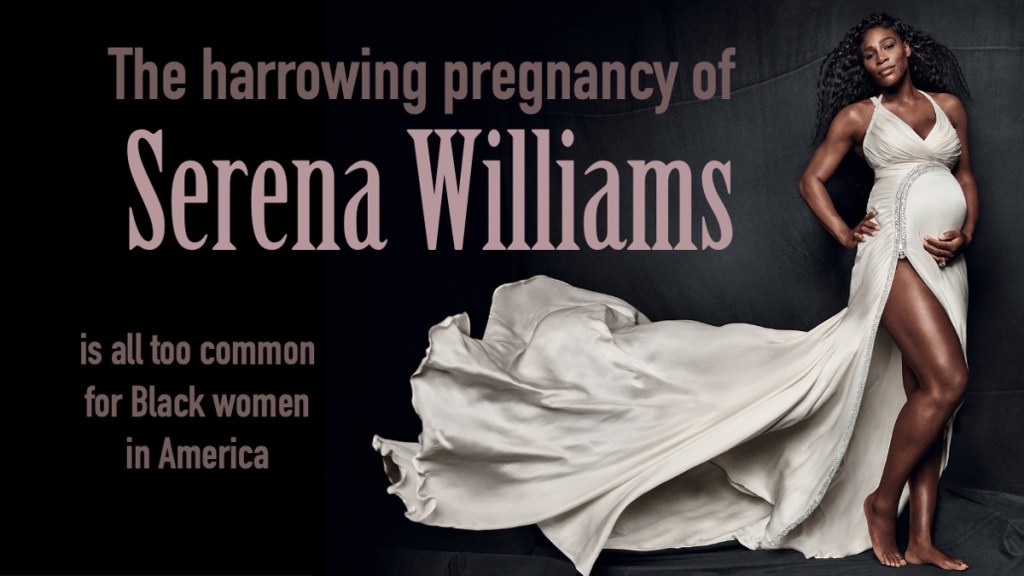
Original photography by Mario Testino for Vogue magazine
Maternal mortality rates in the United States have been increasing steadily year after year, placing the country 56th on the World Health Organization’s worldwide data set, which is near the bottom of the developed nations. This disproportionately affects black women, who face not only the typical health hazards that come with childbirth, but must also wrestle with racial bias in the medical industry
Did you know black women are three times more likely to die due to pregnancy-linked causes than their peers?
According to the CDC, for every 100,000 births, 37 black women died in comparison to 15 white women and 12 Hispanic women. The causes of these racial differences are numerous. One of the issues is a lack of access to health care and poor quality of service. However, CDC data shows that even college-educated black women die at higher rates from pregnancy-related causes than white women who did not graduate from high school.
Look no further than Serena Williams, one of the greatest professional tennis players in history and an overall acclaimed athlete with a net worth over $200 million, whose pregnancy story demonstrates that these issues penetrate every level of society. In an interview with Vogue, Williams recalls battling with major problems shortly after the birth of her daughter. After her daughter was born through Cesarean section, Williams became short of breath. Knowing her own history of blood clots in the lungs (called pulmonary embolisms), she instantly alerted a nurse to her symptoms. However, staff were slow to respond to her concerns. The resulting complications ended in Williams needing a filter inserted into one of her major veins. It took six weeks of bed rest before she eventually returned home.
Serena’s traumatic story places her among the 50,000 women in America who face dangerous or life-threatening pregnancy-related problems each year.
However, researchers suggest this estimate may still be too conservative. Racial bias in the medical industry is a systemic issue that is becoming more recognized. The CDC has launched the Hear Her campaign to spread awareness and education on the complications associated with pregnancy. The lesson for the medical industry is to listen to patients more and make sure their needs are addressed. For the rest of us, the lesson is to learn to be your own best advocate.
Here are steps you can take:
Enroll in pre-natal care early, 1 month before pregnancy if possible
Take pre-natal vitamins as early as possible, even before becoming pregnant
Vitamins like folate are essential to brain and spinal cord development which occurs during the first few weeks of pregnancy
Learn the warning signs of common complications, particularly those you are at high risk for and those in your family medical history
Testino, M. (September 2017). Photograph of Serena Williams. Vogue.
WHO, UNICEF, UNFPA, World Bank Group, and United Nations Population Division Trends in Maternal Mortality: 2000 to 2017 Geneva: World Health Organization, 2019. Retrieved from: https://data.worldbank.








 Wilkinson Wellness Laboratory