The Stigma Around Therapy: Breaking the Silence

By Jaslyn Bush | UAB Community Health & Human Services Program (Student)

Photo by Antoni Shkraba Studio on Pexels.com

In recent years, there has been a growing awareness of mental health issues and the importance of seeking therapy. However, despite progress in raising awareness, a significant stigma still surrounds mental health therapy, preventing many individuals from seeking the help they need.

The stigma around therapy often stems from societal misconceptions and stereotypes. Many people still believe that seeking mental health therapy is a sign of weakness or that it is only for those with severe mental illnesses (Corrigan, 2004). This perception is far from the truth. Therapy can be a valuable tool for anyone facing life’s challenges, whether they are dealing with stress, relationship issues, or personal growth.

The Impact of Stigma
Stigma can prevent individuals from seeking help, leading to untreated mental health issues that can worsen over time (Vogel, Wade, & Haake, 2006). Additionally, the fear of being judged or misunderstood can cause individuals to suffer in silence, further exacerbating their struggles. According to the American Psychiatric Association (APA), there are 3 kinds of stigma:

Public Stigma: This stigma can be described as negative and inaccurate attitudes about a mental illness from the public (Singhal, 2024). There is a fear that one may experience discrimination i employment, housing, health care, etc. due to one being diagnosed with a mental illness.

Self-Stigma: This includes negative attitudes, including internalized shame of their condition. Self-stigma can lead to lower self-esteem issues and reduce self-confidence.

Structural Stigma: Involves policies of government and private organizations that intentionally or unintentionally limit opportunities for people for people with mental illness (Singhal, 2024). If the federal government or state and local municipalities reduce funding for mental health services and programs, then individuals in need of care will not have less opportunity to receive the care and support they need.

Breaking the Silence
To combat the stigma around therapy, professionals in health and human services must promote open and honest conversations about mental health. Education is key; providing accurate information about the benefits of therapy and debunking common myths, in order to change societal attitudes (Corrigan & Watson, 2002). Additionally, sharing personal stories and experiences can help normalize therapy and encourage others to seek help.

The stigma around therapy is a significant barrier to mental health care. By understanding its roots, recognizing its impact, and taking steps to promote open conversations, we can work towards a society where seeking therapy is thought of as a sign of strength and self-care. If you or someone you know has experienced challenges with mental and emotional health, consider sharing your thoughts and perspectives in the comments below and engage with us on Facebook at the Wilkinson Wellness Lab.

References

Corrigan, P. W. (2004). How stigma interferes with mental health care. American Psychologist, 59(7), 614-625. 

Corrigan, P. W., & Watson, A. C. (2002). Understanding the impact of stigma on people with mental illness. World Psychiatry, 1(1), 16-20. [https://www.ncbi.nlm.nih.gov/pmc/articles/PMC1489832/](https://www.ncbi.nlm.nih.gov/pmc/articles/PMC1489832/)

Vogel, D. L., Wade, N. G., & Haake, S. (2006). Measuring the self-stigma associated with seeking psychological help. Journal of Counseling Psychology, 53(3), 325-337. [

Kalkbrenner, M. T., & Esparza, S. (2022). Barriers to seeking counseling among a national sample of U.S. physicians: The revised fit, stigma, and value scale. The Professional Counselor, 15(2), 123-137.

Melnyk, B. M., Kelly, S. A., & Jacobson, D. (2020). Reducing stigma and promoting mental health in healthcare professionals: An integrative review. Journal of Nursing Management, 28(5), 1020-1030.

Singhal, N. (2024, March). Stigma, Prejudice and Discrimination Against People with Mental Illness. American Psychiatric Association. https://www.psychiatry.org/patients-families/stigma-and-discrimination



Helping Kids Thrive: Recognizing and Managing Back-to-School Stress

A new school year can be exciting, but it can also bring a lot of stress for kids and teens. Meeting new teachers, keeping up with schoolwork, juggling friendships, and balancing after-school activities can sometimes feel overwhelming. For families in Birmingham—and everywhere—being able to spot the signs of stress and having simple coping strategies can make the back-to-school transition a lot easier.

Recognizing Signs of Stress in Children and Teens

Stress doesn’t always look the same in young people as it does in adults. Some common signs include:

  • Emotional changes: Irritability, frequent crying, or withdrawal from family and friends.
  • Physical symptoms: Headaches, stomachaches, or changes in appetite.
  • Sleep disruptions: Trouble falling asleep, nightmares, or wanting to sleep more than usual.
  • School avoidance: Complaints of illness in the morning, reluctance to attend school, or declining grades.

According to the CDC (2023), anxiety disorders affect approximately 9.4% of children and adolescents in the U.S., and symptoms often emerge or worsen during times of transition—like starting a new school year.

Coping Strategies for Families

Parents and caregivers can play a powerful role in helping children manage back-to-school stress:

1.Create Predictable Routines

Consistent morning and evening schedules help children feel grounded. Preparing backpacks, clothes, and lunches the night before can reduce morning stress.

2. Open Communication

Encourage children to talk about their feelings. Ask open-ended questions like, “What part of school feels hardest right now?” Listening without judgment validates their emotions and builds trust.

3. Promote Healthy Habits

Regular sleep, balanced meals, and physical activity are critical for reducing stress. Research shows that youth who are physically active experience lower levels of anxiety and depression (CDC, 2022).

4. Practice Relaxation Skills

Simple mindfulness techniques, like deep breathing, guided imagery, or yoga, can help children calm their minds and bodies. Parents can practice these together with their child.

5. Limit Screen Time Before Bed

Too much exposure to screens, especially before bedtime, can interfere with sleep and heighten stress. Establish “tech-free” zones in the evening.

6. Know When to Seek Help

If stress or anxiety significantly interferes with daily functioning, families should consult with school counselors, pediatricians, or mental health professionals. Local resources in Birmingham, such as the UAB Community Counseling Clinic and Children’s of Alabama Behavioral Health, provide specialized support for children and teens.

The Bottom Line

Back-to-school season is rarely stress-free, but it doesn’t have to be overwhelming. When parents can spot the early signs of stress, set up supportive routines, and encourage healthy coping skills, they give their kids the tools to handle challenges with confidence. These habits don’t just help in the classroom—they build resilience kids can carry with them for life.

References

Centers for Disease Control and Prevention. (2022). Physical activity and health for children and teens. https://www.cdc.gov/physical-activity-basics/children

Centers for Disease Control and Prevention. (2023). Data and statistics on children’s mental health. https://www.cdc.gov/childrensmentalhealth/data

Healthy People 2030. (2020). Adolescent health objectives. U.S. Department of Health and Human Services, Office of Disease Prevention and Health Promotion. https://health.gov/healthypeople


Growing Together: Fostering Social Health in Birmingham Teens

Adolescence is about more than growing up, it’s about growing together. Social health meaningful connections, belonging, and supportive relationships is a critical foundation for teens well-being. Here in Birmingham, fostering these connections can help our youth build confidence, resilience, and a sense of purpose.

Why It Matters Locally

Positive social connections promote mental health, reduce risky behaviors, and enhance academic success (CDC, 2023). Yet, national studies show that high social media usage among teens increases exposure to cyberbullying and feelings of isolation (CDC, 2023). Locally, rising mental health concerns among Birmingham teens underscore the importance of in-person social support and engagement (Children’s of Alabama, 2022).

Community Programs That Strengthen Bonds

  • Hope Squad: A peer-supported suicide prevention initiative in Birmingham schools that teaches students to recognize and respond when friends are struggling emotionally (Community Foundation of Greater Birmingham, 2024).
  • Magic City Acceptance Center (MCAC): Since 2014, MCAC has served over 650 LGBTQ youth ages 13–24 in Birmingham through drop-in support, art programs, free counseling, and events like Queer Prom.
  • TAKE Resource Center & Magic City Wellness Center: TAKE provides peer support, outreach, and legal aid for trans youth, while Magic City Wellness Center offers inclusive primary care, HIV/STD services, and gender-affirming care—bolstering both emotional and physical well-being.

How Families and Schools Can Build Social Health

  1. Encourage Face-to-Face Activities
  2. Promote participation in school clubs, faith-based groups, or community events. These in-person interactions help teens form meaningful bonds and foster belonging.
  3. Balance Digital Engagement
  4. Guide teens toward thoughtful use of social media while providing alternatives like youth-led groups or creative classes that build connection without screens.
  5. Support Peer-Led Initiatives
  6. Programs like Hope Squad empower teens to create supportive school environments. Encourage schools and parent groups to adopt or expand such initiatives.
  7. Champion Inclusive Spaces
  8. Back local centers like MCAC and the Wellness Center that promote acceptance. Advocate for safe environments connected to identity, mental health, and peer belonging.

The Bottom Line

Healthy social connections shape flourishing adolescents. Birmingham is rich in resources that build connection—peer support, inclusive centers, and school-based initiatives. By combining safe digital habits, community programs, and family support, we help our teens grow socially strong and confidently connected.

References

Centers for Disease Control and Prevention. (2023). Adolescent connectedness. https://www.cdc.gov/healthyyouth/protective/connectedness/index.htm

Children’s of Alabama. (2022). Community health needs assessment: Mental and behavioral health. https://www.childrensal.org/sites/default/files/2022-12/CHNA-REPORT-22.pdf

Community Foundation of Greater Birmingham. (2024). Hope Squad: Improving mental health in children and youth. https://www.cfbham.org/news/hope-squad-improving-mental-health-in-children-and-youth/


Calm, Consistent, Connected: Parenting Children with ADHD and ODD

Parenting is a journey filled with ups and downs. For families raising children with both Attention-Deficit/Hyperactivity Disorder (ADHD) and Oppositional Defiant Disorder (ODD), the challenges can feel magnified. ADHD often brings difficulties with attention and impulse control, while ODD is marked by defiance, anger, and frequent arguments with authority figures. Together, these conditions can lead to stress at home and school but there are proven ways parents can respond with resilience and care.

1. Understand the “Why” Behind the Behavior

Children with ODD are not simply being “difficult.” Their brain wiring and frustration tolerance make it harder for them to manage emotions. Understanding that defiance often comes from overwhelm—not willful disobedience—helps parents approach situations with empathy (American Academy of Child and Adolescent Psychiatry [AACAP], 2021).

2. De-Escalate Instead of Engage

When children argue, it’s natural to want to correct them immediately. But power struggles often make defiance worse. Staying calm, lowering your voice, and allowing a short cooling-off period can prevent conflict from spiraling. Pick your battles—save energy for the behaviors that matter most (National Institute of Mental Health [NIMH], 2023).

3. Use Clear and Neutral Consequences

Unlike children with ADHD alone, those with ODD often test limits repeatedly. Consequences should be consistent, immediate, and unemotional—such as loss of a privilege for a set time. Harsh punishments or yelling tend to increase oppositional behavior, while neutral, predictable responses reduce it (Centers for Disease Control and Prevention [CDC], 2023).

4. Strengthen Emotional Regulation

Teaching coping skills helps children respond differently in moments of frustration. Simple strategies include practicing “stop and breathe” before reacting, role-playing problem-solving, or using calming spaces at home. Over time, these tools build self-control and reduce angry outbursts.

5. Try Parent Management Training

Evidence shows that parent training in behavior management is highly effective for children with ADHD and ODD. These programs coach parents on positive discipline, limit-setting, and reinforcing cooperation. With practice, families often see improvements in both child behavior and household stress (AACAP, 2021).

6. Build a Strong Support Network

Managing ADHD and ODD can be draining. Parents benefit from support groups, counseling, or connecting with other families facing similar challenges. Extended family, teachers, and mental health providers can also be valuable allies in creating consistency across settings.

The Bottom Line: Children with ADHD and ODD need structure, calm responses, and patient guidance. By focusing on de-escalation, consistent consequences, emotional skill-building, and parent training, families can reduce conflict and build stronger relationships rooted in trust and understanding.

References

American Academy of Child and Adolescent Psychiatry. (2021). Oppositional defiant disorder resource center. https://www.aacap.org

Centers for Disease Control and Prevention. (2023). Parent training in behavior management for ADHD. https://www.cdc.gov/ncbddd/adhd/behavior-therapy.html

National Institute of Mental Health. (2023). Disruptive, impulse-control, and conduct disorders. https://www.nimh.nih.gov


Helping Every Student Shine: How Schools Can Support Children with ADHD

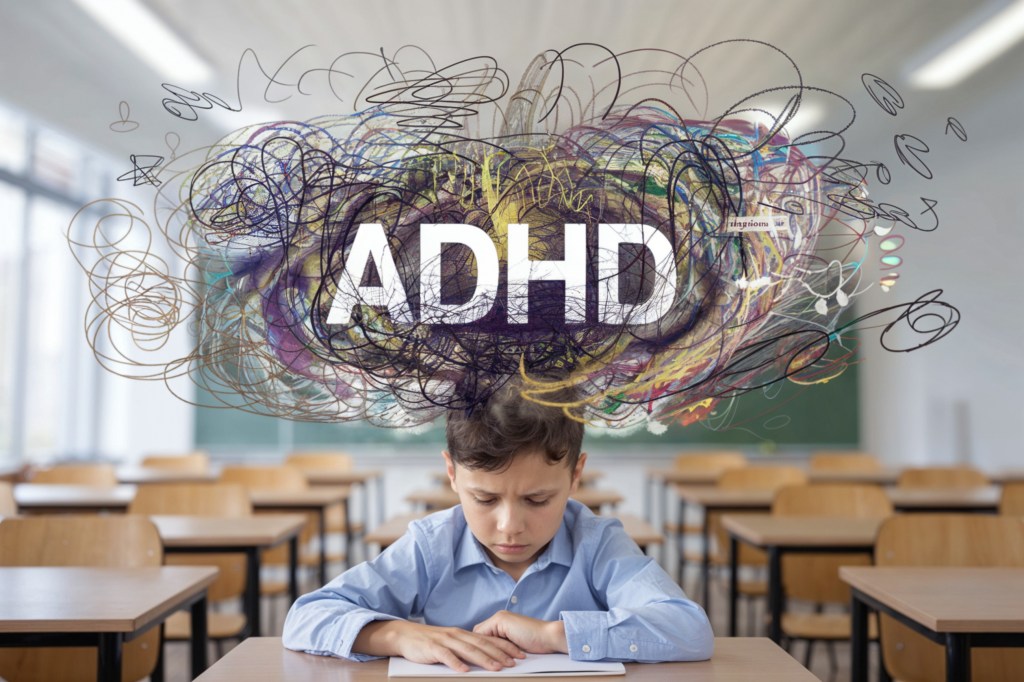
Attention-Deficit/Hyperactivity Disorder (ADHD) is one of the most common neurodevelopmental conditions in children, affecting attention, behavior, and self-control. An estimated 6 million children in the U.S. have been diagnosed with ADHD (Centers for Disease Control and Prevention [CDC], 2023). While parents play a crucial role, schools are equally important in creating an environment where these children can thrive academically and socially.

1. Early Identification and Support

Teachers are often the first to notice signs of ADHD, such as difficulty staying focused, impulsive behavior, or struggles completing assignments. When concerns arise, schools can connect families with appropriate evaluations and resources. Early recognition allows for timely intervention, reducing frustration for both students and teachers (National Institute of Mental Health [NIMH], 2023).

2. Classroom Accommodations

Structured support helps children with ADHD reach their potential. Through 504 Plans or Individualized Education Programs (IEPs), students may receive accommodations like:

  • Extended time on tests and assignments
  • Preferential seating close to the teacher
  • Frequent breaks to manage restlessness
  • Simplified, step-by-step instructions

These small changes can make a significant difference in learning and confidence (American Academy of Pediatrics [AAP], 2019).

3. Positive Behavioral Strategies

Children with ADHD often face criticism for disruptive behavior. Instead, schools can promote positive reinforcement by acknowledging effort and progress rather than only pointing out mistakes. Reward systems, consistent routines, and visual cues support behavior management while building self-esteem (CDC, 2023).

4. Teacher Training and Awareness

Educators need the right tools to support diverse learners. Professional development on ADHD can help teachers understand classroom strategies, cultural considerations, and how to collaborate with parents and healthcare providers. Training also reduces stigma, ensuring students feel supported rather than singled out (NIMH, 2023).

5. Collaborative Partnerships

The best outcomes occur when schools, parents, and healthcare providers work as a team. Regular communication ensures consistency in expectations and strategies across home and school. Schools can also connect families with counselors, psychologists, or social workers who provide additional support (AAP, 2019).

6. Promoting Healthy Routines in School

Daily exercise breaks, mindfulness activities, and opportunities for hands-on learning can help students with ADHD stay engaged. Encouraging physical activity and reducing excessive screen time during the school day also support focus and self-regulation (Healthy People 2030, 2020).

The Bottom Line: Children with ADHD can thrive when schools provide structure, compassion, and collaboration. By implementing accommodations, training staff, and partnering with families, schools can empower students to learn with confidence and succeed inside and outside the classroom.

References

American Academy of Pediatrics. (2019). Clinical practice guideline for the diagnosis, evaluation, and treatment of ADHD in children and adolescents. Pediatrics, 144(4), e20192528. https://doi.org/10.1542/peds.2019-2528

Centers for Disease Control and Prevention. (2023). Data and statistics about ADHD. https://www.cdc.gov/ncbddd/adhd/data.html

Healthy People 2030. (2020). Children with ADHD who get treatment. U.S. Department of Health and Human Services, Office of Disease Prevention and Health Promotion. https://health.gov/healthypeople

National Institute of Mental Health. (2023). Attention-Deficit/Hyperactivity Disorder. https://www.nimh.nih.gov/health/topics/attention-deficit-hyperactivity-disorder-adhd


From Challenges to Strengths: Parenting Children with ADHD

Parenting is never one-size-fits-all, and when raising a child with Attention-Deficit/Hyperactivity Disorder (ADHD), it can feel even more challenging. ADHD affects about 6 million children in the United States, influencing their ability to focus, control impulses, and manage daily routines (Centers for Disease Control and Prevention [CDC], 2023). But with the right tools and strategies, parents can help their children succeed both at home and in school.

1. Learn About ADHD

Understanding ADHD is the first step. ADHD is not a result of bad behavior or poor parenting—it is a neurodevelopmental condition. By learning about the symptoms, treatment options, and how ADHD affects learning and emotions, parents can approach challenges with patience and empathy (National Institute of Mental Health [NIMH], 2023).

2. Build Structure and Routines

Children with ADHD thrive in predictable environments. Clear daily schedules—such as set times for homework, play, and bedtime—can reduce anxiety and help kids stay on track. Visual aids like charts or planners can serve as helpful reminders (CDC, 2023).

3. Use Positive Reinforcement

Children with ADHD often hear more about what they are doing wrong than what they are doing right. To boost self-esteem and encourage good behavior, parents should celebrate small wins. Whether it’s finishing homework on time or remembering to brush their teeth, positive praise reinforces desired actions far better than punishment alone (American Academy of Pediatrics [AAP], 2019).

4. Support Healthy Habits

Good sleep, balanced nutrition, and regular physical activity make a big difference in managing ADHD symptoms. Active play—like biking, dancing, or sports—can improve focus and reduce restlessness. Limiting screen time and ensuring consistent sleep routines also help children regulate their energy and emotions (NIMH, 2023).

5. Practice Open Communication

Listening is powerful. Encourage children to talk about how they feel and what strategies help them. Working together teaches them to advocate for their needs and builds trust. Family “check-ins” at the end of the day can be a safe space for kids to share frustrations or successes (Healthy People 2030, 2020).

6. Partner With Teachers and Professionals

Parents don’t have to face ADHD alone. Collaborating with teachers, school counselors, and healthcare providers ensures that children receive consistent support. This might include classroom accommodations, therapy, or medication when appropriate (AAP, 2019).

7. Take Care of Yourself, Too

Parenting a child with ADHD can be exhausting. Parents should remember that self-care isn’t selfish—it’s essential. Support groups, counseling, or even short breaks can help parents recharge and show up with patience and consistency (NIMH, 2023).

The Bottom Line: Children with ADHD can thrive when supported with structure, encouragement, and understanding. By combining healthy routines, positive communication, and teamwork with professionals, parents can help their children unlock their potential and build confidence that lasts a lifetime.

References

American Academy of Pediatrics. (2019). Clinical practice guideline for the diagnosis, evaluation, and treatment of ADHD in children and adolescents. Pediatrics, 144(4), e20192528. https://doi.org/10.1542/peds.2019-2528

Centers for Disease Control and Prevention. (2023). Data and statistics about ADHD. https://www.cdc.gov/ncbddd/adhd/data.html

Healthy People 2030. (2020). Children with ADHD who get treatment. U.S. Department of Health and Human Services, Office of Disease Prevention and Health Promotion. https://health.gov/healthypeople

National Institute of Mental Health. (2023). Attention-Deficit/Hyperactivity Disorder. https://www.nimh.nih.gov/health/topics/attention-deficit-hyperactivity-disorder-adhd


Maternal Mental Health: Breaking Barriers to Care

Becoming a mom is life-changing, but it isn’t always easy. Many women experience postpartum depression, anxiety, or though less common postpartum psychosis after giving birth. These challenges are more common than most people realize, yet too often moms suffer in silence because of stigma, missed screenings, or not having access to care that feels supportive and culturally understanding. The truth is that untreated maternal mental health struggles don’t just affect moms, they can also impact babies and the whole family’s well-being (CDC, 2024).

Magnitude of the Problem

Approximately 20% of women experience a perinatal mood or anxiety disorder, yet fewer than half receive treatment (CDC, 2024). The consequences are profound: children of mothers with untreated depression may face developmental, behavioral, and emotional challenges. Maternal suicide, though often preventable, remains a leading cause of death in the first year after birth (Healthy People 2030, n.d.). Additionally, structural barriers, such as cost, lack of transportation, and limited provider availability disproportionately affect women in low-income and minority communities, compounding existing health disparities (Bureau of Justice Statistics, 2023).

Solutions

  • Healthcare Integration: Universal screening for perinatal mental health disorders during prenatal visits, postpartum check-ups, and pediatric appointments can increase early detection.
  • Community-Based Programs: Local organizations can create safe spaces for peer support, parenting groups, and culturally sensitive counseling services that reduce stigma.
  • Policy & Systems Change: Expanding insurance coverage for maternal mental health services and investing in maternal health equity initiatives are essential steps. The Healthy People 2030 framework highlights reducing maternal morbidity and improving access to timely mental health care as national priorities (Healthy People 2030, n.d.).

What Families and Communities Can Do

  • Recognize Risk Factors: Women with a history of depression, limited social support, or stressful life events are at higher risk. Families should remain attentive to these signs.
  • Encourage Open Dialogue: Normalizing conversations about maternal mental health helps reduce stigma. Partners and relatives play a crucial role in encouraging women to seek care.
  • Leverage Resources: The National Maternal Mental Health Hotline (1-833-9-HELP4MOMS) and local health departments provide 24/7 confidential support.
  • Advocate Locally: Communities can advocate for expanded maternal mental health services at hospitals and clinics, especially in underserved areas.

Conclusion

Maternal mental health is a cornerstone of women’s health and family well-being. By addressing barriers to care, investing in culturally tailored services, and fostering supportive environments, we can create a future where every mother has the resources she needs to thrive.

References

Bureau of Justice Statistics. (2023). Indicators of health disparities in the United States. https://bjs.ojp.gov

Centers for Disease Control and Prevention. (2024). Depression among women. https://www.cdc.gov/reproductivehealth/depression/index.htm

Healthy People 2030. (n.d.). Maternal, infant, and child health. U.S. Department of Health and Human Services, Office of Disease Prevention and Health Promotion. https://health.gov/healthypeople


5. The Silent Struggle: Mental Health and Unwanted Pregnancy Among Alabama’s Teen Girls

Introduction

When we talk about teen pregnancy, we often focus on the physical and financial burdens—but what about the emotional toll? Unwanted pregnancy can be overwhelming for any young person, leading to feelings of fear, anxiety, depression, and isolation. In Alabama, where reproductive health resources and mental health services are limited, many young mothers struggle in silence, unsure of where to turn.

I know that feeling all too well. At 17, I was pregnant and in complete denial. I convinced myself it wasn’t real, and by the time I accepted the truth, I was already about to give birth. The emotional weight of it all hit me hard. I felt alone, ashamed, and scared of what my future would look like. The stigma surrounding teen pregnancy made it even harder to ask for help. But the reality is, no one should have to go through this alone.

The Link Between Unwanted Pregnancy and Mental Health

Research shows that teen mothers are at a higher risk of experiencing mental health disorders. According to a study published in the Journal of Adolescent Health, pregnant teens are more likely to suffer from depression and anxiety than their non-pregnant peers (Journal of Adolescent Health, 2023). Factors contributing to this include:

  • Social stigma and judgment – Many young mothers face harsh criticism from their families, peers, and communities.
  • Emotional distress and regret – The sudden shift in life plans can trigger depression and feelings of hopelessness.
  • Lack of support systems – Without emotional or financial support, teen moms often feel abandoned and overwhelmed.
  • Postpartum depression – The hormonal changes following childbirth can contribute to mood swings, anxiety, and severe depression.

Barriers to Mental Health Care in Alabama

Alabama ranks among the worst states for mental healthcare access, especially for low-income and rural populations. Many young mothers do not have health insurance or the transportation needed to attend therapy appointments. Additionally, the stigma surrounding mental health prevents many teens from seeking help. According to the Kaiser Family Foundation, nearly 60% of teens experiencing depression in the U.S. do not receive treatment (KFF, 2023).

For young mothers, untreated mental health issues can lead to long-term consequences, such as difficulty bonding with their child, substance abuse, and even suicidal thoughts. The pressure of raising a baby while dealing with internal struggles can feel unbearable, yet so many teens suffer in silence because they believe they have no options.

How Can We Support the Mental Health of Teen Mothers?

  1. Expanding Access to Therapy and Counseling – Schools and community health centers should offer free, confidential counseling for pregnant teens.
  2. Reducing Stigma Through Education – Normalizing conversations about teen pregnancy and mental health can encourage young mothers to seek help.
  3. Creating Peer Support Networks – Support groups for teen mothers can provide emotional encouragement and reduce feelings of isolation.
  4. Integrating Mental Health into Prenatal and Postpartum Care – Every pregnant teen should have access to mental health screenings and resources.

Conclusion

The emotional impact of unwanted pregnancy is just as significant as the physical and financial burdens. As someone who has experienced the fear and uncertainty of being a pregnant teenager, I know how important mental health support is. Alabama must do more to ensure that young mothers receive the care and understanding they deserve. By expanding access to therapy, reducing stigma, and providing safe spaces for teens to seek help, we can prevent unnecessary suffering and create better futures for both young mothers and their children.

References

  • Journal of Adolescent Health. (2023). The impact of pregnancy on adolescent mental health. Retrieved from www.jahonline.org
  • Kaiser Family Foundation. (2023). Teen mental health and access to care in the U.S. Retrieved from www.kff.org

Parents and schools can work together to improve adolescent mental health

By Travia Martin | UAB Community Health & Human Services Student

Photo by RDNE Stock project on Pexels.com

Although thought to be light and carefree, the adolescent years leading into adulthood are significant to the development of a child and their preparation into adulthood. From physical health, emotional health, mental health and other domains of wellness, these years are important as young people begin to take on adult like responsibilities. According to World Health Organization (n.d.), children ages 10-19 at some point may experience health issues related to the following poor hygiene, partaking in behaviors involving alcohol and drug use, unsafe sex, abuse, and teen pregnancy. While every area of health is important for the proper development of adolescents, mental health may be one of the categories often overlooked and underserved. For example, depression and anxiety have the most impact on this age group in relation to illness with suicide being the leading cause of death among those 15-19 (WHO, 2023). 1.1 million adolescents die each year, whether it be traffic accidents, violence, or self-inflicted harm.

School health programs should be championed and supported in middle and high schools to support adolescent development. Why? First, we should consider that in the U.S., fifty-six million students spend at least 6 hours a day at school, receiving social, physical, and intellectual development (CDC, 2021). Within your community, are you aware of the programs, activities, and group organizations that offer support to your middle and high school adolescence? Supplying mental health support and assistance within schools may elevate awareness, guidance and understanding of such complex health issues among adolescents. Additionally, social media plays a role in adolescent development, because young people see and do what they are taught or have learned, picked up through observational learning while constantly viewing social media on their electronic devices.

Whether you are a parent or an educator, there are several behaviors you can implement into your home, school, organization, etc. to help support and aid the development of adolescents and their mental health. Minor changes like spending more time engaging with young people through face-to-face conversation and allowing them to express their feelings mentally and emotionally, can aid positively to overall health and well-being (CDC, 2021). Removing teens and young adults from environments or locations that are toxic and filled with trauma to more peaceful and positive environments are also important. Supporting pro-social behaviors to express ones emotions such as art, writing, or even support groups involving peers of the same age is also important. Adolescent therapy and counseling are additional tools that can support the development of their mental health and create positive influence among their behaviors and actions (CDC, 2021).

What about you? Did you experience tough times during your adolescent years? What tips would you give to teenagers and young adults today? Leave a comment here or join the discussion at @WilkinsonWellnessLab on Facebook.

References:

Adolescent and young adult health. (n.d.). Www.who.int. https://www.who.int/news-room/fact-sheets/detail/adolescents-health-risks-and-solutions#:~:text=Depression%20and%20anxiety%20are%20among

CDC. (2021, April 23). Mental health of children and parents—A strong connection. Centers for Disease Control and Prevention. https://www.cdc.gov/childrensmentalhealth/features/mental-health-children-and-parents.html

COVID-19 Pandemic Associated with Worse Mental Health and Accelerated Brain Development in Adolescents. (2023, January 26). National Institute of Mental Health (NIMH). https://www.nimh.nih.gov/news/science-news/2023/covid-19-pandemic-associated-with-worse-mental-health-and-accelerated-brain-development-in-adolescents#:~:text=The%20two%20groups%20differed%20significantly

National Library of Medicine. (2022). CHILD AND ADOLESCENT MENTAL HEALTH. In http://www.ncbi.nlm.nih.gov. Agency for Healthcare Research and Quality (US). https://www.ncbi.nlm.nih.gov/books/NBK587174/

Why schools? | adolescent and school health | CDC. (2021, June 8). https://www.cdc.gov/healthyyouth/about/why_schools.htm


Tips/Ways to Ease Anxiety

By Terrie Johnson | UAB Community Health & Human Services Intern

Photo by Alex Green on Pexels.com

Anxiety can weigh a person down since it is associated with feeling restless. In some extreme cases, it may lead to stress and the subsequent development of depression. Dealing with anxiety by easing it is critical to prevent the development of risk factors that could affect holistic well-being. Numerous strategies centered on self-care or advanced by professionals can be provided to lead to positive outcomes. It is also relevant for one to be aware of the signs and symptoms to institute the desired intervention measures. Thus, some of the ways to ease anxiety are provided below.

Numerous solutions can be applied to deal with the feeling of restlessness. For example, behavioral therapy is a critical approach toward mitigating the experience of anxiety episodes. This intervention involves coaching individuals to exemplify desirable traits, such as limiting fear to reduce nervousness. Additionally, deep breathing allows one to relax the mind and body muscles (Bandealy et al., 2021). Its relevance concerns decreasing the effects of anxiety. As such, one is likely to feel relieved from anxiety feelings. One should also be involved in physical exercise. It is an effective strategy to prevent anxiety when faced with stressful situations. Criticality in observing the above practices will help restore mental well-being.

Other than the above practices, one can participate in social activities. For example, an individual can participate in sports, singing, and dancing. These activities will offer an opportunity to relax the mind and the body. Thus, they will provide the motivation to avoid anxiety and its related symptoms. Meditation is also a pertinent practice that can alleviate nervous feelings (Bandealy et al., 2021). For example, engaging in yoga can enhance mental control and creativity. These aspects allow an individual to think positively about situations and avoid anxiety. Therefore, the above critical practices will help ease tense feelings and anxiety. 

Reference

Bandealy, S. S., Sheth, N. C., Matuella, S. K., Chaikind, J. R., Oliva, I. A., Philip, S. R., Jones, P. M., & Hoge, E. A. (2021). Mind-body interventions for anxiety disorders: A review of the evidence base for Mental Health Practitioners. FOCUS, 19(2), 173–183. https://doi.org/10.1176/appi.focus.20200042