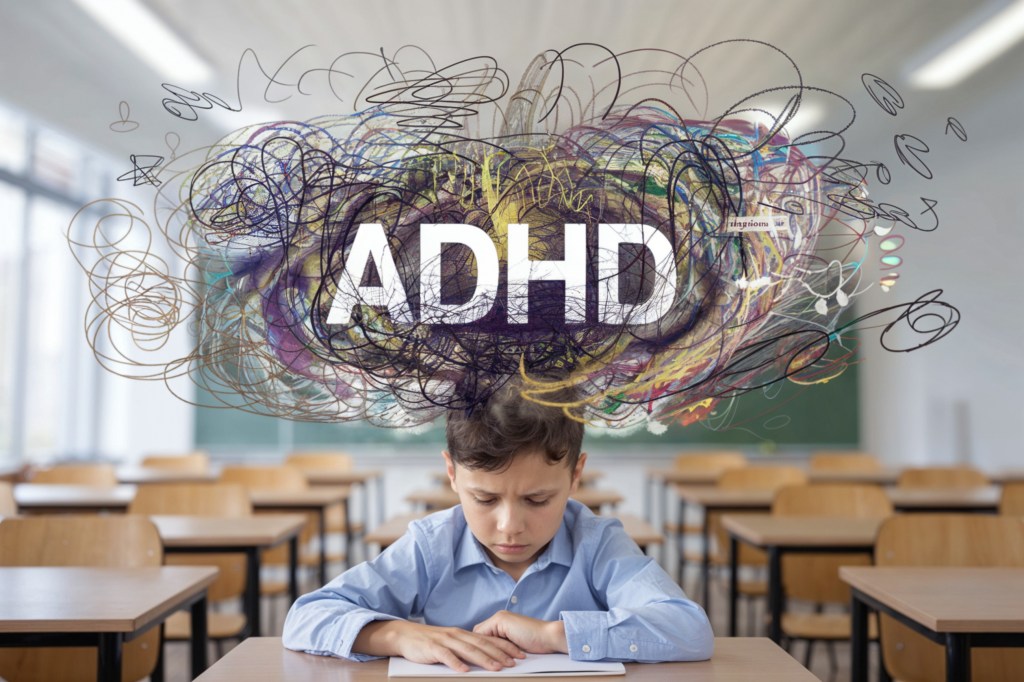
Parenting is a journey filled with ups and downs. For families raising children with both Attention-Deficit/Hyperactivity Disorder (ADHD) and Oppositional Defiant Disorder (ODD), the challenges can feel magnified. ADHD often brings difficulties with attention and impulse control, while ODD is marked by defiance, anger, and frequent arguments with authority figures. Together, these conditions can lead to stress at home and school but there are proven ways parents can respond with resilience and care.
1. Understand the “Why” Behind the Behavior
Children with ODD are not simply being “difficult.” Their brain wiring and frustration tolerance make it harder for them to manage emotions. Understanding that defiance often comes from overwhelm—not willful disobedience—helps parents approach situations with empathy (American Academy of Child and Adolescent Psychiatry [AACAP], 2021).
2. De-Escalate Instead of Engage
When children argue, it’s natural to want to correct them immediately. But power struggles often make defiance worse. Staying calm, lowering your voice, and allowing a short cooling-off period can prevent conflict from spiraling. Pick your battles—save energy for the behaviors that matter most (National Institute of Mental Health [NIMH], 2023).
3. Use Clear and Neutral Consequences
Unlike children with ADHD alone, those with ODD often test limits repeatedly. Consequences should be consistent, immediate, and unemotional—such as loss of a privilege for a set time. Harsh punishments or yelling tend to increase oppositional behavior, while neutral, predictable responses reduce it (Centers for Disease Control and Prevention [CDC], 2023).
4. Strengthen Emotional Regulation
Teaching coping skills helps children respond differently in moments of frustration. Simple strategies include practicing “stop and breathe” before reacting, role-playing problem-solving, or using calming spaces at home. Over time, these tools build self-control and reduce angry outbursts.
5. Try Parent Management Training
Evidence shows that parent training in behavior management is highly effective for children with ADHD and ODD. These programs coach parents on positive discipline, limit-setting, and reinforcing cooperation. With practice, families often see improvements in both child behavior and household stress (AACAP, 2021).
6. Build a Strong Support Network
Managing ADHD and ODD can be draining. Parents benefit from support groups, counseling, or connecting with other families facing similar challenges. Extended family, teachers, and mental health providers can also be valuable allies in creating consistency across settings.
The Bottom Line: Children with ADHD and ODD need structure, calm responses, and patient guidance. By focusing on de-escalation, consistent consequences, emotional skill-building, and parent training, families can reduce conflict and build stronger relationships rooted in trust and understanding.
References
American Academy of Child and Adolescent Psychiatry. (2021). Oppositional defiant disorder resource center. https://www.aacap.org
Centers for Disease Control and Prevention. (2023). Parent training in behavior management for ADHD. https://www.cdc.gov/ncbddd/adhd/behavior-therapy.html
National Institute of Mental Health. (2023). Disruptive, impulse-control, and conduct disorders. https://www.nimh.nih.gov

 Wilkinson Wellness Laboratory