Easy Workouts in Minimal Time

By Jessica Feagin | UAB Community Health and Human Services Student Intern

Photo by Jan van der Wolf on Pexels.com

If you’re like me, you are busy juggling work, children, and school, finding time to work out can be difficult. We all know that exercise helps reduce the risk of heart disease and helps lower cholesterol, but sometimes life gets in the way. The good news is that there are many tips to incorporate exercise on a tight time budget.

The American Heart Association (2022) provided a few tips on ways to boost your activity level when you have no time for exercise:

  • Walk your dog.
  • Take a walk with your spouse or kids. Explore new neighborhoods or create a scavenger hunt.
  • Try a quick 10-minute home workout.
  • Walk while you are talking on the phone.
  • Jog or walk in place.
  • Walk on the treadmill while watching your favorite TV show.
  • Park farther away and walk to your designation.
  • Take the stair when you can.

I try to boost my activity level without working out by dancing. It doesn’t even feel like you are exercising and it’s a fun way to burn calories. You can turn on music and include dance moves while cooking, cleaning the house, or even spending time with your children. A friend once told me to get up half an hour early in the morning to exercise. That is a great tip if you can do it, but if you’re like me, you want to get as much sleep as possible. For this reason, managing little exercises into the daily grind helps me keep moving. Every step counts.

How do you boost your activity level when living a busy life?

References:

No time for exercise? here are 7 easy ways to move more!. http://www.heart.org. (2022, October 20). https://www.heart.org/en/healthy-living/fitness/getting-active/no-time-for-exercise-here-are-7-easy-ways-to-move-more

Discovering the Benefits of Getting a Massage

By Jessica Feagin | UAB Community Health and Human Services Intern

Photo by cottonbro studio on Pexels.com

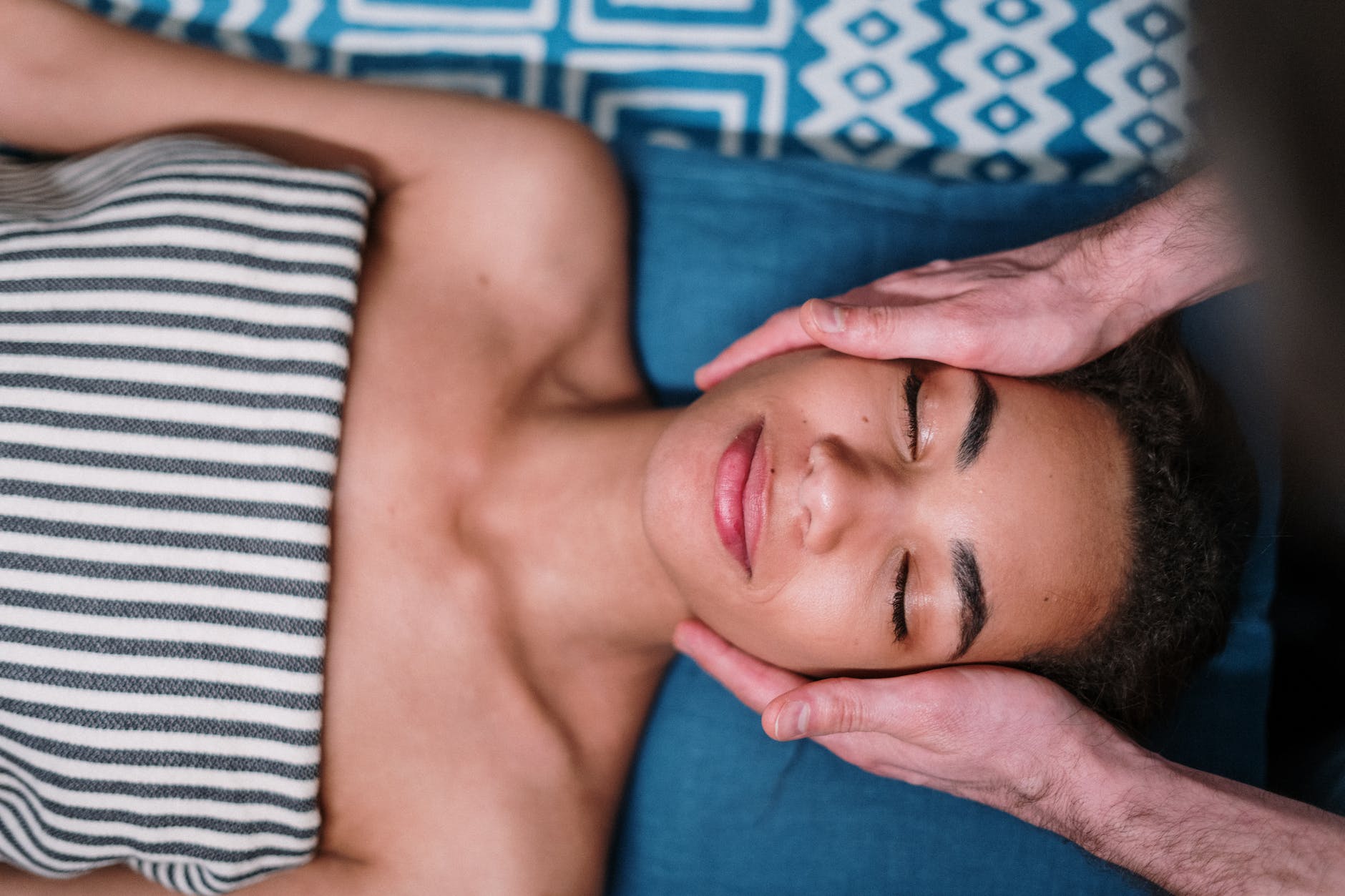
A self-care activity that I incorporate into my life is massages. If you are sore or stressed, a massage can relieve pain, promote relaxation, and ease muscle tension. There are many types of massages, such as Swedish, deep tissue, sports, trigger point, lymphatic, and prenatal massages (Schneik, 2022). A professional massage therapist can choose the best type of massage to cater to your needs.

Massages provide a broad range of physical and mental benefits. They can reduce anxiety and stress by lowering your cortisol stress hormone and increasing serotonin levels, (the feel-good hormone). These hormones can promote feelings of relaxation and calmness. Massages can relieve pain and muscle tension by promoting blood flow, and loosening tight muscles. They can also improve circulation throughout the body, help reduce inflammation, and promote healing. Other benefits include boosting immunity by increasing the activity of white blood cells and can help the body fight off infection. Studies show that a massage also help improve sleep by promoting relaxation and reducing anxiety and stress (Schneik, 2022). This is not recommended if you are pregnant, suspect any fractures or broken bones, have a life-threatening illness, or have any active skin rashes or infections (“Massage,” n.d.).

Many massage facilities provide services in Birmingham, Alabama, but my favorite place to get massages is Life Touch Massage. They provide professional, quality, and affordable massage therapy. If you live in Birmingham, AL, or surrounding areas, visit them at 1223 2nd Avenue S, Birmingham, AL, 35233. Do you include massage therapy in your self-care routine and recommend any massage parlors?

References

Massage. (n.d.). Better Health Channel – Better Health Channel. https://www.betterhealth.vic.gov.au/health/conditionsandtreatments/massage

Schneik. (2022, June 29). Everything you need to know about massage therapy. Cleveland Clinic. https://health.clevelandclinic.org/benefits-of-massage


Do You Think You Can Dance? Dancing Yourself to Good Health

By Jessica Feagin | Intern and UAB Community Health and Human Services Student

Photo by Kampus Production on Pexels.com

Most people love to dance! “Whether you’re 80 years young or 8 years old, engaging in physical activities that involve dance changes you” (Lindberg, 2019). Dancing can occur at celebrations, ritualistic ceremonies, and in the home. Dancing can be a form of self-expression and recreation. In addition, dancing can be enjoyable for people to stay fit, regardless of age, size, or shape. According to the Department of Health & Human Services (2007), dancing has many health benefits physically and mentally such as:

  • Increased muscle tone, strength, and endurance
  • Weight management
  • Stronger bones and decreased risk of osteoporosis
  • Improved balance
  • Improved mental functioning
  • Improved condition of your lungs and heart
  • Physical confidence
  • Psychological wellbeing
  • Greater self-esteem and self-confidence
  • Better social skills
  • Better coordination and flexibility
  • Increased aerobic fitness

To help get started with dancing, you can choose a style of dance that interests you and take a class at a dance studio. You can even search for dance videos on YouTube and learn new styles for free! There are many types of dances to try, such as line dancing, salsa, ballroom, jazz, ballet, and belly dancing. You can even take a class at a fitness facility and take dance-related fitness classes such as Zumba, hip-hop, cardio-dance. Don’t let age or ability stop you, there are YouTube Videos for older adults (and beginners) as well as classes such as dance classes offered as part of the Silver Sneakers program offered at the YMCA. Personally, I enjoy Zumba and take a class at a local community center.

If you decide to take up dancing, first visit your doctor if you have a medical condition, or health concern. Make sure to drink plenty of water while dancing, stretch and warm up before the dance session, following the session with a cool down or rest. Other tips suggest that you wear appropriately fitted shoes, pace yourself, make sure your form is correct, move fluidly as you can, and enjoy yourself (Department of Health & Human Services, 2007).

Do you like to dance? If so, grab your partner or friend and try a dance style you think you will enjoy, and let’s dance our way to good health!

References

Department of Health & Human Services. (2007, July 31). Dance – health benefits. Better Health Channel. https://www.betterhealth.vic.gov.au/health/healthyliving/dance-health-benefits

Lindberg, S. (2019, May 10). Benefits of dance: 8 benefits for adults and kids. Healthline. https://www.healthline.com/health/fitness-exercise/benefits-of-dance


Relaxing on the Beach Comes with Many Benefits for your Mind, Body, and Soul

By Jessica Feagin | Intern and UAB Community Health and Human Services Student

Photo by Asad Photo Maldives on Pexels.com

My family and I have experienced the unexpected loss of two close loved ones this year. My daughter and father passed within a month and one day apart. The feelings of grief, sadness, stress, and anxiety have been overwhelming. Hence, my sisters and I decided to go on a beach trip with my mother to celebrate her birthday and hope to experience some relaxation while visiting the beach. As I was listening to the sounds of the water and rubbing my feet in the sand, I felt a sense of calmness and relaxation in my mind and started wondering how the beach could benefit your mind, body, and soul. Surprisingly, going to the beach has many health benefits.

Sand is a natural gentle exfoliation, so walking across the beach sand will leave your feet looking smooth and silky. Ocean water has several benefits for your hair and skin. Ocean water is filled with minerals such as magnesium and sodium, which can help with psoriasis and acne, removing impurities and exfoliating dead skin cells from your scalp and skin. Getting a lot of sun while visiting the beach will give your body much-needed vitamin D. Vitamin D keeps your bones strong and boosts your immune system. Just looking at the blue water and the sound of the waves relaxes you. It is known for the colors blue and green to be calming, and the repetitious movement of the water is meditative. Even the smell of water is beneficial. Studies have shown that salty air helps with your mood and seasonal affective disorder. Visiting the beach has been shown to decrease your stress hormone, which can help you refocus and the reboot you may need (Pauli, 2023).

Do you enjoy going to the beach with loved ones? If so, pack your beach bag and sunscreen to experience the many health benefits the beach offers. I am quite sure your mind, body, and soul will appreciate it.

References

Pauli, M. (2023, May 8). Health benefits of going to the beach. Wailea Ekahi Village. https://waileaekahivillage.com/blog/health-benefits-of-going-to-the-beach/


Protecting Your Kids While Playing on the Playground

By Jessica Feagin | Intern and UAB Community Health and Human Services Student

Photo by Orione Conceiu00e7u00e3o on Pexels.com

A great experience that I share with my kids is visiting the playground. My kids enjoy going to the playground. Although playgrounds offer my kids fun play, exercise, and fresh air, they can also pose a severe risk of injury if unsafe behaviors or faulty equipment occurs.

According to the Consumer Product Safety Commission (CPSC), each year, more than 200,000 children visit the emergency room for playground-related injuries, including fractures and traumatic brain injuries such as concussions (“5 playground safety tips for parents – Children’s health,” n.d.). One of the key factors to prevent injury in kids is always having adult supervision.

Some other playground safety rules for your kids are to:

  • Choose the right playground equipment based on your child’s skills and age.
  • Choose playgrounds with safe surfaces made from shredded rubber or wood chips to lessen the risk of injury.
  • Dress your kid appropriately for the playground.
    • Items such as necklaces, scarves, and clothing that can get caught around their necks can pose a hazard.
  • Use playground equipment properly.
    • Ex. never climb up slides or jump from the swings or the top of the slide.
  • Be careful on the monkey bars.
    • They cause half of all serious playground falls.
  • Apply sunscreen and bring water to make sure your kids stay hydrated.

Teaching your kids how to play safely is also important. Remind your little ones never to push or roughhouse with other children while playing on the playground equipment. Again, your child(ren) must always have adult supervision while playing on the playground. If an injury occurs, make sure you have the ability to provide first aid or notify medical professionals if needed. Enjoying watching your kids play on the playground is a happy time, but remember the safety rules and guidelines to avoid playground-related injuries.

References

5 playground safety tips for parents – Children’s health. (n.d.). https://www.childrens.com/health-wellness/5-tips-for-playground-safety


“Live HealthSmart Alabama” Mobile Wellness Van is on the Move

By Jessica Feagin | UAB School of Education Community Health and Human Services Student Intern

Photo by SHVETS production on Pexels.com

Live HealthSmart Alabama is a movement whose goal is to make “good health simple,” and is committed to reducing high cholesterol, high blood pressure, obesity, and diabetes in residents of Alabama (“Mobile wellness,” n.d.). One of the services Live HealthSmart Alabama provides to communities that are most needed is health screenings at no charge. Health screenings can give a picture of your overall health and help highlight possible risk areas needing improvement.

The Live HealthSmart Alabama Mobile Wellness van stops in their demonstration areas and other Birmingham communities that need it most (“Mobile wellness,” n.d.). People in the community are seen by a team and are provided with their health numbers, such as weight, height, and BMI. They also are provided with their blood pressure, cholesterol, blood sugar, and other health risks, all in just 15 minutes at no cost. It is essential to know your health numbers, because they will tell you whether you are at risk for certain conditions and diseases. After all, your weight, blood pressure, blood sugar, and cholesterol are all risk factors for developing cardiovascular conditions, diabetes, and stroke (“Preventative health screenings,” n.d.). Not only will team members provide you with your health numbers, but they will also identify what you need to remain healthy, and show you how to make better lifestyle changes. If any numbers are abnormal or out of range, team members will recommend the next steps for your healthcare (“Mobile wellness,” n.d.). Check out their website at Mobile Wellness – Live Healthsmart Alabama | UAB  to see where the mobile wellness van will head next. They may be visiting your surrounding community soon!

References:

Mobile wellness. (n.d.). The University of Alabama at Birmingham | UAB. https://www.uab.edu/livehealthsmartal/services/mobile-wellness

Preventative health screenings. (n.d.). Life & Work Connections. https://lifework.arizona.edu/health-screenings


Diet Pills: Are They Safe?

By Terrie Johnson| UAB Community Health & Human Services Intern

Photo by Yaroslav Shuraev on Pexels.com

Regarding losing weight, nutritionists and physical therapists usually recommend sustained periods of healthy eating and exercising. Notably, such activities require patience, discipline, and hard work. However, many people are unwilling to stay committed to the course. Instead, some individuals purchase unauthorized and unapproved slimming pills online, swayed by the “miracle” of quick weight loss. Nevertheless, these diet pills are unsafe and contain dangerous components. Although diet pills are unsafe, the desperation to lose weight makes people become reckless and risk their lives by taking the medications.

Diet pills cause more harm than good. Many weight loss pills have contaminated ingredients, are dangerous, and result in health complications. For example, in recent years, investigations into many weight loss products sold in the United States have found that they contain antidepressants, seizure medications, and laxatives. In addition, some slimming pills contain sibutramine, a stimulant that equally acts as an appetite suppressant. Dedov et al. (2018) reveal that sibutramine affected people’s blood pressure and did not help individuals to lose weight. In addition, fluoxetine is a prescription antidepressant; however, it is a key component in some slimming pills. Overall, the medications are dangerous and rarely work.

Although some people may still use diet pills regardless of their risks, the safest methods for losing weight include eating healthily and exercising. Consuming a high-fiber diet, eating fruits and vegetables, drinking plenty of water, avoiding unhealthy foods, and reducing alcohol intake can help one reduce weight (Miketinas et al., 2019). In addition, being active and exercising enables one to burn many calories, thereby reducing weight. Generally, eating healthily and exercising allow one to lose weight safely.

In summary, diet pills have become popular since they promise miraculous weight loss; however, they are unsafe. Most slimming pills are not approved by the FDA and contain dangerous ingredients. The only safe strategies for losing weight include healthy eating and exercising. People must not look for the easy way to lose weight but should put in the hard work and discipline.

References

Dedov, I. I., Melnichenko, G. A., Troshina, E. A., Mazurina, N. V., & Galieva, M. O. (2018). Body weight reduction associated with the sibutramine treatment: Overall results of the PRIMAVERA Primary Health Care Trial. Obesity Facts11(4), 335-343. https://doi.org/ 10.1159/000488880.

Miketinas, D. C., Bray, G. A., Beyl, R. A., Ryan, D. H., Sacks, F. M., & Champagne, C. M. (2019). Fiber intake predicts weight loss and dietary adherence in adults consuming calorie-restricted diets: the POUNDS lost (Preventing Overweight Using Novel Dietary Strategies) study. The Journal of Nutrition149(10), 1742-1748. https://doi.org/10.1093/jn/nxz117.

The Washington Post. (2019). The trouble with diet pills. They don’t work, and they can be unsafe. (Online Image). Health & Science. https://www.washingtonpost.com/national/health-science/the-trouble-with-diet-pills-they-dont-work-and-they-can-be-unsafe/2015/02/02/d3995022-7f1f-11e4-8882-03cf08410beb_story.html


The Health Benefits of an Infrared Sauna

Jessica Feagin | UAB School of Education Intern

Photo by Amar Preciado on Pexels.com

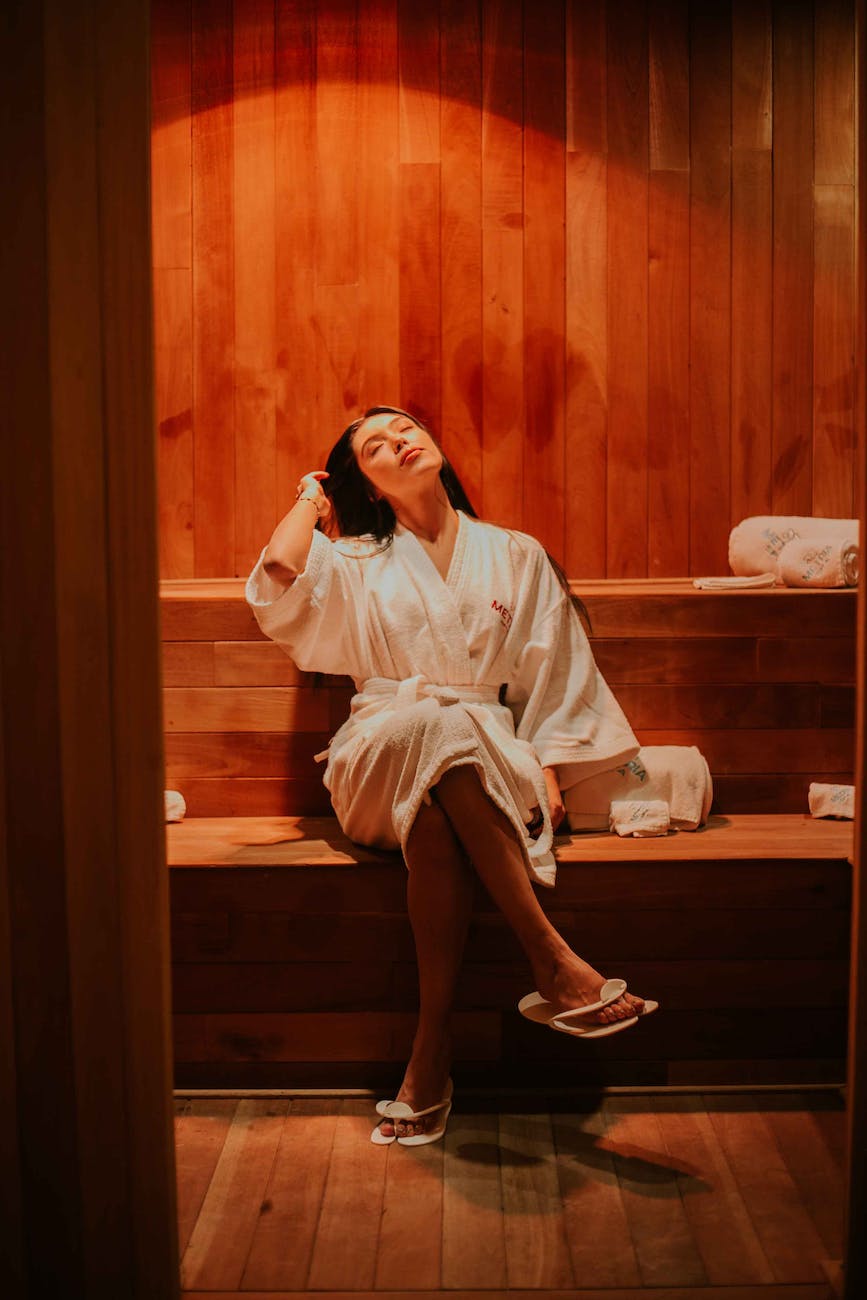
An infrared sauna uses steam or heat to create an environment that will increase your core body temperature. While using an infrared sauna, you’ll sweat, and your heart rate will increase to pump more blood to your skin, which is your body’s way of cooling you down. An infrared sauna mimics the effects of physical activity and provides similar health benefits as exercise (“Health benefits of infrared saunas,” 2021).

It has been shown in studies that infrared saunas can help boost heart health and decrease blood pressure. Researchers compared the physical response of a sauna session to a moderate-paced walk. An infrared sauna can speed up muscle recovery following exercising for improved blood circulation. Infrared saunas can also be used for meditation and help decrease stress, anxiety, and depression. Better sleep has also been linked to sauna use. There is evidence that using an infrared sauna regularly can help avoid the common cold and reduce oxidative stress related to cardiovascular disease, degenerative diseases, and cancer (“Why infrared saunas are ‘Cooler’ than traditional saunas,” 2022).

Healthline (Lindberg, n.d.) has provided some tips on how to use an infrared sauna:

  • Make sure you are hydrated before going into the sauna. You can bring water into the sauna with you.
  • If it is your first time using the infrared sauna, you want to start at 100 degrees Fahrenheit for a few sessions and increase the temperature each session until you reach 150 degrees Fahrenheit.
  • For the first session, start with 10 to 15 minutes. Afterward, you can add time to each session until you reach the recommended time of 20 to 30 minutes.
  • You can dress in whatever you decide. Some people prefer to go naked, and some wear bathing suits.
  • After your session, it is recommended that you take your time and let your body cool down. After your body cools down, feel free to take a shower.
  • It is recommended to use the sauna three to four days per week.
  • Avoid using the sauna if you’ve been drinking alcohol
  • If you feel lightheaded when you stand up while getting out, make sure you get up slowly and sit down once you get out. Make sure to drink your water.

My husband purchased a portable infrared sauna from Amazon to be used in our home. After using the sauna, I feel relaxed, and I feel that it has helped with my weight loss journey. In addition, my husband feels the infrared sauna has helped improve his knee pain due to blood circulation from using the sauna. Everyone may experience different effects from using an infrared sauna. However, it has known health benefits, so it won’t hurt to try it. It can be purchased online, and it can be found in some fitness spas. Have you experienced using an infrared sauna?

References

Health benefits of infrared saunas. (2021, April 29). WebMD. https://www.webmd.com/balance/health-benefits-of-infrared-saunas

Lindberg, S. (n.d.). Infrared sauna benefits: 9 reasons saunas are good for your health. Healthline. https://www.healthline.com/health/infrared-sauna-benefits

Why infrared saunas are ‘Cooler’ than traditional saunas. (2022, April 14). Cleveland Clinic. https://health.clevelandclinic.org/infrared-sauna-benefits/


Obesity, Overweight, and Simply Walking

By Jessica Feagin, Intern and UAB Community Health and Human Services Student

Photo by Polina Tankilevitch on Pexels.com

People who are overweight or obese, compared to those with healthy weight, are at increased risk for many severe diseases and health conditions. These include high blood pressure, high cholesterol, type 2 diabetes, coronary heart disease, stroke, gallbladder disease, sleep apnea, breathing problems, low quality of life, body pain, and mental illness. Overweight is defined as a body mass index of twenty-five or higher. Obesity is defined as a BMI of 30 or higher. According to the CDC, all states and territories have more than 20% of adults with obesity. The South (36.3%) had the highest prevalence of obesity (“CDC Overweight & Obesity,” 2022).

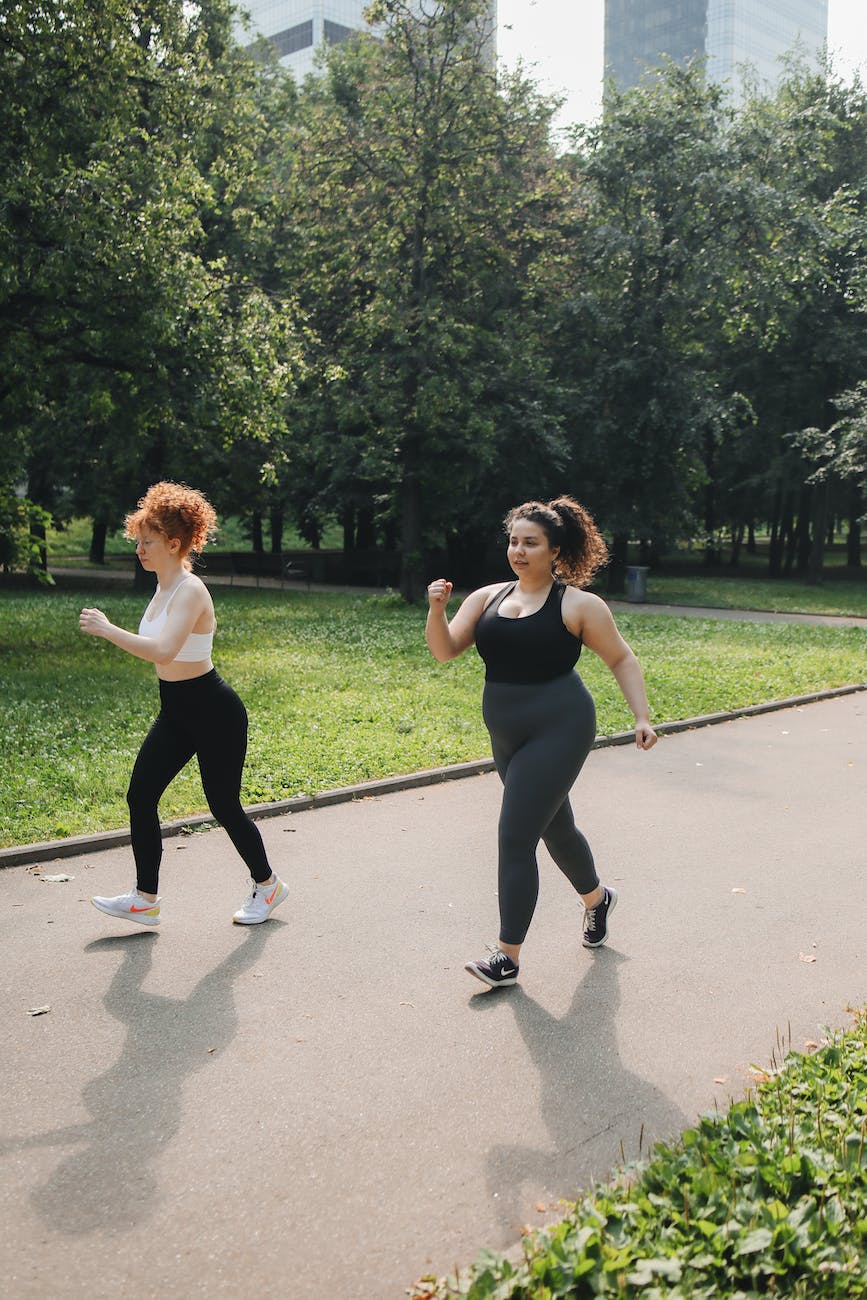
Physical activity like walking is essential for weight control because it helps burn calories. Adding 30 minutes of brisk walking to your daily routine could burn about 150 more calories a day. Of course, the more you walk and the quicker your pace, the more calories you burn. Combining physical activity and cutting calories seems to help with weight loss more than exercise alone (“Walking: Is it enough for weight loss?” 2022).

Besides weight control, regular brisk walking manages and prevents many conditions, such as heart disease, stroke, high blood pressure, diabetes, and cancer. It also strengthens your muscles/bones, increase energy levels, improves mood, strengthens your immune system, reduces stress, and improves sleep (“Walk your way to fitness,” 2021).

A brisk walk requires purposeful movements and good posture. Ideally while walking, you should:

  • Have your head up
  • Relax your neck, shoulders, and back
  • With a slight bend in elbows,  swing your arms freely
  • Straighten your back and stomach muscles slightly tightened
  • Roll your foot from head to toe, walking smoothly

Before you start your walking routine, it is vital to get the appropriate gear, walk in a safe environment, warm up, and cool down. Walking has many benefits, so grab a partner and simply walk!

References

CDC overweight & obesity. (2022, October 20). Centers for Disease Control and Prevention. https://www.cdc.gov/obesity/index.html

Walking: Is it enough for weight loss? (2022, November 30). Mayo Clinic. https://www.mayoclinic.org/healthy-lifestyle/weight-loss/expert-answers/walking/faq-20058345

Walk your way to fitness. (2021, May 19). Mayo Clinic. https://www.mayoclinic.org/healthy-lifestyle/fitness/in-depth/walking/art-20046261


Limiting Screen Time in Our Little Ones

By Jessica Feagin | Intern and UAB Community Health and Human Services Student

Photo by Harrison Haines on Pexels.com

The American Academy of Pediatrics (AAP) recommends avoiding screen time for children younger than 18 to 24 months, except for talking with family members. The AAP also recommends limiting screen time for preschool children, ages 2 to 5, to just one hour a day of high-quality programming, such as Sesame Street and other educational shows. Watching educational shows with characters playing and interacting cooperatively can model good social skills (“NewYork-Presbyterian, 2021).

Screen time is the amount of time spent on devices such as tablets, smartphones, computers, and televisions. Too much screen time can be related to obesity, irregular sleep, behavioral problems, impaired academic performance, violence, and less time for play (Christensen & CNP, 2021). Find other activities to do with your children, such as reading, teaching, and playing together. Designating media-free zones such as the bedroom and dining table can be beneficial. Children should not sleep with devices in their bedrooms, including TVs, computers, and smartphones (HealthyChildren.org, n.d.).

The American Academy of Pediatrics (AAP) has designed a Family Media Plan to help families make wise media choices. The AAP recommends that families follow the family media plan to consider the health, education, and entertainment needs of the whole family and each child (AAP, n.d.).

As a mother of a three- and five-year-old, and in today’s world, it can be tough to keep toddlers and children away from media devices. Of course, keeping them “preoccupied” with media devices can keep them from crying or from climbing on furniture, but on the other hand, it is vital to understand the risks that are related to increased screen time and should work hard to follow the recommendations provided by The American Academy of Pediatrics. How do you limit screen time with your little ones?

References

Christensen, J., & C.N.P. (2021, May 28). Children and too much screen time. Mayo Clinic Health System. https://www.mayoclinichealthsystem.org/hometown-health/speaking-of-health/children-and-screen-time

Media and children. (n.d.). Home. https://www.aap.org/en/patient-care/media-and-children/

What does too much screen time do to kids’ brains? (2021, November 3). NewYork-Presbyterian. https://healthmatters.nyp.org/what-does-too-much-screen-time-do-to-childrens-brains/

Where we stand: Screen time. (n.d.). HealthyChildren.org. https://healthychildren.org/English/family-life/Media/Pages/Where-We-Stand-TV-Viewing-Time.aspx