Helping Women dealing with Alopecia Areata and Hair Loss

Angela Wilson | UAB Community Health & Human Services Intern

Photo by Athena on Pexels.com

For many women, having long, lustrous hair is a sign of youth, aesthetic beauty, and confidence. It is a brief snapshot of how we represent ourselves to the world. So, it is no wonder that if a woman starts to see her hair thinning, shedding, or coming out in copious amounts, it is time to stop everything to tend to this problem.

Alopecia Areata is an autoimmune disease where cells in your immune system surround and attack your hair follicles. The causes of this disease include age, genetics, severe emotional distress, crash diets, hormonal imbalance, eccentric hair styles, and childbirth or other illness.  Alopecia Areata causes the hair to come out in clumps about the size of a quarter. The amount of hair loss varies from person to person and so do the effects. Some women experiencing alopecia may fully regrow their hair, while other women may never get their hair back.  Alopecia does not only occur on the head. Men and women can occur anywhere on the body, including eyebrows, eyelashes, armpits, and facial hair. 

Studies find that African American women are more vulnerable to alopecia than any other demographic. This may be attributed to certain hair practices conducive to their culture like braids and weaves. Chemically treated and/ or permed hair also make African American women more prone to alopecia (Lane, 2023). Alopecia typically does not cause pain or have symptoms.  As a matter of fact, women may be (otherwise), healthy. Most of the pain that women with alopecia experience is mental. They feel less attractive, embarrassed, saddened, frustrated, angry, shame, and even less of a woman.

There is good news though. There are many different options to treat female hair loss. They include the FDA approved drug, minoxidil, hormonal treatments such as anti-androgen therapy and estrogens, multi-vitamin and iron supplements, steroids, protein-rich plasma (PRP) injections, wigs, and hair restoration (NIH, 2023). If you are a woman who suffers from alopecia and are seeking treatment,  please do your research, consult a medical professional, and make the best choice for you.

References:

Lane, D. (2023, June 14). Black Women & CCC Alopecia: 5 things you must know. BlackDoctor.org. https://blackdoctor.org/black-women-central-centrifungal-cicatricial-alopecia-what-you-must-know/

Mayo Foundation for Medical Education and Research. (2022a, March 26). Hair Loss- Symptoms and Causes. Mayo Clinic. https://www.mayoclinic.org/diseases-conditions/hair-loss/symptoms-causes/syc-20372926

U.S. Department of Health and Human Services. (2023, July 27). Alopecia areata. National Institute of Arthritis and Musculoskeletal and Skin Diseases. https://www.niams.nih.gov/health-topics/alopecia-areata


Light of the World: Bringing Mental Health to Life, LLC

By Jessica Feagin | UAB Community Health and Human Services Intern

Photo by Madison Inouye on Pexels.com

This weekend, I had the pleasure of meeting up with Chief executive officer and mental health professional, Xavian Tate. Mr. Tate founded Light of the World LLC. He is driven to make a difference in people’s lives with the ultimate goal of empowering people and impacting mental well-being. The scripture inspired the name of his organization and firm, Matthew 5:16, “Let your light shine before men, in such a way that they may see your good works and glorify your Father which is in heaven.”

Light of the World: Bringing Mental Health to Life is a mental health consulting firm that offers many services, such as:

  • Life and peer coaching- Individual coaching (life coaching) is a collaborative process through which clients work one-on-one with a trained mental health coach in a safe environment to achieve professional and personal goals.
  • Cleaning therapy-Say goodbye to clutter and stress as their cleaning therapists create an organized and clean space to promote mental clarity and emotional well-being.
  • Financial therapy-A team is provided to work with people to assist with securing a healthy and proper financial future.
  • Travel therapy-Professionals work with individuals who need a mental health break.

To book these services and learn more about this firm, visit their website at lwicorp.org


The Benefits of Honey

Angela R. Wilson | UAB Community Health & Human Services Intern

Photo by ROMAN ODINTSOV on Pexels.com

Honey is sweet and pleasing to the pallet, but taste is not the only good thing about this viscous substance. Although honey has more calories than typical white sugar, it offers more flavor and usually requires a smaller amount when cooking and baking.  Raw honey is an unprocessed food that comes straight from a beehive.  The honey sold in stores is less sticky and easier to serve after increased heat temperatures. 

Honey has antioxidants known as phenolic and flavonoid acids that help the body keep various health issues at bay, like heart disease, autoimmune disorders, and cancer. There are many types of honey.  Clover Honey, Wildflower Honey, Acacia Honey, Alfalfa Honey, and Manuka Honey are a few of the more popular sorts. The darker the honey, the greater the antioxidant. The antioxidants and nutrients in honey can also help facilitate a healthy diet and help manage diabetes.

Honey is also medicinal and has long been used to treat wounds and burns. When applied to wounds, the micronutrients nourish the unhealthy tissue and stimulate tissue growth while promoting healing. Honey also moisturizes the skin while giving it a protective barrier.  A medical grade of honey can be used to treat first and second-degree burns, pressure ulcers, and leg and foot ulcers.  This sterilized form of honey comes from bees that gather honey from trees in New Zealand and Australia.  Medical grade honey can be in the form of gels, dressings, and pastes and added into adhesives.  Make sure you consult your physician before using medical grades of honey on any cuts, wounds, or burns. 

Honey is also known to soothe a sore throat when added to warm lemon water or hot tea. It may also be used as a cough suppressant for children between 1-5 years old. Although studies have shown that honey can be just as effective as cough medicine for children, giving honey to infants under one is not wise due to the risk of infant botulism.

If you have honey at home and are considering using it for healing purposes, do your research and consult your doctor or physician to increase your knowledge and maximize honey’s benefits.

References

WebMD. (2022). Honey: Are There Health Benefits? https://www.webmd.com.

Sass, C. (2023). What Are the Health Benefits of Honey? https.//www.health.com

Cleveland Clinic Health Essentials. (2023). The Benefits of Honey. How to Incorporate It You’re your Diet. https://health.clevelandclinic.org.


The Importance of Prostate Screening

Angela R. Wilson | UAB Community Health & Human Services Intern

Photo by Karolina Grabowska on Pexels.co

Many men prolong getting a prostate exam or do not get one at all.  The reasons vary and include things like thinking they are not old enough to have a prostate exam or believing there is no reason for a prostate exam because they feel okay.  This approach can adversely impact your health by increasing your risk of prostate cancer.  

According to the American Cancer Society (2023), men should start screening for prostate cancer at 50.  However, African American men and men with a history of first-degree relatives, like a father or a brother, who have been diagnosed with Prostate cancer are at a higher risk. They should begin screening as early as 45. Men who have more than one first-degree relative should start their screening by the time they reach age 40. Although cancer screenings are essential, they are not recommended for men 75 and older because the risks outweigh the benefit in this age group.

So, what is a prostate exam? A prostate exam allows a doctor to check the male’s prostate by carefully inserting a gloved finger into his rectum. This allows the doctor to check for abnormalities, lumps, tenderness, hard spots, or swelling in a male’s prostate. The screening is quick (usually lasting only a few seconds) and not painful, although men have complained that it is relatively uncomfortable. If your results are abnormal, your doctor may need to conduct further testing like magnetic resonance imaging (MRI) or a prostate biopsy to look for signs of cancer (John Hopkins Medicine, 2023).

Prostate screening allows cancer to be detected in its infancy, offering more treatment options, improving survivability, and extending life expectancy.  Prostate screening is one of the most essential things a male can do to find cancers before they spread, so please get in touch with your doctor to schedule an appointment. Remember that an ounce of prevention is worth a pound of cure!

References

 American Cancer Society. (2023). American Cancer Society Recommendationos For Prostate Cancer. https://www.cancer.org.

John Hopkins Medicine.  (2023). Prostate Cancer Screening.  https://www.hopkinsmedicine.org.

Rochester Regional Health. (2021). Prostate Exams: Do You Really Need One?. https://hive.rochesterregional.org.


Overcoming Depression

By Terrie Johnson | UAB Community Health & Human Services Student

Photo by Klaus Nielsen on Pexels.com

Many people suffer from depression or its symptoms either unknowingly or knowingly. This mental health issue interferes with a patient’s ability to perform daily tasks and is accompanied by drastic mood changes. Subsequently, if you suspect you are depressed, seek professional aid promptly. By so doing, you get a proper diagnosis and commence treatment (Torres, 2020). Apart from medical interventions, you can overcome depression by focusing on what matters to you, setting achievable goals, and embracing a healthy lifestyle.

The effects of depression are severe, and patients are advised to seek treatment. By consulting a physician and getting the proper medication, you suppress the symptoms of this mental disorder. Consequently, you enjoy a good quality of life. Also, an individual can embrace psychotherapy and receive professional counseling (Torres, 2020). This move allows you to unpack what has been weighing you down. Subsequently, your mental burdens become lighter, and you can look beyond your problems.

Depression may result from one’s surroundings. For instance, if you are working in a toxic environment, you may gradually develop this mental disorder. Thus, after diagnosis, you can overcome depression by only focusing on what matters to you (Torres, 2020). For instance, you can quit your job or cut contact with people who worsen your situation. Sometimes, individuals get depressed because they set unrealistic goals. You can undo this by focusing on achievable objectives.

Lastly, embracing a healthy lifestyle is a catalyst for reducing the rate of depression. You can overcome depression by eating nutrition-dense food, exercising regularly, and engaging in activities that make you happy (Torres, 2020). Some patients find comfort in fast foods that are detrimental to their well-being. If you are a victim, form healthy eating habits. Participating in sports or hiking allows your body to release feel-good hormones that lift your mood. Hence, both medical and alternative interventions will enable you to overcome depression.

Reference

Torres, F. (2020, October). What is depression? Psychiatry.org – What Is Depression? https://www.psychiatry.org/patients-families/depression/what-is-depression


Depression and Pregnancy

By Terrie Johnson| UAB Community Health & Human Services Intern

Photo by Amina Filkins on Pexels.com

The prevalence of depression in expectant mothers is high. This mental health disorder affects pregnant women and presents through fatigue, loss of appetite, suicidal ideation, and hopelessness, among other signs. The causes of depression during pregnancy are diverse and vary among individuals. For some people, this condition emanates from life-related uncertainties. For instance, unplanned pregnancies are stressful and often shake relationships. Thus, a woman may become depressed if her partner leaves and she is unsure if she can take care of the baby by herself. Also, one may have lost a previous pregnancy or child and is afraid that the events could reoccur. Thus, it is critical for would-be parents to seek psychotherapy before and during pregnancy to make the process smoother.

Depression in pregnant women can also occur due to pregnancy-related complications. During pregnancy, the body produces hormones that help with fetal growth. However, they are responsible for severe mood swings in some women. Negative mood changes accompanying pregnancy can turn into depression if they are not controlled. For example, one may have chronic, unexplained sadness. Failure to seek professional help results in depression because the body cannot regulate moods effectively during pregnancy. Moreover, physical pain in limbs or muscles during pregnancy can become chronic, which leads to depression.

While maternal depression can occur in patients who have never had this condition, those who have had it before are at a higher risk. According to Jahan et al. (2021), it affects fetal well-being and could result in preterm birth, low birth weight, or neurodevelopmental issues. Thus, expectant mothers should prioritize mental health by focusing on the positive outcomes of pregnancy. Regardless of the challenges, the result of pregnancy is a beautiful baby. Therefore, concentrating on what one can control protects the child and mother from physical and emotional turmoil. For example, women can engage in activities that make them look forward to having the baby, like shopping and knitting infant garments. Finally, one could spend time with other parents or attend child-care classes if they doubt their parenting abilities.

If you think you might have depression during pregnancy, talk to your healthcare provider about how you feel to determine your next steps. You are not alone.

Reference

Jahan, N., Went, T. R., Sultan, W., Sapkota, A., Khurshid, H., Qureshi, I. A., & Alfonso, M. (2021). Untreated depression during pregnancy and its effect on pregnancy outcomes: A systematic review. Cureus. https://doi.org/10.7759/cureus.17251


Is Dark Chocolate Good for You?

Amanda Benko | UAB Community Health & Human Services Intern

Photo by Vie Studio on Pexels.com

Dark chocolate is a delightful treat, but research shows it might be great for the heart. Let’s delve into the potential health benefits of consuming dark chocolate.

Research shows that dark chocolate contains compounds called flavanols that have been linked to heart health. Flavanols are a type of polyphenol, a natural compound with antioxidant properties that protect cells against harm caused by free radicals (Heart, 2019). Additionally,  flavanols improve the bloodstream to the heart, diminish blood pressure, and decrease the chance of blood clots. Flavanols in dark chocolate may also help reduce inflammation in the body, which is related to numerous chronic diseases, including heart disease.

While dark chocolate may have potential health benefits for the heart, it is essential to note that it is still high in calories and should be consumed in moderation (Mayo Clinic, 2022). Remember, consuming excessive amounts of chocolate, especially those containing high sugar and fat, can lead to weight gain and increase the chances of other health issues. Additionally, those with certain health conditions, such as diabetes, should be cautious and discuss alternative approaches to heart health with their doctor.

In conclusion, though research is making favorable discoveries linking dark chocolate to heart health, it is essential to enjoy dark chocolate sensibly and be careful of components such as included sugars and fats. 

References

Heart. (2019). Are there health benefits from chocolate? http://Www.heart.org. https://www.heart.org/en/news/2019/02/12/are-there-health-benefits-from-chocolate

Mayoclinic. (2022). Choose dark chocolate for your heart. Mayo Clinic Health System. https://www.mayoclinichealthsystem.org/hometown-health/speaking-of-health/choose-dark-chocolate-for-your-heart.


Migraine headaches and useful tips to avoid them

By Jessica Feagin | UAB Community Health & Human Services Intern

Photo by Kindel Media on Pexels.com

My oldest sister suffers from migraines often and on any day in which she experiences them, her whole day is impacted. She discovered that one issue causing migraines is eating cheese, so she rarely eats it. I love cheese, so I feel bad for her. Her experience with migraines made me want to look more into their triggers and how to deal with them.

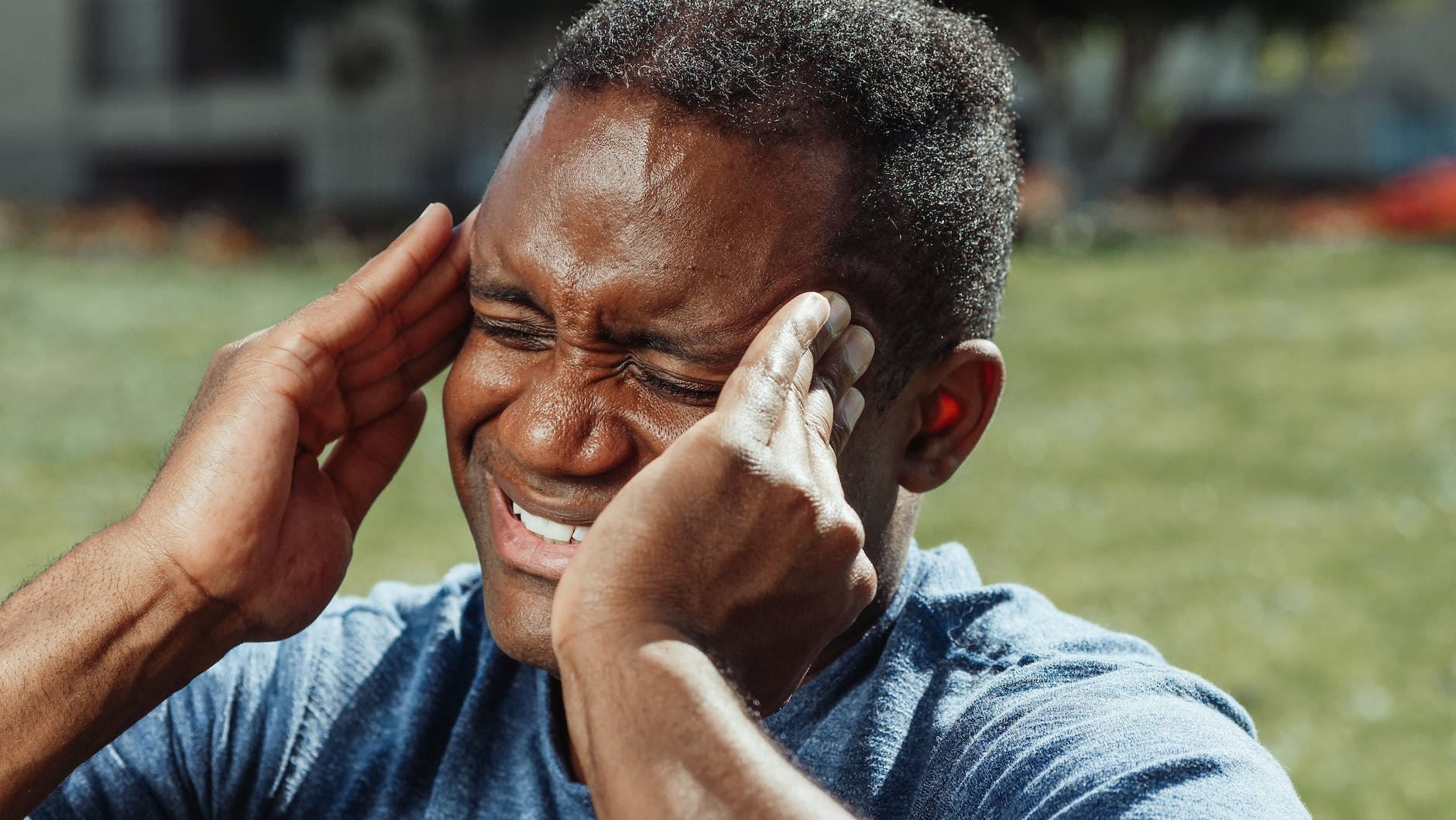
A headache that causes a pulsing sensation or severe throbbing, typically on one side of the head, is a migraine. Pain from migraines can be so powerful that they can interfere with your daily routine and last from hours to days (Mayo Clinic, 2021). Stress is a common cause for migraines, and a way to deal with it is to figure out what causes unnecessary stress and work on soothing methods to prevent stress.

The American Migraine Foundation offers some tips to avoid migraines:

  • Irregular Sleep – Try to get at least 8 hours of uninterrupted sleep
  • Hormonal Changes – Lifestyle changes or even birth control can aid with balancing hormone levels
  • Foods – Try to think about what you have eaten prior to a migraine and see if avoiding that food helps
  • Caffeine & Alcohol – Know your limits and avoid drinking either in excess
  • Dehydration – When you feel the onset of a migraine, try drinking at least 8-10 oz. of water
  • Light & Smell – If you frequently get migraines after going to certain places, try changing the lighting or air fresheners
  • Medication – If you find that after starting a new medication you are having migraines, talk to your doctor about alternative options

One way to prevent migraines is try to keep up with a diary or tracking plan to document what you are doing and eating before and when your migraine starts. Migraines can cause so much discomfort. I dislike when I have a typical headache, so I can’t imagine what someone goes through who experiences migraines often. On a positive note, it is helpful that there are ways that people can prevent migraines. Do you experience migraines? If so, what are your triggers and coping measures? Share your experiences with us here and join the discussion on Facebook here.

References:

Migraine – Symptoms and causes. (2021, July 2). Mayo Clinic. https://www.mayoclinic.org/diseases-conditions/migraine-headache/symptoms-causes/syc-20360201

American Migraine Foundation. (2017, July 27). Top 10 Migraine Triggers and How to Deal with Them | AMFhttps://americanmigrainefoundation.org/resource-library/top-10-migraine-triggers/


OUCH! Tips on Treating Wasp Stings

By Jessica Feagin | UAB Community Health & Human Services Intern

Photo by Pixabay on Pexels.com

My 5-year-old son was playing in the backyard one afternoon, and he came into the house crying, saying he had been stung by a wasp. I immediately comforted him because I remembered the pain I felt when I was stung by a wasp as a child. The side of his face where he was stung had a welt and turned red. That side of his face had also swollen. I immediately researched how to treat a wasp sting to ensure my son would feel better.

Wasp stings are common and only sting when irritated by a person or their nest has been disturbed. Wasps keep their stinger. Therefore, they can sting several times. During a sting, wasps will also inject venom into the skin. Although painful and causes some discomfort, wasp stings can be treated at home. The pain from a wasp sting typically doesn’t last any more than one day, and swelling can last a couple of days. Symptoms of wasp stings can include pain in the area where it stung, redness, swelling, itching, and possibly hives if you have a reaction to the sting. Seek medical attention if you have been stung in the throat, nose, or mouth or experience life-threatening allergic reactions such as tightness in the throat or chest, uncontrolled coughing, profuse sweating, hives over large areas of the body, and dizziness or fainting (WebMD Editorial Contributors, 2020). WebMD (2020) has made some suggestions on how to treat a wasp sting at home:

  • Wash the sting area with warm soap and water to remove any venom or bacteria the wasp could have carried.
  • Apply a cold compress for about 30 to 60 minutes, with intervals of 10 minutes on and off, to reduce pain and swelling from the wasp sting.
  • Take an anti-inflammatory medication like ibuprofen to help relieve pain from the sting.
  • Apply an antihistamine such as a corticosteroid or calamine lotion to relieve itchiness in the area.

Wasp stings are common, but do not let that prevent you or your children from playing outdoors. Wasp will sting you as a self-defense mechanism, so you must avoid them. However, if you or a loved one is stung by a wasp, there are home remedies that will help relieve the discomforts that come from the sting.

References

WebMD Editorial Contributors. (2020, November 20). Remedies for wasp stings. WebMD. https://www.webmd.com/skin-problems-and-treatments/remedies-wasp-sting


Living a Healthy Lifestyle During Pregnancy

By Jessica Feagin | UAB Community Health and Human Services Intern

Photo by Gustavo Fring on Pexels.com

Staying healthy is especially important during pregnancy. A nutritious and well-balanced diet during pregnancy can result in healthy birth weight and good baby brain development (Stickler, 2020). It can also reduce the risk of several congenital disabilities and the risk of anemia and morning sickness in the mother. A well-balanced diet during pregnancy consists of fruits and vegetables, vitamin C, protein, calcium, whole grains, folic acid, and iron-rich foods. Ensuring your juice, milk, and cheese are pasteurized is important to protect you and your baby from parasitic or bacterial infections. Also, avoid undercooked seafood and meat. In addition to a nutritious and well-balanced diet, prenatal vitamins play a vital role during pregnancy. For example, folic acid and choline are essential vitamins that may prevent spine and brain birth defects.

According to the American College of Obstetricians and Gynecologists, it is recommended that pregnant women aim for at least 150 minutes a week of moderate-intensity aerobic activity. Exercising during pregnancy can decrease stress, increase energy levels, increase circulation, improve sleep, and reduce backaches.

While pregnant, it is essential to avoid smoking, using drugs, and drinking alcohol. These habits have been linked to complications and can pose serious risks for you and your baby. For example, drinking alcohol during pregnancy can result in fetal alcohol syndrome, which can cause your baby to have abnormalities in their central nervous system and be underweight. Drinking alcohol can also cause premature labor and delivery and even stillbirth.

Make sure you attend all prenatal care appointments so your doctor can monitor you and your baby closely throughout your pregnancy. Having a baby can be the most exciting time for you and your family, so ensuring a healthy lifestyle is very important for you and your baby’s health. Do you have any pregnancy tips to give to pregnant mothers? If so, please share.

References

Stickler, T. (2020, July 9). Maintaining a healthy pregnancy. Healthline. https://www.healthline.com/health/pregnancy/healthy-pregnancy