Sports Safety & Injury Prevention: Stretching, Hydration, and Concussion Awareness for Student Athletes

Sports play a huge role in the lives of children and teens. Beyond the physical benefits of staying active, athletics teach teamwork, discipline, and confidence. But while sports are rewarding, they also come with risks. Each year in the United States, more than 3.5 million children under age 14 receive medical treatment for sports-related injuries (Centers for Disease Control and Prevention [CDC], 2022). Common injuries include sprains, strains, fractures, and concussions. Overuse injuries from repetitive training are also on the rise, particularly in young athletes who specialize in one sport too early (National Athletic Trainers’ Association [NATA], 2021).

The good news is that many of these injuries are preventable. By focusing on proper preparation—through stretching, hydration, and awareness of concussion symptoms—parents, coaches, and athletes can create a safer sports environment and help young players perform at their best.

Stretching: Preparing the Body to Perform

Warming up before activity and cooling down afterward can reduce the risk of sprains, strains, and muscle injuries. Dynamic stretches like high knees, jumping jacks, or arm circles prepare muscles for movement, while static stretches after practice help improve flexibility and recovery (National Athletic Trainers’ Association [NATA], 2021).

Tip: Student athletes should dedicate at least 10 minutes to warm-up and cool-down routines at every practice and game.

Hydration: Fueling Energy and Recovery

Dehydration affects performance and increases the risk of heat illness, especially during hot or intense practices. Even mild dehydration can impact focus, coordination, and endurance. Athletes should drink water before, during, and after physical activity. Sports drinks may be helpful during long or high-intensity workouts, but water is the best choice for most young athletes (CDC, 2023a).

Quick Check: Light-colored urine typically means proper hydration, while darker urine suggests the need for more fluids.

Concussion Awareness: Protecting the Brain

Concussions are one of the most serious sports-related injuries. They can occur in football, soccer, basketball, cheerleading, and many other activities. Warning signs include headache, dizziness, nausea, confusion, or sensitivity to light and noise.

If a concussion is suspected, the athlete should be removed from play immediately and evaluated by a healthcare professional. Returning too soon raises the risk of prolonged symptoms or additional injury (CDC, 2023b).

Golden Rule: When in doubt, sit them out.

Encouraging Safe Play

  • Parents, coaches, and athletes all share responsibility for safety. A few practical steps can help reduce risks:
  • Ensure athletes use the right protective gear for their sport.
  • Encourage open communication—athletes should feel comfortable reporting pain or symptoms.
  • Promote rest days to avoid overuse injuries.
  • Provide education on concussion awareness and safe hydration practices.

The Bottom Line

Sports are one of the best ways for young people to stay healthy, but safety must come first. By focusing on proper stretching, hydration, and concussion awareness, families and coaches can help student athletes stay safe, recover faster, and enjoy the game for years to come.

References

Centers for Disease Control and Prevention. (2022). Sports injury prevention: Keeping children safe on the field. https://www.cdc.gov/safechild/sports_injuries/index.html

Centers for Disease Control and Prevention. (2023a). Water and hydration. https://www.cdc.gov/healthywater/drinking/nutrition/index.html

Centers for Disease Control and Prevention. (2023b). Heads up: Concussion in youth sports. https://www.cdc.gov/headsup/youthsports/index.html

National Athletic Trainers’ Association. (2021). Prevention strategies for sports injuries. https://www.nata.org


Screen-Free Family Time Ideas: Reducing Digital Overload During Busy Months

Between school events, sports practices, and holiday preparations, families often find themselves stretched thin during the fall and winter months. With so much going on, it’s easy to default to screens for relaxation or distraction. But too much screen time can lead to sleep problems, less physical activity, and more stress for kids and adults alike (Centers for Disease Control and Prevention [CDC], 2023a). Creating intentional, screen-free family time not only reduces digital overload but also helps families reconnect during life’s busiest seasons.

Why Screen-Free Time Matters

Teens spend over 7 hours daily on entertainment-related screens, while younger kids also exceed recommended limits (American Academy of Pediatrics [AAP], 2019). Excessive screen use is linked to reduced face-to-face connection, eye strain, and disrupted sleep (CDC, 2023b). Setting aside time to unplug—even for a night or two each week—creates space for laughter, conversation, and stronger family bonds.

Screen-Free Ideas for the Busy Months

🍂 Fall Fun

  • Pumpkin Carving or Decorating: A seasonal tradition that sparks creativity and brings everyone together.
  • Family Hikes: Cooler weather makes it perfect for exploring local trails and enjoying fall colors.
  • Game Day Traditions: Instead of watching football, toss a ball around outside or organize a family-friendly backyard game.

❄️ Winter Warmth

  • Holiday Crafts: Make homemade ornaments, cards, or decorations.
  • Cooking Nights: Try baking cookies together or let kids plan a family dinner menu.
  • Cozy Reading Hour: Everyone grabs a blanket and a book. Share your favorite passages by the fireplace or at the kitchen table.

🌟 Year-Round Favorites

  • Board or Card Game Night: Rotate who picks the game to keep it fun.
  • DIY Projects: Build a birdhouse, paint, or start a family scrapbook.
  • Mindfulness Together: Family yoga, stretching, or guided relaxation to unwind after hectic days.
  • Community Volunteering: Pack food boxes, visit a senior center, or help a local shelter—giving back reduces stress and builds empathy.

Tips for Making It Stick

  • Pick a Night: Choose one evening a week as “family unplugged time.”
  • Let Kids Lead: Involve children in choosing the activity to keep them engaged.
  • Be Consistent: Regular practice helps screen-free time become part of family culture.
  • Model the Change: Parents setting aside phones sends the strongest message.

The Bottom Line

Busy seasons can leave families feeling disconnected, but stepping away from screens—especially in the fall and winter—creates opportunities for joy and connection. Whether it’s carving pumpkins, baking cookies, or bundling up for a family walk, the best memories often happen when screens are set aside.

Call to Action: This week, schedule one fall or winter activity to enjoy as a family without screens—you may just discover a new tradition.

References

American Academy of Pediatrics. (2019). Media and young minds. Pediatrics, 138(5), e20162591. https://doi.org/10.1542/peds.2016-2591

Centers for Disease Control and Prevention. (2023a). Screen time vs. lean time. https://www.cdc.gov/screen-time

Centers for Disease Control and Prevention. (2023b). Sleep and screen use. https://www.cdc.gov/sleep


Stay Strong This Cold & Flu Season: Simple Ways to Boost Your Family’s Immunity

Cold and flu season is here, and in places like Birmingham that means busy classrooms, packed workplaces, and plenty of chances for germs to spread. Every year in the U.S., millions of people come down with the flu, hundreds of thousands end up in the hospital, and sadly, thousands lose their lives to flu-related complications (CDC, 2023b). Kids, older adults, and those with chronic health conditions are at the greatest risk but even healthy families can find themselves knocked out by lingering colds or the flu. The good news? You don’t need pricey supplements or complicated routines to help protect your family. Simple, consistent daily habits can strengthen the immune system and give everyone a better chance at staying healthy all season long.

Fuel Your Body with the Right Foods

Your immune system runs best when it’s well-nourished. Think of food as fuel:

  • Vitamin C from citrus fruits, berries, and bell peppers helps your body fight infections.
  • Vitamin D—especially important in the winter—comes from fortified foods or supplements if you don’t get much sun.
  • Protein and zinc (in foods like lean meats, beans, and seeds) support your body in making strong immune cells.
  • Even adding one extra serving of fruits or veggies to each meal can boost immunity over time (Centers for Disease Control and Prevention [CDC], 2023a).

Move Your Body, Fight the Bugs

Exercise doesn’t just make you stronger—it also keeps your immune system alert. Walking the dog, playing outside with the kids, or dancing around the living room all count. The CDC suggests kids get 60 minutes a day and adults aim for 150 minutes a week of activity (CDC, 2022). Think of it as “moving medicine.”

  • Keep the Germs Away
  • We all know the basics, but they really work:
  • Wash hands often (20 seconds with soap and water).
  • Cover coughs and sneezes with your elbow.
  • Wipe down high-touch surfaces like phones, doorknobs, and keyboards.
  • Stay home when you’re sick to protect others.

These everyday habits are among the strongest defenses we have against colds and the flu (CDC, 2023b).

Local Help Right Here in Birmingham

Want extra protection? Get your flu shot. It’s recommended for everyone 6 months and older (CDC, 2023b). Birmingham has plenty of options:

  • Jefferson County Department of Health (JCDH) offers free flu shots at drive-thru clinics and health centers.
  • UAB Medicine and local pharmacies (CVS, Walgreens, Publix) also provide flu shots—often with no appointment needed.
  • Children’s of Alabama encourages families to vaccinate kids early in the season for best protection.

You don’t have to dread cold and flu season. By eating well, staying active, practicing good hygiene, and getting vaccinated, you can give your family the best defense. Birmingham has the resources—you just have to take advantage of them.

Call to Action: This week, set one small goal: add an extra fruit or veggie to your plate, go for a family walk, or schedule your flu shot. Your immune system will thank you.

References

Centers for Disease Control and Prevention. (2022). Benefits of physical activity. https://www.cdc.gov/physical-activity-basics/benefits

Centers for Disease Control and Prevention. (2023b). Flu prevention: Good health habits. https://www.cdc.gov/flu/prevent/actions-prevent-flu.htm

Centers for Disease Control and Prevention. (2023a). Healthy eating for a healthy weight. https://www.cdc.gov/healthyweight/healthy_eating

Children’s of Alabama. (2024). Flu season resources. https://www.childrensal.org

Jefferson County Department of Health. (n.d.). Free flu shots for Jefferson County residents. https://www.jcdh.org

UAB Medicine. (2024). Flu vaccine at UAB Medicine. https://www.uabmedicine.org


Helping Kids Thrive: Recognizing and Managing Back-to-School Stress

A new school year can be exciting, but it can also bring a lot of stress for kids and teens. Meeting new teachers, keeping up with schoolwork, juggling friendships, and balancing after-school activities can sometimes feel overwhelming. For families in Birmingham—and everywhere—being able to spot the signs of stress and having simple coping strategies can make the back-to-school transition a lot easier.

Recognizing Signs of Stress in Children and Teens

Stress doesn’t always look the same in young people as it does in adults. Some common signs include:

  • Emotional changes: Irritability, frequent crying, or withdrawal from family and friends.
  • Physical symptoms: Headaches, stomachaches, or changes in appetite.
  • Sleep disruptions: Trouble falling asleep, nightmares, or wanting to sleep more than usual.
  • School avoidance: Complaints of illness in the morning, reluctance to attend school, or declining grades.

According to the CDC (2023), anxiety disorders affect approximately 9.4% of children and adolescents in the U.S., and symptoms often emerge or worsen during times of transition—like starting a new school year.

Coping Strategies for Families

Parents and caregivers can play a powerful role in helping children manage back-to-school stress:

1.Create Predictable Routines

Consistent morning and evening schedules help children feel grounded. Preparing backpacks, clothes, and lunches the night before can reduce morning stress.

2. Open Communication

Encourage children to talk about their feelings. Ask open-ended questions like, “What part of school feels hardest right now?” Listening without judgment validates their emotions and builds trust.

3. Promote Healthy Habits

Regular sleep, balanced meals, and physical activity are critical for reducing stress. Research shows that youth who are physically active experience lower levels of anxiety and depression (CDC, 2022).

4. Practice Relaxation Skills

Simple mindfulness techniques, like deep breathing, guided imagery, or yoga, can help children calm their minds and bodies. Parents can practice these together with their child.

5. Limit Screen Time Before Bed

Too much exposure to screens, especially before bedtime, can interfere with sleep and heighten stress. Establish “tech-free” zones in the evening.

6. Know When to Seek Help

If stress or anxiety significantly interferes with daily functioning, families should consult with school counselors, pediatricians, or mental health professionals. Local resources in Birmingham, such as the UAB Community Counseling Clinic and Children’s of Alabama Behavioral Health, provide specialized support for children and teens.

The Bottom Line

Back-to-school season is rarely stress-free, but it doesn’t have to be overwhelming. When parents can spot the early signs of stress, set up supportive routines, and encourage healthy coping skills, they give their kids the tools to handle challenges with confidence. These habits don’t just help in the classroom—they build resilience kids can carry with them for life.

References

Centers for Disease Control and Prevention. (2022). Physical activity and health for children and teens. https://www.cdc.gov/physical-activity-basics/children

Centers for Disease Control and Prevention. (2023). Data and statistics on children’s mental health. https://www.cdc.gov/childrensmentalhealth/data

Healthy People 2030. (2020). Adolescent health objectives. U.S. Department of Health and Human Services, Office of Disease Prevention and Health Promotion. https://health.gov/healthypeople


The Freshman 15: Fact, Myth, and Healthy Choices for College Students

Heading off to college is an exciting new chapter, it is full of independence, new friends, and endless opportunities. But along with all these changes comes a familiar concern: the “Freshman 15.” This phrase describes the weight gain many first-year students experience, often around 15 pounds. While not everyone gains that exact amount, research shows that the transition to college life often brings shifts in eating habits, activity levels, and overall health.

Is the Freshman 15 Real?

Studies suggest that the average weight gain during the first year of college is closer to 5–7 pounds, not 15. However, even small increases in weight can add up if healthy habits aren’t maintained (Vadeboncoeur et al., 2015). The shift happens because of new routines, stress, and increased access to dining halls and fast food.

Why Does It Happen?

  1. Unstructured Eating: With busy schedules, students often skip meals, snack late at night, or rely on fast food.
  2. All-You-Can-Eat Dining: Unlimited dining hall access can lead to overeating.
  3. Stress and Sleep Changes: Stress from academics and less sleep can lead to higher cravings and poor food choices (CDC, 2023).
  4. Less Physical Activity: High school sports or structured exercise may be replaced by more sedentary lifestyles in college.

Healthy Habits to Prevent the Freshman 15

  • Balanced Meals: Aim for fruits, vegetables, lean proteins, and whole grains at most meals. Portion control helps when facing dining hall buffets.
  • Stay Active: Take advantage of campus recreation centers, join intramural sports, or simply walk to class instead of driving.
  • Prioritize Sleep: Poor sleep is linked to weight gain and difficulty concentrating. Strive for 7–9 hours nightly (CDC, 2023).
  • Smart Snacking: Swap chips and soda for nuts, fruit, or yogurt. Keep healthy snacks on hand in dorm rooms.
  • Manage Stress: Stress can lead to emotional eating. Try stress-reducing activities like exercise, meditation, or talking with friends.

The Bottom Line

The Freshman 15 isn’t inevitable—but lifestyle changes in college can affect weight and health. By making mindful food choices, staying active, and managing stress, students can enjoy their college years while protecting their long-term well-being. Parents, mentors, and schools can help by supporting wellness programs and encouraging balanced routines.

References

Centers for Disease Control and Prevention. (2023). Healthy weight, nutrition, and physical activity. https://www.cdc.gov/healthyweight

Vadeboncoeur, C., Townsend, N., & Foster, C. (2015). A meta-analysis of weight gain in first year university students: Is freshman 15 a myth? BMC Obesity, 2(22). https://doi.org/10.1186/s40608-015-0051-7


Unlocking Potential: The Importance of Intellectual Health in Adolescents

Health isn’t just about the body or even the mind, it also includes intellectual health. That means being curious, thinking critically, and always learning. For teens, growing their intellectual health is especially important. It helps them succeed in school, solve problems more effectively, and feel more confident about their future.

What Is Intellectual Health?

Intellectual health means engaging the mind in lifelong learning, creativity, and open-mindedness. For teens, this may include schoolwork, reading, creative projects, or exploring new interests. Strong intellectual health helps adolescents adapt to challenges, make informed choices, and grow into resilient adults (Healthy People 2030, 2020).

Why It Matters During Adolescence

Adolescence is a time when the brain is still developing, especially in areas tied to decision-making, reasoning, and problem-solving. Investing in intellectual growth during these years encourages positive academic outcomes and reduces risky behaviors (CDC, 2023). It also helps teens feel more capable and confident navigating everyday challenges.

Building Intellectual Health in Teens

Encourage Curiosity

  • Support your teen in exploring new interests—whether it’s science, art, music, or technology. Curiosity leads to lifelong learning.

Promote Reading and Critical Thinking

  • Encourage reading beyond school assignments. Discuss books, articles, or even current events to help teens practice analyzing information and forming opinions.

Limit Passive Screen Time

  • While technology can be a tool for learning, excessive scrolling or gaming can replace opportunities for creative or intellectual growth. Encourage balance with activities that challenge the mind.

Engage in Creative Outlets

  • Writing, drawing, coding, or playing music are not just hobbies—they stimulate problem-solving and self-expression.

Model Lifelong Learning

  • When parents show enthusiasm for learning—taking a class, reading, or trying new activities—teens are more likely to value intellectual health themselves.

Supporting Intellectual Health in Schools and Communities

Schools and communities in Birmingham can play a key role by offering after-school programs, STEM clubs, libraries, and mentorship opportunities. For example, local resources like the Birmingham Public Library and McWane Science Center give teens opportunities to expand learning beyond the classroom.

The Bottom Line: Intellectual health is about more than grades, it’s about curiosity, creativity, and lifelong growth. By encouraging exploration, supporting reading and creative activities, and modeling a love of learning, families and communities can help teens unlock their full potential.

References

Centers for Disease Control and Prevention. (2023). Youth development and health. https://www.cdc.gov/healthyyouth

Healthy People 2030. (2020). Educational access and quality objectives. U.S. Department of Health and Human Services, Office of Disease Prevention and Health Promotion. https://health.gov/healthypeople


Growing Together: Fostering Social Health in Birmingham Teens

Adolescence is about more than growing up, it’s about growing together. Social health meaningful connections, belonging, and supportive relationships is a critical foundation for teens well-being. Here in Birmingham, fostering these connections can help our youth build confidence, resilience, and a sense of purpose.

Why It Matters Locally

Positive social connections promote mental health, reduce risky behaviors, and enhance academic success (CDC, 2023). Yet, national studies show that high social media usage among teens increases exposure to cyberbullying and feelings of isolation (CDC, 2023). Locally, rising mental health concerns among Birmingham teens underscore the importance of in-person social support and engagement (Children’s of Alabama, 2022).

Community Programs That Strengthen Bonds

  • Hope Squad: A peer-supported suicide prevention initiative in Birmingham schools that teaches students to recognize and respond when friends are struggling emotionally (Community Foundation of Greater Birmingham, 2024).
  • Magic City Acceptance Center (MCAC): Since 2014, MCAC has served over 650 LGBTQ youth ages 13–24 in Birmingham through drop-in support, art programs, free counseling, and events like Queer Prom.
  • TAKE Resource Center & Magic City Wellness Center: TAKE provides peer support, outreach, and legal aid for trans youth, while Magic City Wellness Center offers inclusive primary care, HIV/STD services, and gender-affirming care—bolstering both emotional and physical well-being.

How Families and Schools Can Build Social Health

  1. Encourage Face-to-Face Activities
  2. Promote participation in school clubs, faith-based groups, or community events. These in-person interactions help teens form meaningful bonds and foster belonging.
  3. Balance Digital Engagement
  4. Guide teens toward thoughtful use of social media while providing alternatives like youth-led groups or creative classes that build connection without screens.
  5. Support Peer-Led Initiatives
  6. Programs like Hope Squad empower teens to create supportive school environments. Encourage schools and parent groups to adopt or expand such initiatives.
  7. Champion Inclusive Spaces
  8. Back local centers like MCAC and the Wellness Center that promote acceptance. Advocate for safe environments connected to identity, mental health, and peer belonging.

The Bottom Line

Healthy social connections shape flourishing adolescents. Birmingham is rich in resources that build connection—peer support, inclusive centers, and school-based initiatives. By combining safe digital habits, community programs, and family support, we help our teens grow socially strong and confidently connected.

References

Centers for Disease Control and Prevention. (2023). Adolescent connectedness. https://www.cdc.gov/healthyyouth/protective/connectedness/index.htm

Children’s of Alabama. (2022). Community health needs assessment: Mental and behavioral health. https://www.childrensal.org/sites/default/files/2022-12/CHNA-REPORT-22.pdf

Community Foundation of Greater Birmingham. (2024). Hope Squad: Improving mental health in children and youth. https://www.cfbham.org/news/hope-squad-improving-mental-health-in-children-and-youth/


Calm, Consistent, Connected: Parenting Children with ADHD and ODD

Parenting is a journey filled with ups and downs. For families raising children with both Attention-Deficit/Hyperactivity Disorder (ADHD) and Oppositional Defiant Disorder (ODD), the challenges can feel magnified. ADHD often brings difficulties with attention and impulse control, while ODD is marked by defiance, anger, and frequent arguments with authority figures. Together, these conditions can lead to stress at home and school but there are proven ways parents can respond with resilience and care.

1. Understand the “Why” Behind the Behavior

Children with ODD are not simply being “difficult.” Their brain wiring and frustration tolerance make it harder for them to manage emotions. Understanding that defiance often comes from overwhelm—not willful disobedience—helps parents approach situations with empathy (American Academy of Child and Adolescent Psychiatry [AACAP], 2021).

2. De-Escalate Instead of Engage

When children argue, it’s natural to want to correct them immediately. But power struggles often make defiance worse. Staying calm, lowering your voice, and allowing a short cooling-off period can prevent conflict from spiraling. Pick your battles—save energy for the behaviors that matter most (National Institute of Mental Health [NIMH], 2023).

3. Use Clear and Neutral Consequences

Unlike children with ADHD alone, those with ODD often test limits repeatedly. Consequences should be consistent, immediate, and unemotional—such as loss of a privilege for a set time. Harsh punishments or yelling tend to increase oppositional behavior, while neutral, predictable responses reduce it (Centers for Disease Control and Prevention [CDC], 2023).

4. Strengthen Emotional Regulation

Teaching coping skills helps children respond differently in moments of frustration. Simple strategies include practicing “stop and breathe” before reacting, role-playing problem-solving, or using calming spaces at home. Over time, these tools build self-control and reduce angry outbursts.

5. Try Parent Management Training

Evidence shows that parent training in behavior management is highly effective for children with ADHD and ODD. These programs coach parents on positive discipline, limit-setting, and reinforcing cooperation. With practice, families often see improvements in both child behavior and household stress (AACAP, 2021).

6. Build a Strong Support Network

Managing ADHD and ODD can be draining. Parents benefit from support groups, counseling, or connecting with other families facing similar challenges. Extended family, teachers, and mental health providers can also be valuable allies in creating consistency across settings.

The Bottom Line: Children with ADHD and ODD need structure, calm responses, and patient guidance. By focusing on de-escalation, consistent consequences, emotional skill-building, and parent training, families can reduce conflict and build stronger relationships rooted in trust and understanding.

References

American Academy of Child and Adolescent Psychiatry. (2021). Oppositional defiant disorder resource center. https://www.aacap.org

Centers for Disease Control and Prevention. (2023). Parent training in behavior management for ADHD. https://www.cdc.gov/ncbddd/adhd/behavior-therapy.html

National Institute of Mental Health. (2023). Disruptive, impulse-control, and conduct disorders. https://www.nimh.nih.gov


Helping Every Student Shine: How Schools Can Support Children with ADHD

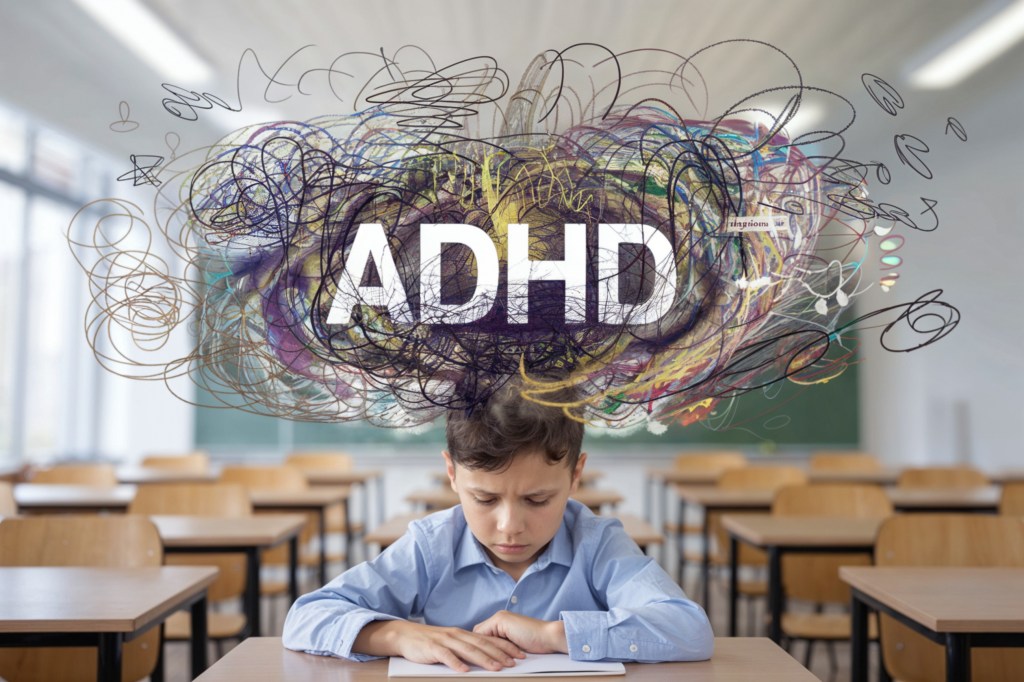
Attention-Deficit/Hyperactivity Disorder (ADHD) is one of the most common neurodevelopmental conditions in children, affecting attention, behavior, and self-control. An estimated 6 million children in the U.S. have been diagnosed with ADHD (Centers for Disease Control and Prevention [CDC], 2023). While parents play a crucial role, schools are equally important in creating an environment where these children can thrive academically and socially.

1. Early Identification and Support

Teachers are often the first to notice signs of ADHD, such as difficulty staying focused, impulsive behavior, or struggles completing assignments. When concerns arise, schools can connect families with appropriate evaluations and resources. Early recognition allows for timely intervention, reducing frustration for both students and teachers (National Institute of Mental Health [NIMH], 2023).

2. Classroom Accommodations

Structured support helps children with ADHD reach their potential. Through 504 Plans or Individualized Education Programs (IEPs), students may receive accommodations like:

  • Extended time on tests and assignments
  • Preferential seating close to the teacher
  • Frequent breaks to manage restlessness
  • Simplified, step-by-step instructions

These small changes can make a significant difference in learning and confidence (American Academy of Pediatrics [AAP], 2019).

3. Positive Behavioral Strategies

Children with ADHD often face criticism for disruptive behavior. Instead, schools can promote positive reinforcement by acknowledging effort and progress rather than only pointing out mistakes. Reward systems, consistent routines, and visual cues support behavior management while building self-esteem (CDC, 2023).

4. Teacher Training and Awareness

Educators need the right tools to support diverse learners. Professional development on ADHD can help teachers understand classroom strategies, cultural considerations, and how to collaborate with parents and healthcare providers. Training also reduces stigma, ensuring students feel supported rather than singled out (NIMH, 2023).

5. Collaborative Partnerships

The best outcomes occur when schools, parents, and healthcare providers work as a team. Regular communication ensures consistency in expectations and strategies across home and school. Schools can also connect families with counselors, psychologists, or social workers who provide additional support (AAP, 2019).

6. Promoting Healthy Routines in School

Daily exercise breaks, mindfulness activities, and opportunities for hands-on learning can help students with ADHD stay engaged. Encouraging physical activity and reducing excessive screen time during the school day also support focus and self-regulation (Healthy People 2030, 2020).

The Bottom Line: Children with ADHD can thrive when schools provide structure, compassion, and collaboration. By implementing accommodations, training staff, and partnering with families, schools can empower students to learn with confidence and succeed inside and outside the classroom.

References

American Academy of Pediatrics. (2019). Clinical practice guideline for the diagnosis, evaluation, and treatment of ADHD in children and adolescents. Pediatrics, 144(4), e20192528. https://doi.org/10.1542/peds.2019-2528

Centers for Disease Control and Prevention. (2023). Data and statistics about ADHD. https://www.cdc.gov/ncbddd/adhd/data.html

Healthy People 2030. (2020). Children with ADHD who get treatment. U.S. Department of Health and Human Services, Office of Disease Prevention and Health Promotion. https://health.gov/healthypeople

National Institute of Mental Health. (2023). Attention-Deficit/Hyperactivity Disorder. https://www.nimh.nih.gov/health/topics/attention-deficit-hyperactivity-disorder-adhd


From Challenges to Strengths: Parenting Children with ADHD

Parenting is never one-size-fits-all, and when raising a child with Attention-Deficit/Hyperactivity Disorder (ADHD), it can feel even more challenging. ADHD affects about 6 million children in the United States, influencing their ability to focus, control impulses, and manage daily routines (Centers for Disease Control and Prevention [CDC], 2023). But with the right tools and strategies, parents can help their children succeed both at home and in school.

1. Learn About ADHD

Understanding ADHD is the first step. ADHD is not a result of bad behavior or poor parenting—it is a neurodevelopmental condition. By learning about the symptoms, treatment options, and how ADHD affects learning and emotions, parents can approach challenges with patience and empathy (National Institute of Mental Health [NIMH], 2023).

2. Build Structure and Routines

Children with ADHD thrive in predictable environments. Clear daily schedules—such as set times for homework, play, and bedtime—can reduce anxiety and help kids stay on track. Visual aids like charts or planners can serve as helpful reminders (CDC, 2023).

3. Use Positive Reinforcement

Children with ADHD often hear more about what they are doing wrong than what they are doing right. To boost self-esteem and encourage good behavior, parents should celebrate small wins. Whether it’s finishing homework on time or remembering to brush their teeth, positive praise reinforces desired actions far better than punishment alone (American Academy of Pediatrics [AAP], 2019).

4. Support Healthy Habits

Good sleep, balanced nutrition, and regular physical activity make a big difference in managing ADHD symptoms. Active play—like biking, dancing, or sports—can improve focus and reduce restlessness. Limiting screen time and ensuring consistent sleep routines also help children regulate their energy and emotions (NIMH, 2023).

5. Practice Open Communication

Listening is powerful. Encourage children to talk about how they feel and what strategies help them. Working together teaches them to advocate for their needs and builds trust. Family “check-ins” at the end of the day can be a safe space for kids to share frustrations or successes (Healthy People 2030, 2020).

6. Partner With Teachers and Professionals

Parents don’t have to face ADHD alone. Collaborating with teachers, school counselors, and healthcare providers ensures that children receive consistent support. This might include classroom accommodations, therapy, or medication when appropriate (AAP, 2019).

7. Take Care of Yourself, Too

Parenting a child with ADHD can be exhausting. Parents should remember that self-care isn’t selfish—it’s essential. Support groups, counseling, or even short breaks can help parents recharge and show up with patience and consistency (NIMH, 2023).

The Bottom Line: Children with ADHD can thrive when supported with structure, encouragement, and understanding. By combining healthy routines, positive communication, and teamwork with professionals, parents can help their children unlock their potential and build confidence that lasts a lifetime.

References

American Academy of Pediatrics. (2019). Clinical practice guideline for the diagnosis, evaluation, and treatment of ADHD in children and adolescents. Pediatrics, 144(4), e20192528. https://doi.org/10.1542/peds.2019-2528

Centers for Disease Control and Prevention. (2023). Data and statistics about ADHD. https://www.cdc.gov/ncbddd/adhd/data.html

Healthy People 2030. (2020). Children with ADHD who get treatment. U.S. Department of Health and Human Services, Office of Disease Prevention and Health Promotion. https://health.gov/healthypeople

National Institute of Mental Health. (2023). Attention-Deficit/Hyperactivity Disorder. https://www.nimh.nih.gov/health/topics/attention-deficit-hyperactivity-disorder-adhd