How breastfeeding can reduce your risk of cancer.

By Amanda Benko | UAB Community Health & Human Services Intern

Photo by MART PRODUCTION on Pexels.com

Breastfeeding is a natural process that benefits the baby and the mom. In addition to its nutritional benefits, research by the National Institutes of Health (NIH) has shown that breastfeeding is vital in reducing the risk of breast and ovarian cancer among mothers. Breastfeeding reduces a woman’s exposure to estrogen, a hormonally active chemical known for its ability to impact the risk of breast cancer. Prolactin, an endocrine hormone released in response to breastfeeding, reduces estrogen production, making it more challenging to grow malignant cells inside the mammary gland. Additionally, breastfeeding promotes cellular differentiation inside the mammary glands, which means this decreases the likelihood of cellular abnormalities that may lead to the start of cancer.

Ovarian cancer is a severe and sometimes fatal disease that affects women worldwide. The Centers for Disease Control and Prevention (CDC) have found a link between the act of nursing and reduced ovarian cancer risk (Johnson, 2021). The risk and association between breastfeeding and ovarian cancer may have to do with the fact that women who are breastfeeding tend not to menstruate, or if they do, they have lighter periods. Lack of menstrual cycles can reduce the ovaries’ total exposure to estrogen and other hormones that can potentially promote the evolution of ovarian cancer. (CDC, 2019).

If you have not had children or cannot breastfeed, there are many other ways to reduce your cancer risk. Please check out the NIH or talk to your doctor about ways to reduce your risk, including diet and medication.

References

Anstey, E. H., Shoemaker, M. L., Barrera, C. M., O’Neil, M. E., Verma, A. B., & Holman, D. M. (2017, September). Breastfeeding and breast cancer risk reduction: Implications for black mothers. American journal of preventive medicine. https://www.ncbi.nlm.nih.gov/pmc/articles/PMC6069526/

Anstey, E., & Kincaid, G. (2019, August 1). Breastfeeding for cancer prevention. Centers for Disease Control and Prevention. https://blogs.cdc.gov/cancer/2019/08/01/breastfeeding-for-cancer-prevention/

MD Anderson Cancer Center, & Cordeiro, B. (2014, October 9). Breastfeeding lowers your breast cancer risk. MD Anderson Cancer Center. https://www.mdanderson.org/publications/focused-on-health/breastfeeding-breast-cancer-prevention.h19-1589046.html

Discovering the Benefits of Getting a Massage

By Jessica Feagin | UAB Community Health and Human Services Intern

Photo by cottonbro studio on Pexels.com

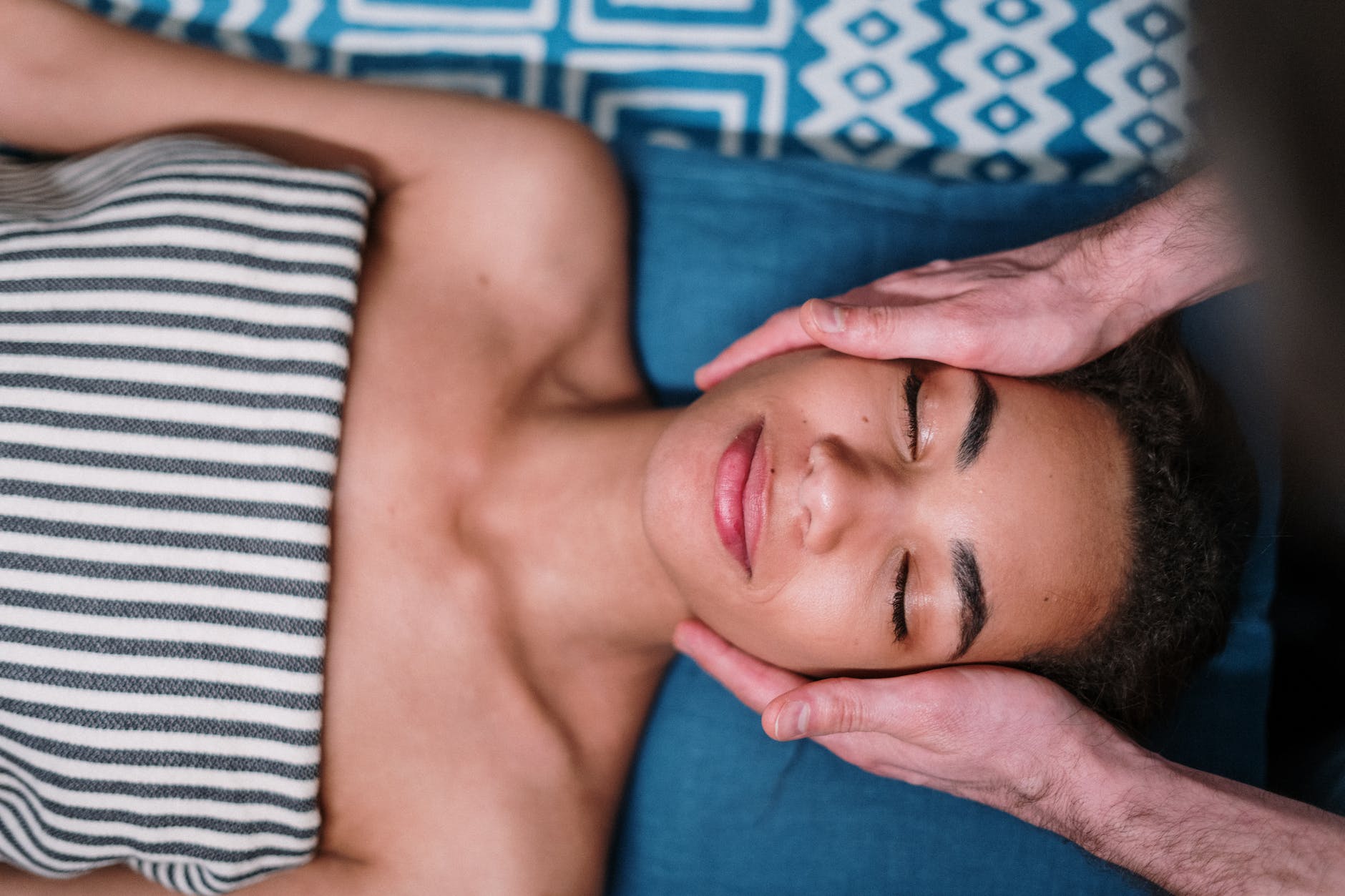
A self-care activity that I incorporate into my life is massages. If you are sore or stressed, a massage can relieve pain, promote relaxation, and ease muscle tension. There are many types of massages, such as Swedish, deep tissue, sports, trigger point, lymphatic, and prenatal massages (Schneik, 2022). A professional massage therapist can choose the best type of massage to cater to your needs.

Massages provide a broad range of physical and mental benefits. They can reduce anxiety and stress by lowering your cortisol stress hormone and increasing serotonin levels, (the feel-good hormone). These hormones can promote feelings of relaxation and calmness. Massages can relieve pain and muscle tension by promoting blood flow, and loosening tight muscles. They can also improve circulation throughout the body, help reduce inflammation, and promote healing. Other benefits include boosting immunity by increasing the activity of white blood cells and can help the body fight off infection. Studies show that a massage also help improve sleep by promoting relaxation and reducing anxiety and stress (Schneik, 2022). This is not recommended if you are pregnant, suspect any fractures or broken bones, have a life-threatening illness, or have any active skin rashes or infections (“Massage,” n.d.).

Many massage facilities provide services in Birmingham, Alabama, but my favorite place to get massages is Life Touch Massage. They provide professional, quality, and affordable massage therapy. If you live in Birmingham, AL, or surrounding areas, visit them at 1223 2nd Avenue S, Birmingham, AL, 35233. Do you include massage therapy in your self-care routine and recommend any massage parlors?

References

Massage. (n.d.). Better Health Channel – Better Health Channel. https://www.betterhealth.vic.gov.au/health/conditionsandtreatments/massage

Schneik. (2022, June 29). Everything you need to know about massage therapy. Cleveland Clinic. https://health.clevelandclinic.org/benefits-of-massage


Heart Disease Ranks Number One Killer of Women

By Terrie Johnson | UAB Community Health & Human Services Intern

Photo by Karolina Grabowska on Pexels.com

Heart disease refers to several kinds of illnesses that affect the cardiovascular system. In the United States (U.S.), it is the most common condition responsible for heart attack and high mortality rates. Based on the prevalence rates, heart disease is the number one killer of women in the U.S. (CDC, 2023). Its occurrence among women is instigated by conditions such as heart attacks, arrhythmia, and heart failure. As such, heart disease leads to low quality of life and high mortality among women.

The heart disease condition has had impacts on people close to me. A month ago, I lost a childhood friend to the disease. While on a family vacation in Florida, she experienced a medical emergency. On arrival at the hospital, she was diagnosed with a heart attack. The caregivers medically induced her into a coma. Unfortunately, she did not make it. Since she was a close friend, I attended her funeral. I stood by the graveside during the burial and reflected on our childhood. I could remember us playing and enjoying our childhood. At that time, we were young, innocent, free from worries, and avoided stress or health problems. Our parents were critical of our health and safety. As such, we were always healthy.

As I stood by the graveside, I could reflect on how those days were filled with playing, running, laughing, and hugging my friend. Foundationally, we were happy without a care in the chaotic world. After losing my friend, the situation made me think about my health and mortality. It was at this point that I realized my day was also coming. At that moment, God will call me home, and I hope I would have been good, forgiving, loving, and merciful, and asked for forgiveness for whatever sins I have committed and made it to heaven.

Heart disease ranks as the number one killer of women in the United States. According to the CDC, learning about heart disease and ways to keep a healthy heart is essential. You can keep a healthy heart by managing your stress levels, knowing your blood pressure, checking for diabetes, knowing your cholesterol, quitting smoking, being physically active, and choosing healthy foods and drinks (CDC, 2023). As women, our heart health is important.

Reference

Lower your risk for the number 1 killer of women. (2023, February 3). Centers for Disease Control and Prevention. https://www.cdc.gov/healthequity/features/heartdisease/index.html


Say No to Bullying!

By Jessica Feagin | Intern and UAB Community Health and Human Services Student

Photo by RDNE Stock project on Pexels.com

According to the Centers for Disease Control and Prevention, bullying is any unwanted aggressive behavior by another youth or group of children (CDC, 2022). Bullying may include social, psychological, educational, and/or physical harm on the targeted youth. Common types of bullying include physical (kicking, tripping, and hitting), verbal (teasing and name-calling), social (spreading rumors and being left out of a group), and damage to the victim’s property. Bullying can also occur via cell phones and online.

Physical injury, emotional stress, self-harm, and even death can result from bullying. Bullying increases the risk of anxiety, depression, lower academic achievement, and dropping out of school. Youth who bully other youth are at risk for academic problems, substance abuse, and experiencing violence when they are older. Youth who bully others and are bullied themselves are at greater risk for behavioral and mental health problems. It has been reported that bullying is a discipline problem that occurs weekly or in some cases daily, in approximately 14% of public schools (CDC, 2022).

The American Psychological Association recommends several ways teachers, parents, and students can address bullying (APA, 2011). Teachers must remember that bullying typically occurs in the bathroom, playground, hallways, and school buses. If teachers notice bullying, they must immediately stop it and inform school administrators. Teachers should remind their students that bullying is not acceptable and there will be consequences for such behaviors. Parents of kids that are possibly bullied should observe their child for signs so they can take appropriate actions to rectify the situation. Some signs of bullying are decreased appetite, nightmares, anxiety, depression, ripped clothing, and hesitation about attending school. It is essential to let your child know that you will help them. As parents, you could also work with your child and teach them to ignore a bully and develop assertive strategies for coping with bullying. Students need to inform their parents or any trusted adult of any form of bullying.

Bullying can impact those being bullied, and it is critical to identify and prevent it to provide a safe and nurturing environment for our youth. Say No to Bullying!

References

Fast fact: Preventing bullying. (2022, April 14). Centers for Disease Control and Prevention. https://www.cdc.gov/violenceprevention/youthviolence/bullyingresearch/fastfact.html

How parents, teachers, and kids can take action to prevent bullying. (2011, January 1). https://www.apa.org. https://www.apa.org/topics/bullying/prevent


Do You Think You Can Dance? Dancing Yourself to Good Health

By Jessica Feagin | Intern and UAB Community Health and Human Services Student

Photo by Kampus Production on Pexels.com

Most people love to dance! “Whether you’re 80 years young or 8 years old, engaging in physical activities that involve dance changes you” (Lindberg, 2019). Dancing can occur at celebrations, ritualistic ceremonies, and in the home. Dancing can be a form of self-expression and recreation. In addition, dancing can be enjoyable for people to stay fit, regardless of age, size, or shape. According to the Department of Health & Human Services (2007), dancing has many health benefits physically and mentally such as:

  • Increased muscle tone, strength, and endurance
  • Weight management
  • Stronger bones and decreased risk of osteoporosis
  • Improved balance
  • Improved mental functioning
  • Improved condition of your lungs and heart
  • Physical confidence
  • Psychological wellbeing
  • Greater self-esteem and self-confidence
  • Better social skills
  • Better coordination and flexibility
  • Increased aerobic fitness

To help get started with dancing, you can choose a style of dance that interests you and take a class at a dance studio. You can even search for dance videos on YouTube and learn new styles for free! There are many types of dances to try, such as line dancing, salsa, ballroom, jazz, ballet, and belly dancing. You can even take a class at a fitness facility and take dance-related fitness classes such as Zumba, hip-hop, cardio-dance. Don’t let age or ability stop you, there are YouTube Videos for older adults (and beginners) as well as classes such as dance classes offered as part of the Silver Sneakers program offered at the YMCA. Personally, I enjoy Zumba and take a class at a local community center.

If you decide to take up dancing, first visit your doctor if you have a medical condition, or health concern. Make sure to drink plenty of water while dancing, stretch and warm up before the dance session, following the session with a cool down or rest. Other tips suggest that you wear appropriately fitted shoes, pace yourself, make sure your form is correct, move fluidly as you can, and enjoy yourself (Department of Health & Human Services, 2007).

Do you like to dance? If so, grab your partner or friend and try a dance style you think you will enjoy, and let’s dance our way to good health!

References

Department of Health & Human Services. (2007, July 31). Dance – health benefits. Better Health Channel. https://www.betterhealth.vic.gov.au/health/healthyliving/dance-health-benefits

Lindberg, S. (2019, May 10). Benefits of dance: 8 benefits for adults and kids. Healthline. https://www.healthline.com/health/fitness-exercise/benefits-of-dance


CDC warns of malaria cases in Florida and Texas

Ashley Peoples | UAB Community Health & Human Services Intern

Photo by Pixabay on Pexels.com

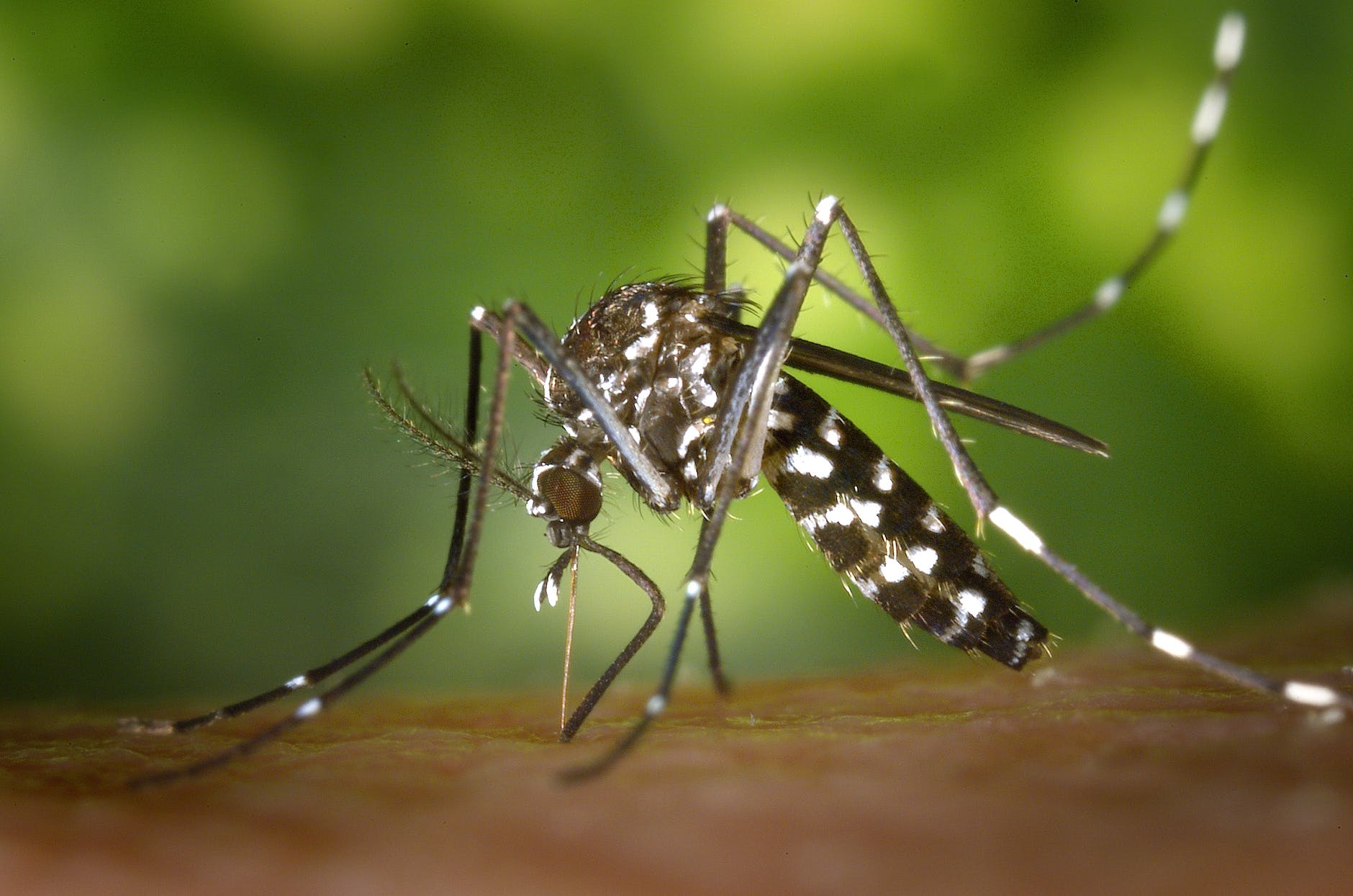
Cases of Malaria have been diagnosed in Florida and Texas. There were four cases in Sarasota County, Florida and one case in Cameron County, Texas. The case of malaria that was diagnosed in Florida and Texas is Plasmodium Vivax. Plasmodium Vivax lasts 48 hours and the signs and symptoms are a fever for many hours, sweating and then reduces down to normal body temperature.

Attention to these cases highlights that Malaria in the U.S. is commonly transmitted by people who travel different countries. Malaria is what the CDC calls an “endemic” which means ongoing. Like most health issues, education is a key component in prevention. Malaria is caused by a mosquito of five species, and they ingest blood from biting into the skin.

Those who are HIV positive, pregnant, or have Sickle Cell Anemia should take additional measures educate themselves of what Malaria is, and what does to the body, and mosquito bite prevention. Buck and Finnigan the authors of “Malaria,” stated that “P. falciparum infections are associated with complications such as maternal anemia, low birth weight, miscarriage, stillbirths, and congenital malaria”. The CDC states that the Texas State and Florida Departments of Health are working to monitor this issue and stop transmission. For example, the Florida Department of Health is currently working with local mosquito control in Sarasota County and Manatee County to prevent further transmission. Further, the CDC mentions the Texas Department of State Health Services is working with local health departments to conduct ongoing monitoring and surveillance to as means of prevention. It is important that people get constantly screened for malaria in people that have fevers and travels a lot to places that have malaria per the CDC.  Remember, prevention is important, citronella, and mosquito repellants help to prevent mosquito bites. Also, wearing light-weight pants, or sleeves shirts aid in reducing the risk of mosquito bites.

Centers for Disease Control and Prevention. (2023, June 30). CDC – Malaria – malaria in Florida. Centers for Disease Control and Prevention. https://www.cdc.gov/malaria/new_info/2023/malaria_florida.html

Malaria – statpearls – NCBI bookshelf – national center for … (n.d.). https://www.ncbi.nlm.nih.gov/books/NBK551711/


Relaxing on the Beach Comes with Many Benefits for your Mind, Body, and Soul

By Jessica Feagin | Intern and UAB Community Health and Human Services Student

Photo by Asad Photo Maldives on Pexels.com

My family and I have experienced the unexpected loss of two close loved ones this year. My daughter and father passed within a month and one day apart. The feelings of grief, sadness, stress, and anxiety have been overwhelming. Hence, my sisters and I decided to go on a beach trip with my mother to celebrate her birthday and hope to experience some relaxation while visiting the beach. As I was listening to the sounds of the water and rubbing my feet in the sand, I felt a sense of calmness and relaxation in my mind and started wondering how the beach could benefit your mind, body, and soul. Surprisingly, going to the beach has many health benefits.

Sand is a natural gentle exfoliation, so walking across the beach sand will leave your feet looking smooth and silky. Ocean water has several benefits for your hair and skin. Ocean water is filled with minerals such as magnesium and sodium, which can help with psoriasis and acne, removing impurities and exfoliating dead skin cells from your scalp and skin. Getting a lot of sun while visiting the beach will give your body much-needed vitamin D. Vitamin D keeps your bones strong and boosts your immune system. Just looking at the blue water and the sound of the waves relaxes you. It is known for the colors blue and green to be calming, and the repetitious movement of the water is meditative. Even the smell of water is beneficial. Studies have shown that salty air helps with your mood and seasonal affective disorder. Visiting the beach has been shown to decrease your stress hormone, which can help you refocus and the reboot you may need (Pauli, 2023).

Do you enjoy going to the beach with loved ones? If so, pack your beach bag and sunscreen to experience the many health benefits the beach offers. I am quite sure your mind, body, and soul will appreciate it.

References

Pauli, M. (2023, May 8). Health benefits of going to the beach. Wailea Ekahi Village. https://waileaekahivillage.com/blog/health-benefits-of-going-to-the-beach/


Exercise and Life Quality

By Terrie Johnson | UAB Community Health & Human Services Intern

Photo by Andrea Piacquadio on Pexels.com

Regular exercising is a crucial component of a healthy lifestyle since it improves physical and mental health, reducing the risk of chronic diseases and affecting overall well-being. Aside from weight loss and muscle building, exercise has several benefits that improve life quality. This blog post focuses on the impacts of regular physical activity on physical and mental health that can enhance the quality of life.

Physical activity and regular exercises have numerous benefits for physical health beyond muscle building and weight loss. In particular, regular exercising reduces the risk of chronic diseases and conditions, including high blood pressure, heart-related issues, obesity, type 2 diabetes, and breathing problems (Marques et al., 2018). Exercising also improves movement coordination and strengthens muscles and bones, reducing the chance of physical injury. Moreover, physical activity enhances the immune system, making people less susceptible to infections and diseases. Physical activity is a crucial aspect of a healthy lifestyle due to its positive impact on physical health.

Aside from positively impacting physical health, exercising enhances lifestyle by improving mental health. Regular exercise efficiently reduces anxiety and depression symptoms by stimulating the synthesis of endorphins, chemicals associated with happiness (Wang et al., 2021). Moreover, regular physical activity improves productivity during the daytime and sleep quality at night. Another benefit of exercising is that it can distract a person from everyday stressors, letting them clear their mind. Furthermore, group physical activity can enhance social connections, help find new friends, or help spend more time with family. These advantages of regular exercise can help a person improve and maintain their mental health.

Regular exercise is a powerful tool that can significantly impact a person’s health and overall well-being. The benefits of physical activity for physical and mental health cannot be overstated so that it can improve life quality. By making exercise a daily routine, a person can boost their energy levels, reduce stress, mitigate the risk of chronic diseases, and even enhance social connections. Why not start regularly exercising today?

References

Marques, A., Peralta, M., Gouveia, E.R., Martins, J., Sarmento, H., & Gomez-Baya, D. (2018). The Association between Physical Activity and Chronic Diseases in European Adults. European Journal of Sport Science 20:9, 1268-1276. DOI: 10.1080/17461391.2017.1400109

Wang, L., Sun, Y., Zhan, J., Wu, Z., Zhang, P., Wen, X., Ge, S., Han, X., & Lu, L. (2021). Effects of Exercise Therapy on Anxiety and Depression in Patients With Coronary Heart Disease: A Meta-Analysis of a Randomized Controlled Study. Frontiers in Cardiovascular Medicine, 8:730155. DOI: 10.3389/fcvm.2021.730155


Are College Students Using Health Resources?

By Terrie Johnson | UAB Community Health & Human Services Intern

Photo by Zen Chung on Pexels.com

Health resources on campus provide an opportunity for students to seek critical care services. For example, the available health clinics extend care paradigms such as urgent care when possible. Often, the health resources are paid for by the university through fees or are covered through health insurance. In some cases, students may make use of the health resources when they feel the urge to attend to their care needs. This inclination is dependent on varied factors that facilitate visitation to campus clinics.

The health resources available on campus are meant to fulfill students’ healthcare needs. In most cases, they are equipped to provide primary care services to the target population. Many students take advantage of the healthcare resources on campus. However, their frequency of utilizing facilities, such as care clinics, varies. According to Nunez (2022), 78 percent of university students use their health resources on campus at least once a year. This statistic indicates that more than half of the target population seeks care services from a university’s care facility. However, the intervals are widely spread, which indicates that students sparingly use their health resources available on campus. From a critical perspective, there is a gap that should be filled through revolutionary strategies.

Increasing the rate of using campus health resources among university students could be increased by educating them on the benefits. It is critical to outline to the target population that they can access primary care when needed. Other than this service, they can be provided with gynecology checkups or medical assessments to promote their well-being. University students can also be made aware of the availability of mental health counseling in their campus health resources. The above awareness drive will increase participation in the available resources to improve students care outcomes.

Are you (or did you) use the resources available on your college campus?

References

Nunez, K. (2022). PSA: Don’s sleep on the campus health center when you’re in college. Self. Retrieved from https://www.self.com/story/take-advantage-of-student-health-center#:~:text=(Though%2078%25%20of%20students%20do,to%20health%20insurance%20at%20all.


“Live HealthSmart Alabama” Mobile Wellness Van is on the Move

By Jessica Feagin | UAB School of Education Community Health and Human Services Student Intern

Photo by SHVETS production on Pexels.com

Live HealthSmart Alabama is a movement whose goal is to make “good health simple,” and is committed to reducing high cholesterol, high blood pressure, obesity, and diabetes in residents of Alabama (“Mobile wellness,” n.d.). One of the services Live HealthSmart Alabama provides to communities that are most needed is health screenings at no charge. Health screenings can give a picture of your overall health and help highlight possible risk areas needing improvement.

The Live HealthSmart Alabama Mobile Wellness van stops in their demonstration areas and other Birmingham communities that need it most (“Mobile wellness,” n.d.). People in the community are seen by a team and are provided with their health numbers, such as weight, height, and BMI. They also are provided with their blood pressure, cholesterol, blood sugar, and other health risks, all in just 15 minutes at no cost. It is essential to know your health numbers, because they will tell you whether you are at risk for certain conditions and diseases. After all, your weight, blood pressure, blood sugar, and cholesterol are all risk factors for developing cardiovascular conditions, diabetes, and stroke (“Preventative health screenings,” n.d.). Not only will team members provide you with your health numbers, but they will also identify what you need to remain healthy, and show you how to make better lifestyle changes. If any numbers are abnormal or out of range, team members will recommend the next steps for your healthcare (“Mobile wellness,” n.d.). Check out their website at Mobile Wellness – Live Healthsmart Alabama | UAB  to see where the mobile wellness van will head next. They may be visiting your surrounding community soon!

References:

Mobile wellness. (n.d.). The University of Alabama at Birmingham | UAB. https://www.uab.edu/livehealthsmartal/services/mobile-wellness

Preventative health screenings. (n.d.). Life & Work Connections. https://lifework.arizona.edu/health-screenings