What Parents Should Know About Pink Eye

By Ashley Peoples| UAB Community Health & Human Services Intern

Photo by Anna Shvets on Pexels.com

Pink eye is common in young kids and is contagious if caused by bacteria or a virus. Breakouts of the pink eye can sweep through playgrounds and even preschools. The CDC (2019) states that pink eye, also known as conjunctivitis, is caused by viruses, bacteria, and allergens. Babies and children can develop pink eye by having an eyelash fall in their eyes, indoor pollution, and fungi. Parents should be aware of the symptoms of pink eye, such as pink or red color in the white part of the eyes, increased tearing, itching, discharge, crusting of eyelids, and feeling like there is something in their eyes, which will cause your children to rub their eyes more often.

Different types of pink eye include viral, bacterial, and allergic conjunctivitis. Viral conjunctivitis occurs with symptoms of the flu or a cold which causes discharge that is usually watery in the eyes rather than thick.  Bacterial conjunctivitis sometimes happens with an ear infection and is more commonly associated with discharge. Allergic conjunctivitis typically occurs in both eyes, which may arise with symptoms of allergies and can produce intense tearing, itching, and swelling in the eyes (CDC,2019). Pink eye can occur through contact. Therefore, parents should be encouraged to wash their children’s hands and their hands often.

If your child shows signs of pink eye, it can possibly be treated. If bacteria cause pink eye, your healthcare provider will prescribe antibiotics. Antibiotics cannot treat pink eye that is caused by a virus. Pink eye is a common infection that most of us can tell stories about from our childhood. Parents, you can prevent your child from developing pink eye by learning what it is and how it occurs. Ensuring your children’s hands are clean is essential to prevent the transmission of this infection. Hand hygiene is crucial in keeping a pink eye from spreading from one person to another. The CDC provides many recommendations for parents to know what to do if their child has pink eye. During this summer, make sure when your child is outside playing to clean their toys and hands frequently.

References

Centers for Disease Control and Prevention. (2019, January 4). Treating pink eye (conjunctivitis). Centers for Disease Control and Prevention. https://www.cdc.gov/conjunctivitis/about/treatment.html
Stretch It Out – The Health Benefits of Stretching

By Jessica Feagin | UAB Community Health & Human Services Intern

Photo by Ketut Subiyanto on Pexels.com

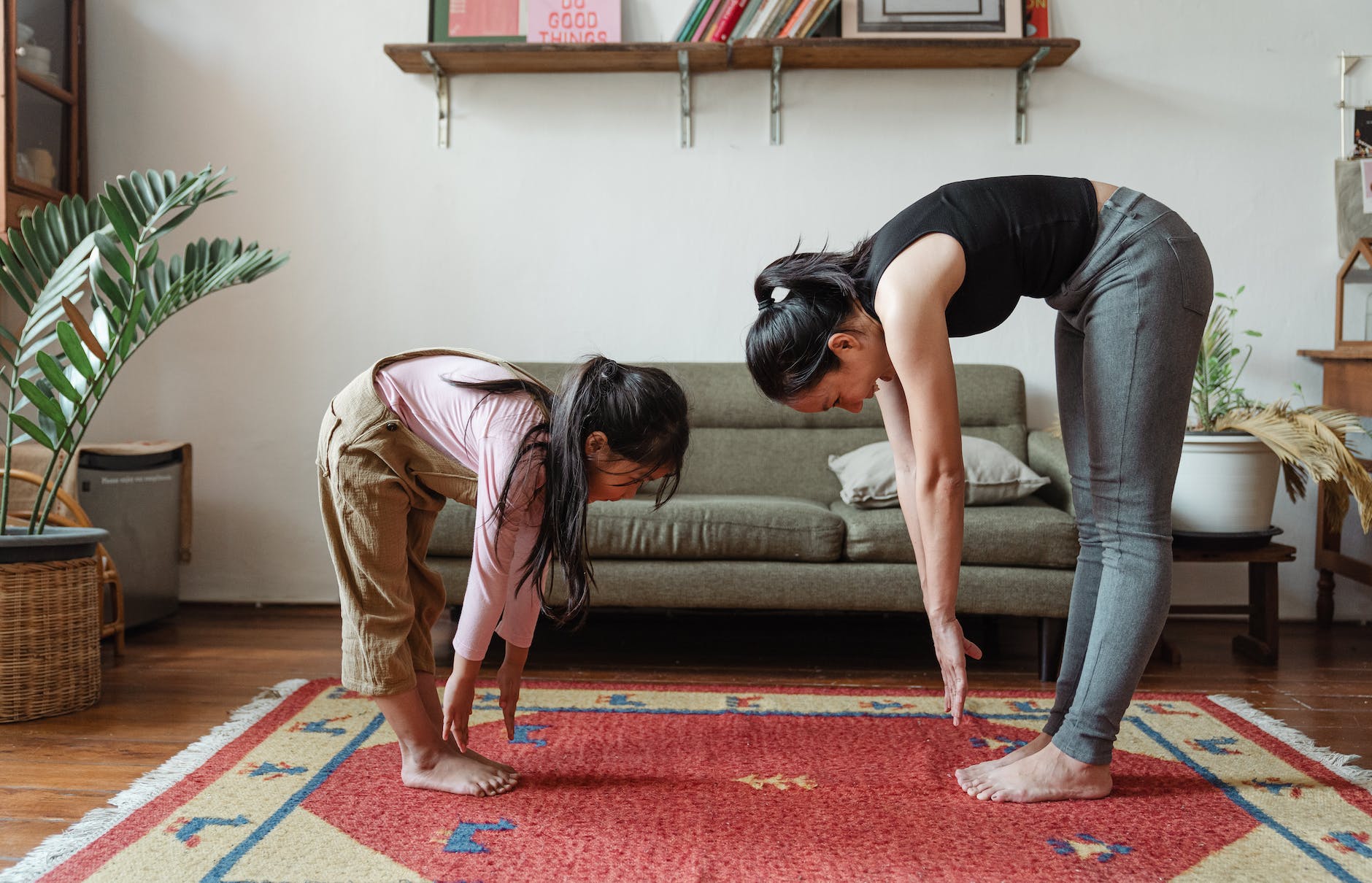
Exercise is essential, but stretching is just as important. You can stretch anywhere and at any time. Stretching keeps the muscles healthy, strong, and flexible to maintain the range of motion in the joints. Stretching provides other health benefits, such as improving posture, reducing stress and body ache, and so much more.

Stretching regularly can help increase flexibility to perform daily living activities easily. Stretching increases the range of motion, giving more movement freedom. It improves physical activity performance to prepare muscles for exercise or athletic events. Regular stretching improves circulation by increasing blood flow to the muscles. This increased blood flow to the muscles can decrease muscle soreness. Stretching certain muscle groups can reduce pain and improve posture. When muscles tense up related to stress, stretching those areas of the body can help with stress relief. During your stretching routine, focus on meditation exercises, giving your mind a mental break and a sense of calmness. Stretching also helps decrease tension headaches by reducing the tension felt from headaches (Lindberg, n.d.) Stretching is good for the brain, it increases serotonin levels, a hormone that reduces stress and stabilizes the mind (Payton, 2023).

According to the stretching guidelines that the American College of Sports Medicine published, stretching at least two to three times a week is recommended, targeting each major muscle group. Holding a stretching for 10-30 is recommended for most adults (ACSM Blog, 2021). Daily stretching is safe and effective as well.

It is vital to warm up before stretching to prevent injuries. Also, avoid overstretching, to which pain will be felt rather than just a slight pull. Overstretching, stretching the same muscles too often, or bouncing during stretching should be avoided to prevent injury from a strain or sprain (Geng, 2022). Stretching has many health benefits when done correctly. Let us make a daily habit of stretching. Your body and mind will appreciate it.

References:

ACSM Blog. (2021, March 18). ACSM_CMS. https://www.acsm.org/blog-detail/acsm-certified-blog/2021/03/18/stretching-and-flexibility-guidelines-update

Geng, C. (2022, March 30). 9 benefits of stretching. https://www.medicalnewstoday.com/articles/benefits-of-stretching

Lindberg, S. (n.d.). 9 benefits of stretching: How to start, safety tips, and more. Healthline. https://www.healthline.com/health/benefits-of-stretching

Payton, L. T. (2023, January 6). The mental and physical benefits of stretching: What this essential part of your workout does for your brain and body. Fortune Wellhttps://fortune.com/well/2023/01/06/health-benefits-of-stretching/


Why Joe is My Best Friend – The Health Benefits of Coffee

Amanda Benko | UAB Community Health & Human Services Intern

Photo by Tyler Nix on Pexels.com

Who doesn’t love a good cup of coffee? Well, probably many people…but I am not one of them. From that first fragrant breeze of a fresh pot brewing to the anticipation of that first sip, coffee brings me to life. The best part is that research shows there are actual benefits to coffee, unlike many other players in my diet (lookin’ at you, sugar and butter).

Beyond its fantastic taste, coffee offers many benefits beyond its capacity to wake us up in the morning. Three primary benefits of coffee are enhanced cognition, increased physical performance, and disease prevention.

It can increase cognitive function. For many like me, coffee is essential to kickstart the day and improve mental readiness. Coffee contains caffeine, a common stimulant that blocks adenosine receptors within the brain, driving expanded neural action. This impact can progress different ideas of cognitive work, including memory retention (Pegado, Rodrigues, Raposo, & Fernandes, 2022). Analysts have found that caffeine improves response time, coherent thinking, and general mental performance. Besides, coffee has been connected to a decreased risk of illnesses such as Alzheimer’s and Parkinson’s, possibly due to its antioxidant properties and capacity to ensure brain cells.

Coffee boosts physical performance. Studies have shown that coffee improves athletic performance and decreases fatigue (Pegado, Rodrigues, Raposo, & Fernandes, 2022). Coffee has been found to help with putting away body fat as fuel, empowering competitors to improve their endurance and workout effectiveness.

Lastly, coffee has benefits for overall well-being. Beyond its impacts on cognitive function and physical performance, coffee has been related to different well-being benefits. Research has shown that coffee can reduce the risk of type 2 diabetes, certain types of cancer, and liver disease, including cirrhosis and liver cancer. Coffee’s antioxidant properties, anti-inflammatory effects, and valuable compounds like chlorogenic corrosive contribute to these defensive effects (Chieng & Kistler, 2021). Coffee’s antioxidant properties and potential to progress blood vessel work and diminish irritation may contribute to this effect, which is why coffee consumption is also linked to decreased risk of stroke and heart disease.

In summary, coffee is not only delightful but also provides several benefits that go beyond its stimulating smell and taste. Of course, be mindful of what you are putting in your coffee. So, the next time you enjoy a cup, know that our friend Joe is helping you too!

References

Chieng, D., & Kistler, P. M. (2021). Coffee and tea on cardiovascular disease (CVD) prevention. Trends in Cardiovascular Medicine. https://doi.org/10.1016/j.tcm.2021.08.004

Pegado, E., Rodrigues, C., Raposo, H., & Fernandes, A. I. (2022). The Uses of Coffee in Highly Demanding Work Contexts: Managing Rhythms, Sleep, and Performance. Social Sciences, 11(8), 365. https://doi.org/10.3390/socsci11080365


Is Dark Chocolate Good for You?

Amanda Benko | UAB Community Health & Human Services Intern

Photo by Vie Studio on Pexels.com

Dark chocolate is a delightful treat, but research shows it might be great for the heart. Let’s delve into the potential health benefits of consuming dark chocolate.

Research shows that dark chocolate contains compounds called flavanols that have been linked to heart health. Flavanols are a type of polyphenol, a natural compound with antioxidant properties that protect cells against harm caused by free radicals (Heart, 2019). Additionally,  flavanols improve the bloodstream to the heart, diminish blood pressure, and decrease the chance of blood clots. Flavanols in dark chocolate may also help reduce inflammation in the body, which is related to numerous chronic diseases, including heart disease.

While dark chocolate may have potential health benefits for the heart, it is essential to note that it is still high in calories and should be consumed in moderation (Mayo Clinic, 2022). Remember, consuming excessive amounts of chocolate, especially those containing high sugar and fat, can lead to weight gain and increase the chances of other health issues. Additionally, those with certain health conditions, such as diabetes, should be cautious and discuss alternative approaches to heart health with their doctor.

In conclusion, though research is making favorable discoveries linking dark chocolate to heart health, it is essential to enjoy dark chocolate sensibly and be careful of components such as included sugars and fats. 

References

Heart. (2019). Are there health benefits from chocolate? http://Www.heart.org. https://www.heart.org/en/news/2019/02/12/are-there-health-benefits-from-chocolate

Mayoclinic. (2022). Choose dark chocolate for your heart. Mayo Clinic Health System. https://www.mayoclinichealthsystem.org/hometown-health/speaking-of-health/choose-dark-chocolate-for-your-heart.


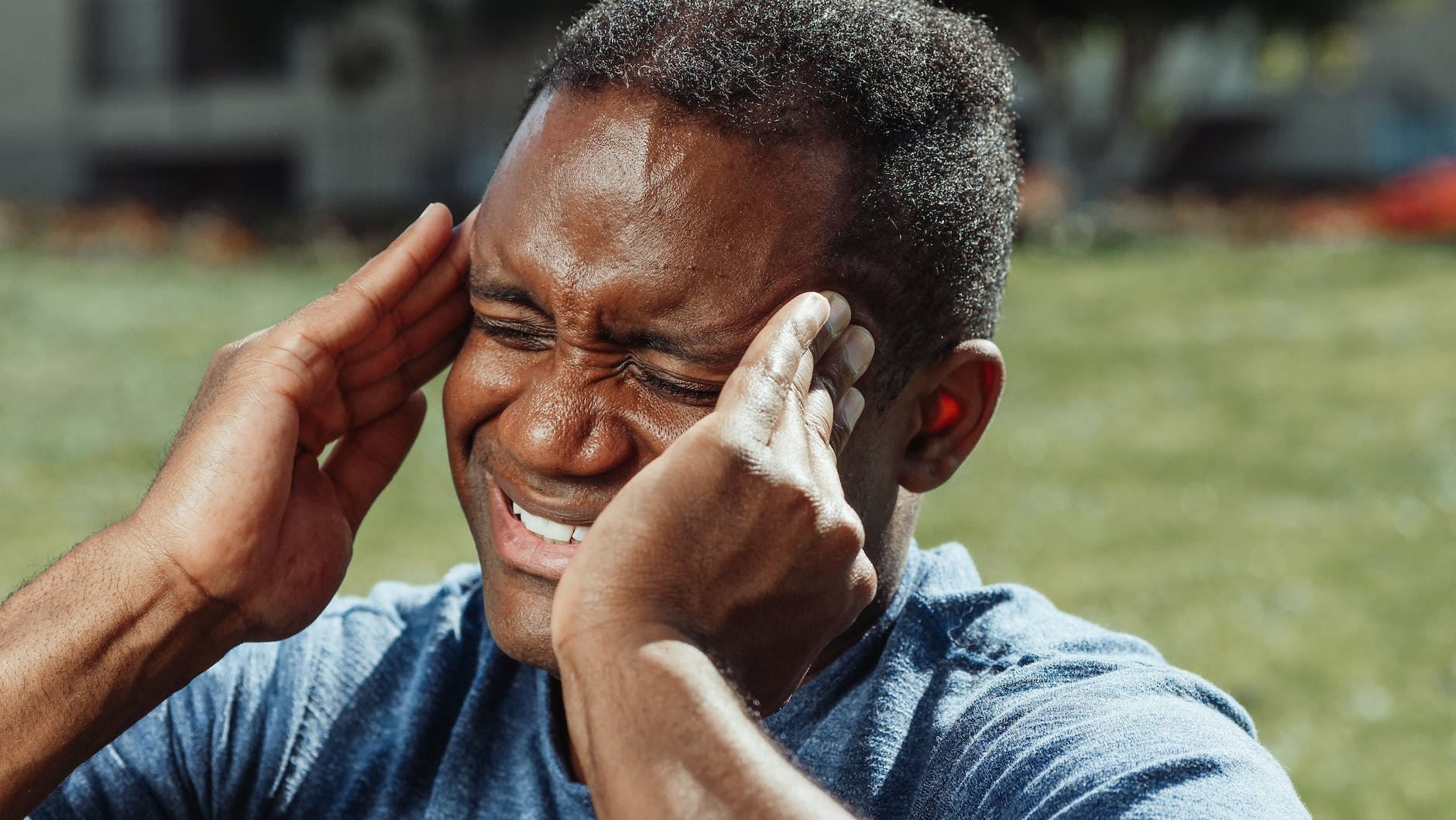
Migraine headaches and useful tips to avoid them

By Jessica Feagin | UAB Community Health & Human Services Intern

Photo by Kindel Media on Pexels.com

My oldest sister suffers from migraines often and on any day in which she experiences them, her whole day is impacted. She discovered that one issue causing migraines is eating cheese, so she rarely eats it. I love cheese, so I feel bad for her. Her experience with migraines made me want to look more into their triggers and how to deal with them.

A headache that causes a pulsing sensation or severe throbbing, typically on one side of the head, is a migraine. Pain from migraines can be so powerful that they can interfere with your daily routine and last from hours to days (Mayo Clinic, 2021). Stress is a common cause for migraines, and a way to deal with it is to figure out what causes unnecessary stress and work on soothing methods to prevent stress.

The American Migraine Foundation offers some tips to avoid migraines:

  • Irregular Sleep – Try to get at least 8 hours of uninterrupted sleep
  • Hormonal Changes – Lifestyle changes or even birth control can aid with balancing hormone levels
  • Foods – Try to think about what you have eaten prior to a migraine and see if avoiding that food helps
  • Caffeine & Alcohol – Know your limits and avoid drinking either in excess
  • Dehydration – When you feel the onset of a migraine, try drinking at least 8-10 oz. of water
  • Light & Smell – If you frequently get migraines after going to certain places, try changing the lighting or air fresheners
  • Medication – If you find that after starting a new medication you are having migraines, talk to your doctor about alternative options

One way to prevent migraines is try to keep up with a diary or tracking plan to document what you are doing and eating before and when your migraine starts. Migraines can cause so much discomfort. I dislike when I have a typical headache, so I can’t imagine what someone goes through who experiences migraines often. On a positive note, it is helpful that there are ways that people can prevent migraines. Do you experience migraines? If so, what are your triggers and coping measures? Share your experiences with us here and join the discussion on Facebook here.

References:

Migraine – Symptoms and causes. (2021, July 2). Mayo Clinic. https://www.mayoclinic.org/diseases-conditions/migraine-headache/symptoms-causes/syc-20360201

American Migraine Foundation. (2017, July 27). Top 10 Migraine Triggers and How to Deal with Them | AMFhttps://americanmigrainefoundation.org/resource-library/top-10-migraine-triggers/


OUCH! Tips on Treating Wasp Stings

By Jessica Feagin | UAB Community Health & Human Services Intern

Photo by Pixabay on Pexels.com

My 5-year-old son was playing in the backyard one afternoon, and he came into the house crying, saying he had been stung by a wasp. I immediately comforted him because I remembered the pain I felt when I was stung by a wasp as a child. The side of his face where he was stung had a welt and turned red. That side of his face had also swollen. I immediately researched how to treat a wasp sting to ensure my son would feel better.

Wasp stings are common and only sting when irritated by a person or their nest has been disturbed. Wasps keep their stinger. Therefore, they can sting several times. During a sting, wasps will also inject venom into the skin. Although painful and causes some discomfort, wasp stings can be treated at home. The pain from a wasp sting typically doesn’t last any more than one day, and swelling can last a couple of days. Symptoms of wasp stings can include pain in the area where it stung, redness, swelling, itching, and possibly hives if you have a reaction to the sting. Seek medical attention if you have been stung in the throat, nose, or mouth or experience life-threatening allergic reactions such as tightness in the throat or chest, uncontrolled coughing, profuse sweating, hives over large areas of the body, and dizziness or fainting (WebMD Editorial Contributors, 2020). WebMD (2020) has made some suggestions on how to treat a wasp sting at home:

  • Wash the sting area with warm soap and water to remove any venom or bacteria the wasp could have carried.
  • Apply a cold compress for about 30 to 60 minutes, with intervals of 10 minutes on and off, to reduce pain and swelling from the wasp sting.
  • Take an anti-inflammatory medication like ibuprofen to help relieve pain from the sting.
  • Apply an antihistamine such as a corticosteroid or calamine lotion to relieve itchiness in the area.

Wasp stings are common, but do not let that prevent you or your children from playing outdoors. Wasp will sting you as a self-defense mechanism, so you must avoid them. However, if you or a loved one is stung by a wasp, there are home remedies that will help relieve the discomforts that come from the sting.

References

WebMD Editorial Contributors. (2020, November 20). Remedies for wasp stings. WebMD. https://www.webmd.com/skin-problems-and-treatments/remedies-wasp-sting


H2O! Ways to sneak water into your diet.

By Jessica Feagin | UAB Community Health & Human Services Intern

Photo by Wagner Soares on Pexels.com

The human body comprises around 60% water. The most common recommendation for water intake is to consume at least 64 ounces daily, which is broken down to 8 glasses at 8 oz. each. There needs to be more science behind the specific recommendation, as things such as weight can impact the recommendation. However, it is most important to stay hydrated and drink water. Some other benefits of drinking water are that it helps maximize physical performance, significantly affects energy levels and brain function, prevents and treats headaches, treats kidney stones, and helps prevent hangovers (Leech, n.d.).

We all know that drinking water plays several roles in the body and is needed for optimal health. However, it can sometimes take time to consume adequate amounts of water. Here are some tips to help you drink more water (ShoemakerN & LD, n.d.):

  • It is essential to understand your body’s fluid needs. Although not science-based, drinking eight glasses of water a day is commonly recommended.
  • Set a daily goal for your water intake. It can be motivating and more likely to make lasting positive changes.
  • Keep a reusable water bottle with you during the day.
  • Set reminders to drink more water using your smartphone alarm or app.
  • Replace other drinks, such as soda, with water.
  • Drink a glass of water before each meal.
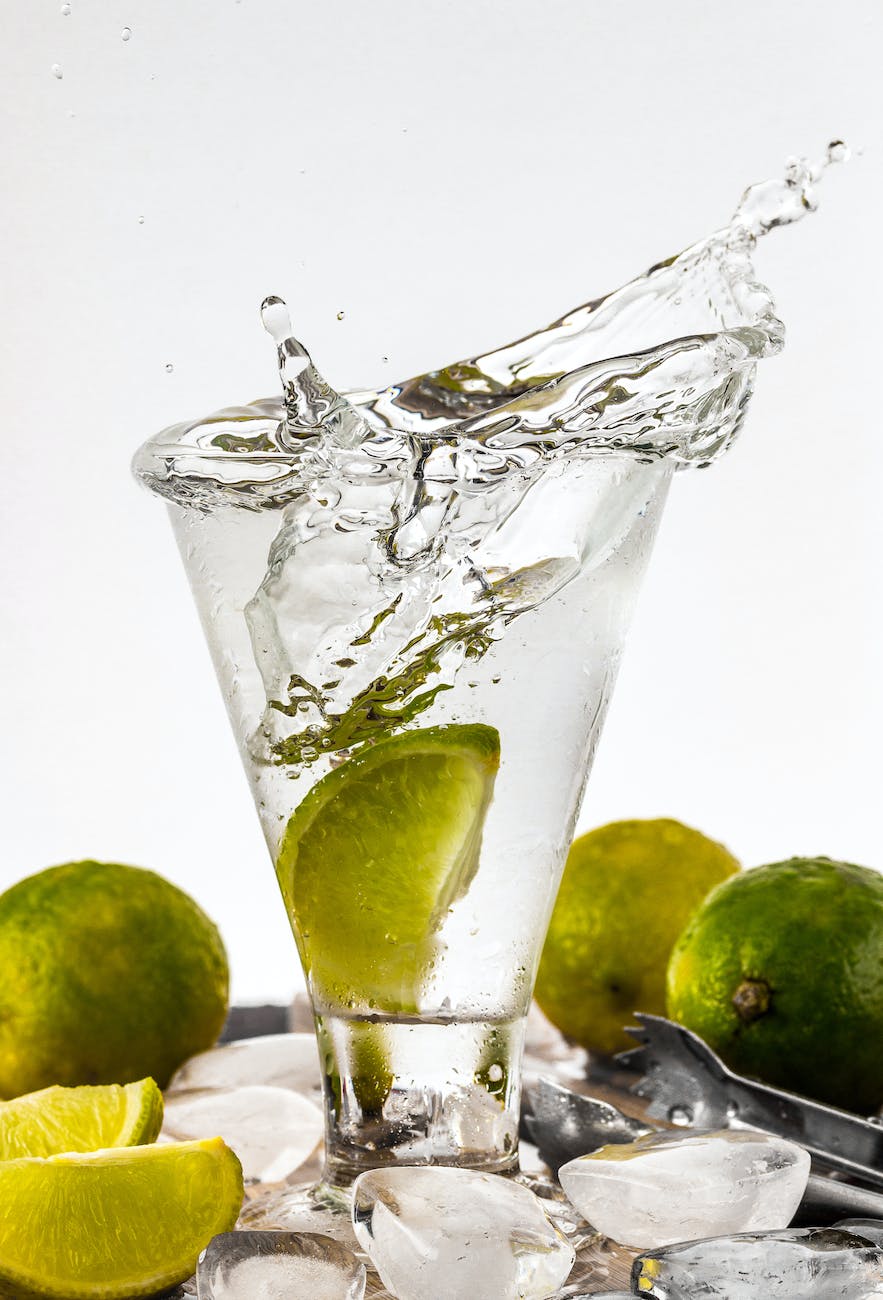
  • Add flavor to your water, such as lemons, limes, strawberries, and cucumbers. You can also purchase water enhancers.
  • Drink a glass of water at work every hour.
  • Sip on water throughout the day.
  • Eat more water-rich foods like lettuce, celery, zucchini, cabbage, watermelon, cantaloupe, and honeydew melon.
  • Drink a glass of water when you wake up and before bed.

Plain and simple, we need water to survive. Staying adequately hydrated is one of the simplest ways to improve overall wellness and health. So, H2O, we got to have it!

References:

Leech, J. (n.d.). 7 reasons why you should drink more water. Healthline. https://www.healthline.com/nutrition/7-health-benefits-of-water

ShoemakerN, S., & LD. (n.d.). 12 simple ways to drink more water. Healthline. https://www.healthline.com/nutrition/how-to-drink-more-water

Water and healthier drinks. (2022, June 6). Centers for Disease Control and Prevention. https://www.cdc.gov/healthyweight/healthy_eating/water-and-healthier-drinks.html


Let’s Get Physical- The Importance of Physical Activity

By Angela Wilson | UAB Community Health & Human Services Intern

Photo by Kate Trifo on Pexels.com

Engaging in physical activity on a regular basis is one of the most important things you can do to improve your health.   Many people do not realize the tremendous benefits that physical activity provides to the body.  Not only does it help with weight management, but it also improves brain health, strengthen bones and muscles, and reduces the risks of diseases (CDC, 2020). 

Physical activity is movement that consumes energy and works your muscles. Many people may think that physical activity has to be traditional activities such as jumping jacks or running on a treadmill, but physical activity is expressed in many ways including dancing, swimming, yardwork, yoga, riding a bicycle, aerobic exercise, and even ascending and descending stairs in your home. The Center for Disease Control and Prevention recommends getting at least 150 minutes a week of moderate physical activity.  This calculates to 30 minutes a day, 5 days a week.  Being physically active can benefit everyone regardless of age, shape, ethnicity, size, or shape (CDC, 2020).

Heart disease and stroke are the two leading causes of death in the United States, and getting the proper amount of physical activity can significantly lower the risks for these diseases (CDC, 2022). The heart is a muscle that needs exercise (like all our other muscles).  Engaging in physical activity allows the heart to pump blood throughout the body freely, without straining and maximizes its optimal efficiency.   Physical activity promotes insulin sensitivity and helps control glucose levels, thereby lowering the risk of Type 2 Diabetes. Also, as people get older, they lose muscle mass and strength.  Muscle-strengthening exercises (such as lifting weights, push-ups, sit-ups, squats, and working with resistance bands), helps you maintain muscle mass and keeps your bones and joints healthy. This allows you the ability to be physically active and mobile.  Lastly, physical activity can help keep your cognitive skills crisp by improving your thinking, learning, and judgment.  It can also help with anxiety, depression, and improve the quality of sleep. 

Now that you know a few of the benefits that regular activity provides, what are you waiting for?  Let’s Get Physical (Olivia Newton John music playing)! So what do you do to exercise or improve your fitness? What activities do you regularly enjoy? Leave your comments below and join us on Facebook here.

References:

Center for Disease Control and Prevention. Benefits of Physical Activity. (2022). https://www.cdc.gov


Living a Healthy Lifestyle During Pregnancy

By Jessica Feagin | UAB Community Health and Human Services Intern

Photo by Gustavo Fring on Pexels.com

Staying healthy is especially important during pregnancy. A nutritious and well-balanced diet during pregnancy can result in healthy birth weight and good baby brain development (Stickler, 2020). It can also reduce the risk of several congenital disabilities and the risk of anemia and morning sickness in the mother. A well-balanced diet during pregnancy consists of fruits and vegetables, vitamin C, protein, calcium, whole grains, folic acid, and iron-rich foods. Ensuring your juice, milk, and cheese are pasteurized is important to protect you and your baby from parasitic or bacterial infections. Also, avoid undercooked seafood and meat. In addition to a nutritious and well-balanced diet, prenatal vitamins play a vital role during pregnancy. For example, folic acid and choline are essential vitamins that may prevent spine and brain birth defects.

According to the American College of Obstetricians and Gynecologists, it is recommended that pregnant women aim for at least 150 minutes a week of moderate-intensity aerobic activity. Exercising during pregnancy can decrease stress, increase energy levels, increase circulation, improve sleep, and reduce backaches.

While pregnant, it is essential to avoid smoking, using drugs, and drinking alcohol. These habits have been linked to complications and can pose serious risks for you and your baby. For example, drinking alcohol during pregnancy can result in fetal alcohol syndrome, which can cause your baby to have abnormalities in their central nervous system and be underweight. Drinking alcohol can also cause premature labor and delivery and even stillbirth.

Make sure you attend all prenatal care appointments so your doctor can monitor you and your baby closely throughout your pregnancy. Having a baby can be the most exciting time for you and your family, so ensuring a healthy lifestyle is very important for you and your baby’s health. Do you have any pregnancy tips to give to pregnant mothers? If so, please share.

References

Stickler, T. (2020, July 9). Maintaining a healthy pregnancy. Healthline. https://www.healthline.com/health/pregnancy/healthy-pregnancy


Easy Workouts in Minimal Time

By Jessica Feagin | UAB Community Health and Human Services Student Intern

Photo by Jan van der Wolf on Pexels.com

If you’re like me, you are busy juggling work, children, and school, finding time to work out can be difficult. We all know that exercise helps reduce the risk of heart disease and helps lower cholesterol, but sometimes life gets in the way. The good news is that there are many tips to incorporate exercise on a tight time budget.

The American Heart Association (2022) provided a few tips on ways to boost your activity level when you have no time for exercise:

  • Walk your dog.
  • Take a walk with your spouse or kids. Explore new neighborhoods or create a scavenger hunt.
  • Try a quick 10-minute home workout.
  • Walk while you are talking on the phone.
  • Jog or walk in place.
  • Walk on the treadmill while watching your favorite TV show.
  • Park farther away and walk to your designation.
  • Take the stair when you can.

I try to boost my activity level without working out by dancing. It doesn’t even feel like you are exercising and it’s a fun way to burn calories. You can turn on music and include dance moves while cooking, cleaning the house, or even spending time with your children. A friend once told me to get up half an hour early in the morning to exercise. That is a great tip if you can do it, but if you’re like me, you want to get as much sleep as possible. For this reason, managing little exercises into the daily grind helps me keep moving. Every step counts.

How do you boost your activity level when living a busy life?

References:

No time for exercise? here are 7 easy ways to move more!. http://www.heart.org. (2022, October 20). https://www.heart.org/en/healthy-living/fitness/getting-active/no-time-for-exercise-here-are-7-easy-ways-to-move-more