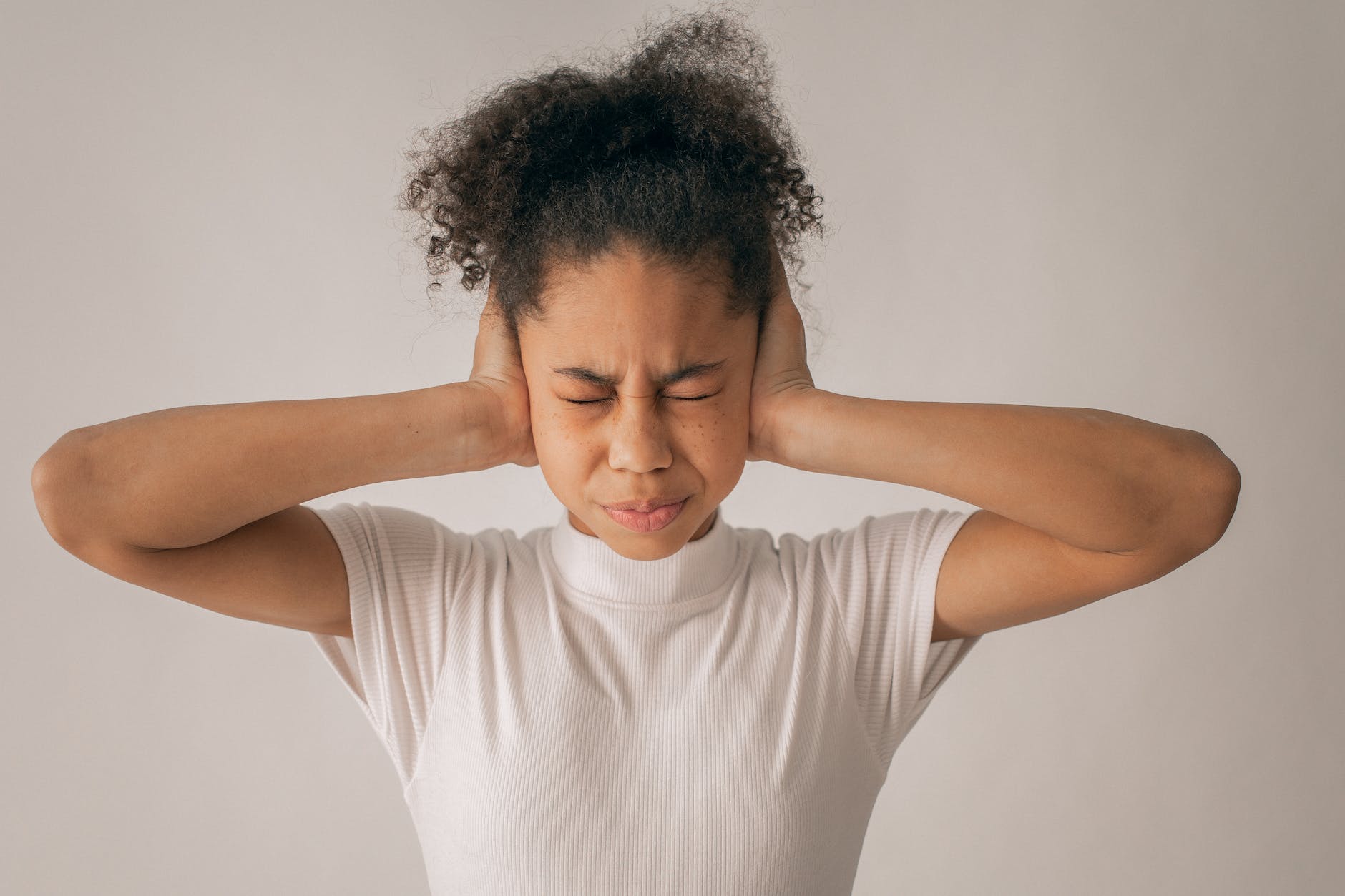
Did You Know That Depression Can Cause Your Body to Ache?

By Terrie Johnson | UAB Community Health & Human Services Student

Photo by cottonbro studio on Pexels.com

While depression is a mental health disorder, some physical symptoms exist in patients. Some signs are gastrointestinal issues, chronic pain, loss of appetite, irregular sleep patterns, and fatigue. Thus, healthcare practitioners may sometimes fail to diagnose this condition because most patients only report physical signs (Bruce, 2021). Also, individuals may not suspect experiencing this mental health issue and are surprised that chronic pain results from depression. For instance, one could attribute back pain to strenuous tasks. Hence, healthcare practitioners must conduct a series of tests to ascertain underlying issues linked to depression, including pain.

Chronic pain may lead to depression, and the reverse is true. Experts claim that continuous body aches make individuals develop low self-esteem. This aspect occurs if one cannot participate in social activities or fend for themselves. Ultimately, one becomes depressed, and prompt intervention is necessary. On the other hand, depression causes the body to ache, hence worsening a person’s mood. Bruce (2021) opines that depression magnifies pain, thus making everyday living more difficult. For instance, a patient who complains of migraines may report frequent and more painful episodes if they are depressed. Fortunately, some medications make chronic pain tolerable and relieve depression.

Besides the cause-and-effect explanation, depression and body aches share a deeper biological connection. In the human body, serotonin and norepinephrine regulate emotions and pain. Since depression is a mood disorder, if these neurotransmitters are dysregulated, a patient experiences this condition. Similarly, when norepinephrine and serotonin are interfered with, an individual feels pain. To ease aches during depression, healthcare practitioners administer antidepressants that prevent the reuptake of the neurotransmitters responsible for moods and pain (Bruce, 2021). These drugs work well and have fewer side effects. Further, they reduce the perception of pain.

Reference

Bruce, D. F. (2021, September 21). Depression and chronic pain. WebMD. https://www.webmd.com/depression/depression-chronic-pain


Overcoming Depression

By Terrie Johnson | UAB Community Health & Human Services Student

Photo by Klaus Nielsen on Pexels.com

Many people suffer from depression or its symptoms either unknowingly or knowingly. This mental health issue interferes with a patient’s ability to perform daily tasks and is accompanied by drastic mood changes. Subsequently, if you suspect you are depressed, seek professional aid promptly. By so doing, you get a proper diagnosis and commence treatment (Torres, 2020). Apart from medical interventions, you can overcome depression by focusing on what matters to you, setting achievable goals, and embracing a healthy lifestyle.

The effects of depression are severe, and patients are advised to seek treatment. By consulting a physician and getting the proper medication, you suppress the symptoms of this mental disorder. Consequently, you enjoy a good quality of life. Also, an individual can embrace psychotherapy and receive professional counseling (Torres, 2020). This move allows you to unpack what has been weighing you down. Subsequently, your mental burdens become lighter, and you can look beyond your problems.

Depression may result from one’s surroundings. For instance, if you are working in a toxic environment, you may gradually develop this mental disorder. Thus, after diagnosis, you can overcome depression by only focusing on what matters to you (Torres, 2020). For instance, you can quit your job or cut contact with people who worsen your situation. Sometimes, individuals get depressed because they set unrealistic goals. You can undo this by focusing on achievable objectives.

Lastly, embracing a healthy lifestyle is a catalyst for reducing the rate of depression. You can overcome depression by eating nutrition-dense food, exercising regularly, and engaging in activities that make you happy (Torres, 2020). Some patients find comfort in fast foods that are detrimental to their well-being. If you are a victim, form healthy eating habits. Participating in sports or hiking allows your body to release feel-good hormones that lift your mood. Hence, both medical and alternative interventions will enable you to overcome depression.

Reference

Torres, F. (2020, October). What is depression? Psychiatry.org – What Is Depression? https://www.psychiatry.org/patients-families/depression/what-is-depression


What is PTSD?

By Ashley Peoples| UAB Community Health & Human Services Intern

Photo by RDNE Stock project on Pexels.com

Post-traumatic stress disorder (PTSD) is a disorder that people experience due to many reasons. This blog post may be sensitive, but I hope someone can find help as they read this. PTSD is developed when someone has an encounter that causes fear and stress, according to the National Institutes of Health (NIH). According to the NIH, people who develop PTSD are anyone, regardless of age. Some of these experiences may result from being sexually and physically abused (“Post-traumatic stress disorder,” n.d.). People who have PTSD have symptoms of stress when there is no longer danger present. Sometimes PTSD can also be developed by learning about something sad that happened to someone they know.

The NIH states that women experience PTSD more often than men, and this may be due to genetics. Research now suggests that PTSD may not be just an individual experience but may be inherited (“Post-traumatic stress disorder,” n.d.). Some symptoms of PTSD are being aroused, which means being triggered and having flashbacks by reliving the events that have occurred and being physically stressed, avoiding places that remind you of the event.

Some risk factors that may develop the likelihood of developing PTSD are exposure to previous traumatizing events that have occurred during childhood, seeing people killed or hurt, feeling helplessness, getting injured, having no social support after the event, and dealing with extra stress after the event, such as loss of a job or losing a loved one. A family or personal history of substance use or mental illness is also a risk factor (“Post-traumatic stress disorder,” n.d.).

Seeking support and having a coping strategy for getting through the event are resilience factors that may contribute to reducing the likelihood of developing PTSD. PTSD can also be treated with the help of a mental health professional. Psychotherapy which is referred to as “talk therapy,” can be used to help individuals identify and change troubling thoughts, behaviors, and emotions (“Post-traumatic stress disorder,” n.d.). Exposure therapy can also help people manage their fears related to their experienced trauma by gradually exposing them to the event that traumatized them. PTSD is a severe condition, but it can start with proper help.

References

U.S. Department of Health and Human Services. (n.d.). Post-traumatic stress disorder. National Institute of Mental Health. https://www.nimh.nih.gov/health/topics/post-traumatic-stress-disorder-ptsd


Depression and Pregnancy

By Terrie Johnson| UAB Community Health & Human Services Intern

Photo by Amina Filkins on Pexels.com

The prevalence of depression in expectant mothers is high. This mental health disorder affects pregnant women and presents through fatigue, loss of appetite, suicidal ideation, and hopelessness, among other signs. The causes of depression during pregnancy are diverse and vary among individuals. For some people, this condition emanates from life-related uncertainties. For instance, unplanned pregnancies are stressful and often shake relationships. Thus, a woman may become depressed if her partner leaves and she is unsure if she can take care of the baby by herself. Also, one may have lost a previous pregnancy or child and is afraid that the events could reoccur. Thus, it is critical for would-be parents to seek psychotherapy before and during pregnancy to make the process smoother.

Depression in pregnant women can also occur due to pregnancy-related complications. During pregnancy, the body produces hormones that help with fetal growth. However, they are responsible for severe mood swings in some women. Negative mood changes accompanying pregnancy can turn into depression if they are not controlled. For example, one may have chronic, unexplained sadness. Failure to seek professional help results in depression because the body cannot regulate moods effectively during pregnancy. Moreover, physical pain in limbs or muscles during pregnancy can become chronic, which leads to depression.

While maternal depression can occur in patients who have never had this condition, those who have had it before are at a higher risk. According to Jahan et al. (2021), it affects fetal well-being and could result in preterm birth, low birth weight, or neurodevelopmental issues. Thus, expectant mothers should prioritize mental health by focusing on the positive outcomes of pregnancy. Regardless of the challenges, the result of pregnancy is a beautiful baby. Therefore, concentrating on what one can control protects the child and mother from physical and emotional turmoil. For example, women can engage in activities that make them look forward to having the baby, like shopping and knitting infant garments. Finally, one could spend time with other parents or attend child-care classes if they doubt their parenting abilities.

If you think you might have depression during pregnancy, talk to your healthcare provider about how you feel to determine your next steps. You are not alone.

Reference

Jahan, N., Went, T. R., Sultan, W., Sapkota, A., Khurshid, H., Qureshi, I. A., & Alfonso, M. (2021). Untreated depression during pregnancy and its effect on pregnancy outcomes: A systematic review. Cureus. https://doi.org/10.7759/cureus.17251


Why Joe is My Best Friend – The Health Benefits of Coffee

Amanda Benko | UAB Community Health & Human Services Intern

Photo by Tyler Nix on Pexels.com

Who doesn’t love a good cup of coffee? Well, probably many people…but I am not one of them. From that first fragrant breeze of a fresh pot brewing to the anticipation of that first sip, coffee brings me to life. The best part is that research shows there are actual benefits to coffee, unlike many other players in my diet (lookin’ at you, sugar and butter).

Beyond its fantastic taste, coffee offers many benefits beyond its capacity to wake us up in the morning. Three primary benefits of coffee are enhanced cognition, increased physical performance, and disease prevention.

It can increase cognitive function. For many like me, coffee is essential to kickstart the day and improve mental readiness. Coffee contains caffeine, a common stimulant that blocks adenosine receptors within the brain, driving expanded neural action. This impact can progress different ideas of cognitive work, including memory retention (Pegado, Rodrigues, Raposo, & Fernandes, 2022). Analysts have found that caffeine improves response time, coherent thinking, and general mental performance. Besides, coffee has been connected to a decreased risk of illnesses such as Alzheimer’s and Parkinson’s, possibly due to its antioxidant properties and capacity to ensure brain cells.

Coffee boosts physical performance. Studies have shown that coffee improves athletic performance and decreases fatigue (Pegado, Rodrigues, Raposo, & Fernandes, 2022). Coffee has been found to help with putting away body fat as fuel, empowering competitors to improve their endurance and workout effectiveness.

Lastly, coffee has benefits for overall well-being. Beyond its impacts on cognitive function and physical performance, coffee has been related to different well-being benefits. Research has shown that coffee can reduce the risk of type 2 diabetes, certain types of cancer, and liver disease, including cirrhosis and liver cancer. Coffee’s antioxidant properties, anti-inflammatory effects, and valuable compounds like chlorogenic corrosive contribute to these defensive effects (Chieng & Kistler, 2021). Coffee’s antioxidant properties and potential to progress blood vessel work and diminish irritation may contribute to this effect, which is why coffee consumption is also linked to decreased risk of stroke and heart disease.

In summary, coffee is not only delightful but also provides several benefits that go beyond its stimulating smell and taste. Of course, be mindful of what you are putting in your coffee. So, the next time you enjoy a cup, know that our friend Joe is helping you too!

References

Chieng, D., & Kistler, P. M. (2021). Coffee and tea on cardiovascular disease (CVD) prevention. Trends in Cardiovascular Medicine. https://doi.org/10.1016/j.tcm.2021.08.004

Pegado, E., Rodrigues, C., Raposo, H., & Fernandes, A. I. (2022). The Uses of Coffee in Highly Demanding Work Contexts: Managing Rhythms, Sleep, and Performance. Social Sciences, 11(8), 365. https://doi.org/10.3390/socsci11080365


Discovering the Benefits of Getting a Massage

By Jessica Feagin | UAB Community Health and Human Services Intern

Photo by cottonbro studio on Pexels.com

A self-care activity that I incorporate into my life is massages. If you are sore or stressed, a massage can relieve pain, promote relaxation, and ease muscle tension. There are many types of massages, such as Swedish, deep tissue, sports, trigger point, lymphatic, and prenatal massages (Schneik, 2022). A professional massage therapist can choose the best type of massage to cater to your needs.

Massages provide a broad range of physical and mental benefits. They can reduce anxiety and stress by lowering your cortisol stress hormone and increasing serotonin levels, (the feel-good hormone). These hormones can promote feelings of relaxation and calmness. Massages can relieve pain and muscle tension by promoting blood flow, and loosening tight muscles. They can also improve circulation throughout the body, help reduce inflammation, and promote healing. Other benefits include boosting immunity by increasing the activity of white blood cells and can help the body fight off infection. Studies show that a massage also help improve sleep by promoting relaxation and reducing anxiety and stress (Schneik, 2022). This is not recommended if you are pregnant, suspect any fractures or broken bones, have a life-threatening illness, or have any active skin rashes or infections (“Massage,” n.d.).

Many massage facilities provide services in Birmingham, Alabama, but my favorite place to get massages is Life Touch Massage. They provide professional, quality, and affordable massage therapy. If you live in Birmingham, AL, or surrounding areas, visit them at 1223 2nd Avenue S, Birmingham, AL, 35233. Do you include massage therapy in your self-care routine and recommend any massage parlors?

References

Massage. (n.d.). Better Health Channel – Better Health Channel. https://www.betterhealth.vic.gov.au/health/conditionsandtreatments/massage

Schneik. (2022, June 29). Everything you need to know about massage therapy. Cleveland Clinic. https://health.clevelandclinic.org/benefits-of-massage


Treating Anxiety – What to do when you feel anxious.

By Terrie Johnson | UAB Community Health & Human Services Intern

Photo by Monstera on Pexels.com

According to Mental Health America, 1 in 5 people experience anxiety. Anxiety is a mental health state frequently experienced by people all over the world. According to Medline Plus in the NIH National Library of Medicine, anxiety is the feeling of fear, distress, concern, and panic (Anxiety, 2023). When people are anxious, their heart rate increases and their muscles are tense. This is how the body responds to stressful events, thoughts or encounters. It is also the body’s way of coping with overwhelming difficulties that can temporarily cause other health issues.

When anxiety reaches extreme extents, it can lead to the development of anxiety disorders, phobias, or panic attacks. However, anxiety disorders involve more than temporary worry or fear, and can get worse over time. There are many types of anxiety disorders, including generalized anxiety disorder, panic disorder, and various phobia-related disorders (Anxiety disorders, 2023).

Symptoms can interfere with regular daily activities and often include increased breathing, feeling as if a heart attack is occurring, and signs of weakness. The most common challenges people with anxiety face include relationships, school, work, health, or money.

How can we treat anxiety?

Cognitive Therapy Treatment- This is considered a very effective recommendation. This psychological approach teaches people to think differently to change how they act. When people are trained to react with confidence and assurance, they can prevent being afraid and being overtaken with fear.

Avoiding Triggers- Such as talking about bothersome subjects and eliminating aspects of life that provoke fear.

Seek Psychiatric Treatment- In some cases being prescribed antidepressants may reduce symptoms, increase productivity, and promote a sense of normalcy.

Relaxation Methods- Practices such as meditation, yoga, and other relaxing activities may help slow the heart rate down and help refocus the mind. Additionally, learning breathing techniques can assist during a panic episode.

What tips do you have for handling anxiety?

References

Anxiety disorders. (n.d.). Retrieved March 28, 2023, from https://www.nimh.nih.gov/health/topics/anxiety-disorders

How common is anxiety?. Mental Health America. (2022, October 7). https://screening.mhanational.org/content/how-common-anxiety/

Medline Plus. (2020). Anxiety. NIH National Library of Medicine. https://medlineplus.gov


What are the Stressors in Your Life and How Do You Relieve Them?

By Terrie Johnson | UAB Community Health & Human Services Intern

Photo by Andrea Piacquadio on Pexels.com

Everyone has something that contributes to the stressors in their life. My stressors include getting up early in the morning for work, which is often hard to execute. In most cases, I stay up late doing schoolwork. As such, it becomes hard waking up early to attend to other critical duties. Additionally, driving in heavy traffic on the way to work drains me emotionally. Often, my stress comes from there being many people driving fast and crazy on the interstate. This experience scares me since I never want to be involved in an accident and experience a catastrophic injury. School is also a stressful environment for me because I am taking four classes. This issue means I have many assignments that I must work on and submit on time. Sometimes, the workload is too much leading to the experience of burnout. The requirements by the professor that I deliver schoolwork on time also weigh me down with stress.

Despite experiencing the above stressors, I have numerous strategies that help me relieve them. For example, I sometimes ensure that I seek more sleep, especially during the weekends. According to Mayo Clinic (2023), this initiative is necessary since it allows the body and the brain to recharge. Thus, when I wake up the next day, I always feel stress-free and with energy. I also learned to plan my time so that I avoid traffic in some cases. This initiative has also been instrumental in scheduling my studies. Therefore, I rarely experience schoolwork overload on some weekdays. On the interstate, I try to be careful and assert that I can drive amidst crazy drivers. This self-confidence improves my ability to drive my car while experiencing less fear on the road. The above approaches continue to provide the impetus for reduced stress in my life.  What stressors do you experience and how do you relieve them?

Reference

Mayo Clinic. (2023). Stress relievers: Tips to tame stress. Mayoclinic.org. Retrieved from https://www.mayoclinic.org/healthy-lifestyle/stress-management/in-depth/stress-relievers/art-20047257


Do You Know the Impact of Social Media on Children?

By Terrie Johnson | UAB Community Health & Human Services Intern

Photo by Ron Lach on Pexels.com

Social media has become an integral part of our lives, revolutionizing how we communicate. However, the time children spend on social media increases, which causes concerns among parents and educators. This article discusses the potential effects of social media on children’s mental and physical health, so it can help you evaluate your knowledge regarding this topic.

Many believe that excessive use of social media can cause mental health disorders such as depression, anxiety, and stress in children. Fortunately, people who think so are likely wrong since most studies found no link between using social media and developing depression or increasing symptoms (Hartanto et al., 2021). Using social media also does not contribute to the development of anxiety and psychological distress in children. However, when a child spends too much time on social media or shares excessive personal data, their parents should be concerned. Most studies are consistent in their conclusions regarding strong associations between addiction to social media and depression in adolescents (Keles et al., 2020). Although social media cannot cause mental health disorders, excessive use might indicate depression.

The negative impact of social media on children’s mental health might be exaggerated, but other concerns are more reasonable. They include risks associated with cybersecurity since children are more vulnerable to online predators and scams, which endangers their safety and privacy. Moreover, social media might expose excessive personal information, resulting in identity theft. Other concerns are associated with excessive online time because it can reduce children’s physical activity. Hence, parents and educators must promote a healthy lifestyle and responsible social media use to mitigate these risks.

Despite the concerns regarding the impact of social media on children’s mental health, using it cannot cause mental disorders or contribute to their development. However, parents should consider the time spent on social media and activities to ensure their child is not exposed to risks associated with addiction or lack of cybersecurity. By promoting responsible social media use among children, educators and parents can minimize these risks and help children benefit from the positive aspects of social media use.


References

Hartanto, A., Quek, F.Y.X., Tng, G.Y.X., & Yong, J.C. (2021). Does Social Media Use Increase Depressive Symptoms? A Reverse Causation Perspective. Frontiers Psychiatry, 12. Doi: 10.3389/fpsyt.2021.641934/

Keles, B., McCrae, N., & Grealish, A. (2020). A Systematic Review: the Influence of Social Media on Depression, Anxiety and Psychological Distress in Adolescents. International Journal of Adolescence and Youth, 25(1), 79-93. Doi: 10.1080/02673843.2019.1590851


Say No to Bullying!

By Jessica Feagin | Intern and UAB Community Health and Human Services Student

Photo by RDNE Stock project on Pexels.com

According to the Centers for Disease Control and Prevention, bullying is any unwanted aggressive behavior by another youth or group of children (CDC, 2022). Bullying may include social, psychological, educational, and/or physical harm on the targeted youth. Common types of bullying include physical (kicking, tripping, and hitting), verbal (teasing and name-calling), social (spreading rumors and being left out of a group), and damage to the victim’s property. Bullying can also occur via cell phones and online.

Physical injury, emotional stress, self-harm, and even death can result from bullying. Bullying increases the risk of anxiety, depression, lower academic achievement, and dropping out of school. Youth who bully other youth are at risk for academic problems, substance abuse, and experiencing violence when they are older. Youth who bully others and are bullied themselves are at greater risk for behavioral and mental health problems. It has been reported that bullying is a discipline problem that occurs weekly or in some cases daily, in approximately 14% of public schools (CDC, 2022).

The American Psychological Association recommends several ways teachers, parents, and students can address bullying (APA, 2011). Teachers must remember that bullying typically occurs in the bathroom, playground, hallways, and school buses. If teachers notice bullying, they must immediately stop it and inform school administrators. Teachers should remind their students that bullying is not acceptable and there will be consequences for such behaviors. Parents of kids that are possibly bullied should observe their child for signs so they can take appropriate actions to rectify the situation. Some signs of bullying are decreased appetite, nightmares, anxiety, depression, ripped clothing, and hesitation about attending school. It is essential to let your child know that you will help them. As parents, you could also work with your child and teach them to ignore a bully and develop assertive strategies for coping with bullying. Students need to inform their parents or any trusted adult of any form of bullying.

Bullying can impact those being bullied, and it is critical to identify and prevent it to provide a safe and nurturing environment for our youth. Say No to Bullying!

References

Fast fact: Preventing bullying. (2022, April 14). Centers for Disease Control and Prevention. https://www.cdc.gov/violenceprevention/youthviolence/bullyingresearch/fastfact.html

How parents, teachers, and kids can take action to prevent bullying. (2011, January 1). https://www.apa.org. https://www.apa.org/topics/bullying/prevent