Supporting local efforts, the Revive Health Fair on October 7, 2023

The Wilkinson Wellness Lab is excited to partner with the UAB Community Health & Human Services Program and Christian Life Church in support of the Revive Health Fair on Saturday, October 7, 2023. The health fair is located at 2490 Valleydale Road and will take place 9am – 1pm. As a resource for the health fair, the Wilkinson Wellness Lab is providing:

  • Blood pressure screening,
  • Body Mass Index reading,
  • Body Fat percentage reading, and
  • Skeletal muscle percentage reading

For more resources in support of achieving your overall weight goals, please click on the links below:


Food

Physical Activity

Sleep

Body Mass Index

https://www.cdc.gov/healthyweight/assessing/bmi/adult_bmi/

Join the conversation on Facebook or in the comments section. Have you lost weight over a process? What did you do lose weight? How long did the weight loss take you? How was your experience? Please share with family and friends.


How Fruit Helps Digestive Health

By Terrie Johnson | UAB Community Health & Human Services Intern

Photo by Hafidz Alifuddin on Pexels.com

Digestion involves a complex process, which may not work as required due to numerous factors leading to constipation. Though not a popular topic, constipation can lead to serious medical issues. According to WebMD, chronic Constipation can lead to rectal prolapse, anal fissures, hemorrhoids, pain and vomiting.

For people who experience constipation, there is a high likelihood that they do not eat enough fruits. According to Sweeney (2023), lacking the recommended consumption of the desired number of fruits per day for both men and women would result in feeling backed up. The lack of proper hydration is also responsible for the condition. In rare cases, an underlying medical condition may cause difficulty passing hard stool. It is important to speak to your physician if this condition persists.

The feeling of being backed up can be self-remedied at home using simple solutions. For example, women should have 21 to 25 grams of fiber per day, and their male counterparts 30 to 38 grams (Sweeney, 2023). A focus should also be placed on increasing water intake through fruits such as raspberries, which are one of the best fruits for constipation. In cases whereby fruits are rarely available, fiber supplements alongside staying hydrated can help loosen the hard stool. There is also a need to switch your posture by squatting. This strategy is believed to make it easier to relieve the self of the backed-up feeling (Goldsztajn, 2022). Therefore, trying the above remedies will help improve the duration it takes to have a bowel movement without complications.

Hopefully with enough hydration and eating some vegetables, you will have things moving steady!

References

Goldsztajn, I. (2022). How to make yourself poop when you’re feeling backed up, according to experts. Shape. Retrieved from https://www.shape.com/lifestyle/mind-and-body/how-to-make-yourself-poop

Sweeney, E. (2023). Backed up? This is the best fruit to eat to help you poop, according to a GI doc. Yahoo!Life. Retrieved from https://www.yahoo.com/lifestyle/backed-best-fruit-eat-help-223000525.html?guccounter=1

WebMD. (n.d.). Chronic constipation: How it affects your body. WebMD. https://www.webmd.com/digestive-disorders/chronic-constipation-affects-body


Woman and Heart Disease – How can you reduce your risk?

By Terrie Johnson | UAB Community Health & Human Services Intern

Photo by Karolina Grabowska on Pexels.com

Heart disease refers to several kinds of illnesses that affect the cardiovascular system. In the United States (U.S.), it is the most common condition responsible for heart attack and high mortality rates. Based on the prevalence rates, the heart disease is the number one killer of women in the U.S. (CDC, 2023). Its occurrence among women is instigated by conditions such as heart attacks, arrhythmia, and heart failure. As such, heart disease leads to low quality of life and high mortality among women.

This topic hits home for me. A month ago, I lost a childhood friend to heart disease. On arriving at the hospital, she was diagnosed with a heart attack. The medical staff induced her into a coma, unfortunately, she did not survive. At her funeral I reflected on how our youth was filled with playing, running, laughing, and hugging my friend. After losing my friend, the situation made me think about my mortality, and what preventative measures I could take.

According to the Mayo Clinic, some steps to reduce your risk include:

  • Portion Control
    • Low calorie, nutrient rich foods like fruits, vegetables and fish
  • Eating whole grains, fruit and vegetables
    • Selecting whole-wheat bread as opposed to white bread
  • Limit unhealthy fats
    • Chose olive oil instead of butter
  • Choose low-fat protein
    • Skim milk, fish or beans are all good choices
  • Limit Sodium
    • Instead of table salt, try seasoning with herbs
  • For more tips check out the Mayo clinic link below

Though nothing can remove the pain I felt at the loss of my friend, I hope that we are learning enough about heart disease prevention that the rate of women dying from this disease lessens every day! What heart-healthy choices are you making each day?

References:

CDC. (2023). Lower Your Risk for the Number 1 Killer of Women. Centers for Disease Control and Prevention. Retrieved from https://www.cdc.gov/healthequity/features/heartdisease/index.html#:~:text=Although%20heart%20disease%20is%20sometimes,disease%20in%20the%20United%20States.

Mayo Foundation for Medical Education and Research. (2022b, April 28). 8 steps to a heart-healthy diet. Mayo Clinic. https://www.mayoclinic.org/diseases-conditions/heart-disease/in-depth/heart-healthy-diet/art-20047702


Helping Women dealing with Alopecia Areata and Hair Loss

Angela Wilson | UAB Community Health & Human Services Intern

Photo by Athena on Pexels.com

For many women, having long, lustrous hair is a sign of youth, aesthetic beauty, and confidence. It is a brief snapshot of how we represent ourselves to the world. So, it is no wonder that if a woman starts to see her hair thinning, shedding, or coming out in copious amounts, it is time to stop everything to tend to this problem.

Alopecia Areata is an autoimmune disease where cells in your immune system surround and attack your hair follicles. The causes of this disease include age, genetics, severe emotional distress, crash diets, hormonal imbalance, eccentric hair styles, and childbirth or other illness.  Alopecia Areata causes the hair to come out in clumps about the size of a quarter. The amount of hair loss varies from person to person and so do the effects. Some women experiencing alopecia may fully regrow their hair, while other women may never get their hair back.  Alopecia does not only occur on the head. Men and women can occur anywhere on the body, including eyebrows, eyelashes, armpits, and facial hair. 

Studies find that African American women are more vulnerable to alopecia than any other demographic. This may be attributed to certain hair practices conducive to their culture like braids and weaves. Chemically treated and/ or permed hair also make African American women more prone to alopecia (Lane, 2023). Alopecia typically does not cause pain or have symptoms.  As a matter of fact, women may be (otherwise), healthy. Most of the pain that women with alopecia experience is mental. They feel less attractive, embarrassed, saddened, frustrated, angry, shame, and even less of a woman.

There is good news though. There are many different options to treat female hair loss. They include the FDA approved drug, minoxidil, hormonal treatments such as anti-androgen therapy and estrogens, multi-vitamin and iron supplements, steroids, protein-rich plasma (PRP) injections, wigs, and hair restoration (NIH, 2023). If you are a woman who suffers from alopecia and are seeking treatment,  please do your research, consult a medical professional, and make the best choice for you.

References:

Lane, D. (2023, June 14). Black Women & CCC Alopecia: 5 things you must know. BlackDoctor.org. https://blackdoctor.org/black-women-central-centrifungal-cicatricial-alopecia-what-you-must-know/

Mayo Foundation for Medical Education and Research. (2022a, March 26). Hair Loss- Symptoms and Causes. Mayo Clinic. https://www.mayoclinic.org/diseases-conditions/hair-loss/symptoms-causes/syc-20372926

U.S. Department of Health and Human Services. (2023, July 27). Alopecia areata. National Institute of Arthritis and Musculoskeletal and Skin Diseases. https://www.niams.nih.gov/health-topics/alopecia-areata


“Live HealthSmart Alabama” Mobile Wellness Van is on the Move

By Jessica Feagin | UAB School of Education Community Health and Human Services Student Intern

Photo by SHVETS production on Pexels.com

Live HealthSmart Alabama is a movement whose goal is to make “good health simple,” and is committed to reducing high cholesterol, high blood pressure, obesity, and diabetes in residents of Alabama (“Mobile wellness,” n.d.). One of the services Live HealthSmart Alabama provides to communities that are most needed is health screenings at no charge. Health screenings can give a picture of your overall health and help highlight possible risk areas needing improvement.

The Live HealthSmart Alabama Mobile Wellness van stops in their demonstration areas and other Birmingham communities that need it most (“Mobile wellness,” n.d.). People in the community are seen by a team and are provided with their health numbers, such as weight, height, and BMI. They also are provided with their blood pressure, cholesterol, blood sugar, and other health risks, all in just 15 minutes at no cost. It is essential to know your health numbers, because they will tell you whether you are at risk for certain conditions and diseases. After all, your weight, blood pressure, blood sugar, and cholesterol are all risk factors for developing cardiovascular conditions, diabetes, and stroke (“Preventative health screenings,” n.d.). Not only will team members provide you with your health numbers, but they will also identify what you need to remain healthy, and show you how to make better lifestyle changes. If any numbers are abnormal or out of range, team members will recommend the next steps for your healthcare (“Mobile wellness,” n.d.). Check out their website at Mobile Wellness – Live Healthsmart Alabama | UAB  to see where the mobile wellness van will head next. They may be visiting your surrounding community soon!

References:

Mobile wellness. (n.d.). The University of Alabama at Birmingham | UAB. https://www.uab.edu/livehealthsmartal/services/mobile-wellness

Preventative health screenings. (n.d.). Life & Work Connections. https://lifework.arizona.edu/health-screenings


The Health Benefits of an Infrared Sauna

Jessica Feagin | UAB School of Education Intern

Photo by Amar Preciado on Pexels.com

An infrared sauna uses steam or heat to create an environment that will increase your core body temperature. While using an infrared sauna, you’ll sweat, and your heart rate will increase to pump more blood to your skin, which is your body’s way of cooling you down. An infrared sauna mimics the effects of physical activity and provides similar health benefits as exercise (“Health benefits of infrared saunas,” 2021).

It has been shown in studies that infrared saunas can help boost heart health and decrease blood pressure. Researchers compared the physical response of a sauna session to a moderate-paced walk. An infrared sauna can speed up muscle recovery following exercising for improved blood circulation. Infrared saunas can also be used for meditation and help decrease stress, anxiety, and depression. Better sleep has also been linked to sauna use. There is evidence that using an infrared sauna regularly can help avoid the common cold and reduce oxidative stress related to cardiovascular disease, degenerative diseases, and cancer (“Why infrared saunas are ‘Cooler’ than traditional saunas,” 2022).

Healthline (Lindberg, n.d.) has provided some tips on how to use an infrared sauna:

  • Make sure you are hydrated before going into the sauna. You can bring water into the sauna with you.
  • If it is your first time using the infrared sauna, you want to start at 100 degrees Fahrenheit for a few sessions and increase the temperature each session until you reach 150 degrees Fahrenheit.
  • For the first session, start with 10 to 15 minutes. Afterward, you can add time to each session until you reach the recommended time of 20 to 30 minutes.
  • You can dress in whatever you decide. Some people prefer to go naked, and some wear bathing suits.
  • After your session, it is recommended that you take your time and let your body cool down. After your body cools down, feel free to take a shower.
  • It is recommended to use the sauna three to four days per week.
  • Avoid using the sauna if you’ve been drinking alcohol
  • If you feel lightheaded when you stand up while getting out, make sure you get up slowly and sit down once you get out. Make sure to drink your water.

My husband purchased a portable infrared sauna from Amazon to be used in our home. After using the sauna, I feel relaxed, and I feel that it has helped with my weight loss journey. In addition, my husband feels the infrared sauna has helped improve his knee pain due to blood circulation from using the sauna. Everyone may experience different effects from using an infrared sauna. However, it has known health benefits, so it won’t hurt to try it. It can be purchased online, and it can be found in some fitness spas. Have you experienced using an infrared sauna?

References

Health benefits of infrared saunas. (2021, April 29). WebMD. https://www.webmd.com/balance/health-benefits-of-infrared-saunas

Lindberg, S. (n.d.). Infrared sauna benefits: 9 reasons saunas are good for your health. Healthline. https://www.healthline.com/health/infrared-sauna-benefits

Why infrared saunas are ‘Cooler’ than traditional saunas. (2022, April 14). Cleveland Clinic. https://health.clevelandclinic.org/infrared-sauna-benefits/


Obesity, Overweight, and Simply Walking

By Jessica Feagin, Intern and UAB Community Health and Human Services Student

Photo by Polina Tankilevitch on Pexels.com

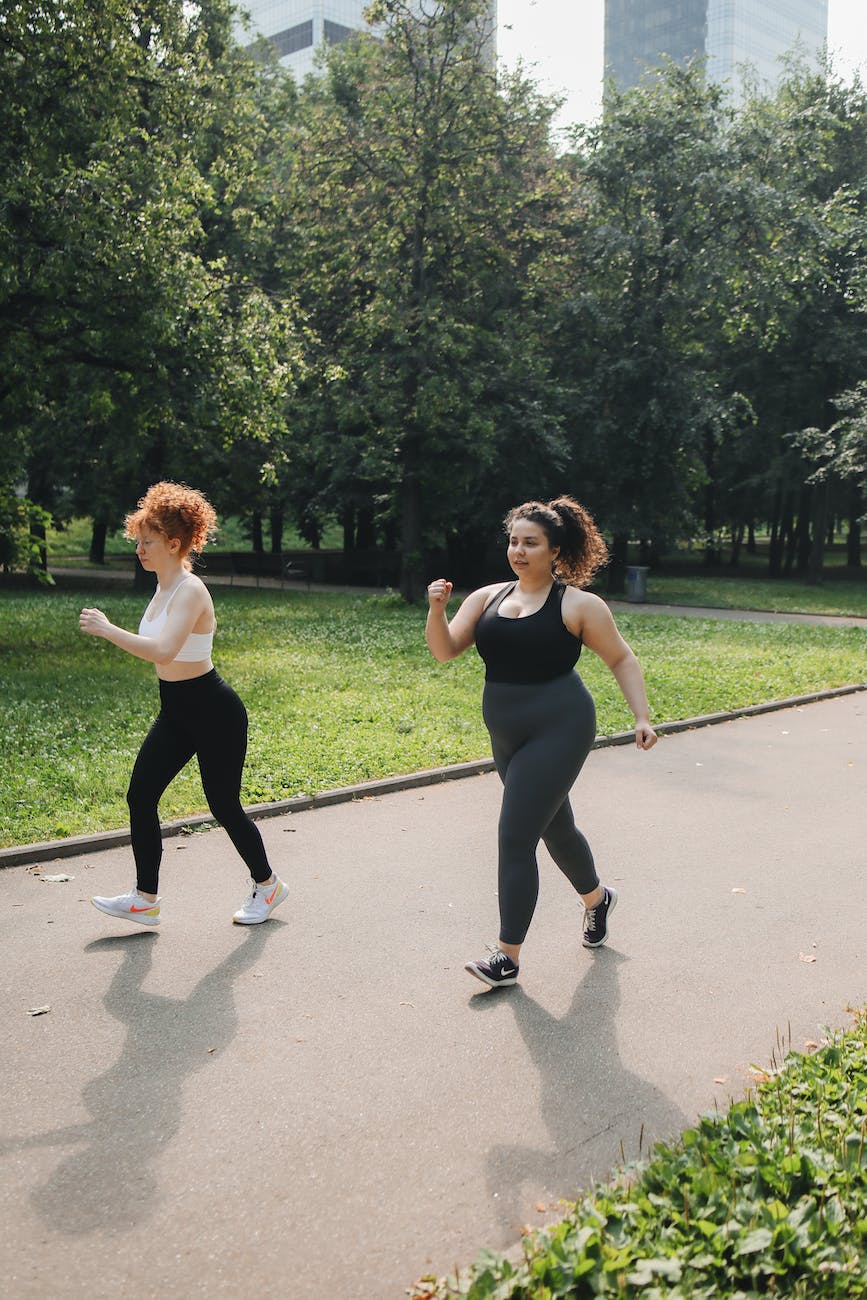
People who are overweight or obese, compared to those with healthy weight, are at increased risk for many severe diseases and health conditions. These include high blood pressure, high cholesterol, type 2 diabetes, coronary heart disease, stroke, gallbladder disease, sleep apnea, breathing problems, low quality of life, body pain, and mental illness. Overweight is defined as a body mass index of twenty-five or higher. Obesity is defined as a BMI of 30 or higher. According to the CDC, all states and territories have more than 20% of adults with obesity. The South (36.3%) had the highest prevalence of obesity (“CDC Overweight & Obesity,” 2022).

Physical activity like walking is essential for weight control because it helps burn calories. Adding 30 minutes of brisk walking to your daily routine could burn about 150 more calories a day. Of course, the more you walk and the quicker your pace, the more calories you burn. Combining physical activity and cutting calories seems to help with weight loss more than exercise alone (“Walking: Is it enough for weight loss?” 2022).

Besides weight control, regular brisk walking manages and prevents many conditions, such as heart disease, stroke, high blood pressure, diabetes, and cancer. It also strengthens your muscles/bones, increase energy levels, improves mood, strengthens your immune system, reduces stress, and improves sleep (“Walk your way to fitness,” 2021).

A brisk walk requires purposeful movements and good posture. Ideally while walking, you should:

  • Have your head up
  • Relax your neck, shoulders, and back
  • With a slight bend in elbows,  swing your arms freely
  • Straighten your back and stomach muscles slightly tightened
  • Roll your foot from head to toe, walking smoothly

Before you start your walking routine, it is vital to get the appropriate gear, walk in a safe environment, warm up, and cool down. Walking has many benefits, so grab a partner and simply walk!

References

CDC overweight & obesity. (2022, October 20). Centers for Disease Control and Prevention. https://www.cdc.gov/obesity/index.html

Walking: Is it enough for weight loss? (2022, November 30). Mayo Clinic. https://www.mayoclinic.org/healthy-lifestyle/weight-loss/expert-answers/walking/faq-20058345

Walk your way to fitness. (2021, May 19). Mayo Clinic. https://www.mayoclinic.org/healthy-lifestyle/fitness/in-depth/walking/art-20046261


The Health Effects of Loneliness

Amanda Benko | Intern UAB School of Education – CHHS

Photo by Marina Shatskikh on Pexels.com

In today’s increasingly interconnected world, loneliness has become a silent epidemic that affects millions of people across the globe. Besides the emotional distress it causes, loneliness poses a significant threat to our overall health and general well-being. Let’s discuss the meaning of loneliness and its health effects. Loneliness is distress resulting from a perceived discrepancy between desired and actual relationships. It is important to note that loneliness is not the same as isolation (living alone or having few social interactions) because those who interact with others, can also be lonely, or conversely, alone but not lonely (CDC, 2020). In other words, loneliness is not just the absence of social interaction but a subjective experience of feeling disconnected from others. You can be lonely even in the presence of others, and it can affect anyone. Loneliness is caused by various factors, including social exclusions, losing a loved one, geographic isolation, and a lack of meaningful relationships.

Loneliness is associated with various adverse health effects, such as mortality, morbidity, health behaviors, and healthcare utilization. According to CDC (2020), loneliness and mental health issues often go hand in hand. Prolonged cases of loneliness are often associated with an increased risk of developing depression, suicidal thoughts, anxiety disorders, and other psychological conditions. The emotional burden that comes with loneliness can intensify feelings of worthlessness, despair, and hopelessness. Research also shows that loneliness can also affect our physical health. Those who experience chronic loneliness are more likely to develop various ailments such as hypertension, cardiovascular diseases, obesity, hypertension, weakened immune system, and even mortality. In fact, loneliness can be a chronic stressor that triggers a cascade of physiological responses that affect our health. According to Hawkley (2022), lonely people have higher odds of dying early than non-lonely individuals. Additionally, loneliness is associated with an increased risk of dementia and cognitive decline in later life. Someone who lacks social stimulation and engagement may experience cognitive decline, affecting attention, memory, and overall cognitive functioning. This highlights the significance of social connection across all stages of life.

Historically, loneliness may have been considered an individual problem – a personal failure. But, with the increasing rate of loneliness and its adverse effects, it is today considered a public health concern. As a result, it is an issue that calls for immediate and collective responsibility. Its effects are far-reaching, affecting our mental and physical well-being. However, I believe we all can play an important role in dealing with this issue. We can foster meaningful connections, create inclusive environments, and connect with the isolated. Through this, we can help build a healthier and more connected society. Check on an elderly neighbor, include people in events with friends, and call relatives or friends you may not speak to for weeks. It is important to note that just a simple act of kindness to someone in need can make the world a different place.

References

CDC (2020) Loneliness and Social Isolation Linked to Serious Health Conditions. Retrieved from https://www.cdc.gov/aging/publications/features/lonely-older-adults.html#:~:text=Health%20Risks%20of%20Loneliness&text=Recent%20studies%20found%20that%3A,%2C%20obesity%2C%20and%20physical%20inactivity.&text=1-,Social%20isolation%20was%20associated%20with,50%25%20increased%20risk%20of%20dementia.

Hawkley, L. (2022). Loneliness and health. Nat Rev Dis Primers 8, 22. https://doi.org/10.1038/s41572-022-00355-9


Have You Had Taken Your Vitamins Today?

By Jaelyn Copeland | UAB Community Health and Human Services Intern

Vitamins and minerals are critical for several important bodily functions. Often referred to as micronutrients, vitamins and minerals are not produced in the body. Instead they are commonly consumed through food or supplements (CDC, 2022).

The berry of the black elder tree, or Sambucus nigra, known as elderberry, is full of antioxidants that we need to sustain a healthy lifestyle. Although it is native to Europe, the black elder tree can also be found in North America, some regions of Asia, and Africa. Elderberry has been used in traditional medicine to promote general health for years. Whether it is used as an extract or juice concentrate from the whole fruit, elderberry is now frequently used in dietary supplements. Products containing elderberry are primarily marketed to support immune health. It also helps alleviate symptoms of respiratory illnesses, including the common cold, the flu, and COVID-19.

There are several different formulations of elderberry supplements; including syrups, pills, and lozenges. Numerous goods are sold expressly to children, notably those that come in chewable or gummy form. Additionally, some products combine the berries with other components of the black elder tree, most frequently elderflower. Elderberry may be hazardous if improperly prepared.

The stems and leaves of the elder tree, as well as unripe elderberries, contain cyanide-producing substances that can be poisonous if consumed. These chemicals can be eliminated through cooking, but many homemade elderberry recipes do not call for enough heat to completely evaporate all toxins, making them more likely to have negative effects than over-the-counter remedies. 

There have been more complaints of elderberry products recently being contaminated. If you’re thinking about taking an elderberry supplement, please talk to your doctor first make sure the product you choose has received third-party certification.

References 

Centers for Disease Control and Prevention. (2022, February 1). Micronutrient facts. Centers for Disease Control and Prevention. Retrieved February 8, 2023, from


Are We Really What We Eat?

By Angela Wilson | Community Health and Human Services Intern

I am sure we have all heard the phrase, “You are what you eat”, (Ludwig). But what does this phrase really mean? In short, it means that we must eat foods that benefit our bodies so that we can be healthy and fit. Heart disease, diabetes, and other cardiovascular diseases disproportionately affect the African American community so it is imperative that we examine the benefits of consuming certain fruits which may significantly lower our chances of getting these diseases. This commentary will address the health benefits of strawberries, blueberries, and raspberries.

         Strawberries are very rich in antioxidants and are an excellent source of vitamin C , manganese, folate, and potassium. Vitamin C strengthens the body’s defense and protects it from free radicals ( harmful molecules),  which has been linked to many chronic diseases. Manganese is an element that assists in building bones, wound healing, and reproductive health. Folate and Potassium are important for normal tissue growth, cell function, and essential bodily functions such as regulating blood pressure. Strawberries are 91% water and have a very low carb content. They also have a significant amount of fiber, (approximately 26%), which improves digestive health by feeding the friendly bacteria in your stomach. Lastly, evidence suggests that strawberries lowers the spike in blood sugar after consuming a meal, thereby aiding in blood sugar regulation.

        Blueberries contain some of the highest anti-oxidant levels which contribute to their ability to neutralize some of the free radicals that cause damage to your DNA. They also protect cholesterol in your blood from becoming damaged.  Bad cholesterol (LDL), increases your risk for heart disease and stroke. Blueberries are strongly linked to reduced levels of LDL, which makes them very good for your heart. Anthocyanin, one of the powerful antioxidants in blueberries has significant beneficial effects on insulin sensitivity and glucose metabolism.  This plays an instrumental role in reducing inflammation and aiding in the protection of conditions like cancer and diabetes.

        Raspberries are very low in sugar and are considered to be antioxidant powerhouses because of their high vitamin C content.  One 100-gram portion of raspberries provides 23 milligrams of vitamin C, which is approximately 30% of the recommended daily allowance for women.  They are associated with a lower risk of chronic stress related diseases such as heart disease and cancer. Raspberries support good digestive health due to their high fiber content and they also reduce the amount of insulin needed to manage blood sugar levels.

As you can see, these fruits are key components to good health and well being and should be incorporated into our diets as we strive to become healthier, stronger, and happier while protecting our bodies from chronic diseases and illnesses.

References:
Bjarnadottir, A. (March 2019). Strawberries 101: Nutrition Facts and Health Benefits. https://www.healthline.com. Retrieved February 27, 2023.
Ritcher, A. (January 2023). 10 Proven Health Benefits of Blueberries. https://www.healthline.com Retrieved February 27, 2023.
Sachdev, P. (September 2022). Health Benefits of Raspberries. https://www.webmd.com Retrieved February 27, 2023.