Dementia: It is Not a Normal Part of Aging

By Reginia Dodson | UAB Community Health and Human Services Intern

Photo by t4hlil on Pexels.com

With this disease becoming more and more common in the United States of America, people tend to think it is a normal part of aging when it is not. Dementia is at an all-time high today in the elderly community and is common in those at least 65. There were an estimated 5.0 million adults with dementia in 2014, projected to be nearly 14 million by 2060 (CDC, 2022).  Honestly, this may be one of the most heartbreaking disorders because it doesn’t only affect the person with the disorder but also the person’s loved ones. Watching a parent or grandparent slowly forget everything is a hard pill to swallow. Forgetting memories is tough, but it may not be as bad if you compare it to forgetting how to take care of yourself, forgetting your name, forgetting your family/friends, or even forgetting what year it is.

There are some risk factors when it comes to dementia. The first risk of dementia is age. The most substantial known risk factor for dementia is increasing age, with most cases affecting those 65 years and older. There also seems to be a link in heritage regarding dementia. Those with parents or siblings with dementia are more likely to develop dementia themselves. Some races or ethnic groups have a higher chance of developing dementia. Older African Americans are twice more likely to have dementia than whites. Hispanics are 1.5 times more likely to have dementia than whites. A person’s heart health has also put a highlight on dementia.  High blood pressure, high cholesterol, and smoking increase the risk of dementia if not appropriately treated. Lastly, another major contributor to dementia is a traumatic head injury, mainly if it occurs repeatedly (CDC, 2022). Sadly, there is no cure for dementia. Only a matter of keeping that person comfortable or in a calm state.

References

What is dementia? | CDC. (2022, October 5). Centers for Disease Control and Prevention. https://www.cdc.gov/aging/dementia/index.html


Ouch…Mosquito Bites Can Cause Inflammation

By Ashley Peoples| UAB Community Health and Human Services Intern

Photo by Jimmy Chan on Pexels.com

Have you ever wondered why mosquito bites cause inflammation? I may have the answer. When mosquitoes bite you, they typically bite off the part of the skin that is not covered by clothes. This leaves that bitten area of the skin red or inflamed, and a bump forms. The bump becomes swollen due to the mosquitoes feeding off your blood. According to the Mayo Clinic (2022) website, “Mosquito bites are caused by female mosquitoes feeding on your blood.”

Once the mosquito bites and ingests your blood, saliva is injected into your skin. Their saliva causes a reaction in your immune system that results in itching. According to researchers from the Mayo Clinic (2022), “The saliva triggers an immune system reaction that results in the classic itching and a bump.” The ways to prevent this are by lessening your exposure to mosquitoes, fixing tears or issues in screen windows, and placing a mosquito net over your sleeping area if you are sleeping outdoors.

Use effective insect repellents with ingredients such as DEET, oil of lemon eucalyptus, and para-menthane-diol (PMD). Wearing protective clothing will help as well, such as a hat, long sleeve shirts, and pants. Using preventive medicine is helpful to prevent inflammation from mosquitoes. Vaccinations and medications that help prevent inflammation and reactions from mosquitoes are available by talking to your doctor. You can reduce mosquitoes around your home by regularly emptying outdoor flowerpots, unclogging roof gutters, getting rid of old tires in the yard, and emptying your children’s wading pools often.

  Mosquitoes bite during the day and at night. No one likes getting bitten by mosquitoes, so take control of the protection of your skin and be proactive by taking the necessary steps to protect yourself from mosquito bites.

References

Mayo Foundation for Medical Education and Research. (2022, October 26). Mosquito bites. Mayo Clinic. https://www.mayoclinic.org/diseases-conditions/mosquito-bites/symptoms-causes/syc-20375310


Black Women’s Maternal Health

By Terrie Johnson | UAB Community Health & Human Services Intern

Photo by SHVETS production on Pexels.com

Black women’s maternal health is a significant issue in the United States since it is responsible for critical care conditions. For example, the death rates of infants born by Black women are higher than their White counterparts. Despite their educational background, Black women are three times more likely to die due to maternal health issues than White women (CDC, 2023). The above situation denotes the critical disparities in care between individuals from the two ethnic groups. One of the underlying factors for the high maternal health issues among Black women is unconscious bias in healthcare. In other words, they do not receive quality care compared to White women (CDC, 2023). As such, they are predisposed to critical healthcare risks that increase the risk of infant deaths. Lack of quality healthcare delivery for the Black population is also responsible for maternal health challenges among Black women. Often, they live in neighborhoods with limited care resources. Thus, the quality of care is compromised, in most cases, leading to maternal death.

The maternal health issues among Black women can be improved. One of the actions that would facilitate this goal is to require the healthcare system to identify unconscious bias in care delivery. This initiative will instigate the removal of barriers to care and provide access for Black women. There is also the need to improve prenatal care delivery in Black neighborhoods (CDC, 2023). Other than the above measures, non-obstetric caregivers should be trained to handle pregnancy issues among Black women. It is also relevant to deal with potential stressors experienced by the target population (CDC, 2023). This initiative will provide an impetus for advanced care for Black women’s maternal care issues. It is also necessary to consider advising the affected people on the criticality of seeking medical help when they feel their health trajectory is not right. Everyone can play a significant role in working to prevent pregnancy -related deaths and improving maternal health outcomes.

Reference

CDC. (2023). Working together to reduce Black maternal mortality. Centers for Disease Control and Prevention. Retrieved from https://www.cdc.gov/healthequity/features/maternal-mortality/index.html


Breathe Deep – Ways to Help Reduce Air Pollution

By Ashley Peoples | UAB Community Health & Human Services Intern

Contributor: Amanda Benko | UAB Community Health & Human Services Intern

Photo by Pixabay on Pexels.com

With the discussion of pollution in New York City, air quality is a focus of this issue that we should all be concerned about. According to the CDC, climate change affects the health of humans by an increase in “ground-level ozone and particulate matter air pollution” (CDC, 2020). This means that when there is a change in the ground level our health is impacted. Smog is something that most of us are familiar with, and it is related to asthma, as well as stroke, lung cancer, and heart disease (WHO, 2018).

According to the World Health Organization, some ways to avoid breathing polluted air include limit walking outside during peak traffic time (such as rush hour), if you are walking with a small child, lift them up (if able) above the level of exhaust. Other tips include limit spending time in high traffic areas when possible, limit use of vehicle during “air quality alert” days, and don’t burn waste or trash.

There are many clean air interventions that you can support. Globally, the WHO has initiated a BreatheLife campaign. This aims to reduce air pollution in countries, regions and cities, and as of 2018 the reach of this program was approximately 97 million. In the Birmingham area, there is a group called GASP (Greater-Birmingham Alliance to Stop Pollution), this group is laser focused on improving air quality in our city. Before 1970, when the Clean Air Act was passed, truckers referred to Birmingham, AL as “Smoke City”. GASP and other non-profits locally and globally can use your support (Byiton, 2018).

If you want to know more about the air quality history of Birmingham, check out this article by BHAM NOW: https://bhamnow.com/2017/08/17/smoke-city-birmingham/

To show support for GASP: https://gaspgroup.org/our-story/

References:

Byington, P. (2018). “Smoke City” – Birmingham air pollution our past and future. BHAM NOW. https://bhamnow.com/2017/08/17/smoke-city-birmingham/

Centers for Disease Control and Prevention. (2020b, December 21). Air Pollution. Centers for Disease Control and Prevention. https://www.cdc.gov/climateandhealth/effects/air_pollution.htm

The gasp story: Our mission, vision, values & more. GASP. (n.d.). https://gaspgroup.org/our-story/

World Health Organization. (2018, October 29). How air pollution is destroying our health. World Health Organization. https://www.who.int/news-room/spotlight/how-air-pollution-is-destroying-our-health


What is being done about poverty in Alabama?

Angela Wilson | UAB Community Health & Human Services Intern

Photo by Pixabay on Pexels.c

Alabama is known for its Southern Hospitality, college football, sandy beaches, and mouth-watering cuisine.  But what is not very well known about Alabama is the economic hardship and poverty levels that many of its residents’ face. Alabama is the 6th poorest state in the country according to Alabama.org., a nonprofit organization that removes barriers to success and economic empowerment.  Over 714,000 Alabamians live in poverty which includes 220,000 kids.  Alabama has 67 counties, and seven of them have poverty rates higher than 25%. Two counties in Alabama (Perry and Bullock), have poverty rates of higher than 30%, which is astounding.  There are only two counties in Alabama that have a poverty rate of less than 10%, which are Baldwin and Shelby.  Africans Americans and Hispanics are disproportionately impacted by poverty when compared to their white peers.  African Americans make up 25.6% of people living in poverty, while 29.2% of Hispanics live in poverty.  This pales in comparison to the 11.2% of white people living in poverty. 

This data provides the necessary transparency needed to address these issues and apply viable and tangible solutions.  Educational opportunities, employment, health care, and food security are all concerns when exploring the upward mobility of these vulnerable counties. 

In 2022, Governor Kay Ivey awarded over $480,000 to The Community Action Agencies Association of Alabama to help Alabamians rise from the economic strains of poverty.  The funds will be used towards programs that help low-income residents improve self-sufficiency.   Governor Ivey also signed a grocery tax reduction into law last month.  This tax cut reduces the current sales tax on groceries from 4% to 3% and could be reduced to 2% by September if the Education Trust Fund rises.  These efforts are a great start towards easing the burdens of poverty, but more must be done. On a national level, safety net programs like Supplemental Nutrition Assistance Program (SNAP), need to be expanded as the current benefit is inadequate according to the Center for Progress.org. Additionally, affordable housing and childcare must be a priority so that working families can provide for their families’ fundamental needs on a regular basis.

Alabamians are capable and resilient.  I know that with a little support, families in this great state can overcome the burdens of poverty.

References:

Alabama Department of Economic and Community Affairs. (2023). Governor Ivey Awards $480,000 to Assist Low-Income Residents Statewide. https://adeca.alabama.gov.

Alabama Possible. (2022). Barriers to Prosperity Data Sheet. https://alabamapossible.org.

Pathak, A., Ross, K. Center for American Progress. (2021). The Top 12 Solutions to Cut Poverty in the United States. http://www.americanprogress.org.


Caregiving For the Elderly and Managing Caregiver Fatigue

Angela Wilson | UAB Community Health and Human Services Intern

Photo by Andrea

Seniors are living longer these days, and more people live to be 100 years old. That is excellent news regarding longevity, reducing loneliness, and having a sense of purpose. Many of our elderly are cared for in the comfort of their homes by their children, grandchildren, or other family members or friends.  They are often loved, admired, and even cherished by their caregivers, but caring for them sometimes can become exhausting.

As more adult children choose to take care of their aging parents and opt out of nursing homes, the stress, fatigue, and physical demands put upon them can be wearing. Caregivers have many responsibilities when providing for the elderly. They must ensure they take their medications, prepare food, clean, and maintain their rooms, ensure they are bathed, and perform a plethora of other tasks daily.  With all these obligations, it can be easy for caregivers to neglect their own needs.   Caregivers are often sleep-deprived and tired; some even forget to eat. They can experience anger, sadness, frustration, isolation, depression, and resentment toward their loved ones. When this happens, it is usually time for the caregiver to take a break and care for themselves.  After all, if the caregiver is not taking care of themselves, they will be unable to provide adequate care for their loved one.

Caregivers should ask for help.  There are usually siblings or other family members or friends who can watch their loved one so they can walk outside, have dinner with friends, or see a movie. There are also local support groups that can provide encouragement, validation, and other viable resources.  Most communities offer respite care, including in-home help from health care aides, adult centers, and even short-term nursing homes so the caregiver can get away. Getting help and addressing your needs as a caregiver may make you feel recharged and give you a much-needed energy boost to manage your caregiver duties better. So, not only does taking care of yourself benefit the caregiver, but your loved one will also benefit from it!

References

Robinson, L. et al. (2023). Family Caregiving. Helpguide.org. https://www.helpguide.org.

American Psychological Association. (2014). Positive Aspects of Caregiving. https://www.apa.org


Depression and Pregnancy

By Terrie Johnson| UAB Community Health & Human Services Intern

Photo by Amina Filkins on Pexels.com

The prevalence of depression in expectant mothers is high. This mental health disorder affects pregnant women and presents through fatigue, loss of appetite, suicidal ideation, and hopelessness, among other signs. The causes of depression during pregnancy are diverse and vary among individuals. For some people, this condition emanates from life-related uncertainties. For instance, unplanned pregnancies are stressful and often shake relationships. Thus, a woman may become depressed if her partner leaves and she is unsure if she can take care of the baby by herself. Also, one may have lost a previous pregnancy or child and is afraid that the events could reoccur. Thus, it is critical for would-be parents to seek psychotherapy before and during pregnancy to make the process smoother.

Depression in pregnant women can also occur due to pregnancy-related complications. During pregnancy, the body produces hormones that help with fetal growth. However, they are responsible for severe mood swings in some women. Negative mood changes accompanying pregnancy can turn into depression if they are not controlled. For example, one may have chronic, unexplained sadness. Failure to seek professional help results in depression because the body cannot regulate moods effectively during pregnancy. Moreover, physical pain in limbs or muscles during pregnancy can become chronic, which leads to depression.

While maternal depression can occur in patients who have never had this condition, those who have had it before are at a higher risk. According to Jahan et al. (2021), it affects fetal well-being and could result in preterm birth, low birth weight, or neurodevelopmental issues. Thus, expectant mothers should prioritize mental health by focusing on the positive outcomes of pregnancy. Regardless of the challenges, the result of pregnancy is a beautiful baby. Therefore, concentrating on what one can control protects the child and mother from physical and emotional turmoil. For example, women can engage in activities that make them look forward to having the baby, like shopping and knitting infant garments. Finally, one could spend time with other parents or attend child-care classes if they doubt their parenting abilities.

If you think you might have depression during pregnancy, talk to your healthcare provider about how you feel to determine your next steps. You are not alone.

Reference

Jahan, N., Went, T. R., Sultan, W., Sapkota, A., Khurshid, H., Qureshi, I. A., & Alfonso, M. (2021). Untreated depression during pregnancy and its effect on pregnancy outcomes: A systematic review. Cureus. https://doi.org/10.7759/cureus.17251


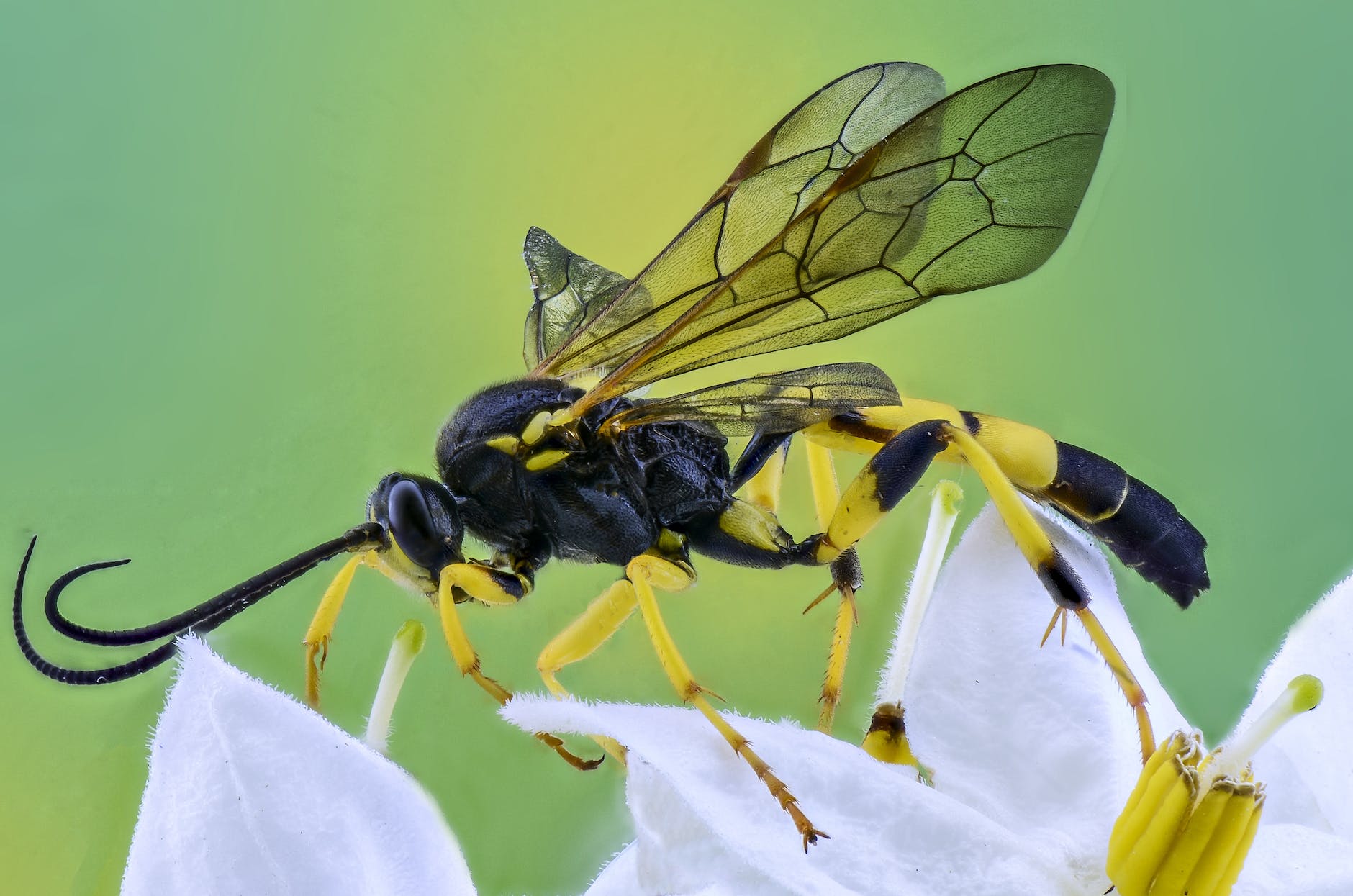
OUCH! Tips on Treating Wasp Stings

By Jessica Feagin | UAB Community Health & Human Services Intern

Photo by Pixabay on Pexels.com

My 5-year-old son was playing in the backyard one afternoon, and he came into the house crying, saying he had been stung by a wasp. I immediately comforted him because I remembered the pain I felt when I was stung by a wasp as a child. The side of his face where he was stung had a welt and turned red. That side of his face had also swollen. I immediately researched how to treat a wasp sting to ensure my son would feel better.

Wasp stings are common and only sting when irritated by a person or their nest has been disturbed. Wasps keep their stinger. Therefore, they can sting several times. During a sting, wasps will also inject venom into the skin. Although painful and causes some discomfort, wasp stings can be treated at home. The pain from a wasp sting typically doesn’t last any more than one day, and swelling can last a couple of days. Symptoms of wasp stings can include pain in the area where it stung, redness, swelling, itching, and possibly hives if you have a reaction to the sting. Seek medical attention if you have been stung in the throat, nose, or mouth or experience life-threatening allergic reactions such as tightness in the throat or chest, uncontrolled coughing, profuse sweating, hives over large areas of the body, and dizziness or fainting (WebMD Editorial Contributors, 2020). WebMD (2020) has made some suggestions on how to treat a wasp sting at home:

  • Wash the sting area with warm soap and water to remove any venom or bacteria the wasp could have carried.
  • Apply a cold compress for about 30 to 60 minutes, with intervals of 10 minutes on and off, to reduce pain and swelling from the wasp sting.
  • Take an anti-inflammatory medication like ibuprofen to help relieve pain from the sting.
  • Apply an antihistamine such as a corticosteroid or calamine lotion to relieve itchiness in the area.

Wasp stings are common, but do not let that prevent you or your children from playing outdoors. Wasp will sting you as a self-defense mechanism, so you must avoid them. However, if you or a loved one is stung by a wasp, there are home remedies that will help relieve the discomforts that come from the sting.

References

WebMD Editorial Contributors. (2020, November 20). Remedies for wasp stings. WebMD. https://www.webmd.com/skin-problems-and-treatments/remedies-wasp-sting


Living a Healthy Lifestyle During Pregnancy

By Jessica Feagin | UAB Community Health and Human Services Intern

Photo by Gustavo Fring on Pexels.com

Staying healthy is especially important during pregnancy. A nutritious and well-balanced diet during pregnancy can result in healthy birth weight and good baby brain development (Stickler, 2020). It can also reduce the risk of several congenital disabilities and the risk of anemia and morning sickness in the mother. A well-balanced diet during pregnancy consists of fruits and vegetables, vitamin C, protein, calcium, whole grains, folic acid, and iron-rich foods. Ensuring your juice, milk, and cheese are pasteurized is important to protect you and your baby from parasitic or bacterial infections. Also, avoid undercooked seafood and meat. In addition to a nutritious and well-balanced diet, prenatal vitamins play a vital role during pregnancy. For example, folic acid and choline are essential vitamins that may prevent spine and brain birth defects.

According to the American College of Obstetricians and Gynecologists, it is recommended that pregnant women aim for at least 150 minutes a week of moderate-intensity aerobic activity. Exercising during pregnancy can decrease stress, increase energy levels, increase circulation, improve sleep, and reduce backaches.

While pregnant, it is essential to avoid smoking, using drugs, and drinking alcohol. These habits have been linked to complications and can pose serious risks for you and your baby. For example, drinking alcohol during pregnancy can result in fetal alcohol syndrome, which can cause your baby to have abnormalities in their central nervous system and be underweight. Drinking alcohol can also cause premature labor and delivery and even stillbirth.

Make sure you attend all prenatal care appointments so your doctor can monitor you and your baby closely throughout your pregnancy. Having a baby can be the most exciting time for you and your family, so ensuring a healthy lifestyle is very important for you and your baby’s health. Do you have any pregnancy tips to give to pregnant mothers? If so, please share.

References

Stickler, T. (2020, July 9). Maintaining a healthy pregnancy. Healthline. https://www.healthline.com/health/pregnancy/healthy-pregnancy


How breastfeeding can reduce your risk of cancer.

By Amanda Benko | UAB Community Health & Human Services Intern

Photo by MART PRODUCTION on Pexels.com

Breastfeeding is a natural process that benefits the baby and the mom. In addition to its nutritional benefits, research by the National Institutes of Health (NIH) has shown that breastfeeding is vital in reducing the risk of breast and ovarian cancer among mothers. Breastfeeding reduces a woman’s exposure to estrogen, a hormonally active chemical known for its ability to impact the risk of breast cancer. Prolactin, an endocrine hormone released in response to breastfeeding, reduces estrogen production, making it more challenging to grow malignant cells inside the mammary gland. Additionally, breastfeeding promotes cellular differentiation inside the mammary glands, which means this decreases the likelihood of cellular abnormalities that may lead to the start of cancer.

Ovarian cancer is a severe and sometimes fatal disease that affects women worldwide. The Centers for Disease Control and Prevention (CDC) have found a link between the act of nursing and reduced ovarian cancer risk (Johnson, 2021). The risk and association between breastfeeding and ovarian cancer may have to do with the fact that women who are breastfeeding tend not to menstruate, or if they do, they have lighter periods. Lack of menstrual cycles can reduce the ovaries’ total exposure to estrogen and other hormones that can potentially promote the evolution of ovarian cancer. (CDC, 2019).

If you have not had children or cannot breastfeed, there are many other ways to reduce your cancer risk. Please check out the NIH or talk to your doctor about ways to reduce your risk, including diet and medication.

References

Anstey, E. H., Shoemaker, M. L., Barrera, C. M., O’Neil, M. E., Verma, A. B., & Holman, D. M. (2017, September). Breastfeeding and breast cancer risk reduction: Implications for black mothers. American journal of preventive medicine. https://www.ncbi.nlm.nih.gov/pmc/articles/PMC6069526/

Anstey, E., & Kincaid, G. (2019, August 1). Breastfeeding for cancer prevention. Centers for Disease Control and Prevention. https://blogs.cdc.gov/cancer/2019/08/01/breastfeeding-for-cancer-prevention/

MD Anderson Cancer Center, & Cordeiro, B. (2014, October 9). Breastfeeding lowers your breast cancer risk. MD Anderson Cancer Center. https://www.mdanderson.org/publications/focused-on-health/breastfeeding-breast-cancer-prevention.h19-1589046.html