We Believe You: The Harsh Realities of Sexual Violence

By Lacey George | MAEd Student, UAB Community Health & Human Services

Photo by Duanu00e9 Viljoen on Pexels.com

Conversations surrounding the controversial topic of sexual violence, and its effects on survivors, their loved ones, and our society, have been increasing over time. In light of the
#METOO movement, sexual abuse, assault, and violence survivors are finally given a voice to tell their story, sometimes years later. Because of this, we are finally confronting the
realities of what those brave women, men, and children have endured.

Sexual Violence is too Common

  • Each year, sexual assaults occur in approximately 463,634 Americans, which is roughly 1 every 68 seconds.
  • More than 1 in 3 women and 1 in 4 men have experienced sexual violence, including physical contact in their lifetimes.

Sexual Violence Starts Early:

  • 1 in 3 females will experience rape between the ages of 11-17 years of age, and 1 in 8 experience it before the age of 10.

The effects of sexual violence are long-lasting and far-reaching. Sexual violence negatively affects the survivor’s quality of life, psychological wellbeing, and social opportunities, such as dating and social isolation. Sexual violence intersects with many chronic health problems, such as sexually transmitted infections, unwanted pregnancies, depression, and sexual health problems. Moreover, sexual violence is linked to adverse health behaviors. For example, victims are more likely to smoke, abuse alcohol, use drugs, and engage in risky sexual activities.

Stopping sexual violence before it has the chance to occur has become the primary focus of sexual violence prevention efforts. This type of prevention effort focuses on changing out-of-date beliefs and victim-blaming attitudes and framing sexual violence as a significant public health problem. To effectively prevent sexual violence, we must make the connection between all forms of oppression (including racism, homophobia, sexism, adultism, and many others) and how oppression has created a culture in which inequality thrives, and violence is seen as the norm.

Actions to Prevent Sexual Violence:

  • Promoting social norms that protect against sexual violence encourages men and boys to be allies for others.
  • Teaching skills that can prevent sexual violence, such as teaching safe-dating and intimate relationships skills, promoting healthy sexuality, and teaching healthy coping mechanisms to adolescents.
  • Creating protecting environments, such as improving safety and monitoring in schools, community centers, and workplaces.

Alabama & Local Resources for Support:

References:

Centers for Disease Control and Prevention. (n.d.). Prevention strategies. Retrieved on February 2, 2022, from https://www.cdc.gov/violenceprevention/sexualviolence/prevention.html

Centers for Disease Control and Prevention. (n.d.) Sexual Violence. Retrieved on February 2, 2022, from https://www.cdc.gov/violenceprevention/index.html

Cherniavsky, E. (2019). Keyword 1: #MeToo. Differences, 30(1), 15–23. https://doi.org/10.1215/10407391-7481176

Jaffe, S. (2018). The collective power of #MeToo. Dissent, 65(2), 80-87. https://doi.org/10.1353/dss.2018.0031

Rape, Abuse, & Incest National Network. (2020). About sexual assault. Retrieved on January 29, 2021, from https://rainn.org/about-sexual-assault

Smith SG, Zhang X, Basile KC, Merrick MT, Wang J, Kresnow M, & Chen J. (2018). The National Intimate Partner and Sexual Violence Survey (NISVS): 2015 Data Brief— Updated Release. Atlanta, GA: National Center for Injury Prevention and Control, Centers for Disease Control and Prevention. Retrieved on January 28, 2022, from https://www.cdc.gov/violenceprevention/pdf/2015data-brief508.pdf


Greatness in Small Packages: Claudette Colvin

By Senequa Malone | UAB Community Health & Human Services Intern

Photo Credits: Claudette Colvin, aged 13, in 1953. Public Domain; Back of the bus. Photograph by Stan Wayman

We’ve heard sayings like, “From of the mouths of babes” or references is in revered text “and a little child shall lead them” (Isaiah 11:6). These expressions signify that children are often capable of saying or doing wise, insightful, or mature things. These words or actions can be what is needed to start a movement. This was especially true during the perilous times of the early Civil Rights Movement when many children marched, were beaten, chased by dogs, and sent to jail. The children advocated for change…change in unjust laws and change toward justice all over the country, especially for African Americans living under Jim Crow laws in the South.

One such child was Claudette Colvin. As an eager young teen, she was inspired to make an immediate change one day after school. That day in class, at the segregated Booker T. Washington school in Montgomery, Claudette and her classmates discussed injustices experienced under Jim Crow laws. This bothered Claudette and she knew she had to stand for justice for herself and others. So, she decided that she would conduct her own sit-in. As she later recalled, “All I remember is that I was not going to walk off the bus voluntarily.” Claudette knew she paid her bus fees just like everyone else and deserved to ride without any trouble. She was a member of the NAACP Youth Council and knew her constitutional rights. She went on to elaborate that it felt as if Harriet Tubman was pushing her down on one shoulder and Sojourner Truth on the other.

We always want to teach our children and even communities to do what is right; having them see and experience it for themselves even if they must stand for someone else that’s being oppressed or mistreated. On March 2, 1955, 15-year-old Claudette Colvin became the first person arrested for not giving up her seat to a white person.  The first person to make the news for sitting down.

Colvin’s name was all over the local radio and newspaper print. A young black girl was arrested for being a troublemaker; not giving up her seat for a white person. This disturbed the black community greatly and many leaders quickly acted to get this young lady out of jail and home safely to her family, but they were also inspired. Claudette Colvin’s approach and boldness was ingenious. This young lady sparked the talk for a new boycott.

Local leaders in the Civils Rights Movement recognized the great potential in a non-violent approach had for putting their cause in the national spotlight but did not want to put that pressure upon a child. They knew the media would try anything to demonize her character, use all stereotypes or misjudgments against her and in turn the cause. Claudette was a dark-skinned, unemployed student. Later, she became pregnant and as an unwed expectant mother, the scrutiny of national attention would be intense. Leaders did not want that amount of hate and ignorance directed towards a child. So, they patiently waited and nine months later set in motion their plan with the perfect candidate for their strategy: Rosa Parks, a secretary for the local NAACP chapter. She was a married, employed, light-skinned, mature woman with good hair and the fiery spirit to stand up to national scrutiny. She grabbed the torch of “fight” lit by Claudette Colvin and brought attention to injustice. It was the perfect recipe for success.

While certain names are more recognizable than others, it is the impact and not the recognition that matters. Claudette Colvin’s fearless action is as unmatched and commendable as other greats during these turbulent times. One person’s stance for right can be the catalyst for positive change for so many lives and future generations. The movement would never have been the success it was without the children’s contribution and sacrifice. Colvin’s immediate act for justice and clever plan worked to set the stage for the bus boycotts and later, the Civil Rights Movement as a whole. A young teenage child wanted to see change in the world, and she not only succeeded but blazed a trail for many following behind her. Maybe without Claudette Colvin, we would not know of Rosa Parks’ bravery or Dr. King’s leadership and remarkable speeches. Colvin later became one of the plaintiffs for Browder v Gayle, a federal case which led to the desegregation of Montgomery’s buses. Thusly, her example of non-violent demonstration and advocacy led to victory in the U.S. District Court and integrated busing in December 1956.

As professionals in community health and human services, we stand on the shoulders of many advocates who championed the social well-being of the people adversely impacted by Jim Crow laws. Those shoulders can be adult shoulders or teenage shoulders like Claudette Colvin. Let’s encourage our youth and our young at heart to stand for justice, to champion the well-being of others, and be ready to change the world! Greatness is out there. It is not the size that matters, but the power of the impact!


Sources:

Adler, M., & Hoose, P. (2009, March 15). Before Rosa Parks, there was Claudette Colvin. NPR. Retrieved January 20, 2022, from https://www.npr.org/2009/03/15/101719889/before-rosa-parks-there-was-claudette-colvin

National Civil Rights Museum. Lorraine Motel. (n.d) Justice.  Retrieved from https://mlk50.civilrightsmuseum.org/justice. Accessed 18 Jan. 2022

Photo: Claudette Colvin, aged 13, in 1953. Public Domain

Photo: Back of the bus. Photograph by Stan Wayman

Theoharis, J. (2019, February 2). Claudette Colvin. The Rebellious Life of Mrs. Rosa Parks. Retrieved January 20, 2022, from https://rosaparksbiography.org/bio/claudette-colvin/


Intimate Partner Violence: Love Shouldn’t Hurt

By Shon Mack and Senequa Malone | Interns and UAB Community Health and Human Services Students

Image credit Unknown, Graphics by Shayna Bryan

(This article is based on a discussion from WWL’s Monday Night Wellness Watch You can watch a recording of that livestream in the video player below, or on our YouTube page by clicking this link.)


Intimate partner violence (IPV), also known as domestic violence, is a pattern of abusive behavior in any relationship that is used by one partner to gain or maintain control over another intimate partner.

IPV can take many forms. Some are more overt, such as physical violence, others are subtle like verbal, mental, emotional abuse, or other forms. Always, the goal is to control the victim through manipulation.

What are the warning signs?

            Aggressive behavior, controlling, manipulation, isolation, talking down or belittling, frequent bouts of jealousy are all common signs of an abusive relationship. The cycle of abuse ebbs and flows. Love bombing occurs when the abuser overwhelms their victim with loving words, actions, and behavior as a manipulation technique. This often acts as an apology for the abuse, maybe following an incident where the victim threatens to leave. Once the victim is convinced, or guilted, into staying the abuse resumes and may escalate.

Who are the victims?

            Anyone can be a victim of intimate partner violence. Women are more common in IPV cases, but men suffer as well and are often forgotten or disregarded. Statistics show that 1 out of 3 women 1 out of 4 men become victims. In Alabama, 37.5% of women and 29.5% of men experience intimate partner physical violence, sexual violence, and/or stalking in their lifetimes. Every case is different, and victims may have one or several of these indicators in common.

What are some of causes?

            Main cause is poor upbringing. Children growing up in households that normalize abuse. Research points to many causes of domestic violence, but all these causes and risk factors have one underlying commonality: the abuser feels the need to exert complete control over his or her partner. Some studies indicate that a cause of domestic violence stems from an intersection of both environmental and individual factors.

Who are the perpetrators?

  • Toxic – People who are full of toxicity
  • Hurt – People who are dealing with hurt
    • “Hurt people, hurt people”, people who have been hurt themselves can lash out to hurt others as a destructive way of dealing with their own pain
  • Broken – People who suffer from insecurities, low self-esteem
  • Learned – People who come from generations of abuse and repeat the abusive behaviors their learned from their family

Why do people stay?

Most people stay in abusive relationships due to a combination of love and fear. They love the person; believe they can change the person. Change comes from within. Loving an abusive person will not make them stop being abusive, they need to acknowledge their behavior and want to change before they are able. It is of utmost importance to understand it is no one’s responsibility to change the abuser. You do not owe them.

However, the number one reason people stay in abusive relationships is fear. People who are in these relationships have often been manipulated into believing it is normal, they deserve it, and/or that they cannot function on their own. They fear life on their own. They feel that no one will want them. For some, the abusive situation might be better than where they came from prior.

Unfortunately, ending an abusive relationship is not as simple as the victim choosing to leave; it is often a matter of the victim being able to safely escape their abuser. Finance can play a major role as well and situations are more complex when children or assets are involved.

How can you escape an abusive relationship?

There are many dedicated experts and volunteers out there to help victims of abuse escape their situation. Contacting the Crisis Center, National Domestic Violence Hotline, and/or other local and national services is a good first step. Here is a list of common steps to take when leaving a domestic violence situation:

  • Create a safety plan
  • Have options where you can go (have a few in mind)
  • Have a bank account or credit card put in your name
  • Get a new cell phone
  • Change the locks, get a security system and outside lights
  • Think of ways to get your children to safety without being obvious
  • You can also think of excuses on how to get out of the house as mentioned earlier

If you do not feel safe researching or accessing online resources in your home, the public library is a great resource and a safe place where your activity cannot be tracked.

Love:  Love is patient, love is kind. It does not envy, it does not boast, it is not proud.It does not dishonor others, it is not self-seeking, it is not easily angered, it keeps no record of wrongs. Love does not delight in evil but rejoices with the truth. It always protects, always trusts, always hopes, always perseveres.

1 Corinthians 13:4-7

Local resources:

National Resources:


Citations:

Lamothe, C. (2019, December 17). Love bombing: 10 signs to know. Healthline. Retrieved October 15, 2021, from https://www.healthline.com/health/love-bombing. 

National Coalition Against Domestic Violence (2020). Domestic violence in Alabama. Retrieved from http://www.ncadv.org/files/Alabama.pdf

Statistics. NCADV: National Coalition Against Domestic Violence. (n.d.). Retrieved October 15, 2021, from https://ncadv.org/statistics. 

Warning signs of abuse. The Hotline. (2021, June 15). Retrieved October 15, 2021, from https://www.thehotline.org/identify-abuse/domestic-abuse-warning-signs/. 

Why Do Victims Stay? NCADV: National Coalition Against Domestic Violence. (n.d.). Retrieved October 15, 2021, from https://ncadv.org/why-do-victims-stay. 


Balancing Me When Stressed to Be a Better Mom

By Khalia Wilkinson, M.Ed.

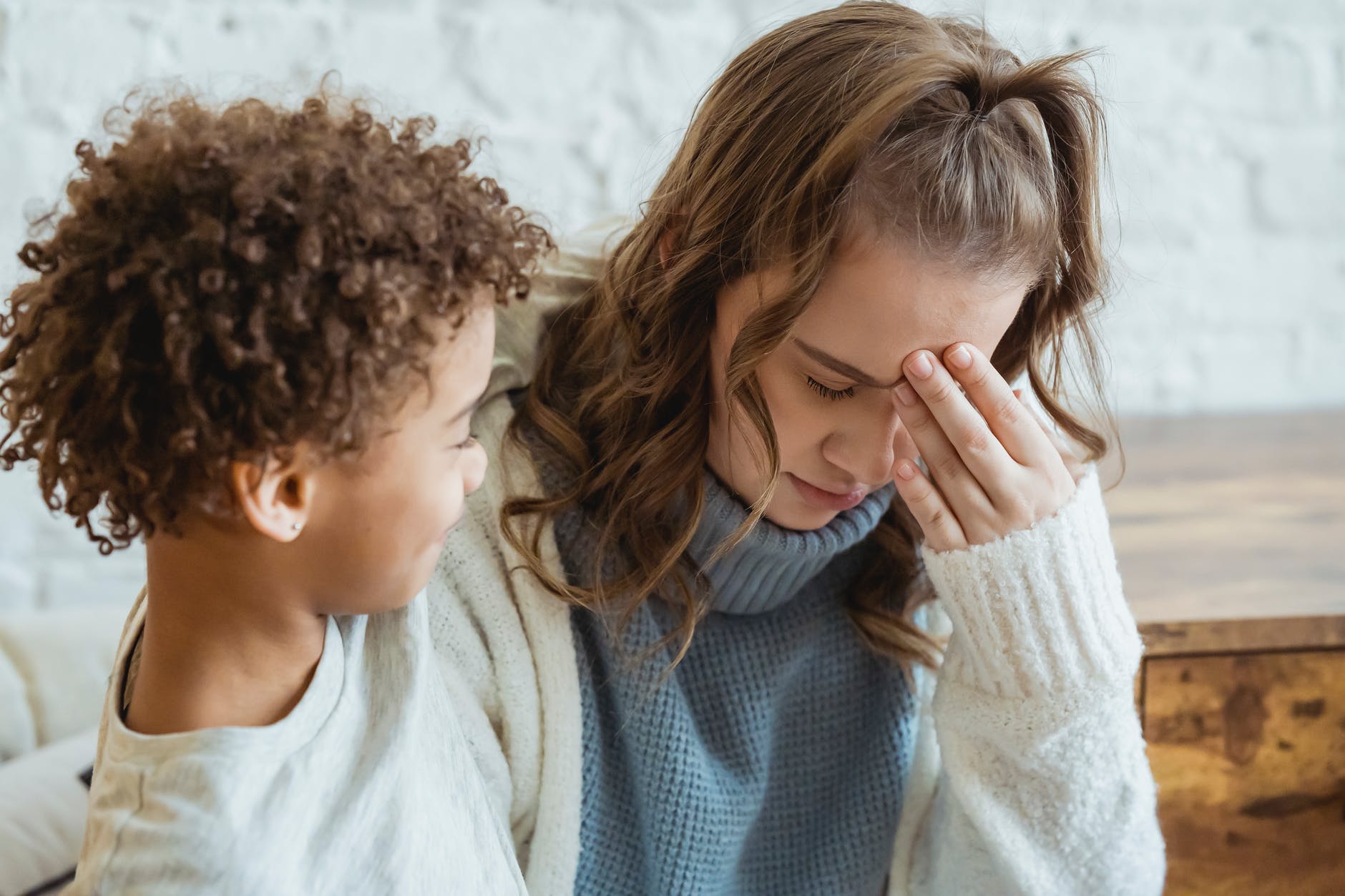
Photo by Keira Burton on Pexels.com

Are you an over-extended mom who has not felt like herself lately? Maybe getting out of bed and getting moving in the morning has become difficult. Maybe you have begun stress-eating or you find yourself eating and drinking more and more of the unhealthy foods and beverages that do not refuel your body. If this is you, let’s work to understand what may be going on.

Multiple factors may be at the root of having low energy and/or feelings of stress and anxiety. In order to recognize these causes, let’s ask ourselves the following questions:

  • What is the real cause(s) of the stresses I am experiencing?
  • How do I hit the pause button in order to positively cope and regain self-control?
  • What can I implement today to take a step towards a healthier me?
  • Who are the trusted friends and/or resources that can support, encourage, and comfort me?
Photo by Monstera on Pexels.com

So what might this process look like?

Exploring the real causes of stress and then hitting the reset button may not be as easy as it sounds. Doing so requires focus and intentionality! If you are finding it difficult to process through your challenges and reset on your own, consider finding a positive and healthy accountability partner, mentor, or professional counselor. You may also consider journaling to get your thoughts and feelings out on paper where you can see them. Examine your journal over the next 30 days to find patterns in your thought processes, especially those that may trigger certain poor behaviors. Finally, know that you are not alone. Many of moms experience times of stress and frustration, but be encouraged but this season of stress will become a moment in the past.

Being Mom…

As you work through your processes…you are continuing to be a good mom. No one is perfect…No one! Continue to love your children; help your children to live life to the fullest; support your children; provide food; provide shelter; make time to have fun with your kids; and be a good model for your children. Of course, this is not exhaustive a list…but it sure is what we do as moms! You are great…you are a mom!


A Body Image Testament

By Flora Johnson, M.Ed. | UAB Community Health & Human Alumni

Lizzo performs during The BRIT Awards 2020 at The O2 Arena on February 18, 2020 in London, England
Photograph by Samir Hussein/WireImage

“No matter how much positive energy you put into the world, you’re still gonna have people who have something mean to say about you.”

– Melissa Viviane Jefferson (Lizzo), Grammy Award Winning American Singer

What is Body Image?

The way people perceive and feel their physical selves is called body image. Men, women, and all peoples have concerns about their body image. Their weight, the shape or size of a body part, skin, or hair is often zeroed in, bashed, and picked apart. The fashion industry is a major contributor to widespread unhealthy body image through the careful selection of underweight models to display their products, but our peers, the media, and even family members all influence body image. This often promotes destructive feelings of inadequacy.

Body Acceptance Journey

Melissa Viviane Jefferson – known professionally as Lizzo – is an American music artist celebrated for her vocals, savvy personality, and positive body image. She attacks the world with explosive performances and lyrics. The singer shows the world how much she adores herself through outspoken music- inspiring others to accept, love, and protect their own bodies.

Following the release of her new single and a step back into the public limelight, Lizzo had an Instagram honest moment that addressed negative body image comments.

“On the days I feel I should be the happiest, I feel so down,” Lizzo told fans while sitting in her bathroom wearing a wig cap dabbing her eyes. “Like, I hurt so hard.” The Grammy winner revealed she feels unappreciated for working “quadruple” the time. “Sometimes I feel like the world just don’t love me back,” she sobbed.

Positive and Negative Body Image

Everyone struggles with body image. Having a positive body image is understanding that the value of self-worth is not dependent on appearance. It is a positive energy accepting and appreciating a stable body appearance. If a person is satisfied with their image, they flaunt it – unapologetically.

And for the most part it doesn’t hurt my feelings; I don’t care!

Lizzo

Unsatisfaction with one’s appearance is called negative body image. People may compare themselves with others, feel ashamed about parts of their bodies, lack confidence, or feeling uncomfortable in their own body.

Improving Body Image

Learning to love your body is a journey. A balanced lifestyle that incorporates healthier attitudes, food, exercises, and practices is easier when you are in tune with and respond to the needs of your body.

These tips can help a person feel more positive about their body.

  • List 10 things you like about yourself
  • Practice positive self-talk. Say, “My arms are strong” or “I am beautiful.”
  • Do something nice for your body
  • Aim for a healthful lifestyle and eat a nutritious diet
  • Wear comfortable clothes that look good on you
  • Avoid comparing yourself with other people.
  • Be actively critical of media messages and images that make you feel inadequate.
  • See yourself as a whole person, and an imperfect body part.
  • Start a hobby or blog

I don’t have time for your negativity – your internalized self-hatred that you project onto me with your racism and fatphobia. I don’t have time for it. Anyways, I’m going to continue to be me. I’m going to continue to be a bad b—-.

Lizzo

You can listen to a podcast episode from Flora “Coach Flo” Johnson discussing body image here: Pillow Talk – Body Image Entanglement.

If you or someone you may know is experiencing body image or eating concerns, seek immediate help. Speak with a doctor, dependable friend, therapist, or parent about your situation.


Use this image to share the positive messaging on social media!

Sources:

Brazier, Y., & Marney, W. A. (2020, October 11). Body image: What is it, and how can I improve it? Medical News Today. https://www.medicalnewstoday.com/articles/249190.

Hussein, S. (2021, February 18). Photograph of Lizzo. WireImage.

National Eating Disorders Collaboration. (2021 March). Body Image [Fact Sheet]. Australian Government Department of Health. https://nedc.com.au/assets/Fact-Sheets/NEDC-Fact-Sheet-Body-Image.pdf.

Yang, R. (2021, August 15). Lizzo tearfully slams ‘fatphobic,’ ‘racist’ haters as cardi B and more celebs Offer Support. EW.com. https://ew.com/music/lizzo-cardi-b-haters-fatphobic-racist/.


Meditation Basics

by Adrienne Stokes, M. Ed. | UAB Community Health & Human Services Alumni

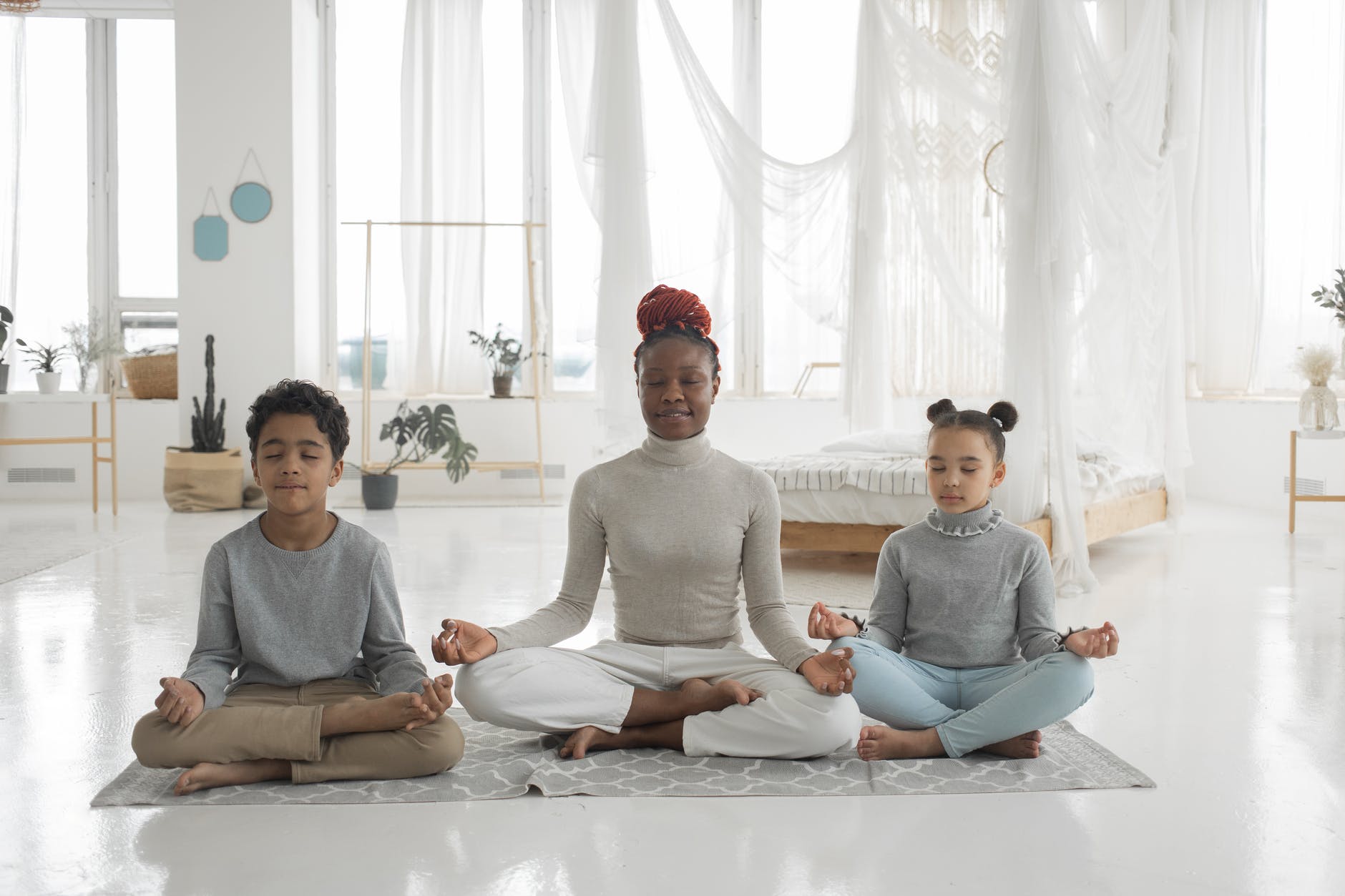
Photo by Oluremi Adebayo on Pexels.com

“You cannot always control what goes on outside. But you can always control what goes on inside.” – Wayne Dyer

Regular meditation can help you to control your emotions, enhance your focus, and decrease stress. There are many different ways to mediate. The following steps can help get you started.


Step By Step Guide to Meditation

  1. Choose a quiet, peaceful environment free from distractions
  2. Wear comfortable clothes
  3. Decide how long you want to meditate, 15-45 minutes is recommended
  4. Sit in a comfortable upright position with your spine straightened
  5. Close your eyes if it helps you to focus and relax
  6. Follow your breathing
    • Breathe deeply, inhale through your nose then exhale through your mouth
    • Focus on your breathing and breathing only
    • Let all thoughts slide away and empty your mind, focus only on your breathing
    • Become aware of the rising and falling of your abdomen as you breathe in and out
  7. Continue like this until your time is up.

Meditation takes practice. Don’t worry if you have trouble emptying your mind or become frustrated or easily distracted, just return to following your breathing. As you train your mind and body to relax through meditation, you’ll become accustomed to the routine and begin to associate deep breathing with stress relief. In the same way that pictures of food may make us feel hungry, meditative breathing can decrease our stress.

So, if you’re having a bad day and feeling under pressure, stop for just a moment to take a few deep breaths. The results may surprise you.


Take Care of Yourself!

by Adrienne Stokes, M. Ed. | UAB Community Health & Human Services Alumni

Photo by Alex Green on Pexels.com

The COVID-19 pandemic may be stressful, but you can get through it. Take care of yourself and cope with the stress by addressing your physical, emotional, and mental health.

Take care of your Physical Health through

  • Eating a balanced diet
  • Regular physical activity
  • Plenty of good sleep
  • Avoiding excessive alcohol and drug use

Take care of your Emotional Health through

  • Connecting with others
  • Taking a break (unwinding)
  • Staying informed (but avoiding too much exposure to news)
  • Seeking help when you need it

Take care of your Mental Mealth through

  • Meditation
  • Connecting with your faith-based organization
  • Continuing with your treatment and staying aware of new or worsening symptoms
  • Calling for help if needed

Black Mental Health Resources

• National Suicide Prevention Lifeline (800) 273-8255

• TC Counseling & Consulting (205) 377-5537

• Allworld Counseling & Consulting (205) 583-0237

• Strive Counseling Services (205) 721-9893

• Black Mental Health Alliance (410) 338-2642

• National Crisis Hotline (800) 273-8255

• The Crisis Center – Birmingham (205) 323-7777


DOING SELF-CARE & BEING WELL: JOIN CONVERSATIONS WITH KHALIA EVERY FOUTH MONDAY

By: Flora Johnson, Intern

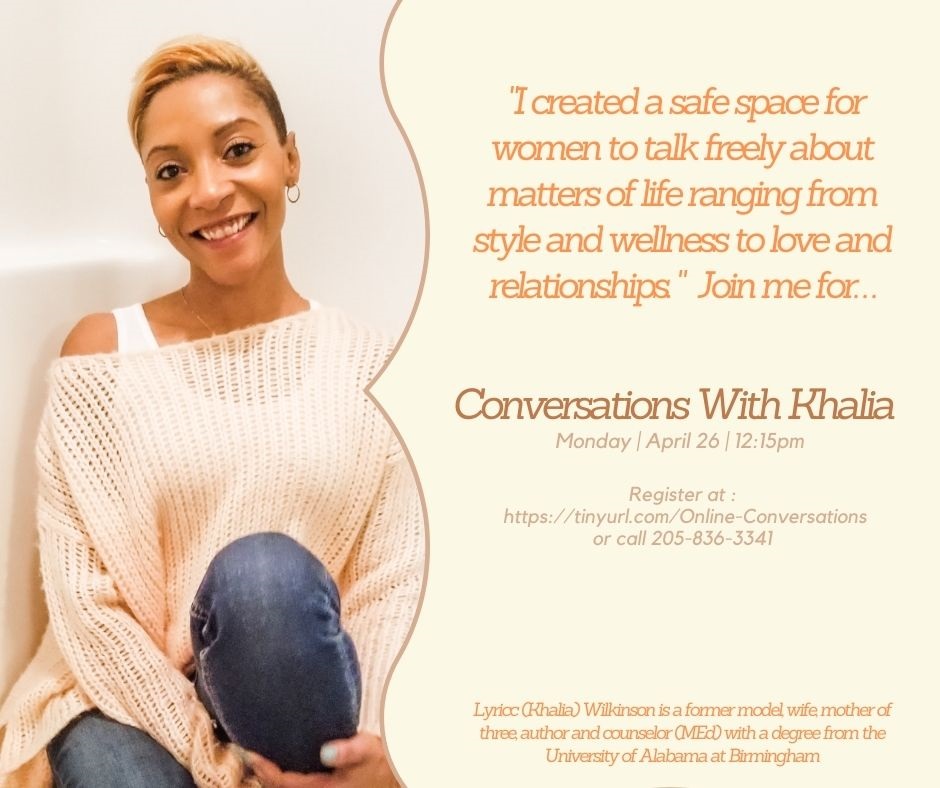
FLYER FROM EAST LAKE LIBRARY OF THE BIRMINGHAM PUBLIC LIBRARY SYSTEM

“What is missing is fun. We need to unplug and do something fun! It may sound cheesy, but having fun is self-care.” – Khalia Wilkinson

Are you ready to live well, be healthy, and walk into abundant life?  Conversations with Khalia is a platform designed for women to speak freely about matters of life. Conversations with Khalia is a virtual talk on women’s wellness hosted through the East Lake Branch of the Birmingham Library every fourth Monday of the month. Mrs. Khalia Wilkinson is a coach and minister working with women looking to ditch feeling stressed, overwhelmed, drained, and desiring to be accomplished, healthy, and thriving.  On April 26, 2021, she will host an online conversation at 12:15PM CST. You can register here (https://tinyurl.com/Online-Conversations) or call (205) 836-3341 to attend.

Khalia Wilkinson is a counselor and wellness coach with 15 years of experience mentoring and training women. She has written The Women’s COVID-19 Survival Guide to uplift women experiencing wellness withdrawals due to the sudden shifts in their schedules caused by the COVID-19 pandemic. The guide discusses in-depth how to navigate the required activities of daily living in this new unforeseen space while managing isolation, mental wellness, schedules, and self-care. She also hosts the Woman31 Podcast, a podcast rooted in biblical principles found in Proverbs, Chapter 31 with an accompanying website: Woman31.

Khalia believes that a woman’s health and well-being is foundational to ensuring all other scheduled family activities are successfully completed. The Women’s COVID-19 Survival Guide embraces concepts of self-care in support of one’s overall health and wellness.  The guide offers easy-to-perform tasks that can help individuals better manage their well-being.

Self-care is typically visualized as a spa day. However, Khalia suggests that adequate sleep, eating a healthy and satisfying meal, praying, laughing at a good movie, and/or speaking with a trusted and supportive friend are all excellent modes of self-care. Understanding where you are and what health areas you need to focus on is pivotal to living well.

Khalia says that mental health is vital to overall wellness. She suggested that seeking professional counseling is absolutely a “good thing” to do, especially when one is experiencing serious mental illness. She also mentioned that feeling negative emotions is a signal to our body that something is not “okay.” Thus, it is important to listen to our body and seek help. When asked if there was any wellness advice she could offer, she said, “Do something fun and find ways to get back to the activities we love, because it can be healthy for our bodies.” You can always connect with Mrs. Khalia Wilkinson on Instagram, @khalia.woman31.


LOWER YOUR STRESS, WALK FOR WELLNESS

By Shayna Bryan, Intern & UAB Community Health & Human Services Student

Photo by Uriel Mont on Pexels.com

Managing your stress and anxiety is important for long-term health and wellness. Healthy stress management improves resiliency, especially when times are tough, but it can be tricky to put into practice. There are a lot of pressures in everyday life that demand attention so taking care of your own mental health can feel difficult to prioritize. The very pressure to manage your stress can be stressful itself, but finding healthy ways to cope with stress is good for your mind and body. Reducing your stress also reduces your risk for cardiovascular disease and supports healthy immune system functioning.  

If thinking about stress management is at all overwhelming and you just want somewhere to start, there’s a simple solution: Go for a walk. 

Walking is easy and you already know how to do it. Other common methods of stress-relief like yoga and meditation take skill and practice, but anyone can go for a walk. It gives you time to yourself away from the usual distractions and is a low-impact aerobic exercise. If you’re new to tackling your stress and feeling overwhelmed at all, walking is effective and can quickly become part of your daily routine. It’s low-stress stress relief for beginners! 

Here are a few things to keep in mind as you plan your wellness walk: 

  1. Walk outside. Being outside among nature is good for your, mental-wellbeing, particularly if you live in a city. 
  1. Walk for at least 20-30 minutes. If you’re not sure how to plan a walking route, just pick a direction and walk for 10-15 minutes, then turn around and walk back.  
  1. Take deep calming breaths while you walk. Breathe in for 5 seconds while expanding your whole chest, then exhale slowly. 
  1. It is safe to walk outside without a mask, provided you are more than 6 feet from the nearest person. Take a mask with you anyway, for safety. 
  1. Use this time to take a break from the news and social media. Focus only on enjoying the moment. 

Sources: 

CDC. Mental health and coping during covid-19. (n.d.). Retrieved March 18, 2021, from https://www.cdc.gov/coronavirus/2019-ncov/daily-life-coping/managing-stress-anxiety.html 

Hunter, M. R., Gillespie, B. W., & Chen, S. Y. (2019). Urban nature experiences reduce stress in the context of daily life based on salivary biomarkers. Frontiers in Psychology, 10. doi:10.3389/fpsyg.2019.00722 


CDC’s Commitment to Addressing Racism as an Obstacle to Health Equity

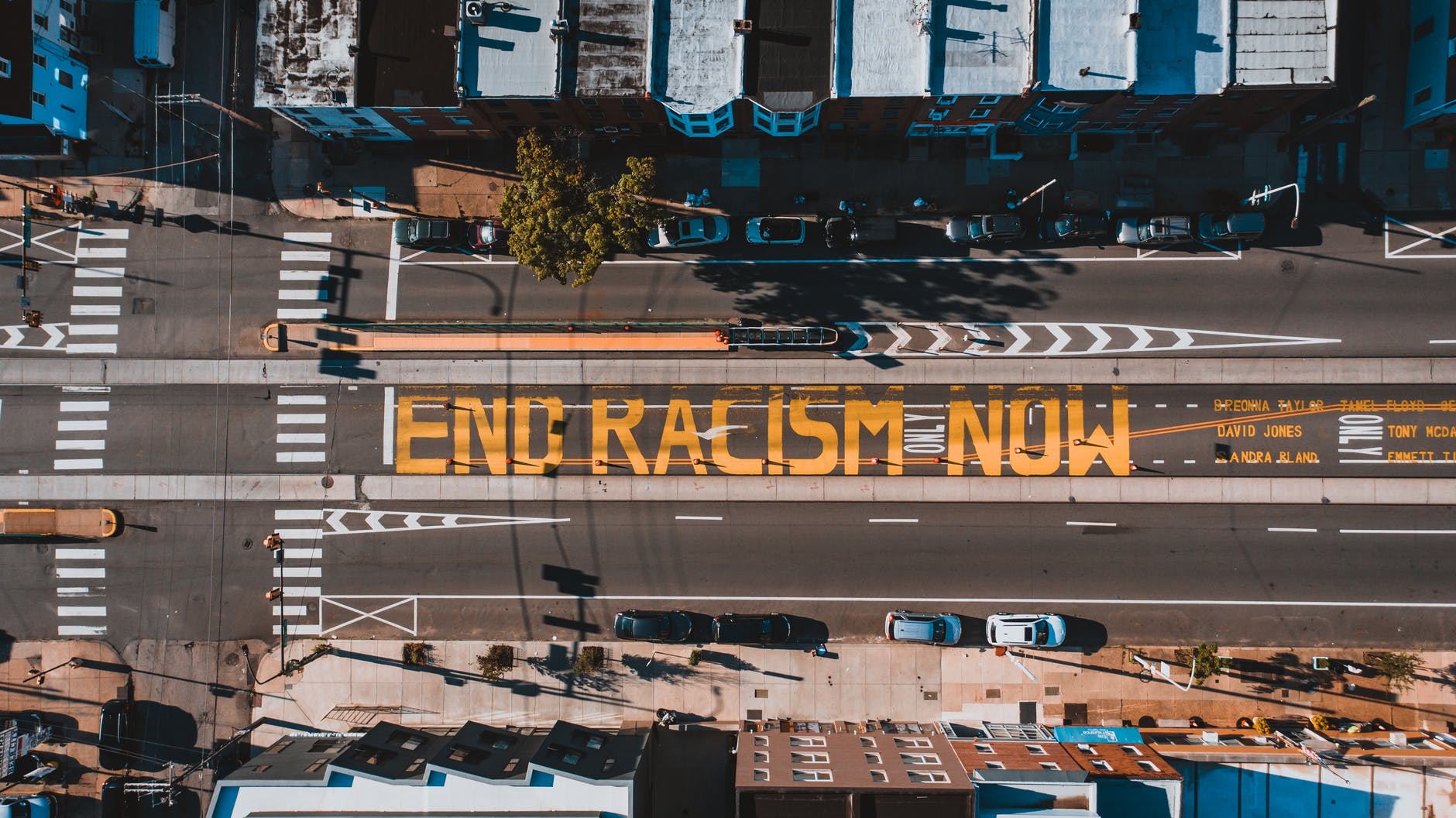
Photo by Kelly Lacy on Pexels.com

Commentary drawn from Center for Disease Control & Prevention (CDC) Media Statement & Website released Thursday, April 8 2021

According to the CDC (2021),…”Racism—both interpersonal and structural —negatively affects the mental and physical health of millions of people, preventing them from attaining their highest level of health, and consequently, affecting the health of our nation. A growing body of research shows that centuries of racism in this country has had a profound and negative impact on communities of color. The impact is pervasive and deeply embedded in our society—affecting where one lives, learns, works, worships and plays and creating inequities in access to a range of social and economic benefits—such as housing, education, wealth, and employment. These conditions—often referred to as social determinants of health—are key drivers of health inequities within communities of color, placing those within these populations at greater risk for poor health outcomes.”

The CDC is committed to ensuring every person has the opportunity to live a healthy life. To that end, CDC—as the nation’s leading public health agency—has established this web portal, “Racism and Health” to serve as a hub for our activities, promote a public discourse on how racism negatively affects health and communicate potential solutions. Working with the broader public health community, the CDC will serve as a catalyst to further investigate the impact of racism on health and efforts to achieve health equity for all.

As the nation’s leading public health agency, other efforts from the CDC in addressing the impact of racism on public health include:

  • Continuing to study the impact of social determinants on health outcomes, expand the body of evidence on how racism affects health, and propose and implement solutions to address this.
  • Making new and expanded investments in racial and ethnic minority communities and other disproportionately affected communities around the country, establishing a durable infrastructure that will provide the foundation and resources to address disparities related to COVID-19 and other health conditions.
  • Expanding internal agency efforts to foster greater diversity and create an inclusive and affirming environment for all.

For more information about the CDC’s efforts in addressing Racism & Health, please visit https://www.cdc.gov/healthequity/racism-disparities/index.html. Also, feel free to share your thoughts and concerns regarding racism here in the comments section, or engage with us at the Wilkinson Wellness Lab on Facebook, Twitter, or Instagram.