Parents and schools can work together to improve adolescent mental health

By Travia Martin | UAB Community Health & Human Services Student

Photo by RDNE Stock project on Pexels.com

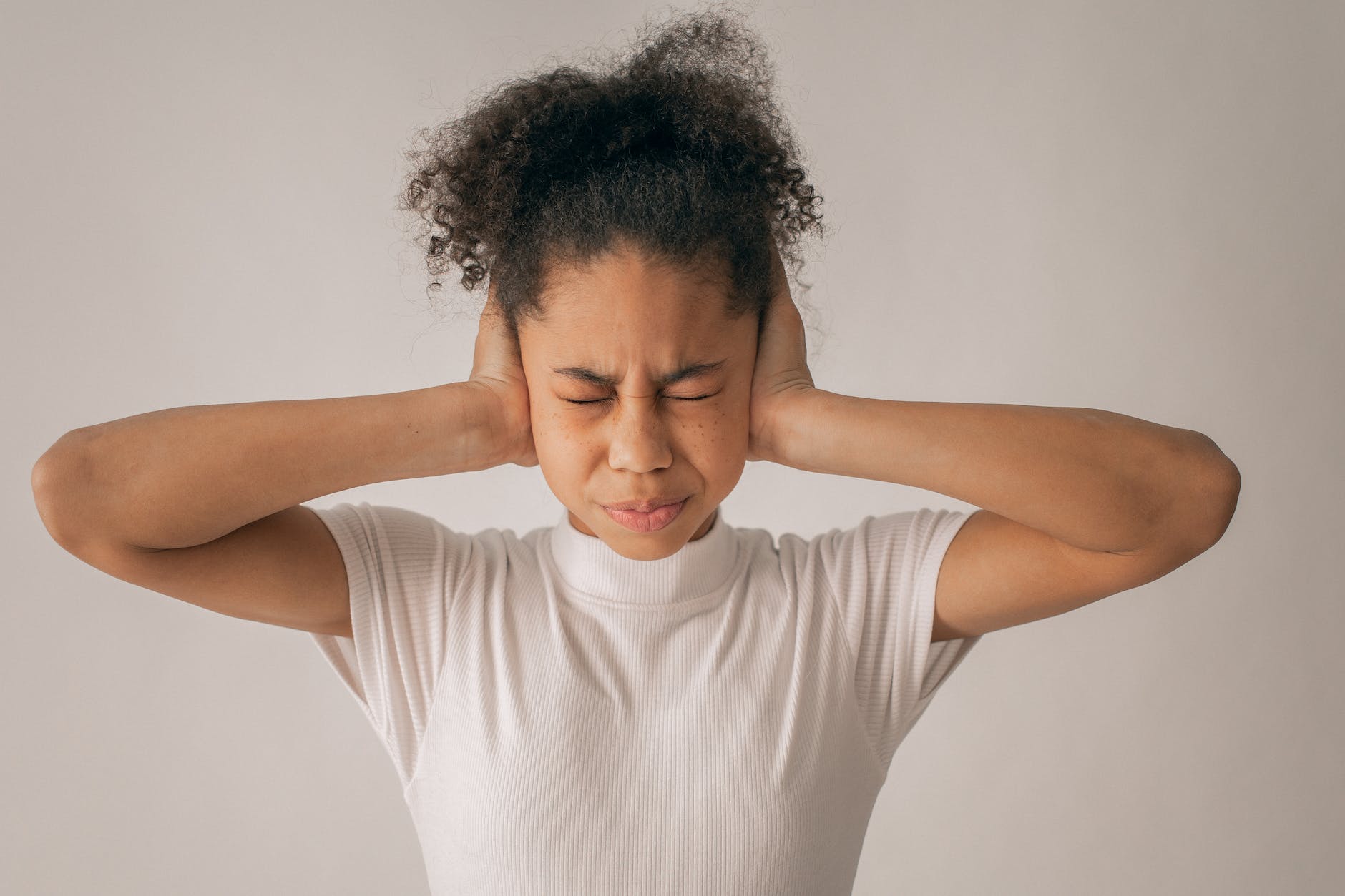
Although thought to be light and carefree, the adolescent years leading into adulthood are significant to the development of a child and their preparation into adulthood. From physical health, emotional health, mental health and other domains of wellness, these years are important as young people begin to take on adult like responsibilities. According to World Health Organization (n.d.), children ages 10-19 at some point may experience health issues related to the following poor hygiene, partaking in behaviors involving alcohol and drug use, unsafe sex, abuse, and teen pregnancy. While every area of health is important for the proper development of adolescents, mental health may be one of the categories often overlooked and underserved. For example, depression and anxiety have the most impact on this age group in relation to illness with suicide being the leading cause of death among those 15-19 (WHO, 2023). 1.1 million adolescents die each year, whether it be traffic accidents, violence, or self-inflicted harm.

School health programs should be championed and supported in middle and high schools to support adolescent development. Why? First, we should consider that in the U.S., fifty-six million students spend at least 6 hours a day at school, receiving social, physical, and intellectual development (CDC, 2021). Within your community, are you aware of the programs, activities, and group organizations that offer support to your middle and high school adolescence? Supplying mental health support and assistance within schools may elevate awareness, guidance and understanding of such complex health issues among adolescents. Additionally, social media plays a role in adolescent development, because young people see and do what they are taught or have learned, picked up through observational learning while constantly viewing social media on their electronic devices.

Whether you are a parent or an educator, there are several behaviors you can implement into your home, school, organization, etc. to help support and aid the development of adolescents and their mental health. Minor changes like spending more time engaging with young people through face-to-face conversation and allowing them to express their feelings mentally and emotionally, can aid positively to overall health and well-being (CDC, 2021). Removing teens and young adults from environments or locations that are toxic and filled with trauma to more peaceful and positive environments are also important. Supporting pro-social behaviors to express ones emotions such as art, writing, or even support groups involving peers of the same age is also important. Adolescent therapy and counseling are additional tools that can support the development of their mental health and create positive influence among their behaviors and actions (CDC, 2021).

What about you? Did you experience tough times during your adolescent years? What tips would you give to teenagers and young adults today? Leave a comment here or join the discussion at @WilkinsonWellnessLab on Facebook.

References:

Adolescent and young adult health. (n.d.). Www.who.int. https://www.who.int/news-room/fact-sheets/detail/adolescents-health-risks-and-solutions#:~:text=Depression%20and%20anxiety%20are%20among

CDC. (2021, April 23). Mental health of children and parents—A strong connection. Centers for Disease Control and Prevention. https://www.cdc.gov/childrensmentalhealth/features/mental-health-children-and-parents.html

COVID-19 Pandemic Associated with Worse Mental Health and Accelerated Brain Development in Adolescents. (2023, January 26). National Institute of Mental Health (NIMH). https://www.nimh.nih.gov/news/science-news/2023/covid-19-pandemic-associated-with-worse-mental-health-and-accelerated-brain-development-in-adolescents#:~:text=The%20two%20groups%20differed%20significantly

National Library of Medicine. (2022). CHILD AND ADOLESCENT MENTAL HEALTH. In http://www.ncbi.nlm.nih.gov. Agency for Healthcare Research and Quality (US). https://www.ncbi.nlm.nih.gov/books/NBK587174/

Why schools? | adolescent and school health | CDC. (2021, June 8). https://www.cdc.gov/healthyyouth/about/why_schools.htm


Reflecting on a tragic moment of civil rights history and feelings of yesterday

Larrell L. Wilkinson | Wilkinson Wellness Lab

Photo of window at the 16th Street Baptist Church and memorial plaque honoring the memory of the four young girls killed by the KKK bombing of the the church on September 15, 1963.

I knew yesterday was going to hit me hard. During the early weeks of September in Birmingham, AL, the annual commemorations begin. This year marks 60 years since the tragic death of four little girls and the injuries of several others, during the turbulent days of the Civil Rights movement. The City of Birmingham honored the victims of the bombing of the 16th Street Baptist Church on September 15, 1963, during the week of remembrance.

Working in the Birmingham area, I often drive past the historic markers of the Civil Rights movement. I can see the A.G. Gaston Motel, the 16th Street Baptist Church, Kelly Ingram Park, the Birmingham Civil Rights Institute and drive to Montgomery, AL to the Equal Justice Initiative & National Memorial, Dexter Ave. Church, the Rosa Parks Museum, and sacred sites of the movement. This year, 60 years after that fateful day of losing Addie Mae Collins, Denise McNair, Carole Robertson, & Cynthia Wesley, I know that America has made progress towards racial conciliation. I see it daily at my job, during worship occasions at my church, in visiting my children’s school, walking my neighborhood and patronizing businesses in my community. Still, exercising faith for a future that overcomes the actions of hatred manifested by individuals and groups that want to further efforts to separate us in the U.S., by race, by class, by the faith we practice, by any means that furthers their hate filled mission, that faith must be strong and resilient.

The actions of 60 years ago may seem like history to some but are very relevant to communities of people who have additional concerns when we go for a jog, shop at our community stores, or worship in our churches. Our families trade text messages to remind each other to “be safe”, “travel in groups”, “don’t travel at night”, “don’t get off the phone until you get home”, “don’t get gas at night”, “don’t stop at any stores tonight, we’ll order it later”, etc. Perhaps some if you are reading this, you might say, these sayings sound like useful tips. In contrast, others reading these words understand that these aren’t just tips, but necessary actions of life preservation for people feeling maliciously targeted due to their culture. For many, events that happened 60 years ago doesn’t feel like history, it feels like yesterday. Still, these groups of people press forward in hopes that their girls and boys will experience a society where the actions of a hateful few are no longer. Their hope is in a loving God, with the direction to love Him and to also love your neighbor as yourself (New International Version, Matt. 22: 34 – 40). It is in experiencing this form of solidarity that we can share in faith, hope, and love; love being the greatest of these (New International Version, Cor. 13:13).


Checking on others – It could save a life!

By Terrie Johnson | UAB Community Health & Human Services Intern

Photo by Designecologist on Pexels.com

When we go about our busy day by rushing to work, the store, meetings, church, and school, we never get the rest we need. Often, we overstretch the capabilities of our bodies to endure burnout. As such, we should ensure that we are okay as we go about our day and lead our lives. It is also relevant to take care of our physical and mental health. This stance is essential since it ensures that we are always to the best of our shape to handle daily activities. Moreover, as you go about your day, you should consider taking some of your time to check on your family and friends. This caring approach allows you to know how they are doing with life. You may ask; how are you doing? In some cases, you can make a phone call. This initiative can help them to relieve some stress in their life. In other words, simply talking to them about what is stressing them may restore their emotional and psychological well-being.

It is also important to listen to your loved ones or offer a suggestion to help them relieve their stress. Often, you could state recommendations they never thought about during their stressful moment. You may even offer to accompany them on a walk or go grab a coffee together. Thus, your initiative will work toward restoring their perspectives about challenges and desirably handling them. You can also be involved in helping individuals judge good from bad. In most cases, it may be hard for some people to differentiate situations. As such, helping a person judge emotion provides an impetus for self-correction. It also creates an impetus for recognizing harmful emotions so that they can be avoided (Health Shots, 2023). Other than this, the initiative can create leverage for improved understanding of interventions to emotional challenges. Thus, it is relevant to help others deal with issues that affect their health.

Reference

Health Shots. (2023). Your emotions always have something to say! That’s why listen to them very carefully. Healthshots.com. Retrieved from https://www.healthshots.com/mind/emotional-health/emotional-health-why-is-it-important-to-listen-to-your-emotions/


Caregiving For the Elderly and Managing Caregiver Fatigue

Angela Wilson | UAB Community Health and Human Services Intern

Photo by Andrea

Seniors are living longer these days, and more people live to be 100 years old. That is excellent news regarding longevity, reducing loneliness, and having a sense of purpose. Many of our elderly are cared for in the comfort of their homes by their children, grandchildren, or other family members or friends.  They are often loved, admired, and even cherished by their caregivers, but caring for them sometimes can become exhausting.

As more adult children choose to take care of their aging parents and opt out of nursing homes, the stress, fatigue, and physical demands put upon them can be wearing. Caregivers have many responsibilities when providing for the elderly. They must ensure they take their medications, prepare food, clean, and maintain their rooms, ensure they are bathed, and perform a plethora of other tasks daily.  With all these obligations, it can be easy for caregivers to neglect their own needs.   Caregivers are often sleep-deprived and tired; some even forget to eat. They can experience anger, sadness, frustration, isolation, depression, and resentment toward their loved ones. When this happens, it is usually time for the caregiver to take a break and care for themselves.  After all, if the caregiver is not taking care of themselves, they will be unable to provide adequate care for their loved one.

Caregivers should ask for help.  There are usually siblings or other family members or friends who can watch their loved one so they can walk outside, have dinner with friends, or see a movie. There are also local support groups that can provide encouragement, validation, and other viable resources.  Most communities offer respite care, including in-home help from health care aides, adult centers, and even short-term nursing homes so the caregiver can get away. Getting help and addressing your needs as a caregiver may make you feel recharged and give you a much-needed energy boost to manage your caregiver duties better. So, not only does taking care of yourself benefit the caregiver, but your loved one will also benefit from it!

References

Robinson, L. et al. (2023). Family Caregiving. Helpguide.org. https://www.helpguide.org.

American Psychological Association. (2014). Positive Aspects of Caregiving. https://www.apa.org


What is PTSD?

By Ashley Peoples| UAB Community Health & Human Services Intern

Photo by RDNE Stock project on Pexels.com

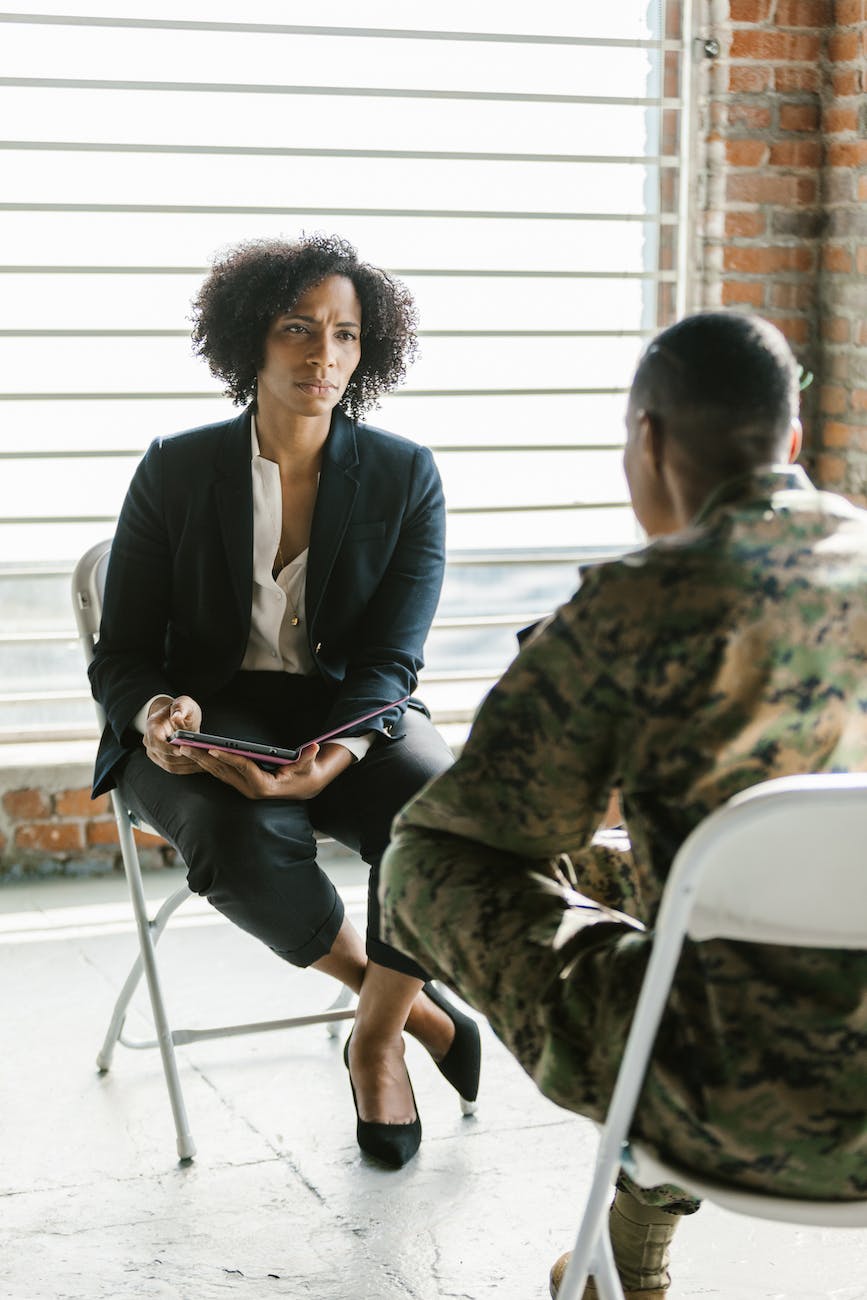
Post-traumatic stress disorder (PTSD) is a disorder that people experience due to many reasons. This blog post may be sensitive, but I hope someone can find help as they read this. PTSD is developed when someone has an encounter that causes fear and stress, according to the National Institutes of Health (NIH). According to the NIH, people who develop PTSD are anyone, regardless of age. Some of these experiences may result from being sexually and physically abused (“Post-traumatic stress disorder,” n.d.). People who have PTSD have symptoms of stress when there is no longer danger present. Sometimes PTSD can also be developed by learning about something sad that happened to someone they know.

The NIH states that women experience PTSD more often than men, and this may be due to genetics. Research now suggests that PTSD may not be just an individual experience but may be inherited (“Post-traumatic stress disorder,” n.d.). Some symptoms of PTSD are being aroused, which means being triggered and having flashbacks by reliving the events that have occurred and being physically stressed, avoiding places that remind you of the event.

Some risk factors that may develop the likelihood of developing PTSD are exposure to previous traumatizing events that have occurred during childhood, seeing people killed or hurt, feeling helplessness, getting injured, having no social support after the event, and dealing with extra stress after the event, such as loss of a job or losing a loved one. A family or personal history of substance use or mental illness is also a risk factor (“Post-traumatic stress disorder,” n.d.).

Seeking support and having a coping strategy for getting through the event are resilience factors that may contribute to reducing the likelihood of developing PTSD. PTSD can also be treated with the help of a mental health professional. Psychotherapy which is referred to as “talk therapy,” can be used to help individuals identify and change troubling thoughts, behaviors, and emotions (“Post-traumatic stress disorder,” n.d.). Exposure therapy can also help people manage their fears related to their experienced trauma by gradually exposing them to the event that traumatized them. PTSD is a severe condition, but it can start with proper help.

References

U.S. Department of Health and Human Services. (n.d.). Post-traumatic stress disorder. National Institute of Mental Health. https://www.nimh.nih.gov/health/topics/post-traumatic-stress-disorder-ptsd


Discovering the Benefits of Getting a Massage

By Jessica Feagin | UAB Community Health and Human Services Intern

Photo by cottonbro studio on Pexels.com

A self-care activity that I incorporate into my life is massages. If you are sore or stressed, a massage can relieve pain, promote relaxation, and ease muscle tension. There are many types of massages, such as Swedish, deep tissue, sports, trigger point, lymphatic, and prenatal massages (Schneik, 2022). A professional massage therapist can choose the best type of massage to cater to your needs.

Massages provide a broad range of physical and mental benefits. They can reduce anxiety and stress by lowering your cortisol stress hormone and increasing serotonin levels, (the feel-good hormone). These hormones can promote feelings of relaxation and calmness. Massages can relieve pain and muscle tension by promoting blood flow, and loosening tight muscles. They can also improve circulation throughout the body, help reduce inflammation, and promote healing. Other benefits include boosting immunity by increasing the activity of white blood cells and can help the body fight off infection. Studies show that a massage also help improve sleep by promoting relaxation and reducing anxiety and stress (Schneik, 2022). This is not recommended if you are pregnant, suspect any fractures or broken bones, have a life-threatening illness, or have any active skin rashes or infections (“Massage,” n.d.).

Many massage facilities provide services in Birmingham, Alabama, but my favorite place to get massages is Life Touch Massage. They provide professional, quality, and affordable massage therapy. If you live in Birmingham, AL, or surrounding areas, visit them at 1223 2nd Avenue S, Birmingham, AL, 35233. Do you include massage therapy in your self-care routine and recommend any massage parlors?

References

Massage. (n.d.). Better Health Channel – Better Health Channel. https://www.betterhealth.vic.gov.au/health/conditionsandtreatments/massage

Schneik. (2022, June 29). Everything you need to know about massage therapy. Cleveland Clinic. https://health.clevelandclinic.org/benefits-of-massage


Treating Anxiety – What to do when you feel anxious.

By Terrie Johnson | UAB Community Health & Human Services Intern

Photo by Monstera on Pexels.com

According to Mental Health America, 1 in 5 people experience anxiety. Anxiety is a mental health state frequently experienced by people all over the world. According to Medline Plus in the NIH National Library of Medicine, anxiety is the feeling of fear, distress, concern, and panic (Anxiety, 2023). When people are anxious, their heart rate increases and their muscles are tense. This is how the body responds to stressful events, thoughts or encounters. It is also the body’s way of coping with overwhelming difficulties that can temporarily cause other health issues.

When anxiety reaches extreme extents, it can lead to the development of anxiety disorders, phobias, or panic attacks. However, anxiety disorders involve more than temporary worry or fear, and can get worse over time. There are many types of anxiety disorders, including generalized anxiety disorder, panic disorder, and various phobia-related disorders (Anxiety disorders, 2023).

Symptoms can interfere with regular daily activities and often include increased breathing, feeling as if a heart attack is occurring, and signs of weakness. The most common challenges people with anxiety face include relationships, school, work, health, or money.

How can we treat anxiety?

Cognitive Therapy Treatment- This is considered a very effective recommendation. This psychological approach teaches people to think differently to change how they act. When people are trained to react with confidence and assurance, they can prevent being afraid and being overtaken with fear.

Avoiding Triggers- Such as talking about bothersome subjects and eliminating aspects of life that provoke fear.

Seek Psychiatric Treatment- In some cases being prescribed antidepressants may reduce symptoms, increase productivity, and promote a sense of normalcy.

Relaxation Methods- Practices such as meditation, yoga, and other relaxing activities may help slow the heart rate down and help refocus the mind. Additionally, learning breathing techniques can assist during a panic episode.

What tips do you have for handling anxiety?

References

Anxiety disorders. (n.d.). Retrieved March 28, 2023, from https://www.nimh.nih.gov/health/topics/anxiety-disorders

How common is anxiety?. Mental Health America. (2022, October 7). https://screening.mhanational.org/content/how-common-anxiety/

Medline Plus. (2020). Anxiety. NIH National Library of Medicine. https://medlineplus.gov


Say No to Bullying!

By Jessica Feagin | Intern and UAB Community Health and Human Services Student

Photo by RDNE Stock project on Pexels.com

According to the Centers for Disease Control and Prevention, bullying is any unwanted aggressive behavior by another youth or group of children (CDC, 2022). Bullying may include social, psychological, educational, and/or physical harm on the targeted youth. Common types of bullying include physical (kicking, tripping, and hitting), verbal (teasing and name-calling), social (spreading rumors and being left out of a group), and damage to the victim’s property. Bullying can also occur via cell phones and online.

Physical injury, emotional stress, self-harm, and even death can result from bullying. Bullying increases the risk of anxiety, depression, lower academic achievement, and dropping out of school. Youth who bully other youth are at risk for academic problems, substance abuse, and experiencing violence when they are older. Youth who bully others and are bullied themselves are at greater risk for behavioral and mental health problems. It has been reported that bullying is a discipline problem that occurs weekly or in some cases daily, in approximately 14% of public schools (CDC, 2022).

The American Psychological Association recommends several ways teachers, parents, and students can address bullying (APA, 2011). Teachers must remember that bullying typically occurs in the bathroom, playground, hallways, and school buses. If teachers notice bullying, they must immediately stop it and inform school administrators. Teachers should remind their students that bullying is not acceptable and there will be consequences for such behaviors. Parents of kids that are possibly bullied should observe their child for signs so they can take appropriate actions to rectify the situation. Some signs of bullying are decreased appetite, nightmares, anxiety, depression, ripped clothing, and hesitation about attending school. It is essential to let your child know that you will help them. As parents, you could also work with your child and teach them to ignore a bully and develop assertive strategies for coping with bullying. Students need to inform their parents or any trusted adult of any form of bullying.

Bullying can impact those being bullied, and it is critical to identify and prevent it to provide a safe and nurturing environment for our youth. Say No to Bullying!

References

Fast fact: Preventing bullying. (2022, April 14). Centers for Disease Control and Prevention. https://www.cdc.gov/violenceprevention/youthviolence/bullyingresearch/fastfact.html

How parents, teachers, and kids can take action to prevent bullying. (2011, January 1). https://www.apa.org. https://www.apa.org/topics/bullying/prevent


Did You Know that Plants Can Help Reduce Stress?

By Terrie Johnson | UAB Community Health & Human Services Intern

Photo by Cottonbro Studio on Pexels.com

Plants are essential in relieving stress due to their mood-boosting properties. They provide a positive experience beneficial to a person’s mental and physical inclinations (Gu et al., 2022). The four most common plants that are known to reduce stress are Lavender, Jasmine, Lemon balm, and Rosemary.

Lavender is one of the plants that help reduce stress. It contains a rich fragrance that boosts an individual’s mood once inhaled. Lavender’s floral smell is stipulated to have a calming effect, which decreases the experience of stress (Thrive, 2023). Consequently, it can be planted in one’s green space to help create positive moods.

Jasmine is also a stress-relieving plant because of its fragrant flowers. Even though it is identified as a shrub, it gives rise to flowers that release a pleasant smell (Thrive, 2023). Thus, when the fragrance is inhaled, an individual experiences a positive mood. This feeling reduces stress and increases contentment with the surroundings (Gu et al., 2022). Jasmine flowers are also colorful, which makes them visually therapeutic. Thus, they help to advance emotional and mental relaxation that reduces stress.

Lemon balm is recognized as one of the plants with positive effects on stress reduction. When used as an herb, its leaves release tantalizing flavors with calming effects (Thrive, 2023). The relaxing properties advance the mitigation of stress and its related issues. Lemon balm also has purple flowers that appear during summer. Their relevance is the provision of visual relaxation, which combats stress. Therefore, the use of this plant would reduce the condition.

Rosemary is a plant that can be used to trigger benefits that limit the experience of anxiety. In the green space, it transforms the atmosphere with its scent. Since it belongs to the mint family, it releases a fresh fragrance (Thrive, 2023). The resultant smell has positive psychological impacts. For example, when inhaled, the fragrance calms the body. It also energizes the mind, which shifts one’s thoughts from stress. Therefore, it is a meaningful plant that would advance the experience of positive outcomes.

The look of plants and how they feel, and smell can impact people in many ways. Plants can quickly improve mood. Do plants have a positive effect on you?

References

Gu, J., Liu, H., & Lu, H. (2022). Can even a small amount of greenery be helpful in reducing stress? A systematic review. International Journal of Environmental Research and Public Health, 19(16), 9778. https://doi.org/10.3390/ijerph19169778

Thrive. (2023). Plants to help ease the mind. Thrive.org. Retrieved from https://www.thrive.org.uk/get-gardening/plants-to-help-ease-the-mind


The Benefits of Meditation to Improve Mental Health

By Terrie Johnson | UAB Community Health & Human Services Intern

Photo by Yan Krukau on Pexels.com

Meditation is a relevant process that provides an opportunity for improving one’s mental health. Its criticality is centered on allowing an individual to gain perspective regarding situations. For example, engaging in meditation may instigate focused attention. As such, it becomes possible for a person to cross-examine the existing issues and develop viable solutions that limit the cause of stress. Meditation advances one’s ability to develop new skills. It also sets precedence for acquiring capabilities in relaxing the body (Mayo Clinic, 2022). The above competencies allow a person to create an environment that advances mental health. Involving oneself in meditation is tied to developing self-awareness. This trajectory in self-care advances the opportunity to choose elements that improve cognitive well-being. Acquiring self-awareness also means the ability to make decisions that impact mental growth. Meditation also increases patience, which limits stress in situations that involve delays. Therefore, involving oneself in such a practice cements positive cognitive well-being.

Meditation is also vital in fostering mental paradigms that allow an individual to focus on the present. The benefits tied to this trajectory involve the avoidance of worrying about past or future events. Thus, an individual limits the possibility of experiencing stressful situations. Meditation also provides a chance to practice open attitudes. In other words, the practice facilitates the reduction of negative emotions. As such, one can demonstrate positive behaviors, which improve mental outcomes. The expansion of one’s reasoning scope is tied to meditation (Mayo Clinic, 2022). Foundationally, the involved processes allow an individual to develop a creative stance. Thus, they can be involved in activities that alleviate the possibility of experiencing a mental breakdown. Involving oneself in meditation also expands the mind and the level of imagination. This ability advances opportunities to think about interventions that would improve outcomes in varied situations. Thus, meditation is critical to mental health.

Reference

Mayo Clinic. (2022). Meditation: A simple, fast way to reduce stress. Mayoclinic.org. Retrieved from https://www.mayoclinic.org/tests-procedures/meditation/in-depth/meditation/art-20045858