Schools as Pillars for Healthy Families in Violent Urban Areas: Spotlight on Alabama

Urban violence and child maltreatment are pressing concerns in Alabama. In 2021, the state investigated 26,116 reports of child abuse or neglect, underscoring widespread exposure to trauma (Associated Press, 2024).

Magnitude of the Problem

Nationally, about 60% of children are exposed to violence each year, and nearly 40% endure two or more violent acts (Office of Juvenile Justice and Delinquency Prevention [OJJDP], 2009). In Alabama, child abuse and neglect rank as the state’s ninth leading health indicator (Alabama Department of Public Health [ADPH], 2020). Reports of maltreatment rose from 8,466 in 2015 to 12,158 in 2018, reflecting a concerning upward trend (ADPH, 2024).

How Violence Impacts Alabama Families

Children exposed to violence are at increased risk of anxiety, depression, behavioral problems, and poor academic performance (Centers for Disease Control and Prevention [CDC], 2024a). In Alabama, repeated exposure to maltreatment contributes to cycles of trauma that strain family health and community well-being (Associated Press, 2024).

How Schools Can Lead Change

1. Create Safe, Trauma-Informed Environments

Schools provide stability through predictable routines, supportive staff, and safe spaces—protective factors that buffer children from the adverse effects of violence (CDC, 2024a).

2. Expand Access to Mental Health and Family Support

Nearly 1 in 5 children exposed to violence show symptoms of PTSD (OJJDP, 2009). Schools can expand access to counselors and social workers, host workshops on coping strategies, and connect caregivers with trauma-informed parenting resources.

3. Strengthen School-Family Partnerships

Parent engagement nights and awareness campaigns help families recognize and respond to signs of child maltreatment (Associated Press, 2024).

4. Build Local and Justice Partnerships

The DOJ highlights that preventing youth violence requires collaboration among schools, law enforcement, and community organizations (OJJDP, 2009). Alabama schools can partner with child protective services and community centers to provide wraparound support.

Conclusion

With rising child maltreatment reports and community violence risks, Alabama schools serve as anchors of hope. By creating safe spaces, expanding services, and working alongside families and justice partners, schools can lead families toward resilience—even in violent urban neighborhoods.

References

Alabama Department of Public Health. (2020). State health assessment: Health indicator 9—Child abuse and neglect. https://www.alabamapublichealth.gov/healthrankings/assets/2020_sha_health_indicator_9.pdf

Alabama Department of Public Health. (2024). Child abuse and neglect. https://www.alabamapublichealth.gov/healthrankings/child-abuse-and-neglect.html

Associated Press. (2024, April 16). Alabama investigated 26,116 reports of child abuse or neglect in 2021. AP News. https://apnews.com/article/ebdd321ec237298c9972b042e55ff303

Centers for Disease Control and Prevention. (2024a). About community violence. U.S. Department of Health and Human Services. https://www.cdc.gov/community-violence/about/index.html

Office of Juvenile Justice and Delinquency Prevention. (2009). Children’s exposure to violence: A comprehensive national survey. U.S. Department of Justice. https://ojjdp.ojp.gov/program/programs/cev



Why Men’s Health (Age 25–45) Matters in Alabama

Men in their mid-20s to mid-40s are in peak working and parenting years, yet Alabama’s overall life expectancy is among the nation’s lowest (72.0 in 2021), signaling preventable health loss (CDC/NCHS). Among U.S. males 25–44, leading threats include unintentional injury, suicide, homicide, and heart disease. These conditions are largely preventable or manageable with timely care (CDC/NCHS). Alabama also faces high drug overdose mortality (31.5 per 100,000), and suicide among men continues to rise nationally, with firearms the leading method (CDC). Safety matters too: recent federal victimization data show changes in reporting and persistent risks for male victims of violence, underscoring the need for prevention and support.

Solutions that Work

  • Preventive care first. Annual checkups; blood pressure, cholesterol, and diabetes screening; vaccinations (flu, COVID-19, Tdap); and substance-use screening can catch problems early (CDC).
  • Injury and overdose prevention. Buckle up, don’t mix driving with alcohol or drugs, use protective gear at work/fitness, store medications and firearms safely, and keep naloxone if opioids are in the home (CDC).
  • Mental well-being. Normalize stress, depression, and anxiety screening; learn firearm-injury prevention and suicide risk signs; seek counseling or peer support (CDC).
  • Violence prevention. Engage in community programs, report victimization, and connect with services for survivors—approaches linked to safer communities (BJS).

What You Can Do This Month

  • Book a primary-care visit and ask for BP, cholesterol, diabetes, and mental-health screening (CDC).
  • Audit safety: seatbelts, helmets, ladder/work practices, and secure firearm storage (CDC).
  • Secure meds and add naloxone to your first-aid kit if anyone uses opioids (CDC).
  • Build a support team: a doctor, a counselor or chaplain, a workout buddy, and one friend you can call at any hour.
  • Know where to report and get help after a crime; encourage peers to report as well (BJS).
  • Strong bodies, steady minds, and safer communities are achievable; starting with small, consistent steps today.

References

Centers for Disease Control and Prevention. (2024a). Mortality in the United States, 2022 (Data Brief No. 492). https://www.cdc.gov/nchs/products/databriefs/db492.htm

Centers for Disease Control and Prevention. (2024b). US state life tables, 2021 (NVSR 73[7]). https://www.cdc.gov/nchs/data/nvsr/nvsr73/nvsr73-07.pdf

Centers for Disease Control and Prevention. (n.d.-a). Alabama — State data. https://www.cdc.gov/nchs/pressroom/states/alabama/al.htm

Centers for Disease Control and Prevention. (n.d.-b). Injuries and violence are leading causes of death (WISQARS). https://wisqars.cdc.gov/animated-leading-causes/

Centers for Disease Control and Prevention. (2024c). Suicide mortality in the United States, 2002–2022 (Data Brief No. 509). https://www.cdc.gov/nchs/products/databriefs/db509.htm

Centers for Disease Control and Prevention. (2024d). PLACES: Prevention measure definitions. https://www.cdc.gov/places/measure-definitions/prevention.html

Bureau of Justice Statistics. (2024). Criminal victimization, 2023 (NCVS). https://bjs.ojp.gov/document/cv23.pdf


Raising Resilient Families Amid Urban Violence

Urban violence can be a daily stressor for many families. Research shows that about 60% of American children are exposed to violence, crime, or abuse at home, school, or in their community, and nearly 40% experience two or more violent acts in a single year (Office of Juvenile Justice and Delinquency Prevention [OJJDP], 2015). Children in low-income urban neighborhoods are at even greater risk (Finkelhor et al., 2015).

The Impact

Exposure to violence increases the likelihood of anxiety, depression, behavioral issues, and post-traumatic stress disorder (Healthy People 2030, n.d.). These effects may continue into adulthood, influencing education, relationships, and health outcomes.

Evidence-Based Strategies

1. Leverage Prevention Frameworks.
The Centers for Disease Control and Prevention (CDC, 2024a) recommend community-wide strategies such as promoting safe physical environments, engaging trusted adults, and supporting at-risk youth.

2. Strengthen Family Protective Factors.
Safe, stable, and nurturing relationships help buffer children from harmful effects of violence (CDC, 2024b). Families play a critical role in creating emotional security and resilience.

3. Support Through Policies and Community Solutions.
Combining mental health services, economic supports, and community partnerships is key to long-term solutions (CDC, 2024a).

What Parents Can Do

  • Build stability at home. Keep routines predictable and maintain open communication.
  • Use available resources. Parenting programs and community violence prevention initiatives, such as those highlighted by the CDC, can provide guidance and support (CDC, 2024a).
  • Advocate for change. Support policies that increase affordable housing, safe schools, and accessible mental health care.
  • Stay connected. Lean on schools, churches, and local groups for social and emotional support.

Conclusion

While urban violence creates significant challenges, parents can foster resilience by providing stability, nurturing relationships, and connecting to trusted community resources. Evidence shows that even in violent environments, strong family and community support can help children thrive.

References

Centers for Disease Control and Prevention. (2024a). Community violence prevention: Resource for action. U.S. Department of Health and Human Services. https://www.cdc.gov/community-violence/prevention/index.html

Centers for Disease Control and Prevention. (2024b). About community violence. U.S. Department of Health and Human Services. https://www.cdc.gov/community-violence/about/index.html

Finkelhor, D., Turner, H., Shattuck, A., & Hamby, S. (2015). Children’s exposure to violence, crime, and abuse: An update. Office of Juvenile Justice and Delinquency Prevention. https://ojjdp.ojp.gov/sites/g/files/xyckuh176/files/pubs/248547.pdf

Healthy People 2030. (n.d.). Children exposed to violence. Office of Disease Prevention and Health Promotion. https://health.gov/healthypeople

Office of Juvenile Justice and Delinquency Prevention. (2015). Children’s exposure to violence, crime, and abuse: An update. U.S. Department of Justice. https://www.ojp.gov/program/programs/cev


Coping with Loss: Exploring Normal, Anticipatory, and Complicated Grief

By Jaslyn Bush | UAB Community Health & Human Services Program Intern

Photo by cottonbro studio on Pexels.com

Death is an inevitable part of life. Grieving a loved one can be challenging, taking years to recover from the loss. In my experience, the grieving process for a loved one is never truly over because I will always remember that person. “Grief most often gets less intense over time, but the sense of loss can last for decades. Certain events, mementos or memories can bring back strong emotions, that usually last for a short time” (National Cancer Institute [NCI], 2013). Grief feels like the process of accepting that the person is no longer alive. There are three types of grief: anticipatory grief, normal grief, and complicated grief (National Cancer Institute, 2013).

According to Stanford Parkinson’s Community Outreach, anticipatory grief is the act of grieving somebody who is still alive but, expected to pass away from sickness or other health complications (Stanford Parkinson’s Community Outreach, n.d.). From my experience with grief, I believe anticipatory grief is the hardest type of grief to go through. Before both of my grandmothers passed away due to sickness, I couldn’t get over the fact that one day, they wouldn’t be here anymore. Every time I spent time with either of them, I felt this lingering sadness that one day I would never get to see or talk to them again.

The NCI explains that normal grief occurs when an individual has acknowledged and accepted their loss and continues with their life, even though it may be difficult. Some common themes of normal grief include periods of sadness, disbelief, emotional numbness, anxiety, and distress. This can also lead to loss of sleep, hallucinations of the deceased, and loss of appetite (National Cancer Institute, 2013).

Complicated grief occurs when intense sadness/grief lasts longer than expected. According to the Association for Behavioral and Cognitive Therapies (ABCT), complicated grief affects 2-3% of the population worldwide. Signs of complicated grief include constant thoughts about the deceased, avoiding reminders of the deceased, along with keeping reminders of deceased such as their pictures or belongings (ABCT, 2021). Complicated grief usually lasts 6 months or longer, depending on if the individual has social, cultural, or religious connections to the deceased (ABCT, 2021).

When experiencing one or more types of grief, I have adapted some suggestions from the Centers for Disease Control and Prevention (CDC) regarding what one can do who is experiencing grief:

  • Seek comfort and lean on the support of others in your network.
  • Create a positive and purposeful routine.
  • Honor your loved ones who have passed.
  • If necessary, get help from a professional.
  • If you or someone you know is struggling or in crisis, call or text 988 or chat 988lifeline.org.

Have you experienced grief before? What are some of the emotions that you felt? What helped you to overcome one or more types of grief? Please feel free to share in the comments section or post an encouraging message at the Wilkinson Wellness Lab on Facebook.

References

Anticipatory Grief. (n.d.). Stanford Parkinson’s Community Outreach. https://med.stanford.edu/parkinsons/caregiver-corner/caregiving-topics/anticipatory-grief.html

Centers for Disease Control & Prevention. (2023, May 26). Grief. https://www.cdc.gov/howrightnow/emotion/grief/index.html.

Complicated Grief | Fact Sheet. (2021, March 4). ABCT – Association for Behavioral and Cognitive Therapies. https://www.abct.org/fact-sheets/complicated-grief/

National Cancer Institute. (2013, March 6). Grief, Bereavement, and Coping With Loss. National Cancer Institute; cancer.gov. https://www.cancer.gov/about-cancer/advanced-cancer/caregivers/planning/bereavement-pdq


Unseen but Unforgettable: The Lasting Effects of Emotional Abuse

By Jaslyn Bush, UAB Community Health & Human Services Intern

Photo by Yan Krukau on Pexels.com

Emotional abuse is a form of mistreatment that can have profound and long-lasting effects on an individual’s mental health. Unlike physical abuse, emotional abuse can often go unnoticed, making it harder to detect and address. According to the American Psychological Association (APA) (2018), emotional abuse is defined as “a pattern of behavior in which one person deliberately and repeatedly subjects another to nonphysical acts that are detrimental to behavioral and affective functioning and overall mental well-being.”

Emotional abuse can be just as damaging as physical abuse, affecting self-esteem, mental well-being, and overall quality of life. Emotional abuse involves behaviors that manipulate, degrade, or control another person through tactics such as belittling, humiliation, intimidation, and constant criticism (Graham-Kevan & Archer, 2008). It can occur in various relationships, including romantic partnerships, family dynamics, and workplaces. While emotional abuse does not leave visible scars like physical abuse, its effects are deeply ingrained and can often result in long-term psychological harm (Graham-Kevan & Archer, 2008).

One of the primary characteristics of emotional abuse is the erosion of the victim’s self-esteem. Abusers often use tactics like gaslighting—making the victim question their sense of reality—leading to confusion, self-doubt, and insecurity. Over time, the individual may begin to internalize negative messages, believing they are unworthy, inadequate, or incapable of achieving happiness or success (Swan & Snow, 2002).

Psychological Effects of Emotional Abuse

Victims of psychological abuse may often experience heightened levels of anxiety and depression because of ongoing stress and manipulation. A study by Lawrence et al. (2020) found that individuals who experienced emotional abuse were more likely to report higher levels of depression, anxiety, and self-harm behaviors compared to those who had not been abused. The lack of visible scars from emotional abuse can make it harder for others to recognize the trauma a person is undergoing, leaving individuals feeling isolated and unsupported.

Emotional abuse also disrupts an individual’s ability to form healthy relationships. Victims may struggle with trust issues, low self-worth, and an inability to set boundaries, which can affect their social interactions and lead to further isolation. This cycle of isolation and emotional turmoil perpetuates the abuse, making it even harder to escape from unhealthy dynamics (Graham-Kevan & Archer, 2008).

Emotional abuse is a silent yet devastating form of mistreatment that can have severe effects on mental health. Its impact is often long-lasting, affecting self-esteem, causing anxiety and depression, and hindering the ability to form healthy relationships. It’s important to realize that emotional abuse can happen within any type of relationship, not just romantic ones. Have you experienced emotional abuse? If so, are you willing to share your stories to support others who are living with emotional abuse? Feel free to share your thoughts below or interact with us on Facebook at the WilkinsonWellnessLab.

References

American Psychological Association. “APA Dictionary of Psychology.” Dictionary.apa.org, 19 Apr. 2018, dictionary.apa.org/emotional-abuse.

Graham-Kevan, N., & Archer, J. (2008). Emotional abuse in relationships: A study of its prevalence and impact. Journal of Family Violence, 23(8), 561-570. 

Lawrence, E., Yoon, M., & Langer, A. (2020). The psychological impact of emotional abuse: A review. Psychology of Violence, 10(4), 423-432. 

Swan, S. C., & Snow, D. L. (2002). A typology of women’s responses to abusive relationships. Psychology of Women Quarterly, 26(2), 128-138. 


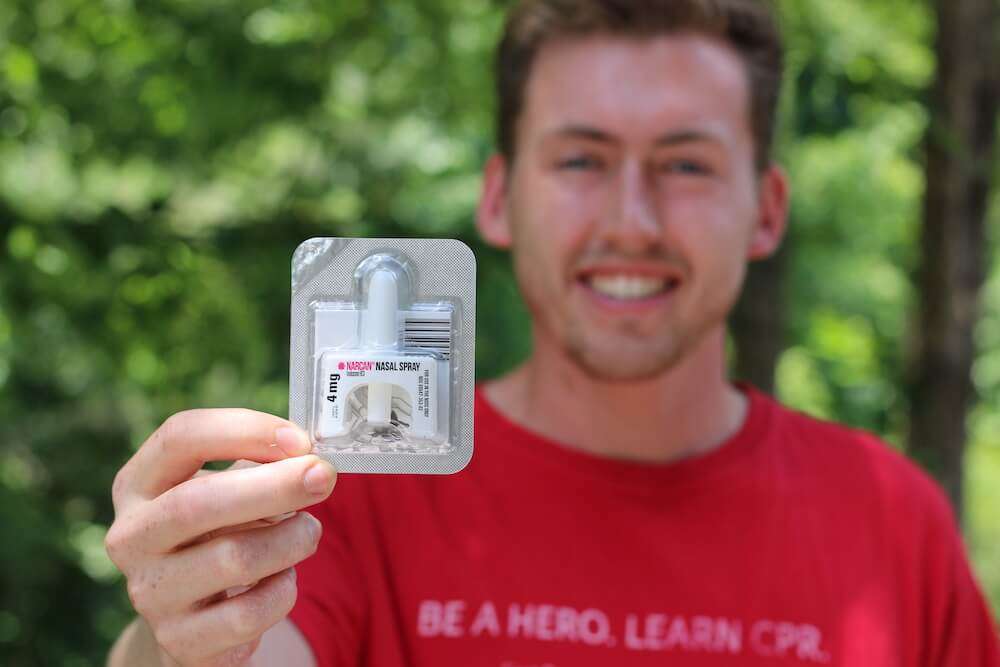
Not All Heroes Wear Capes, But They Do Carry Narcan

Image sourced from https://www.firstresponsecpr.com/blog/opioid-overdose-first-aid/

If someone you know and love takes opioids or uses drugs, you can save their life in the event of an overdose by having one simple product from your local pharmacy. Narcan is a drug that can reverse the symptoms of an opioid overdose. You may also see this drug referred to as Noloxone. This can be given through either a nasal spray or a muscle injection.

Before giving someone Narcan, it is important to know if the person who needs help is having an opioid overdose. According to the Centers for Disease Control and Prevention, there are a few signs that can show if someone is overdosing.

  • They are unconscious and will not wake up
  • Their skin, nails, or lips are discolored
  • They have slow or shallow breathing
  • They are making choking or gurgling noises while unconscious
  • They have small pupils that do not react to light

Only certain substances can cause an opioid overdose, including heroin, prescription or non-prescription opioid medications, fentanyl, and other drugs that may be mixed with fentanyl like cocaine or methamphetamine. If someone is overdosing on a drug that is not an opioid, Narcan will not harm that person, but it will not have any overdose reversal effects.

The first step to giving Narcan to someone who is overdosing is to call 911. While Narcan can help with overdose symptoms, this is not a cure, and medical professionals will need to give aid to the person who has overdosed. After giving someone Narcan, their breathing should become deeper within 2 to 3 minutes. If their breathing does not deepen after this time frame, you can administer a second dose.

After someone is given Narcan and while waiting for medical professionals to arrive, they should be turned onto their side, kept awake, and someone must stay with them until help arrives.

If you or someone you love is using an opioid, you don’t have to worry about not being able to help them if they overdose. You can be an everyday hero with Narcan!


This post has referenced content from the following sources:

CDC. (2024, May 2). 5 things to know about naloxone. Centers for Disease Control and Prevention. https://www.cdc.gov/overdose-prevention/reversing-overdose/about-naloxone.html

Enser, M. (2023, June 2). Opioid overdose symptoms, first aid, resources, & free narcan. First Response Safety Training. https://www.firstresponsecpr.com/blog/opioid-overdose-first-aid/


15. The Role of Fathers in Preventing Unwanted Pregnancy in Alabama

Introduction

While much of the focus on unwanted pregnancies tends to be on the young women involved, it’s essential not to overlook the role of fathers, particularly in Alabama, where family dynamics and cultural expectations can significantly influence decisions related to pregnancy and parenthood. The involvement of fathers can play a critical part in both preventing unwanted pregnancies and providing support in the event of one. This blog post will explore the role fathers can play in reducing teen pregnancies, promoting responsible sexual behavior, and offering support to their partners.

Understanding the Role of Fathers in Teen Pregnancy Prevention

In Alabama, where traditional family values often hold strong cultural significance, the role of fathers in preventing unwanted pregnancies can be viewed from two key perspectives: as partners who share responsibility for contraception and as influential figures in the lives of teens who model behaviors for their children.

  1. Education and Awareness:
    Fathers can help prevent unwanted pregnancies by educating their children, both sons and daughters, about sexual health, contraception, and healthy relationships. In many households, especially in rural areas of Alabama, fathers are seen as the authority figures when it comes to issues of morality and behavior. By fostering open communication about sexual health and responsibility, fathers can encourage their children to make informed decisions about their sexuality.
  2. Modeling Healthy Relationships:
    Fathers who model healthy relationships can set a positive example for their children. When fathers exhibit respectful behaviors, communicate openly with their partners, and demonstrate responsibility, they influence their children’s understanding of relationships and how to navigate them responsibly. This can help teens understand the importance of mutual respect, consent, and making informed decisions about relationships and sex.
  3. Involvement in Contraception Decisions:
    While contraception is typically seen as a woman’s responsibility, fathers can play an active role in ensuring that both partners are prepared to prevent pregnancy. Encouraging open conversations about contraception methods and taking shared responsibility for preventing pregnancy can reduce the likelihood of unwanted pregnancies. Fathers can accompany their partners to medical appointments or help ensure that contraception is used correctly and consistently.

Barriers to Father Involvement in Teen Pregnancy Prevention

Despite the importance of father involvement, several barriers exist that may hinder fathers from taking an active role in preventing teen pregnancies in Alabama:

  1. Cultural and Societal Expectations:
    In many parts of Alabama, traditional gender roles still dominate, and fathers may feel uncomfortable discussing sexual health and relationships with their teens. Societal pressure often places the burden of contraception and pregnancy prevention on mothers, leaving fathers less engaged in the conversation. Overcoming these cultural norms is key to improving father involvement in the prevention of unwanted pregnancies.
  2. Lack of Support Systems for Fathers:
    There is often a lack of programs or services that specifically support fathers in their role in pregnancy prevention. While many initiatives focus on women’s health, there is a need for resources aimed at fathers, particularly in low-income communities, where young fathers may need guidance in becoming more involved in preventing pregnancy and supporting their partners.
  3. Teenage Fathers’ Lack of Responsibility:
    In some cases, teenage fathers may not be emotionally or financially ready to take responsibility for their actions. Teen fathers may not fully understand the implications of their behavior or may not feel equipped to navigate the responsibilities of parenthood. This lack of preparedness can contribute to unwanted pregnancies, as the teen fathers may not engage in responsible sexual behaviors or support the prevention of pregnancy.
  4. Inconsistent or Absent Fathers:
    In many communities, especially those experiencing high rates of poverty, fathers may be absent from the home due to various factors, including incarceration, economic hardship, or abandonment. When fathers are not present, the role they could play in preventing unwanted pregnancies is diminished. This absence can contribute to emotional and behavioral issues for teens, making them more vulnerable to risky behaviors.

Solutions for Increasing Father Involvement in Teen Pregnancy Prevention

To improve the role of fathers in preventing unwanted pregnancies, several strategies can be implemented at the community and state levels:

  1. Fatherhood Programs:
    Expanding fatherhood programs that focus on parenting, sexual health education, and relationship skills can help fathers take an active role in preventing pregnancies. These programs can provide guidance on how to communicate with their children about sexual health, support their partner in contraceptive use, and model responsible behaviors.
  2. Open Communication and Education:
    Schools and community organizations should provide opportunities for fathers to be educated about their role in pregnancy prevention. Workshops, seminars, and outreach initiatives should target fathers as well as mothers, helping them understand how they can support their teens in making healthy decisions about sex and relationships.
  3. Engagement with Teen Fathers:
    Special programs for teenage fathers should be developed to help them navigate the challenges of parenthood. These programs should focus not only on parenting skills but also on financial literacy, emotional support, and how to engage in positive relationships with their child’s mother. Teen fathers need to understand the emotional, financial, and physical commitments involved in parenting and how to prevent future unintended pregnancies.
  4. Strengthening Father-Teen Relationships:
    Strengthening the relationship between fathers and their teens is critical for fostering an environment of trust and communication. When teens feel comfortable discussing sexual health and relationships with their fathers, they are more likely to make informed decisions. Encouraging family counseling or mentorship programs can help build these relationships and create stronger bonds between fathers and their children.

Conclusion

The role of fathers in preventing unwanted pregnancies in Alabama is crucial, yet often overlooked. By promoting open communication, increasing fatherhood education, and addressing the barriers that prevent fathers from taking an active role, we can reduce the rates of unwanted pregnancies among teens in Alabama. Fathers who are engaged in their children’s lives and committed to promoting healthy relationships and contraception use have the potential to make a significant impact on pregnancy prevention. It’s time to shift the conversation to include fathers as key players in preventing teen pregnancies.

References

  • Guttmacher Institute. (2023). The role of fathers in preventing teen pregnancy. Retrieved from www.guttmacher.org
  • Centers for Disease Control and Prevention. (2023). The importance of father involvement in teen pregnancy prevention. Retrieved from www.cdc.gov
  • National Responsible Fatherhood Clearinghouse. (2023). Supporting fathers in preventing teen pregnancies. Retrieved from www.fatherhood.gov
  • Alabama Department of Public Health. (2023). Fathers and pregnancy prevention: A guide for community leaders. Retrieved from www.adph.org

14. The Role of Schools in Preventing Unwanted Pregnancy in Alabama

Introduction

Schools have a pivotal role in preventing unwanted pregnancies, especially in communities where adolescent pregnancy rates are high. In Alabama, comprehensive sex education programs in schools can equip teens with the knowledge and resources needed to make informed decisions about their sexual health. However, access to these programs is not uniform across the state, and the content of sex education varies greatly. This blog post explores the role of schools in preventing unwanted pregnancies and how Alabama can improve the delivery of sex education to reduce teen pregnancy rates.

The Current State of Sex Education in Alabama

Alabama’s approach to sex education has been a subject of debate for many years. While the state does require sex education, there are no comprehensive state mandates on the topics that must be covered or the methods that must be used. This results in a lack of consistency across schools, with some districts offering only abstinence-based education and others providing more comprehensive programs that cover contraception, sexual health, and emotional well-being.

Key aspects of sex education in Alabama include:

  1. Abstinence-Only Education: Alabama is one of the many states that endorse abstinence-only education, where the focus is on teaching young people to avoid sex until marriage. This model does not include comprehensive information about contraception or sexual health, leaving students with limited knowledge about how to protect themselves from unwanted pregnancy and sexually transmitted infections (STIs).
  2. Limited Comprehensive Sex Education: While some districts in Alabama do offer comprehensive sex education, these programs are often not standardized. They may address contraception, healthy relationships, and sexual rights, but these programs are not always guaranteed and may vary widely in quality.

The Benefits of Comprehensive Sex Education

Comprehensive sex education provides teens with the tools they need to make informed decisions about their sexual health. Research has shown that comprehensive sex education programs are more effective at reducing teen pregnancies and sexually transmitted infections (STIs) than abstinence-only programs.

Some key benefits of comprehensive sex education include:

  1. Improved Knowledge of Contraception: Teens who receive comprehensive sex education are more likely to use contraception consistently and correctly. Knowledge about contraception methods such as birth control pills, IUDs, and condoms can significantly reduce the risk of unintended pregnancies.
  2. Promotion of Healthy Relationships: Comprehensive sex education often includes lessons on consent, communication, and healthy relationships. Teaching young people about these topics can help prevent unintended pregnancies that arise from unhealthy relationships or coercion.
  3. Increased Confidence in Making Decisions: By providing students with accurate information and skills to navigate complex sexual decisions, comprehensive sex education can increase their confidence in making informed, responsible choices about their sexual health.
  4. Reduction in STIs and HIV Rates: Comprehensive sex education often includes information about STIs and HIV, teaching teens about prevention, testing, and treatment. By addressing both pregnancy and STI prevention, these programs can reduce overall sexual health risks among teens.

Challenges to Implementing Comprehensive Sex Education in Alabama

Despite the benefits of comprehensive sex education, there are several challenges to its widespread implementation in Alabama:

  1. Cultural and Religious Barriers: In Alabama, a state with a deeply religious and conservative culture, there is resistance to comprehensive sex education. Some parents and community leaders argue that sex education programs should focus solely on abstinence, fearing that comprehensive programs might encourage sexual activity among teens.
  2. Lack of Funding and Resources: Many school districts in Alabama struggle to fund comprehensive sex education programs. This lack of resources can prevent schools from offering well-rounded, evidence-based programs that include contraception and STI prevention.
  3. Inconsistent Implementation: Even within schools that provide sex education, there can be significant differences in how the program is taught. Some teachers may not be trained to deliver comprehensive sex education or may feel uncomfortable discussing certain topics like contraception and consent, leading to incomplete or inconsistent education.

Strategies for Improving Sex Education in Alabama

To improve the effectiveness of sex education and reduce the rate of unwanted pregnancies in Alabama, the following strategies could be implemented:

  1. Statewide Standards for Comprehensive Sex Education: Alabama should establish clear, consistent guidelines for sex education that mandate the inclusion of comprehensive information about contraception, sexual health, and healthy relationships. These standards would ensure that all students, regardless of where they live, receive accurate, evidence-based education.
  2. Training Teachers to Deliver Sex Education: Teachers should be properly trained to teach sex education in a way that is factual, inclusive, and sensitive to the cultural and emotional needs of students. Professional development for teachers can help them feel more confident in discussing sensitive topics and addressing students’ questions.
  3. Parental and Community Engagement: Engaging parents and community leaders in discussions about the importance of comprehensive sex education can help reduce resistance and increase support for these programs. Offering informational sessions for parents can also ensure they feel comfortable with the material being taught to their children.
  4. Providing Access to Resources: Schools should provide students with access to resources such as contraception, counseling, and sexual health services. By partnering with local healthcare providers, schools can ensure that students have the support they need to make informed decisions about their sexual health.

Conclusion

Schools in Alabama have a crucial role to play in preventing unwanted pregnancies by providing teens with the education and resources they need to make informed choices about their sexual health. Comprehensive sex education, when implemented effectively, can equip young people with the knowledge to prevent unintended pregnancies and protect themselves from sexually transmitted infections. However, cultural, financial, and political challenges must be overcome to ensure that all teens in Alabama have access to this vital education. By advocating for better policies, increasing teacher training, and engaging parents and communities, Alabama can work toward reducing teen pregnancy rates and empowering young people to make healthy choices.

References

  • Guttmacher Institute. (2023). The importance of comprehensive sex education. Retrieved from www.guttmacher.org
  • Alabama Department of Public Health. (2023). Teen pregnancy prevention: Comprehensive sex education in Alabama schools. Retrieved from www.adph.org
  • Centers for Disease Control and Prevention. (2023). Sexual Risk Behaviors and Teen Pregnancy Prevention. Retrieved from www.cdc.gov
  • National Conference of State Legislatures. (2023). State policies on sex education. Retrieved from www.ncsl.org

13. The Role of Healthcare Providers in Preventing Unwanted Pregnancy in Alabama

Introduction

Healthcare providers are at the forefront of addressing unwanted pregnancies, especially among teens and young adults. In Alabama, healthcare professionals play a crucial role in educating young people, providing contraceptive options, and offering counseling on reproductive health. However, many teens face barriers to accessing healthcare, including lack of insurance, cultural stigmas, and limited access to healthcare providers who are trained to address their needs. This blog post explores the role of healthcare providers in preventing unwanted pregnancy and how they can better support teens in Alabama.

Barriers to Accessing Healthcare for Teens in Alabama

Several barriers prevent teens in Alabama from seeking and receiving the healthcare they need to prevent unwanted pregnancy:

  1. Lack of Insurance: Many teens, especially those from low-income families, do not have health insurance, which limits their ability to access necessary reproductive health services, including contraception and counseling.
  2. Stigma and Cultural Barriers: In Alabama, where traditional values often shape attitudes around sexuality, teens may feel embarrassed or ashamed to seek reproductive health services. This stigma can prevent them from talking openly with healthcare providers or asking for help.
  3. Limited Access to Providers: Rural areas in Alabama face shortages of healthcare providers, including those who specialize in reproductive health. Teens in these areas may have to travel long distances to access services, which can be an insurmountable barrier for many.
  4. Lack of Confidentiality: Some teens may fear that their parents or guardians will find out about their healthcare visits, especially if they are seeking birth control or other reproductive health services. Concerns about confidentiality can prevent young people from seeking care altogether.

How Healthcare Providers Can Help Prevent Unwanted Pregnancy

Healthcare providers have a critical role to play in preventing unwanted pregnancies among teens. Here’s how they can help:

  1. Providing Comprehensive Sexual and Reproductive Health Education: Healthcare providers are in a unique position to educate young people about sexual health, contraception, and pregnancy prevention. By offering accurate, age-appropriate information, providers can empower teens to make informed decisions about their bodies.
  2. Offering Confidential Services: To address concerns about confidentiality, healthcare providers should ensure that teens know their rights regarding confidential health services. Providers should offer confidential consultations, especially when discussing sensitive topics like contraception and sexual activity.
  3. Providing Contraception: One of the most effective ways healthcare providers can prevent unwanted pregnancy is by offering a variety of contraception options. This includes birth control pills, intrauterine devices (IUDs), condoms, and emergency contraception. In Alabama, where access to family planning services may be limited, ensuring that teens have access to affordable contraception is critical.
  4. Creating a Non-Judgmental Environment: Many teens in Alabama may hesitate to seek reproductive health services due to fears of being judged by healthcare providers. Creating a non-judgmental and supportive environment is essential for building trust with young patients. Healthcare providers should approach each teen’s situation with understanding and empathy, without moralizing or stigmatizing their choices.
  5. Promoting Routine Screenings and Preventive Care: Routine screenings for sexually transmitted infections (STIs) and regular reproductive health check-ups are vital for ensuring the overall health of teens. Healthcare providers should encourage these screenings as part of regular check-ups, even for those who are not sexually active, to normalize reproductive health care.

The Importance of Training for Healthcare Providers

To be effective in preventing unwanted pregnancy, healthcare providers in Alabama need training in how to communicate with teens about sexual health. Training should include:

  1. Cultural Competence: Healthcare providers should receive training in cultural competence to understand the unique challenges faced by teens in Alabama, especially those from low-income and minority backgrounds. Providers should be sensitive to the cultural and religious values that may influence a teen’s attitudes toward sexual health.
  2. Adolescent-Focused Care: Teens have specific healthcare needs that differ from those of adults. Providers should be trained to address these needs, offering care that is appropriate for a young person’s developmental stage. This includes understanding the psychological and emotional aspects of adolescent health and offering appropriate counseling.
  3. Confidentiality and Legal Rights: Healthcare providers should be well-versed in the laws surrounding confidentiality and the rights of minors to access reproductive health services. They should be able to reassure teens that their visits will remain confidential and that they have the right to make decisions about their own reproductive health.

The Role of Collaborative Care

In some cases, healthcare providers may need to work with other professionals to support teens. Collaboration between physicians, counselors, social workers, and community organizations can help address the multifaceted nature of teen pregnancy prevention. By working together, these professionals can create a comprehensive care plan that addresses not only the physical aspects of reproductive health but also the emotional, psychological, and social factors that contribute to unwanted pregnancies.

Conclusion

Healthcare providers in Alabama have a critical role in preventing unwanted pregnancies among teens and young adults. By offering comprehensive sexual education, providing confidential and non-judgmental care, and ensuring access to contraception, providers can significantly reduce the rates of teen pregnancy in the state. However, to do so effectively, healthcare providers must overcome the barriers to access that many teens face, including lack of insurance, stigma, and geographic isolation. By investing in the training and resources needed to support adolescent health, Alabama can create a healthcare system that empowers teens to make healthy, informed decisions about their reproductive health.

References

  • American Academy of Pediatrics. (2023). Confidentiality and adolescent health care. Retrieved from www.aap.org
  • Guttmacher Institute. (2023). The role of healthcare providers in preventing unintended pregnancies. Retrieved from www.guttmacher.org
  • Alabama Department of Public Health. (2023). Improving teen access to reproductive health services. Retrieved from www.adph.org
  • Centers for Disease Control and Prevention. (2023). Adolescent health: Preventing pregnancy and sexually transmitted diseases. Retrieved from www.cdc.gov

12. The Impact of Socioeconomic Factors on Unwanted Pregnancy in Alabama

Introduction

Socioeconomic factors such as income, education, and access to resources play a significant role in the rates of unwanted pregnancy, especially in marginalized communities. In Alabama, where many young people face economic challenges, these factors can compound the risks of unwanted pregnancies. In this blog post, we’ll explore how socioeconomic status influences unwanted pregnancy rates in Alabama and discuss potential solutions to address these challenges.

How Socioeconomic Status Affects Teen Pregnancy

Socioeconomic status (SES) is a key determinant in shaping the opportunities and choices available to individuals. Teenagers from lower-income backgrounds often face a greater risk of experiencing unwanted pregnancy due to several interconnected factors:

  1. Limited Access to Education: Young people from lower-income families often attend schools with fewer resources, including limited access to comprehensive sex education programs. As a result, they may lack accurate knowledge about contraception, sexual health, and pregnancy prevention.
  2. Financial Stress: Teens living in poverty may face financial stress that makes family planning more difficult. They might also have limited access to healthcare services, including contraception and prenatal care.
  3. Social Support Networks: Teens in lower socioeconomic brackets may not have the strong social support networks that can guide them through difficult situations. They may also lack role models or mentors who can help them make informed choices about sex and relationships.
  4. Housing Instability: Living in unstable housing conditions, such as overcrowded homes or transient living situations, can lead to feelings of uncertainty and insecurity, which may increase the likelihood of risky sexual behaviors and unwanted pregnancies.

The Economic Burden of Teen Pregnancy in Alabama

The economic costs of teen pregnancy in Alabama are significant. The state has one of the highest rates of teen births in the U.S., and these births often lead to financial strain on families, communities, and the healthcare system. The economic consequences include:

  • Increased Public Health Costs: Teen pregnancies often lead to higher rates of infant mortality, low birth weight, and other health complications, all of which require increased healthcare expenditures.
  • Educational Disruptions: Teen mothers are more likely to drop out of school, reducing their educational attainment and earning potential. This creates a cycle of poverty that is difficult to break, impacting future generations.
  • Higher Dependence on Social Services: Teen mothers are more likely to rely on public assistance programs such as welfare and food stamps, further burdening the state’s resources.

Addressing Socioeconomic Disparities

To reduce the rates of unwanted pregnancy in Alabama, we must address the socioeconomic disparities that contribute to the problem. Here are some potential solutions:

  1. Improving Access to Comprehensive Sex Education: Ensuring that all teens, regardless of their socioeconomic background, receive high-quality, evidence-based sex education is essential. This education should include information about contraception, sexual health, and pregnancy prevention.
  2. Expanding Access to Contraception: Making contraception affordable and accessible is key to reducing unwanted pregnancies. This includes offering free or low-cost contraception through community clinics and expanding access to health insurance coverage for young people.
  3. Providing Financial and Educational Support: Offering financial assistance and educational support to teen parents can help break the cycle of poverty. Programs that help young mothers complete their education and gain job skills can improve their economic prospects and reduce the likelihood of further unintended pregnancies.
  4. Creating Community-Based Mentorship Programs: Mentorship programs that connect teens with role models and community leaders can provide guidance and support, helping young people make informed choices about their sexual health and relationships.

The Role of Local Governments and Policymakers

Policymakers in Alabama have an important role to play in addressing the root causes of unwanted pregnancy. Public policy initiatives can support efforts to improve the social determinants of health, such as education, healthcare access, and economic stability. Potential policy changes include:

  • Expanding Medicaid Coverage for Family Planning: Expanding Medicaid eligibility to cover family planning services for low-income individuals can help ensure that young people have access to the resources they need to prevent unintended pregnancies.
  • Increasing Funding for Teen Pregnancy Prevention Programs: Local governments should invest in programs that focus on reducing teen pregnancy through education, outreach, and the provision of reproductive health services.
  • Strengthening Support for Teen Parents: Creating programs that support teen parents, including financial assistance, childcare, and parenting education, can help young families thrive.

Conclusion

Socioeconomic factors have a profound impact on unwanted pregnancy rates in Alabama. By addressing the underlying economic and educational disparities, we can create a more supportive environment for teens to make informed decisions about their sexual health. Providing comprehensive sex education, expanding access to contraception, and offering financial and educational support to teen parents are critical steps in reducing unwanted pregnancies and improving the future prospects of young people in Alabama.

References

  • Guttmacher Institute. (2023). Teen pregnancy and the social determinants of health. Retrieved from www.guttmacher.org
  • Alabama Department of Public Health. (2023). Reducing teen pregnancy in Alabama: The economic and social impact. Retrieved from www.adph.org
  • National Conference of State Legislatures. (2023). State policies to prevent teen pregnancy. Retrieved from www.ncsl.org