Staying Hydrated – Why is it important to drink enough H20?

Amanda Benko | Intern UAB School of Education – CHHS
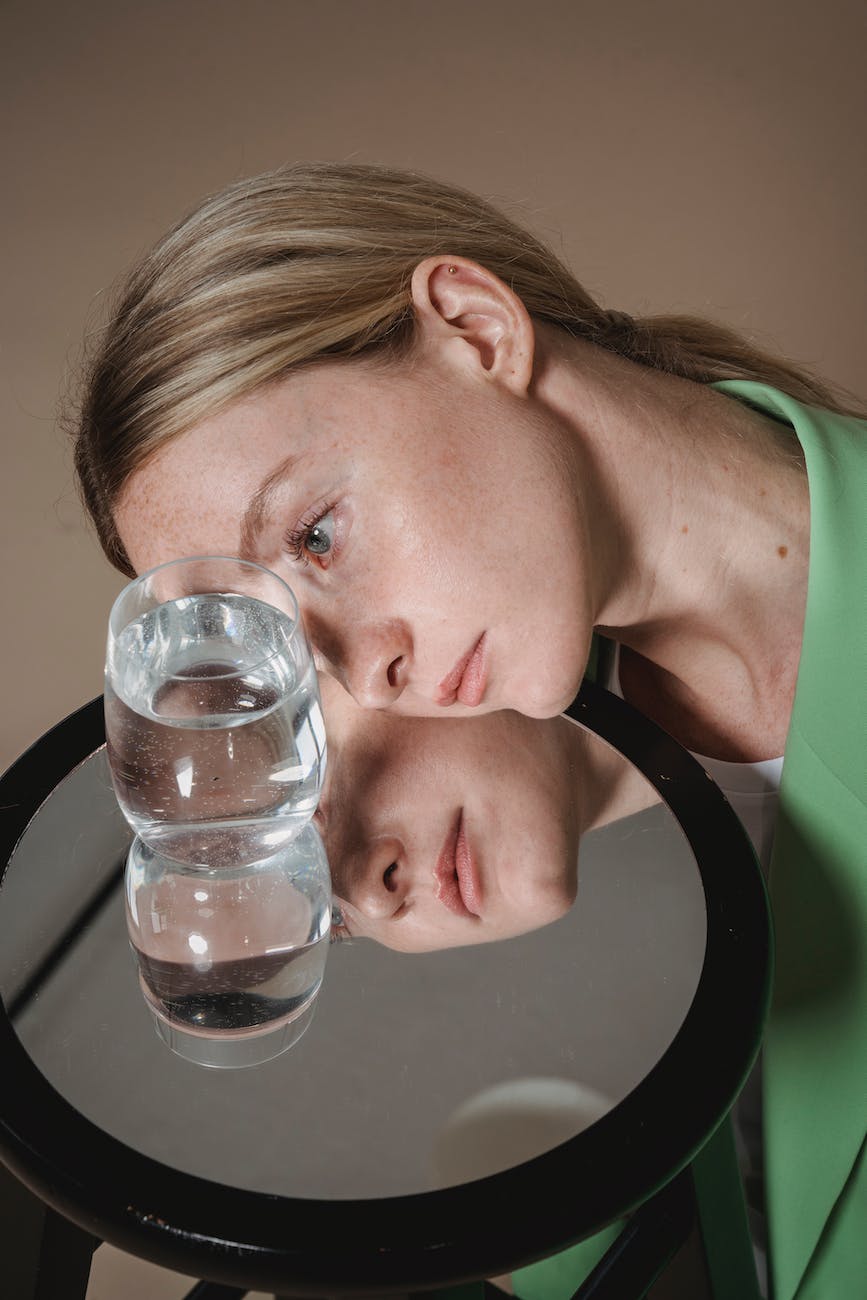
Photo by Sasha Kim on Pexels.com

Staying Hydrated – Why is it important to drink enough H20

Did you know that water makes up most of your body weight and involves several vital functions, including removing waste from the body, regulating body temperature, and helping with brain function? It is essential to note that water plays an important part in our body’s functioning. According to the Centers for Disease Control and Prevention (2022), getting enough water daily is necessary for your health. Drinking plenty of water every day can help you stay hydrated. It can help regulate body temperature, help keep our joints lubricated, prevent infections, deliver nutrients to cells, and ensure that organs function properly. In addition, being well-hydrated can help you improve the quality of your sleep, mood, and cognition. According to experts, one should drink approximately 11 cups of water daily for an average woman and around 16 cups for men. Water plays a vital role in various body functions, such as the digestion of food, absorption, circulation, and excretion. Research has shown that drinking plenty of water helps aid the transportation of nutrients, oxygen, and hormones all across the body, regulating body temperature, lubricating joints, and assisting in waste control.

Drinking plenty of water also helps in the hydration of cells and tissues. As earlier noted, our bodies are composed mainly of water, and every cell, tissue, and organ depends on water for proper functioning. Proper hydration can help you maintain the balance of fluids within the body, enabling you to maintain optimal energy levels, enhance concentration, and improve one’s overall productivity. Studies also reiterate that drinking plenty of water is good for skin health. It can help keep your skin hydrated and moisturized, reducing the risk of dryness, wrinkles, and disorders affecting the skin. This helps promote a healthy complexion, possibly contributing to a more youthful experience.

In conclusion, water is essential to almost every part of your body. Drinking the recommended daily amount of water will help you maintain your current state of health and improve your overall health. If you are exercising or living in hotter regions, it is vital to increase your water intake to avoid dehydration. What steps do you find helpful to stay hydrated?

References

Water and healthier drinks. (2022, June 6). Centers for Disease Control and Prevention. https://www.cdc.gov/healthyweight/healthy_eating/water-and-healthier-drinks.html


Drowning Doesn’t Always Look Like Drowning!

Amanda Benko | Intern UAB School of Education – CHHS

Photo by MarcTutorials on Pexels.com

Drowning Prevention – Kids under 10

Drowning is an extremely serious issue, especially for children under the age of ten. Every year, numerous lives are lost due to drowning situations that may have been avoided with adequate education and care. This article attempts to shed light on the significance of drowning prevention and how to recognize the subtle signs of drowning. By understanding these crucial points, we can take steps to ensure the safety of our young ones around water.

Drowning Prevention: Several significant precautions may be taken to reduce drownings in children. The first important step is to maintain regular supervision (Wickens et al., 2021). Never leave children unattended near water, regardless of its size or depth. Assigning a responsible adult to supervise children during aquatic activities is critical. Enrolling children in age-appropriate swimming instruction is another important preventative step (Guevarra et al., 2021). These classes teach young people important swimming techniques and increase their confidence in the water. However, it is crucial to realize that swimming instruction alone does not ensure safety. Pool barriers and safety precautions are also essential, particularly for households with pools. Install a security fence around the pool area, with the gate self-closing and latching. It establishes a physical barrier that restricts uncontrolled entry into the pool.

Drowning Does not Always Look like Drowning: Contrary to popular belief, drowning occurs without signs of frantic splashing and cries for help. Instead, a person drowning may be silently struggling to keep their head above water, gasping for air, with a distant look in their eyes and arms extended to the sides. Recognizing these modest indications is critical for early intervention and could make a major difference in saving lives. We can react to and avoid terrible situations in and around water if we recognize that drowning does not always look like what we anticipate.

Above all else, to ensure water safety this summer, make sure kids have a responsible adult present in the water. Also, make sure your children are wearing some form of floatation device, and get your child comfortable in the water to know to go somewhere safe or to a wall when they begin to feel tired or accidentally inhale in water. These are great ways to prevent tragedy in the water. What tips do you plan to use this summer to ensure water safety?

References

Guevarra, J. P., Peden, A. E., Orbillo, L. L., Uy, M. R. S. Z., Madrilejos, J. J. R., Go, J. J. L., … & Franklin, R. C. (2021). Preventing child drowning in the Philippines: the need to address the determinants of health. Children8(1), 29. https://doi.org/10.3390/children8010029

Wickens, N., Wallace, R., Dare, J., Costello, L., Lo, J., & Nimmo, L. (2021). Mobile phone use and social interactions among caregivers can reduce their ability to provide constant supervision to children at Australian public swimming pools. Health promotion journal of Australia32, 147-157. https://doi.org/10.1002/hpja.445


Do People with Dogs Live Longer?

By Terrie Johnson, Intern and UAB Community Health and Human Services Student

Photo by Humphrey Muleba on Pexels.com

The benefits of owning a dog as a pet are great and shows that having a canine companion makes the owners happier and healthier. Taking a dog for a walk in the evenings or on weekends is refreshing, enabling the owner to unwind and refresh the mind. Furthermore, walking is a form of physical exercise that eliminates the possibility of leading a sedentary lifestyle that increases the risk of obesity and other lifestyle-related illnesses. Dog ownership has health benefits that emanate from walking the pet, the overall happiness that comes with being in charge of the dog, and the possibility of the dog saving the owner in times of crisis, such as a heart attack or an intrusion by a potentially harmful trespasser.

The benefits of owning a dog outweigh the maintenance costs and the time spent with the pet. Research shows that regular interactions with dogs increase the production of happiness-inducing hormones, such as serotonin, oxytocin, and dopamine, all of which contribute to longer lives (Gee et al., 2021). Perpetually happy people tend to have reduced risks, such as the risk of self-harm originating from unmanageable stress levels (Powell et al., 2019). Correspondingly, research shows that owning a dog increases the owner’s mental health, effectively reducing depression while boosting life satisfaction levels (Rodriguez, 2019). Thus, dog ownership will likely increase as people become aware of the numerous benefits they stand to gain.

Dog ownership has always been a favorite hobby for millions worldwide. Most domestic dogs are obedient, can run errands, and alert the owner when an intruder approaches. The deep bond and calming effect are vital aspects of living, which makes life worth every moment. In line with this, people should embrace dog ownership to benefit from longer lives, but they should equally take optimal care of the pets to ensure they are healthy so that they can serve them well.

References

Gee, N. R., Rodriguez, K. E., Fine, A. H., & Trammell, J. P. (2021) dogs supporting human health and well-being: A biopsychosocial approach. Frontiers in Veterinary Science, 8. 630465. Doi: 10.3389/fvets.2021.630465

Powell, L. et al. (2019). Companion dog acquisition and mental well-being: a community-based three-arm controlled study. BMC Public Health, 19(1428). 1-10 Doi.org/10.1186/s12889-019-7770-5

Rodriguez, A. (2019). Owning a dog can help you live longer, study suggests. USA Today. https://www.usatoday.com/story/news/health/2019/10/08/aha-journal-study-owning-dog-may-help-you-live-longer/3907770002/


Say No to Road Rage!

By Jessica Feagin, Intern and UAB Community Health and Human Services Student

Photo by Pixabay on Pexels.com

Road rage can be defined as uncontrolled or violent anger in response to a driving-related behavior, which is a factor in many fatal motor vehicle accidents (Progressive, 2022). Some examples of road rage could be yelling at each other, honking your horn, making rude gestures, tailgating, or weaving through traffic. More extreme examples of road rage could be a physical confrontation or intentional ramming into other cars. Most people experiencing road rage are usually deal with a stressful situation or some emotional crisis. Most people have probably dealt with road rage, even if they were calm. It is vital to handle the situation appropriately, not to make things worse and put yourself in danger.

According to AAA Foundation for Traffic Safety’s 2019 data, nearly 80 percent of drivers expressed significant anger, aggression, or road rage behind the wheel at least once in the previous 30 days (AAA, 2019.). In addition, an AAA Foundation study looked at over 10,000 road rage incidents over seven years, which resulted in at least 218 murders and 12,610 injuries.

If you are prone to road rage and think this has become a problem, some steps to take could be to get adequate rest, limit alcohol, leave earlier for your destination, play soothing music, be aware of your driving, and put pictures of your loved ones on the dashboard to remind you that you want to come home to them. If you are a victim or target of road rage, don’t make eye contact, pull off the road or take the next exit if necessary, calm yourself, don’t return gestures, change lanes if being tailgated, stay behind the angry person, and if someone wants to pass you, slow down and let them (Lawrence, 2003). If the road rager is following you, do not hesitate to call the authorities. Do not take a chance. That can be a very dangerous and serious situation. Protect yourself and others, and say no to road rage! Have you ever been a victim of road rage? If so, let us know about your experience and how you handled the situation.

References

Aggressive driving. (n.d.). AAA Exchange – Advocacy. Communication. Education. https://exchange.aaa.com/safety/driving-advice/aggressive-driving/

How to deal with aggressive drivers. (n.d.). An Insurance Company You Can Rely On | Progressive. https://www.progressive.com/answers/how-to-deal-with-aggressive-drivers/

Lawrence, J. (2003, February 3). Road rage root cause. WebMD. https://www.webmd.com/women/features/root-cause-of-road-rage


Let’s Support The Lovelady Center!

Angela Wilson | Intern UAB School of Education -CHHS

Photo by Antoni Shkraba on Pexels.com

Lovelady Center Donations

Birmingham, Alabama, has several shelters for the homeless population, and most of them are non-profit organizations. The Lovelady Center is where women can get a second chance at life and prepare for re-entering society as productive contributing members. Not only does it provide shelter, meals, and other services for recovering women, but it also provides for their children too.

The Lovelady Center can accommodate approximately 48 -50 women and children. Although they generate roughly 70% of revenue from their two thrift stores, they still rely heavily on the support and donations from foundations, churches, fundraisers, and individual supporters like you and me to meet their operational commitments. Since The Lovelady Center provides all their resident’s necessities, including toiletries, linen, office supplies, cleaning supplies, first aid supplies, and infant and children items, the fiscal demands can get quite exorbitant. This is where the community’s help is integral in bringing the shelter’s mission to fruition by bridging the gap in financial resources. The Lovelady Center accepts donations in many forms and is humbly grateful for whatever the public gives them. They are unwavering and undeterred in their mission to improve the lives of women and their families and provide a platform that supports second chances.

The Lovelady Center accepts monetary donations online via its website. They also accept high-demand items, like toilet paper, paper towels, personal hygiene products, pillows, disinfectant spray, and gift cards. How about donating your time if you cannot donate any of these items? The Lovelady Center accepts volunteers to assist with teaching, mentoring, food service, and infant and childcare tasks. Endorsed and praised by Mayor Woodfin, Governor Kay Ivey, and Sheriff Mark Pettway, The Lovelady Center restores faith, hope, and love to women who were once without. BUT GOD!

If you want to donate or volunteer at the Lovelady Center, please contact Joni Morton, at (727) 458-9113. Opportunity Awaits!

References

https://www.Loveladycenter.org. (2022). Retrieved June 1, 2023.


The Power of the Banana Peel

By Jessica Feagin | Intern and UAB Community Health and Human Services Student

One evening while sitting in a hospital waiting room while my dad was in surgery, I noticed a man rubbing a banana peel across his face and arms. Naturally, I was wondering what he was doing, so I went to Google to search for the benefits of rubbing a banana peel on the body. Surprisingly, a banana peel has several health benefits in skin care, hair health, teeth whitening, and first aid.

Banana peels can be used for skin care by rubbing it on your face to reduce wrinkles and brighten skin, reduces puffiness by placing the peel on your eyes, hydrates the skin, helps fade acne scars, treat psoriasis, and removes warts by taping a piece of ripe banana peel over the wart and leaving it there overnight. It has been suggested in the cosmetic industry to use a banana peel as an ingredient in a hair mask to make your hair softer and shinier. Natural healing practitioners also claim that rubbing a banana peel on your teeth is good for teeth and gums, and if you do that every day, it may whiten your teeth. The anti-inflammatory, antimicrobial, and antioxidant properties in banana peels can be used in first aid to relieve itch due to poison ivy, bug bite, or sunburn. It can also reduce the pain from a headache by placing a frozen banana peel on the forehead and back of your neck (Frothingham, n.d.).

The vitamin B6 in banana peels combined with high levels of tryptophan in bananas can relieve symptoms of mood disorders and depression and can help improve sleep. Banana peels rich in fiber can help regulate the digestive system, relieving diarrhea and constipation. The vitamin A in banana peels can help keep your eyes healthy and strong. Eating unripe and green banana peels can help reduce cancer risk by increasing antioxidant levels (WebMD Editorial Contributors, 2020). Some ways to make a banana peel more delicious is by blending it into smoothies, baking it with cinnamon and sugar, or caramelizing it with water and sugar to use as an ice cream topping.

Do you like bananas? So before you throw your banana peel in the trash, think twice about that and think about all the health benefits and the power that is within the banana peel.

References

Frothingham, S. (2019, August 29). 23 banana peel uses: For skin care, hair health, first aid, and more. Healthline. https://www.healthline.com/health/banana-peel-uses

WebMD. (n.d.). Banana peel: Health benefits, nutrients, preparation, and more. WebMD. https://www.webmd.com/diet/health-benefits-banana-peel


Good Sleep Matters!

By Jessica Feagin, Intern and UAB Community Health and Human Services Student

Photo by Andrea Piacquadio on Pexels.com

Getting proper and sound sleep is essential for everyone. It improves your health, brain performance, and mood. Not getting regularly appropriate and good sleep can increase the risk of many disorders, including stroke and heart disease, dementia, and obesity. We need quality sleep because sleep helps the brain prepare to learn, create, and remember (NIH, 2022).

When you’re sleeping, essential tasks that benefit your physical health by your body and brain are performed. For example, your immune system releases proteins called cytokines, which defend against inflammation and illnesses. When you’re sick, these proteins increase in your body; however, when you’re sleep-deprived, the production of cytokines may dip, making you more vulnerable to viruses and colds. Good sleep is also beneficial for your heart. When you sleep, your heart rate and blood pressure decrease, allowing your cardiovascular system to slow down (Juli Fraga, 2022)

As a woman, we have heard about “getting your beauty rest.” Good sleep benefits your skin. When you’re asleep, collagen is produced, a protein that prevents wrinkles and repairs the skin. Conversely, insufficient sleep can produce cortisol, making your eyes red and puffy and causing skin flare-ups (Juli Fraga, 2022).

The Centers for Disease Control and Prevention (CDC) recommends that adults ages 18-60 get seven or more hours of sleep per night. Tips provided by the CDC (2022) for better sleep are to:

  • Be consistent by going to bed at the same time at night and waking up at the same time each morning
  • Make sure your bedroom is relaxing, dark, quiet, and at a comfortable temperature
  • Remove all electronic devices from the bedroom
  • Avoid alcohol, large meals, and caffeine before bed
  • Exercise during the day to help you fall asleep more easily at night

Lack of proper sleep can impact your body in many ways. What tips do you have for those struggling to get a good night’s sleep?

References

Centers for Disease Control and Prevention. (2022b, September 13). Tips for better sleep. Centers for Disease Control and Prevention. https://www.cdc.gov/sleep/about_sleep/sleep_hygiene.html

Juli Fraga, Psy. D. (2022, February 25). Why sleep matters more than ever. Sleep.com. https://www.sleep.com/sleep-health/why-sleep-matters-more-than-ever

U.S. Department of Health and Human Services. (2022, July 15). Good sleep for good health. National Institutes of Health. https://newsinhealth.nih.gov/2021/04/good-sleep-good-health


Buzz Off! Natural Mosquito Prevention

Amanda Benko| Intern UAB School of Education-CHHS

Photo by Pixabay on Pexels.com

Tips to Avoid Mosquitoes, Naturally.

Mosquitoes can be a severe problem in the summer due to the warmer temperatures and lush vegetation that create optimal breeding conditions. In addition, mosquitoes can cause itching bites and serious diseases quickly. There are non-chemical mosquito repellents that work best.

Eliminating standing water is one of the most effective natural mosquito repellents (Cocke, Geest & Shufran, 2022). Standing water is a vital component in mosquito breeding, and the more people can eliminate it ahead of time, the fewer mosquitos will be there. One of the most straightforward methods to accomplish this is to evaluate a property for any potential sources of standing water. The evaluation could include sewers, gutters, and dishes left outside in the water. In addition, investigate the area around any flower pots, bird baths, or other water sources. People who live in places with standing water for extended periods should consider filling them in with soil or other material to reduce or halt water flow. They should also ensure that any containers in their yard, such as garbage cans or buckets, are free of moisture and adequately covered.

Garlic oil or garlic powder has been used as a natural and effective mosquito repellent for centuries (da Silva & Ricci-Junior, 2020). When mosquitoes detect garlic, they avoid the area, which is advantageous if people live in a mosquito-prone location. In addition, sulfur compounds and a potent scent in garlic render it an effective natural mosquito repellent. One of the advantages of garlic is its enduring impact. When applied correctly, garlic can repel mosquitoes for three weeks. Garlic oil and garlic powder can create a natural mosquito repellent in diverse formulations. Using garlic powder or crushed garlic cloves on lawns and window sills has been successful. People residing in such locations also have the option to purchase commercial commodities that incorporate garlic oil, for instance, liquid sprays and candles.

In the southern United States, introducing beneficial insects into an outdoor area is an efficient yet simple technique to naturally repel mosquitoes (Gouagna et al., 2020). Ladybugs and dragonflies both serve vital roles in mosquito control. Ladybugs are well-known for their ravenous hunger for aphids, usually found on nectar-rich flowers and crops. Mosquitoes are also drawn to these plants; ladybugs can help control the invasion.

Planting insect-repelling plants is a simple technique to minimize mosquitoes. Due to the scent of these plants, which deters mosquitoes, they can be used as natural repellents. The most well-liked plant for preventing mosquitoes is a green plant called citronella, which may be grown in the yard or bought in candles or lanterns (Dhillon, Bains, & Kocher, 2021). Lemongrass possesses potential as a natural repellent, depending upon the geographical location. Consequently, introducing plants near residential areas, either in a garden, potted plants, or strategically placed foliage, can remarkably decrease the mosquito population. It is imperative to uphold one’s health while utilizing repellent plants, as mosquitoes tend to water excessively and decompose flora. Because of this, it is essential to stick to a watering schedule and ensure the plants get enough sunlight and nutrients. What method have you found that works to repel these pesky bugs?

References

Cocke, T. E., Geest, E. A., & Shufran, A. A. (2022). Learning about mosquitoes, diseases, and vectors: a classroom activity. Science Activities, 59(3), 142-150. https://doi.org/10.1080/00368121.2022.2071816

da Silva, M. R. M., & Ricci-Júnior, E. (2020). An approach to natural insect repellent formulations: from basic research to technological development. Acta tropica, 212, 105419. https://doi.org/10.1016/j.actatropica.2020.105419

Dhillon, G., Bains, S., & Kocher, D. K. (2021). Microencapsulated citronella (Cymbopogon nardus) essential oil as mosquito repellent finish for cotton. Agris Research Journal, 57(2), 275-279.

Gouagna, L. C., Damiens, D., Oliva, C. F., Boyer, S., Le Goff, G., Brengues, C., … & Fontenille, D. (2020). Strategic approach, advances, and challenges in the development and application of the SIT for area-wide control of Aedes albopictus mosquitoes in Reunion Island. Insects, 11(11), 770. https://doi.org/10.3390/insects11110770


Strike a Pose – The Health Benefits of Yoga

Amanda Benko | UAB Intern School of Education – CHHS

Photo by Andrea Piacquadio on Pexels.com

Health Benefits of Yoga

Yoga is an ancient practice and popular form of exercise involving physical poses, concentration, and deep breathing. It is a posture-based physical fitness, stress relief, and relaxation technique. Regardless of your yoga expertise and with regular practice, yoga can make you feel better from head to toe. If you’re living with a chronic condition, recovering from surgery, or going through an illness, practicing yoga can be a critical part of your treatment journey and speed up your healing process. Yoga enables you to build strength, awareness, and harmony in both the mind and body (Diamond, 2012). Maintaining a regular yoga practice can provide mental and physical health benefits for all.

There are various physical health benefits you will get when practicing yoga. The relaxation approach used in yoga can reduce chronic pain, back pain, carpal tunnel syndrome, and headaches. It can also lower blood pressure and insomnia symptoms. There are also several other physical benefits associated with yoga, including improved body flexibility, increased muscle strength and tone, and maintaining a balanced metabolism (CDC, 2017). It can also improve respiration, vitality, and energy in your body. Yoga can also help reduce body weight and improve cardio and circulatory health. The National Institutes of Health (2020) adds that yoga improves athletic performance and protects you from injury. Besides, yoga helps one develop inner awareness. It can enable you to focus your attention on the body’s abilities at the present moment and boost your fitness.

Besides the physical benefits, yoga is instrumental in building strong mental health. It can help you manage stress. We all know that stress can have devastating impacts on our body and mind. Yoga can be effective in developing coping skills and approaching life more positively. Incorporating breathing and meditation in yoga can help improve one’s overall mental well-being (Pascoe et al., 2021). Practicing yoga regularly enhances mental clarity and calmness; relieves chronic stress patterns; helps relax the mind; enhances mind awareness; sharpens your concentration; and focuses your attention.

At 19, I was involved in a car wreck that herniated two disks in my cervical spine (neck). The following year I was in a four-wheeler wreck that crushed a vertebrae in my lower back. For years I was in chronic pain; the slightest thing hurt my back or neck. Then at 23, a friend introduced me to yoga, but I didn’t start doing it regularly until I was 26. After two weeks of regular practice, I realized I was no longer hurting. Yoga gave me some much-needed relief. So start slow and stay with it; you will be glad you did.

Yoga is fun. Yoga is mentally and physically healthy for you! Do you know of a good Yoga Studio in your area? If so, please share!

References

CDC (September 14, 2017) Yoga Activity Card. https://www.cdc.gov/healthyschools/bam/cards/yoga.html#:~:text=Most%20yoga%20practices%20focus%20on,to%20concentrate%2C%20and%20decreased%20stress.

Diamond, L. (2012). The benefits of yoga in improving health. Primary Health Care22(2).

NIH (February 2020) Yoga for Health: What the Science Says. https://www.nccih.nih.gov/health/providers/digest/yoga-for-health-science

Pascoe, M. C., J de Manincor, M., Hallgren, M., Baldwin, P. A., Tseberja, J., & Parker, A. G. (2021). Psychobiological mechanisms underlying the mental health benefits of yoga-based interventions: A narrative review. Mindfulness, 1-13.


Fun in the Sun-How to Protect Yourself from UV Rays

By Amanda Benko, Intern and UAB Community Health and Human Services Student

Photo by RDNE Stock project on Pexels.com

Fun in the Sun – How to protect yourself from UV Rays

Going outside is advised and beneficial to your health; however, spending an excessive amount of time in the sun might be hazardous. Therefore, it is essential to take precautions against overexposure to the sun during the summer and throughout the year (Rawstrone, 2023). Taking a few basic measures before heading out into the sun, no matter what time of year it is, may protect your skin from the damaging effects of the sun and reduce your risk of developing skin cancer, which is on the rise in the United States.

The most common precaution people should take to protect their skin is to use sunscreen. It should be used generously on exposed skin areas, including the face, neck, ears, and hands. One should pick a broad-spectrum sunscreen and reapply frequently if they are sweating or swimming. Additionally, one should choose a sunscreen with a high SPF to ensure they are well protected (Sharma & Sharma, 2023). One should avoid directly looking at reflective surfaces, including water and shiny surfaces, as they reflect UV lights increasing exposure. Sunglasses can also help protect the eyes from the intense sun rays when the sun is at its peak.

When spending time outside and the sun is at its peak intensity, people should try to spend as much time as possible in the shade. This may be accomplished by taking refuge behind trees, umbrellas, or other shade-providing structures to avoid exposure to direct sunlight. In addition, wearing long-sleeved shirts and trousers and a hat and sunglasses to shield your face, neck, and eyes from the sun is highly recommended. Following these measures will protect you from getting too much sun, lowering your chances of becoming sunburned, aging too quickly, and developing skin cancer. So how do you protect yourself from UV rays while enjoying time in the sun?

References:

Rawstrone, A. (2023). Safe in the sun. Nursery World, 2023(5), 32-33.

Sharma, M., & Sharma, A. (2023, February). A review on nature-based sunscreen agents. In IOP Conference Series: Earth and Environmental Science (Vol. 1110, No. 1, p. 012047). IOP Publishing.