What Causes Low Blood Pressure?

By Terrie Johnson | UAB Community Health & Human Services Intern
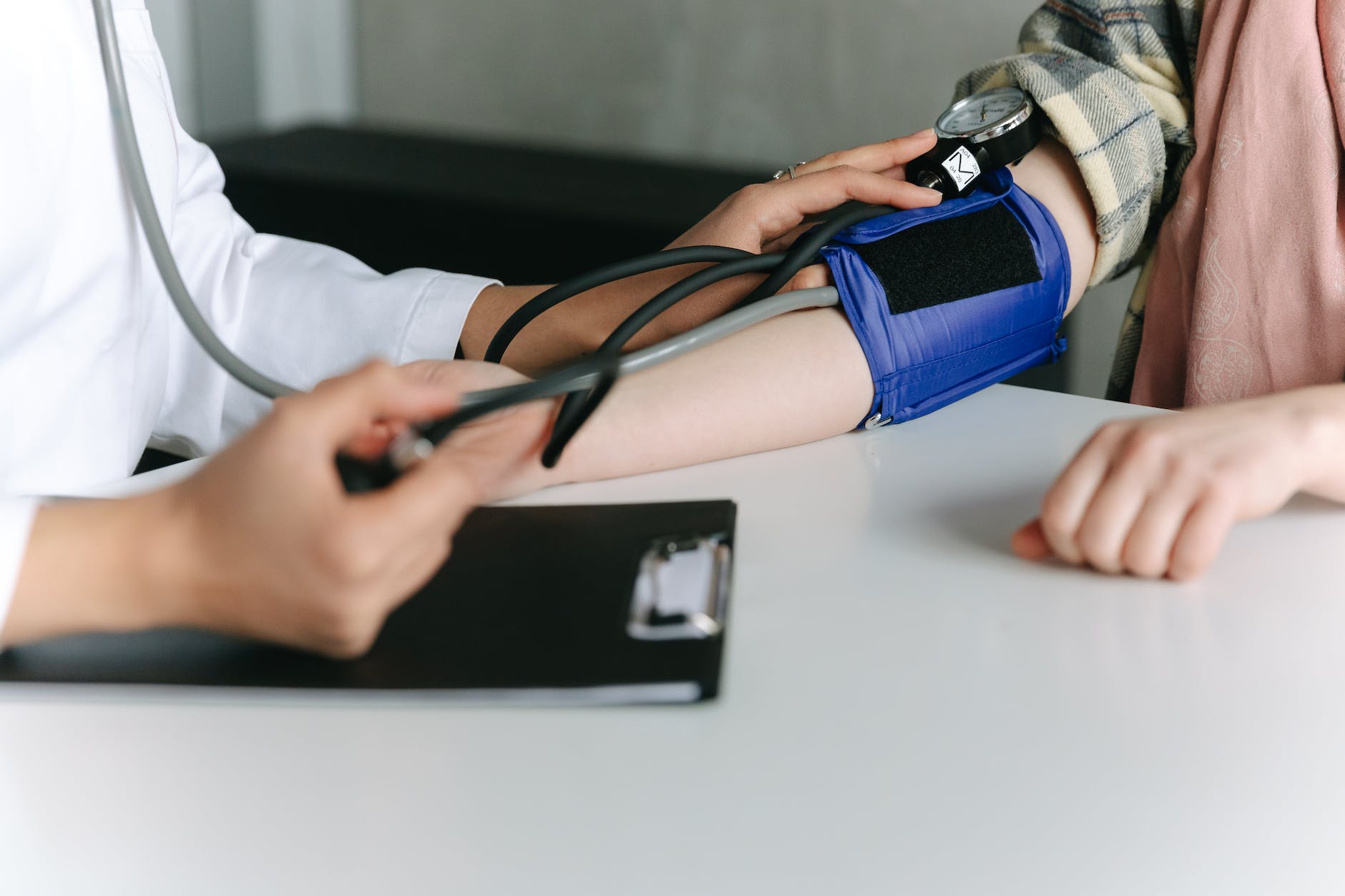
Photo by Thirdman on Pexels.com

Although most health complications relating to blood pressure often focus on high blood pressure (hypertension), low blood pressure (hypotension) is a significant issue that deserves attention. Low blood pressure is below 90/60 mmHg (systolic and diastolic). Hypotension can cause shock, a health condition characterized by confusion, weak pulse, and changes in skin coloration. Besides, some people may experience lightheadedness, fatigue, fainting, and difficulty concentrating. Low blood pressure is a serious medical issue requiring adequate attention.

Medical conditions, medications, and age are the primary causes of low blood pressure. Pregnancy, blood loss, heart problems, dehydration, lack of vitamin B-12 in diet, and severe infections are some medical conditions leading to hypotension (Cautela et al., 2020). Besides, Cautela et al. (2020) adds that medications, such as diuretics, beta-blockers, antidepressants, and drugs treating Parkinson’s disease and erectile dysfunction can cause low blood pressure. Lastly, people older than 65 risks developing hypotension. The rationale for age as a risk factor is that elderly individuals are more likely to develop Parkinson’s disease and heart conditions that lower blood pressure. Health problems, medications, and age are the leading causes of low blood pressure.

People suffering from low blood pressure can improve their condition by drinking more water, using more salt, and taking hypotension medications. Increased water intake improves blood volume and prevents dehydration, resulting in increased blood pressure. In addition, taking more salt can help treat hypotension. However, individuals should first consult their healthcare provider to avoid heart complications. Lastly, medications like fludrocortisone boost blood volume, resulting in increased pressure. A person with low blood pressure can improve their health by drinking more water, using more salt, and taking hypotension medications.

Low blood pressure is a serious health issue because it results in shock, fatigue, and lightheadedness. Medical conditions, medications, and age are the leading causes of hypotension. Nevertheless, one may remedy this condition by drinking more water, using more salt, and taking hypotension medications. Low blood pressure requires serious attention, just like high blood pressure.

References

Cautela, J., Tartiere, J. M., Cohen-Solal, A., Bellemain‐Appaix, A., Theron, A., Tibi, T., & Girerd, N. (2020). Management of low blood pressure in ambulatory heart failure with reduced ejection fraction patients. European Journal of Heart Failure22(8), 1357-1365. https://doi.org/10.1002/ejhf.1835.

Cleveland Clinic, (n.d). Low blood pressure (hypotension). (Online image). https://my.clevelandclinic.org/health/diseases/21156-low-blood-pressure-hypotension.


Diet Pills: Are They Safe?

By Terrie Johnson| UAB Community Health & Human Services Intern

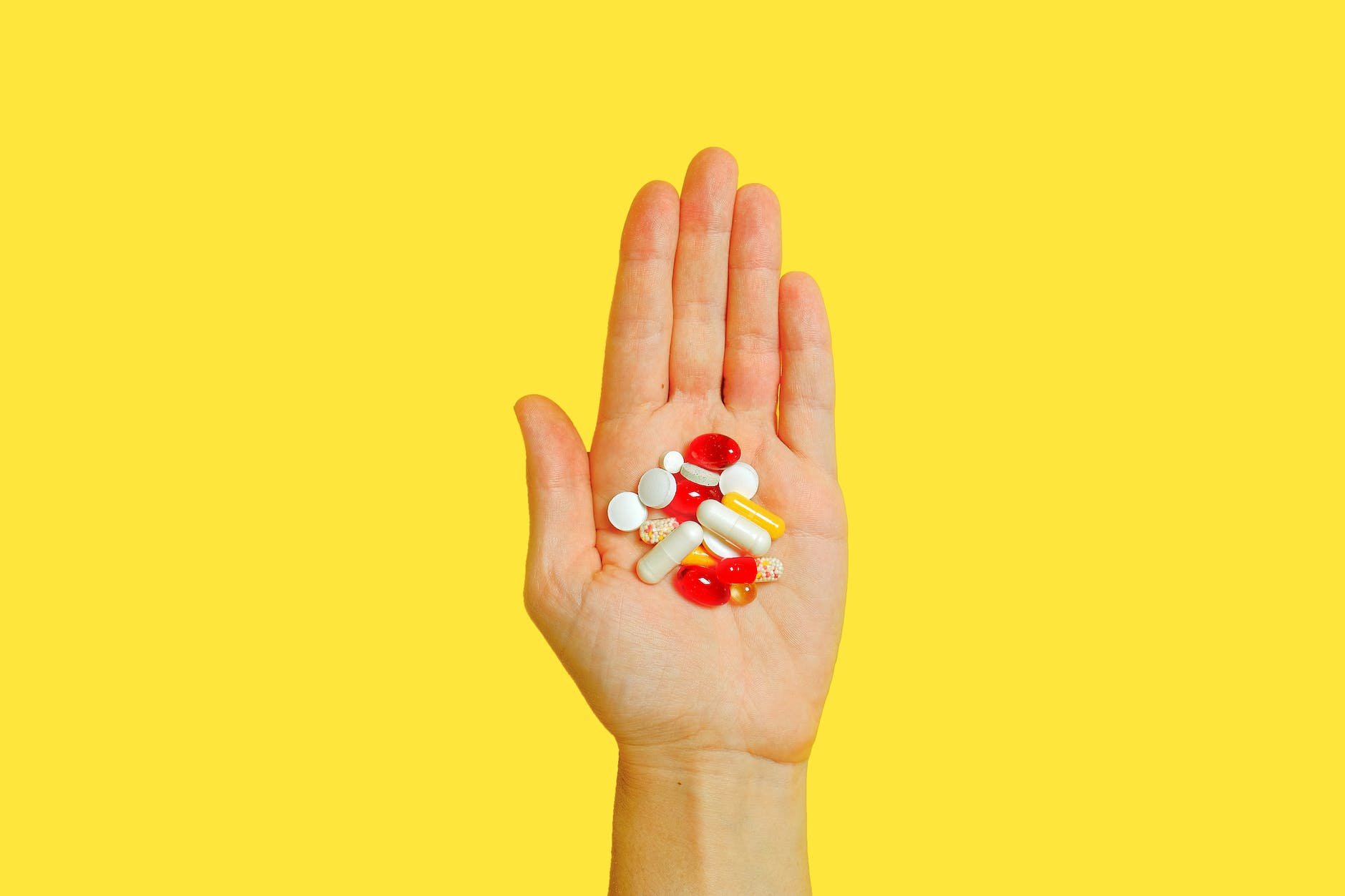
Photo by Yaroslav Shuraev on Pexels.com

Regarding losing weight, nutritionists and physical therapists usually recommend sustained periods of healthy eating and exercising. Notably, such activities require patience, discipline, and hard work. However, many people are unwilling to stay committed to the course. Instead, some individuals purchase unauthorized and unapproved slimming pills online, swayed by the “miracle” of quick weight loss. Nevertheless, these diet pills are unsafe and contain dangerous components. Although diet pills are unsafe, the desperation to lose weight makes people become reckless and risk their lives by taking the medications.

Diet pills cause more harm than good. Many weight loss pills have contaminated ingredients, are dangerous, and result in health complications. For example, in recent years, investigations into many weight loss products sold in the United States have found that they contain antidepressants, seizure medications, and laxatives. In addition, some slimming pills contain sibutramine, a stimulant that equally acts as an appetite suppressant. Dedov et al. (2018) reveal that sibutramine affected people’s blood pressure and did not help individuals to lose weight. In addition, fluoxetine is a prescription antidepressant; however, it is a key component in some slimming pills. Overall, the medications are dangerous and rarely work.

Although some people may still use diet pills regardless of their risks, the safest methods for losing weight include eating healthily and exercising. Consuming a high-fiber diet, eating fruits and vegetables, drinking plenty of water, avoiding unhealthy foods, and reducing alcohol intake can help one reduce weight (Miketinas et al., 2019). In addition, being active and exercising enables one to burn many calories, thereby reducing weight. Generally, eating healthily and exercising allow one to lose weight safely.

In summary, diet pills have become popular since they promise miraculous weight loss; however, they are unsafe. Most slimming pills are not approved by the FDA and contain dangerous ingredients. The only safe strategies for losing weight include healthy eating and exercising. People must not look for the easy way to lose weight but should put in the hard work and discipline.

References

Dedov, I. I., Melnichenko, G. A., Troshina, E. A., Mazurina, N. V., & Galieva, M. O. (2018). Body weight reduction associated with the sibutramine treatment: Overall results of the PRIMAVERA Primary Health Care Trial. Obesity Facts11(4), 335-343. https://doi.org/ 10.1159/000488880.

Miketinas, D. C., Bray, G. A., Beyl, R. A., Ryan, D. H., Sacks, F. M., & Champagne, C. M. (2019). Fiber intake predicts weight loss and dietary adherence in adults consuming calorie-restricted diets: the POUNDS lost (Preventing Overweight Using Novel Dietary Strategies) study. The Journal of Nutrition149(10), 1742-1748. https://doi.org/10.1093/jn/nxz117.

The Washington Post. (2019). The trouble with diet pills. They don’t work, and they can be unsafe. (Online Image). Health & Science. https://www.washingtonpost.com/national/health-science/the-trouble-with-diet-pills-they-dont-work-and-they-can-be-unsafe/2015/02/02/d3995022-7f1f-11e4-8882-03cf08410beb_story.html


The History Behind Carrie A. Tuggle Elementary School

Angela Wilson | Intern UAB School of Education | CHHS

Photo: Instagram | #carrieatuggleelementaryschool

The History Behind Tuggle Elementary School

Tuggle Elementary School is located in Birmingham, Alabama and has approximately 472 students from Pre-Kindergarten to fifth grade. Although it has been affiliated with The Birmingham City School System since 1926, many natives of Birmingham are oblivious to the remarkable history embedded in its name.

Tuggle Elementary School is named after Carrie A. Tuggle, a fierce innovator whose trailblazing efforts are still visible today.  She was born in 1858 in Eufaula, Alabama and subsequently married John Tuggle and had four children.  The couple eventually moved to Birmingham in search of better job opportunities.

Mrs. Tuggle excelled in education, social work, and religion, and found her calling when she began working with delinquent boys as a welfare officer.  After speaking on behalf of boys as young as ten years old, she was inspired to provide housing accommodations for orphaned black children.  She initially took them into her home, until she was able to open a single-building school in September 1903. Named The Tuggle Institute this facility allowed black, destitute orphans and juveniles to receive an education. She also used her courtroom experience to help create The Jefferson County Juvenile and Domestic Court. 

The Tuggle Institute garnered praise from the citizens of Birmingham and was noted for its substantial contributions to the advancement of black people.  Some outstanding alumni who credit Mrs. Tuggle for her influence include Dr. A. G. Gaston, John T. Wheatley, and Erskine Hawkins, to name a few. The Tuggle Institute became affiliated with the Birmingham City Public Schools in 1926. In 1936, The Board of Education named it the Carrie A. Tuggle Elementary School.

Carrie A. Tuggle died in November 1924 and is buried on the school’s ground. There is memorial plaque with these words inscribed: “Carrie A. Tuggle, a scholar, educator, and servant of mankind.” To learn more about Mrs. Tuggle and Carrie A. Tuggle Elementary School, check out https://alafricanamerican.com/beyond-the-book-honoree-archives/beyond-the-book-carrie-tuggle/

References:

Alabama Women’s Hall of Fame. Carrie A. Tuggle. http://www.awhf.org.

Beyond the book – Carrie A. Tuggle – Alabama African American history. Alabama African American History – sponsored by AT&T. (2022, January 14). https://alafricanamerican.com/beyond-the-book-honoree-archives/beyond-the-book-carrie-tuggle/


Unhealthy Relationships – Why Do Some Choose to Stay?

By Terrie Johnson | UAB Community Health & Human Services Intern

Photo by Alex Green on Pexels.com

The question, “Why are you still with him or her?” has been uttered in the quest to debunk the reasons why people choose to stay in unhealthy relationships. These reasons are usually consequences of internal and external factors.  

The overarching reason is the fear of loneliness; the victim fears being alone after leaving their relationship. Instead, they decide to stay and cope with abusive situations being optimistic and hoping their partners will change and the situations will become desirable with time due to emotional attachment.

Additionally, another common reason why some people choose to stay in rogue relationships is low self-esteem due to inferiority complex, shame, and fear of change (George et al., 2020). In this case, the victims feel they do not deserve something or someone better. Therefore, they opt not to leave their toxic partners as a means of self-preservation.

In cases of normalized abuse, especially in gender-based violence (GBV), victims have gotten accustomed to violence, physical assault, harassment, and psychological torture. As a result, they cope with the situation to the extent they neither feel the pain anymore nor see a good reason to leave their abusive relationships.

Other controversial reasons many people choose to stay rather than leave, are marital status and dependency. In many cases today, numerous people decide not to break up for the sake of their children or are legally married, hence avoiding divorce for their own personal reasons. For instance, women may perceive leaving their unhealthy relationship as problematic due to dependency on their husbands; thus, leaving will overburden them with responsibilities to look after the children, especially if they are unemployed or housewives.

The fear of societal judgement, embarrassment, shame of leaving their marital homes, and even lack of resources are all reasons why some stay in unhealthy relationships (Cavanagh, 1996). Finally, other factors that prevent some people from leaving are disability and fear or intimidation by their partners threatening them to stay. This stems from the victim being considered inferior and the abuser taking a narcissistic stance.

In hindsight, staying in an unhealthy relationship stems from numerous correlated factors. These factors are either inherent, implying that they result from the victim’s character, including low self-esteem or extrinsic, resulting from external factors such as societal norms and attitudes.

If you or someone you know is in an abusive relationship, please call The National Domestic Violence Hotline: 800.799.SAFE (7233) or visit https://www.thehotline.org/

References

Cavanagh, M. E. (1996). Why do people remain in abusive relationships? Pastoral Psychology44(5), 285-293. https://doi.org/10.1007/BF02262819

George, T., Hart, J., & Rholes, W. S. (2020). Remaining in unhappy relationships: The roles of attachment anxiety and fear of change. Journal of Social and Personal Relationships37(5), 1626-1633. https://doi.org/10.1177/0265407520904156


What Causes Hiccups and What’s the Cure to Stop Them?

By Terrie Johnson| Intern and UAB Community Health and Human Services Student

Photo by Brian Andrew on Pexels.com

Medically, hiccups are synchronous diaphragmatic flutters or involuntary contractions of the diaphragm and the larynx. After each diaphragmatic contraction, the voice box simultaneously closes, resulting in a “hic” sound (Eroglu, 2018). Hiccups challenge eating or drinking, which may lead to energy loss and dehydration. Although many adults recover from hiccups within minutes, this medical problem can become serious in infants, especially if it lasts more than 2 hours. Overall, hiccups occur when the diaphragm involuntarily contracts.

Adults’ primary causes of hiccups include dietary complications, medications, and some medical conditions. Consuming spicy meals may irritate the phrenic nerve while overeating and could result in stomach distension (Eroglu, 2018). Besides, drinking carbonated drinks and alcohol could cause gas in the stomach, which creates pressure on the diaphragm. In addition, medications such as opiates and medical conditions, including gastro-esophageal reflux disease (GERD), pneumonia, and pleurisy of the diaphragm, may cause hiccups. Lastly, in infants, changes in stomach temperature, swallowing too quickly, overfeeding, GERD, or asynchronous breathing and swallowing may cause hiccups. Overall, hiccups result from dietary complications, medical conditions, medications, and feeding problems.

In most instances, hiccups disappear after some minutes; however, if they persist, a person may adopt some strategies to mitigate the problem. Those strategies include sipping cold water slowly, placing gentle pressure on the diaphragm, biting a slice of lemon, gently pulling on the tongue, sitting down and hugging knees, and swallowing granulated sugar, among other strategies. Although there is no research backing the effectiveness of these approaches, different human generations have passed these tips on to the next, implying they help eliminate hiccups. Normally hiccups go away after a few hours; nevertheless, one can adopt the above strategies to end an episode of hiccups that lasts longer.

In summary, almost everyone experiences hiccups, which is an involuntary diaphragm contraction. The condition sometimes makes it challenging to eat or drink food. The primary causes of hiccups include dietary complications, medications, and some medical conditions. Feeding problems are the primary source of hiccups in infants. Nevertheless, one may get rid of a persistent hiccup by sipping cold water slowly, biting on a piece of lemon, and pulling the tongue, among other approaches. When you experience hiccups, what strategies do you use to end them?

References

Eroglu, O. (2018). The effect of gender differences in protracted hiccups. Nigerian Journal of Clinical Practice21(10), 1356-1360. https://doi.org/10.4103/njcp.njcp_101_18.


What are Skin Tags?

By Terrie Johnson| Intern and UAB Community Health and Human Services Student

Photo by Almada Studio on Pexels.com (figure 1)

Skin tags are non-cancerous growths that appear like clusters on the skin. Most adults, especially older ones, develop them as they age. The tags are harmless, painless, and do not result in medical complications. Nevertheless, they are unsightly, especially in visible areas like the face and neck. Consequently, an individual may become self-conscious. Although skin tags are harmless, they may affect someone’s self-esteem.

Although skin tags are often small, usually between 1-5 mm, they can become larger (figure 1). They appear as parts of the skin tissue extending outwards, held by a thin stalk (Tripathy et al., 2019). They occur when the extra cells on the top layer of the skin are released. Subsequently, the additional cells in skin folds form harmless growths as the skin rubs against itself. In most cases, skin tags grow in the armpits, eyelids, genitals, neck, and beneath the breasts. In general, skin tags are non-harmful growths that form on the skin due to the production of extra cells.

 An individual should contact a dermatologist for removal procedures. The skin specialist may typically remove the skin tags by freezing them with liquid nitrogen, cutting them off using sharp instruments like a scalpel, and cauterization (Syed et al., 2021). Ideally, a person may try to remove the tags at home; however, dermatologist caution against this idea because one may bleed excessively or become infected. Thus, the recommended skin tag removal procedures include freezing, cutting, and heating them.

In summary, skin tags are common in aging adults. The growths are harmless, but unsightly when they occur in visible body parts like the face and neck. They result from excess cells released by the body. The primary strategies for removing skin tags include freezing, burning, and cutting them. One should not attempt to remove them at home due to the risks of bleeding and infection.

References

Healthdirect. (2022). Skin tags (online image). https://www.healthdirect.gov.au/skin-tags

Syed, S. Y. B., Lipoff, J. B., & Chatterjee, K. (2021). Acrochordon. In StatPearls [Internet]. StatPearls Publishing. https://www.ncbi.nlm.nih.gov/books/NBK448169/.

Tripathy, T., Singh, B. S., & Kar, B. R. (2019). Association of skin tag with metabolic syndrome and its components: A case–control study from Eastern India. Indian Dermatology Online Journal10(3), 284. https://doi.org/10.4103/idoj.IDOJ_238_18.


The Health Effects of Vitamins

By Jaelyn Copeland | UAB Community Health and Human Services Intern

Photo by Anna Shvets on Pexels.com

Vitamins and minerals are critical for several important bodily functions. Often referred to as micronutrients, vitamins and minerals are not produced in the body. Instead they are commonly consumed through food or supplements (CDC, 2022).

The berry of the black elder tree, or Sambucus nigra, known as elderberry, is full of antioxidants that we need to sustain a healthy lifestyle. Although it is native to Europe, the black elder tree can also be found in North America, some regions of Asia, and Africa. Elderberry has been used in traditional medicine to promote general health for years. Whether it is used as an extract or juice concentrate from the whole fruit, elderberry is now frequently used in dietary supplements. Products containing elderberry are primarily marketed to support immune health. It also helps alleviate symptoms of respiratory illnesses, including the common cold, the flu, and COVID-19.

There are several different formulations of elderberry supplements; including syrups, pills, and lozenges. Numerous goods are sold expressly to children, notably those that come in chewable or gummy form. Additionally, some products combine the berries with other components of the black elder tree, most frequently elderflower. Elderberry may be hazardous if improperly prepared.

The stems and leaves of the elder tree, as well as unripe elderberries, contain cyanide-producing substances that can be poisonous if consumed. These chemicals can be eliminated through cooking, but many homemade elderberry recipes do not call for enough heat to completely evaporate all toxins, making them more likely to have negative effects than over-the-counter remedies. 

There have been more complaints of elderberry products recently being contaminated. If you’re thinking about taking an elderberry supplement, please talk to your doctor first make sure the product you choose has received third-party certification.

References

Centers for Disease Control and Prevention. (2022, February 1). Micronutrient facts. Centers for Disease Control and Prevention. Retrieved February 8, 2023, from https://www.cdc.gov/nutrition/micronutrient-malnutrition/micronutrients/index.html

Elderberry: A dietary supplement for immune health? opss. (n.d.). Retrieved December 6, 2022, from https://www.opss.org/article/elderberry-dietary-supplement-immune-health


There Is Hope: Foster Parents Are Needed

By Jessica Feagin | Intern and UAB Community Health and Human Services Student

Photo by Kindel Media on Pexels.com

Did you know that there are approximately 6,000 children in foster care in Alabama (“Foster care,” n.d.)? Some children need foster care for a few days, and others for some time until they are reunited with their biological families or adopted. It is important that children in foster care be placed in a nurturing and secure environment and are provided the love and care that they deserve.

You could be a foster parent if you are 19 years old, can provide a safe environment for the child, your home conforms to the standards for foster family homes, household members are in good health, and all household adult members are willing to undergo a background check. If you are interested in fostering, as an applicant, you must complete 30 hours of preparation course to receive information on fostering. As foster parents, you can care for a maximum of six children at once if you have the space in your home. Each child and foster family will have an assigned social worker for support. Families will also receive a monthly payment for room and board (“Foster care,” n.d.).

Fostering is rewarding for both foster families and the child that needs care and love at that particular time. Children in foster care must know they are loved, valued, and have worth. When I was a nurse on a mother/baby unit, I noticed that many children went into the Department of Human Resources foster care system, and I knew that I had to do something. I went home and talked with my husband about how we should open our home to foster children that need a loving and stable home. He agreed; we have been foster parents for one and a half years. We have had several children in and out of our home, and we have loved each child as our own biological child.

If you think you and your family will be willing to open your home to foster children needing a stable home, fill out a foster care inquiry form at Foster Care – Alabama Department of Human Resources. Will you make a difference in a child’s life that is in need for a loving home? There is hope for every child in foster care.

References

Foster care. (n.d.). Alabama Department of Human Resources. https://dhr.alabama.gov/foster-care/


Preeclampsia Prevention in African American Women

Ashley Peoples | UAB School of Education Community Health & Human Services Intern

Photo by Thiago Borges on Pexels.com

Preeclampsia is a condition where the blood pressure of a pregnant women increases beyond the normal range. So, how do African American women prevent preeclampsia? The first step to preventing preeclampsia is education.

Maintaining blood pressure is one of the keys to preventing preeclampsia and is something African American should be aware of. The article “Preeclampsia” states women who have a top blood pressure that is 140 or greater and bottom blood pressure of 90 and greater are at higher risk (Karrar & Hong, 2023). The CDC suggests women buy a at home blood pressure machine, and keep it monitored.

Karrar and Hong states “Like hypertensive disorders, the incidence of preeclampsia is correlated to ethnicity and race, most prevalent among African American”. Exercise is another preventive method for preeclampsia. Exercise can improve blood pressure and help keep it maintained. The BMC Public Health states “After a 12-week exercise intervention among healthy and nonactive pregnant women, the changes in resting blood pressure between intervention and baseline were assessed, and the researchers found that regular, long-term physical exercise significantly reduced resting systolic blood pressure” (Zhu et al., 2022).

I encourage all African American women to who are pregnant (or planning to get pregnant) to educate themselves on preeclampsia. I hope that this blog can help many African American women avoid the risks that come with preeclampsia. When we educate ourselves, we make a difference in our own health.

References:       

Karrar, S., & Hong, P. (n.d.). Preeclampsia – statpearls – NCBI bookshelf. https://www.ncbi.nlm.nih.gov/books/NBK570611/

Centers for Disease Control and Prevention. (2023, June 19). High blood pressure during pregnancy. Centers for Disease Control and Prevention. https://www.cdc.gov/bloodpressure/pregnancy.htm

Zhu, Z., Xie, H., Liu, S., Yang, R., Yu, J., Yan, Y., Wang, X., Zhang, Z., & Yan, W. (2022). Effects of physical exercise on blood pressure during pregnancy. BMC Public Health, 22(1). https://doi.org/10.1186/s12889-022-14074-z


The Health Benefits of an Infrared Sauna

Jessica Feagin | UAB School of Education Intern

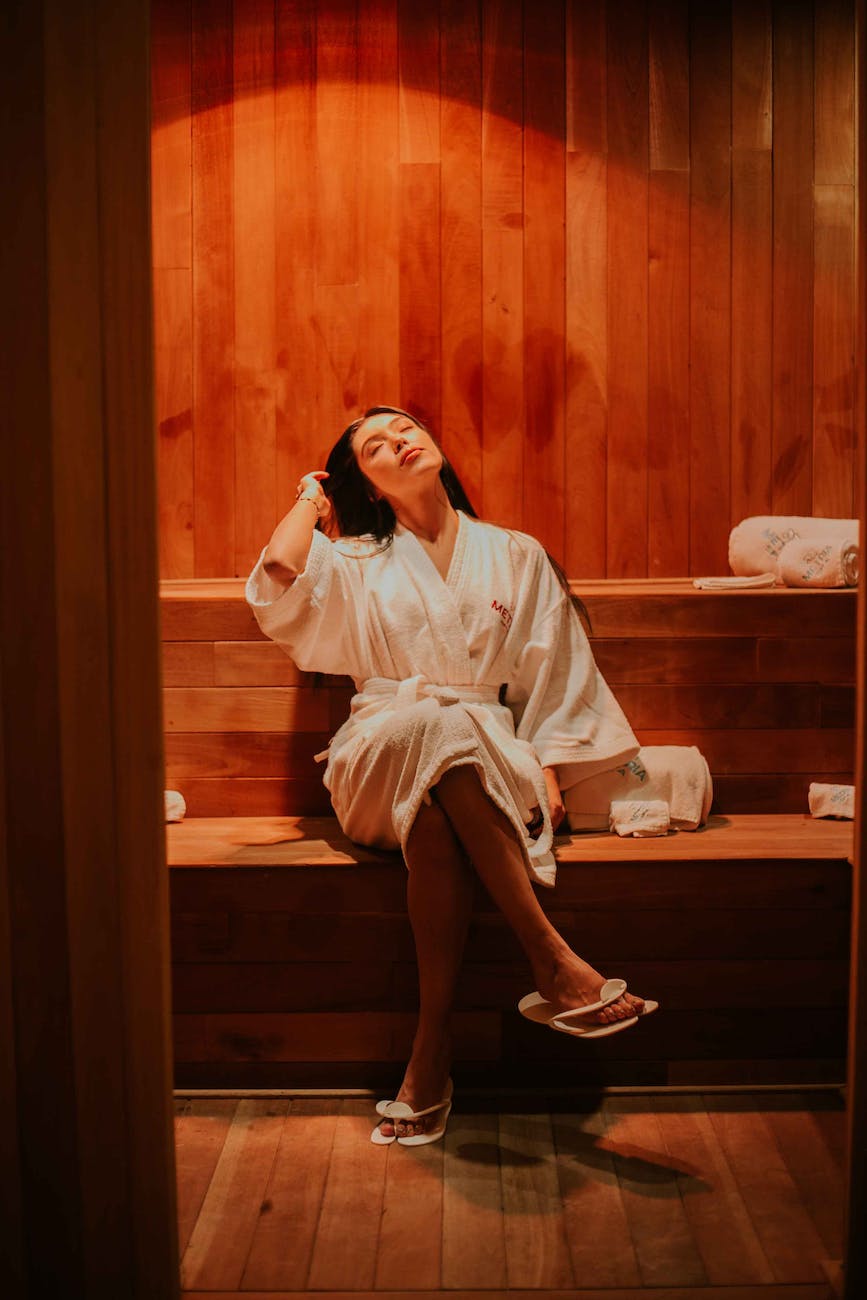
Photo by Amar Preciado on Pexels.com

An infrared sauna uses steam or heat to create an environment that will increase your core body temperature. While using an infrared sauna, you’ll sweat, and your heart rate will increase to pump more blood to your skin, which is your body’s way of cooling you down. An infrared sauna mimics the effects of physical activity and provides similar health benefits as exercise (“Health benefits of infrared saunas,” 2021).

It has been shown in studies that infrared saunas can help boost heart health and decrease blood pressure. Researchers compared the physical response of a sauna session to a moderate-paced walk. An infrared sauna can speed up muscle recovery following exercising for improved blood circulation. Infrared saunas can also be used for meditation and help decrease stress, anxiety, and depression. Better sleep has also been linked to sauna use. There is evidence that using an infrared sauna regularly can help avoid the common cold and reduce oxidative stress related to cardiovascular disease, degenerative diseases, and cancer (“Why infrared saunas are ‘Cooler’ than traditional saunas,” 2022).

Healthline (Lindberg, n.d.) has provided some tips on how to use an infrared sauna:

  • Make sure you are hydrated before going into the sauna. You can bring water into the sauna with you.
  • If it is your first time using the infrared sauna, you want to start at 100 degrees Fahrenheit for a few sessions and increase the temperature each session until you reach 150 degrees Fahrenheit.
  • For the first session, start with 10 to 15 minutes. Afterward, you can add time to each session until you reach the recommended time of 20 to 30 minutes.
  • You can dress in whatever you decide. Some people prefer to go naked, and some wear bathing suits.
  • After your session, it is recommended that you take your time and let your body cool down. After your body cools down, feel free to take a shower.
  • It is recommended to use the sauna three to four days per week.
  • Avoid using the sauna if you’ve been drinking alcohol
  • If you feel lightheaded when you stand up while getting out, make sure you get up slowly and sit down once you get out. Make sure to drink your water.

My husband purchased a portable infrared sauna from Amazon to be used in our home. After using the sauna, I feel relaxed, and I feel that it has helped with my weight loss journey. In addition, my husband feels the infrared sauna has helped improve his knee pain due to blood circulation from using the sauna. Everyone may experience different effects from using an infrared sauna. However, it has known health benefits, so it won’t hurt to try it. It can be purchased online, and it can be found in some fitness spas. Have you experienced using an infrared sauna?

References

Health benefits of infrared saunas. (2021, April 29). WebMD. https://www.webmd.com/balance/health-benefits-of-infrared-saunas

Lindberg, S. (n.d.). Infrared sauna benefits: 9 reasons saunas are good for your health. Healthline. https://www.healthline.com/health/infrared-sauna-benefits

Why infrared saunas are ‘Cooler’ than traditional saunas. (2022, April 14). Cleveland Clinic. https://health.clevelandclinic.org/infrared-sauna-benefits/