Treating Anxiety – What to do when you feel anxious.

By Terrie Johnson | UAB Community Health & Human Services Intern
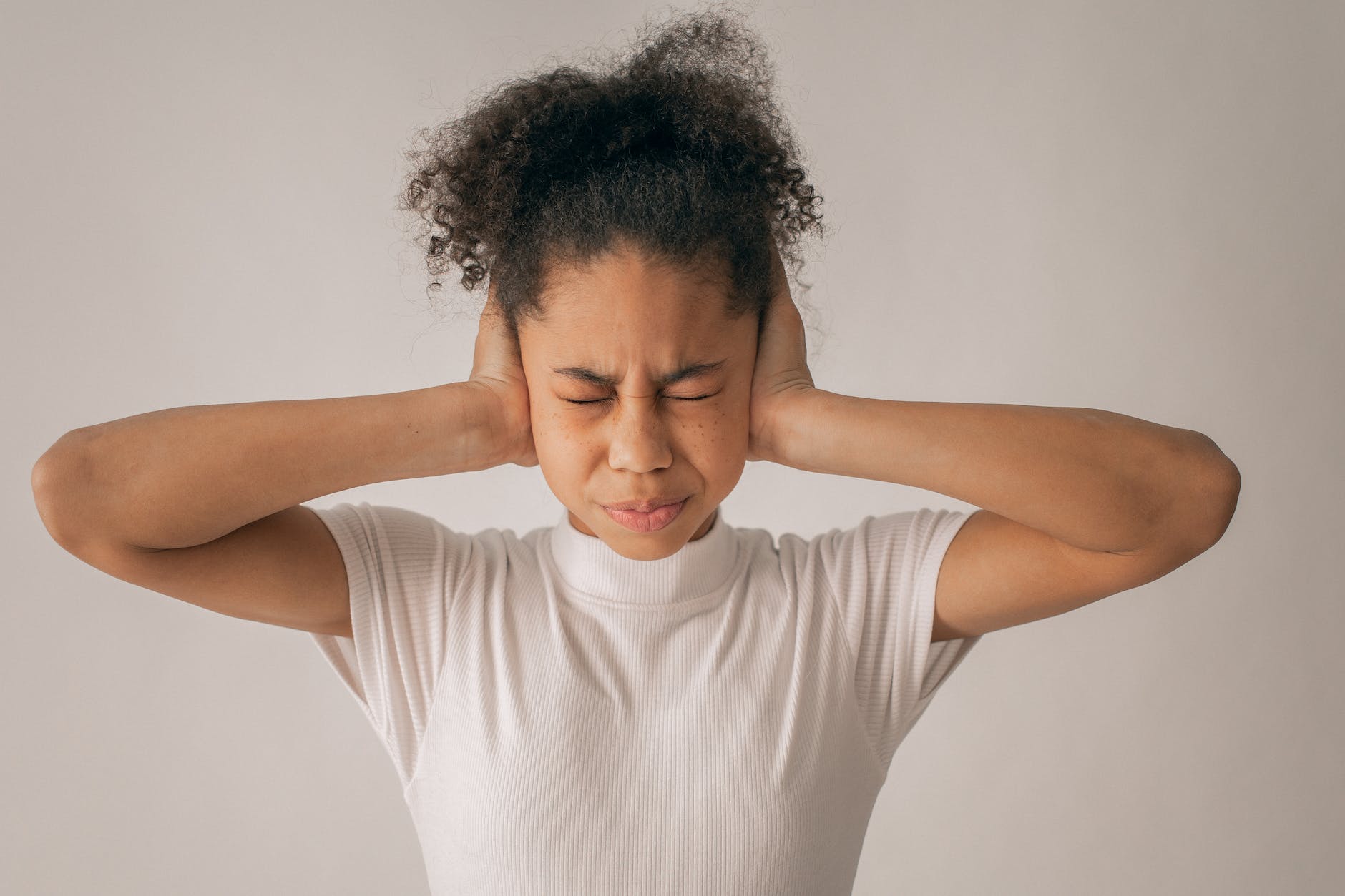
Photo by Monstera on Pexels.com

According to Mental Health America, 1 in 5 people experience anxiety. Anxiety is a mental health state frequently experienced by people all over the world. According to Medline Plus in the NIH National Library of Medicine, anxiety is the feeling of fear, distress, concern, and panic (Anxiety, 2023). When people are anxious, their heart rate increases and their muscles are tense. This is how the body responds to stressful events, thoughts or encounters. It is also the body’s way of coping with overwhelming difficulties that can temporarily cause other health issues.

When anxiety reaches extreme extents, it can lead to the development of anxiety disorders, phobias, or panic attacks. However, anxiety disorders involve more than temporary worry or fear, and can get worse over time. There are many types of anxiety disorders, including generalized anxiety disorder, panic disorder, and various phobia-related disorders (Anxiety disorders, 2023).

Symptoms can interfere with regular daily activities and often include increased breathing, feeling as if a heart attack is occurring, and signs of weakness. The most common challenges people with anxiety face include relationships, school, work, health, or money.

How can we treat anxiety?

Cognitive Therapy Treatment- This is considered a very effective recommendation. This psychological approach teaches people to think differently to change how they act. When people are trained to react with confidence and assurance, they can prevent being afraid and being overtaken with fear.

Avoiding Triggers- Such as talking about bothersome subjects and eliminating aspects of life that provoke fear.

Seek Psychiatric Treatment- In some cases being prescribed antidepressants may reduce symptoms, increase productivity, and promote a sense of normalcy.

Relaxation Methods- Practices such as meditation, yoga, and other relaxing activities may help slow the heart rate down and help refocus the mind. Additionally, learning breathing techniques can assist during a panic episode.

What tips do you have for handling anxiety?

References

Anxiety disorders. (n.d.). Retrieved March 28, 2023, from https://www.nimh.nih.gov/health/topics/anxiety-disorders

How common is anxiety?. Mental Health America. (2022, October 7). https://screening.mhanational.org/content/how-common-anxiety/

Medline Plus. (2020). Anxiety. NIH National Library of Medicine. https://medlineplus.gov


Heart Disease Ranks Number One Killer of Women

By Terrie Johnson | UAB Community Health & Human Services Intern

Photo by Karolina Grabowska on Pexels.com

Heart disease refers to several kinds of illnesses that affect the cardiovascular system. In the United States (U.S.), it is the most common condition responsible for heart attack and high mortality rates. Based on the prevalence rates, heart disease is the number one killer of women in the U.S. (CDC, 2023). Its occurrence among women is instigated by conditions such as heart attacks, arrhythmia, and heart failure. As such, heart disease leads to low quality of life and high mortality among women.

The heart disease condition has had impacts on people close to me. A month ago, I lost a childhood friend to the disease. While on a family vacation in Florida, she experienced a medical emergency. On arrival at the hospital, she was diagnosed with a heart attack. The caregivers medically induced her into a coma. Unfortunately, she did not make it. Since she was a close friend, I attended her funeral. I stood by the graveside during the burial and reflected on our childhood. I could remember us playing and enjoying our childhood. At that time, we were young, innocent, free from worries, and avoided stress or health problems. Our parents were critical of our health and safety. As such, we were always healthy.

As I stood by the graveside, I could reflect on how those days were filled with playing, running, laughing, and hugging my friend. Foundationally, we were happy without a care in the chaotic world. After losing my friend, the situation made me think about my health and mortality. It was at this point that I realized my day was also coming. At that moment, God will call me home, and I hope I would have been good, forgiving, loving, and merciful, and asked for forgiveness for whatever sins I have committed and made it to heaven.

Heart disease ranks as the number one killer of women in the United States. According to the CDC, learning about heart disease and ways to keep a healthy heart is essential. You can keep a healthy heart by managing your stress levels, knowing your blood pressure, checking for diabetes, knowing your cholesterol, quitting smoking, being physically active, and choosing healthy foods and drinks (CDC, 2023). As women, our heart health is important.

Reference

Lower your risk for the number 1 killer of women. (2023, February 3). Centers for Disease Control and Prevention. https://www.cdc.gov/healthequity/features/heartdisease/index.html


What are the Stressors in Your Life and How Do You Relieve Them?

By Terrie Johnson | UAB Community Health & Human Services Intern

Photo by Andrea Piacquadio on Pexels.com

Everyone has something that contributes to the stressors in their life. My stressors include getting up early in the morning for work, which is often hard to execute. In most cases, I stay up late doing schoolwork. As such, it becomes hard waking up early to attend to other critical duties. Additionally, driving in heavy traffic on the way to work drains me emotionally. Often, my stress comes from there being many people driving fast and crazy on the interstate. This experience scares me since I never want to be involved in an accident and experience a catastrophic injury. School is also a stressful environment for me because I am taking four classes. This issue means I have many assignments that I must work on and submit on time. Sometimes, the workload is too much leading to the experience of burnout. The requirements by the professor that I deliver schoolwork on time also weigh me down with stress.

Despite experiencing the above stressors, I have numerous strategies that help me relieve them. For example, I sometimes ensure that I seek more sleep, especially during the weekends. According to Mayo Clinic (2023), this initiative is necessary since it allows the body and the brain to recharge. Thus, when I wake up the next day, I always feel stress-free and with energy. I also learned to plan my time so that I avoid traffic in some cases. This initiative has also been instrumental in scheduling my studies. Therefore, I rarely experience schoolwork overload on some weekdays. On the interstate, I try to be careful and assert that I can drive amidst crazy drivers. This self-confidence improves my ability to drive my car while experiencing less fear on the road. The above approaches continue to provide the impetus for reduced stress in my life.  What stressors do you experience and how do you relieve them?

Reference

Mayo Clinic. (2023). Stress relievers: Tips to tame stress. Mayoclinic.org. Retrieved from https://www.mayoclinic.org/healthy-lifestyle/stress-management/in-depth/stress-relievers/art-20047257


Do You Know the Impact of Social Media on Children?

By Terrie Johnson | UAB Community Health & Human Services Intern

Photo by Ron Lach on Pexels.com

Social media has become an integral part of our lives, revolutionizing how we communicate. However, the time children spend on social media increases, which causes concerns among parents and educators. This article discusses the potential effects of social media on children’s mental and physical health, so it can help you evaluate your knowledge regarding this topic.

Many believe that excessive use of social media can cause mental health disorders such as depression, anxiety, and stress in children. Fortunately, people who think so are likely wrong since most studies found no link between using social media and developing depression or increasing symptoms (Hartanto et al., 2021). Using social media also does not contribute to the development of anxiety and psychological distress in children. However, when a child spends too much time on social media or shares excessive personal data, their parents should be concerned. Most studies are consistent in their conclusions regarding strong associations between addiction to social media and depression in adolescents (Keles et al., 2020). Although social media cannot cause mental health disorders, excessive use might indicate depression.

The negative impact of social media on children’s mental health might be exaggerated, but other concerns are more reasonable. They include risks associated with cybersecurity since children are more vulnerable to online predators and scams, which endangers their safety and privacy. Moreover, social media might expose excessive personal information, resulting in identity theft. Other concerns are associated with excessive online time because it can reduce children’s physical activity. Hence, parents and educators must promote a healthy lifestyle and responsible social media use to mitigate these risks.

Despite the concerns regarding the impact of social media on children’s mental health, using it cannot cause mental disorders or contribute to their development. However, parents should consider the time spent on social media and activities to ensure their child is not exposed to risks associated with addiction or lack of cybersecurity. By promoting responsible social media use among children, educators and parents can minimize these risks and help children benefit from the positive aspects of social media use.


References

Hartanto, A., Quek, F.Y.X., Tng, G.Y.X., & Yong, J.C. (2021). Does Social Media Use Increase Depressive Symptoms? A Reverse Causation Perspective. Frontiers Psychiatry, 12. Doi: 10.3389/fpsyt.2021.641934/

Keles, B., McCrae, N., & Grealish, A. (2020). A Systematic Review: the Influence of Social Media on Depression, Anxiety and Psychological Distress in Adolescents. International Journal of Adolescence and Youth, 25(1), 79-93. Doi: 10.1080/02673843.2019.1590851


Say No to Bullying!

By Jessica Feagin | Intern and UAB Community Health and Human Services Student

Photo by RDNE Stock project on Pexels.com

According to the Centers for Disease Control and Prevention, bullying is any unwanted aggressive behavior by another youth or group of children (CDC, 2022). Bullying may include social, psychological, educational, and/or physical harm on the targeted youth. Common types of bullying include physical (kicking, tripping, and hitting), verbal (teasing and name-calling), social (spreading rumors and being left out of a group), and damage to the victim’s property. Bullying can also occur via cell phones and online.

Physical injury, emotional stress, self-harm, and even death can result from bullying. Bullying increases the risk of anxiety, depression, lower academic achievement, and dropping out of school. Youth who bully other youth are at risk for academic problems, substance abuse, and experiencing violence when they are older. Youth who bully others and are bullied themselves are at greater risk for behavioral and mental health problems. It has been reported that bullying is a discipline problem that occurs weekly or in some cases daily, in approximately 14% of public schools (CDC, 2022).

The American Psychological Association recommends several ways teachers, parents, and students can address bullying (APA, 2011). Teachers must remember that bullying typically occurs in the bathroom, playground, hallways, and school buses. If teachers notice bullying, they must immediately stop it and inform school administrators. Teachers should remind their students that bullying is not acceptable and there will be consequences for such behaviors. Parents of kids that are possibly bullied should observe their child for signs so they can take appropriate actions to rectify the situation. Some signs of bullying are decreased appetite, nightmares, anxiety, depression, ripped clothing, and hesitation about attending school. It is essential to let your child know that you will help them. As parents, you could also work with your child and teach them to ignore a bully and develop assertive strategies for coping with bullying. Students need to inform their parents or any trusted adult of any form of bullying.

Bullying can impact those being bullied, and it is critical to identify and prevent it to provide a safe and nurturing environment for our youth. Say No to Bullying!

References

Fast fact: Preventing bullying. (2022, April 14). Centers for Disease Control and Prevention. https://www.cdc.gov/violenceprevention/youthviolence/bullyingresearch/fastfact.html

How parents, teachers, and kids can take action to prevent bullying. (2011, January 1). https://www.apa.org. https://www.apa.org/topics/bullying/prevent


Do You Think You Can Dance? Dancing Yourself to Good Health

By Jessica Feagin | Intern and UAB Community Health and Human Services Student

Photo by Kampus Production on Pexels.com

Most people love to dance! “Whether you’re 80 years young or 8 years old, engaging in physical activities that involve dance changes you” (Lindberg, 2019). Dancing can occur at celebrations, ritualistic ceremonies, and in the home. Dancing can be a form of self-expression and recreation. In addition, dancing can be enjoyable for people to stay fit, regardless of age, size, or shape. According to the Department of Health & Human Services (2007), dancing has many health benefits physically and mentally such as:

  • Increased muscle tone, strength, and endurance
  • Weight management
  • Stronger bones and decreased risk of osteoporosis
  • Improved balance
  • Improved mental functioning
  • Improved condition of your lungs and heart
  • Physical confidence
  • Psychological wellbeing
  • Greater self-esteem and self-confidence
  • Better social skills
  • Better coordination and flexibility
  • Increased aerobic fitness

To help get started with dancing, you can choose a style of dance that interests you and take a class at a dance studio. You can even search for dance videos on YouTube and learn new styles for free! There are many types of dances to try, such as line dancing, salsa, ballroom, jazz, ballet, and belly dancing. You can even take a class at a fitness facility and take dance-related fitness classes such as Zumba, hip-hop, cardio-dance. Don’t let age or ability stop you, there are YouTube Videos for older adults (and beginners) as well as classes such as dance classes offered as part of the Silver Sneakers program offered at the YMCA. Personally, I enjoy Zumba and take a class at a local community center.

If you decide to take up dancing, first visit your doctor if you have a medical condition, or health concern. Make sure to drink plenty of water while dancing, stretch and warm up before the dance session, following the session with a cool down or rest. Other tips suggest that you wear appropriately fitted shoes, pace yourself, make sure your form is correct, move fluidly as you can, and enjoy yourself (Department of Health & Human Services, 2007).

Do you like to dance? If so, grab your partner or friend and try a dance style you think you will enjoy, and let’s dance our way to good health!

References

Department of Health & Human Services. (2007, July 31). Dance – health benefits. Better Health Channel. https://www.betterhealth.vic.gov.au/health/healthyliving/dance-health-benefits

Lindberg, S. (2019, May 10). Benefits of dance: 8 benefits for adults and kids. Healthline. https://www.healthline.com/health/fitness-exercise/benefits-of-dance


Did You Know that Plants Can Help Reduce Stress?

By Terrie Johnson | UAB Community Health & Human Services Intern

Photo by Cottonbro Studio on Pexels.com

Plants are essential in relieving stress due to their mood-boosting properties. They provide a positive experience beneficial to a person’s mental and physical inclinations (Gu et al., 2022). The four most common plants that are known to reduce stress are Lavender, Jasmine, Lemon balm, and Rosemary.

Lavender is one of the plants that help reduce stress. It contains a rich fragrance that boosts an individual’s mood once inhaled. Lavender’s floral smell is stipulated to have a calming effect, which decreases the experience of stress (Thrive, 2023). Consequently, it can be planted in one’s green space to help create positive moods.

Jasmine is also a stress-relieving plant because of its fragrant flowers. Even though it is identified as a shrub, it gives rise to flowers that release a pleasant smell (Thrive, 2023). Thus, when the fragrance is inhaled, an individual experiences a positive mood. This feeling reduces stress and increases contentment with the surroundings (Gu et al., 2022). Jasmine flowers are also colorful, which makes them visually therapeutic. Thus, they help to advance emotional and mental relaxation that reduces stress.

Lemon balm is recognized as one of the plants with positive effects on stress reduction. When used as an herb, its leaves release tantalizing flavors with calming effects (Thrive, 2023). The relaxing properties advance the mitigation of stress and its related issues. Lemon balm also has purple flowers that appear during summer. Their relevance is the provision of visual relaxation, which combats stress. Therefore, the use of this plant would reduce the condition.

Rosemary is a plant that can be used to trigger benefits that limit the experience of anxiety. In the green space, it transforms the atmosphere with its scent. Since it belongs to the mint family, it releases a fresh fragrance (Thrive, 2023). The resultant smell has positive psychological impacts. For example, when inhaled, the fragrance calms the body. It also energizes the mind, which shifts one’s thoughts from stress. Therefore, it is a meaningful plant that would advance the experience of positive outcomes.

The look of plants and how they feel, and smell can impact people in many ways. Plants can quickly improve mood. Do plants have a positive effect on you?

References

Gu, J., Liu, H., & Lu, H. (2022). Can even a small amount of greenery be helpful in reducing stress? A systematic review. International Journal of Environmental Research and Public Health, 19(16), 9778. https://doi.org/10.3390/ijerph19169778

Thrive. (2023). Plants to help ease the mind. Thrive.org. Retrieved from https://www.thrive.org.uk/get-gardening/plants-to-help-ease-the-mind


The Benefits of Meditation to Improve Mental Health

By Terrie Johnson | UAB Community Health & Human Services Intern

Photo by Yan Krukau on Pexels.com

Meditation is a relevant process that provides an opportunity for improving one’s mental health. Its criticality is centered on allowing an individual to gain perspective regarding situations. For example, engaging in meditation may instigate focused attention. As such, it becomes possible for a person to cross-examine the existing issues and develop viable solutions that limit the cause of stress. Meditation advances one’s ability to develop new skills. It also sets precedence for acquiring capabilities in relaxing the body (Mayo Clinic, 2022). The above competencies allow a person to create an environment that advances mental health. Involving oneself in meditation is tied to developing self-awareness. This trajectory in self-care advances the opportunity to choose elements that improve cognitive well-being. Acquiring self-awareness also means the ability to make decisions that impact mental growth. Meditation also increases patience, which limits stress in situations that involve delays. Therefore, involving oneself in such a practice cements positive cognitive well-being.

Meditation is also vital in fostering mental paradigms that allow an individual to focus on the present. The benefits tied to this trajectory involve the avoidance of worrying about past or future events. Thus, an individual limits the possibility of experiencing stressful situations. Meditation also provides a chance to practice open attitudes. In other words, the practice facilitates the reduction of negative emotions. As such, one can demonstrate positive behaviors, which improve mental outcomes. The expansion of one’s reasoning scope is tied to meditation (Mayo Clinic, 2022). Foundationally, the involved processes allow an individual to develop a creative stance. Thus, they can be involved in activities that alleviate the possibility of experiencing a mental breakdown. Involving oneself in meditation also expands the mind and the level of imagination. This ability advances opportunities to think about interventions that would improve outcomes in varied situations. Thus, meditation is critical to mental health.

Reference

Mayo Clinic. (2022). Meditation: A simple, fast way to reduce stress. Mayoclinic.org. Retrieved from https://www.mayoclinic.org/tests-procedures/meditation/in-depth/meditation/art-20045858


Do You Know the Benefits of Therapy?

By Terrie Johnson | UAB Community Health & Human Services Intern

Photo by Tima Miroshnichenko on Pexels.com

Therapy is a powerful tool to confront life’s challenges, recover from past traumas, and maximize one’s potential. Recently, therapy has gained popularity due to its numerous benefits. Nevertheless, despite its advantages, therapy is sometimes discriminated against and misunderstood. This article explores the most significant benefits of therapy and why seeking assistance from a qualified therapist is essential.

Firstly, therapy treats different mental health conditions like anxiety, depression, trauma, and obsessive-compulsive disorder (OCD). Working with a professional therapist contributes to acquiring coping strategies and skills that help regulate emotions, boosting mental health as a whole. Besides, therapy provides a secure and supportive environment for introspection and exploration of one’s thoughts, feelings, and behaviors. Consequently, such self-awareness enhances self-discovery and development.

Therapy also assists in better communication and connection with others, whether in personal or professional relationships. Individuals can enhance their relationships and quality of life by handling communication challenges, trust issues, or conflict resolution. Therapy also helps individuals cultivate the resilience and skills necessary to overcome life’s obstacles and effectively manage stress and adversity while establishing a sturdy support system and healthy coping mechanisms.

Furthermore, therapy helps people change their internal paradigm of understanding the world around them, in particular, to overcome opposing worldviews. Constant work with a professional will help people rethink their values, learn more about the world around them and dare to make changes (Rosenblatt, 2021). As a result, it can lead to defeating bad habits, increased productivity at work, and improved physical conditions due to reduced stress.

To summarize, therapy is an opportunity for personal growth, healing, and self-discovery, which provides immense potential when working with a qualified therapist. Psychology contributes to mental health, increases self-awareness, better relationships, increases resilience, and facilitates personal development. Do not let the stigma surrounding therapeutic assistance hinder exploring the benefits it can bring.

Reference

Rosenblatt, K. (2021, October 18). 12 rewarding benefits of therapy. Talkspace. Retrieved April 25, 2023, from https://www.talkspace.com/blog/benefits-of-therapy/


CDC warns of malaria cases in Florida and Texas

Ashley Peoples | UAB Community Health & Human Services Intern

Photo by Pixabay on Pexels.com

Cases of Malaria have been diagnosed in Florida and Texas. There were four cases in Sarasota County, Florida and one case in Cameron County, Texas. The case of malaria that was diagnosed in Florida and Texas is Plasmodium Vivax. Plasmodium Vivax lasts 48 hours and the signs and symptoms are a fever for many hours, sweating and then reduces down to normal body temperature.

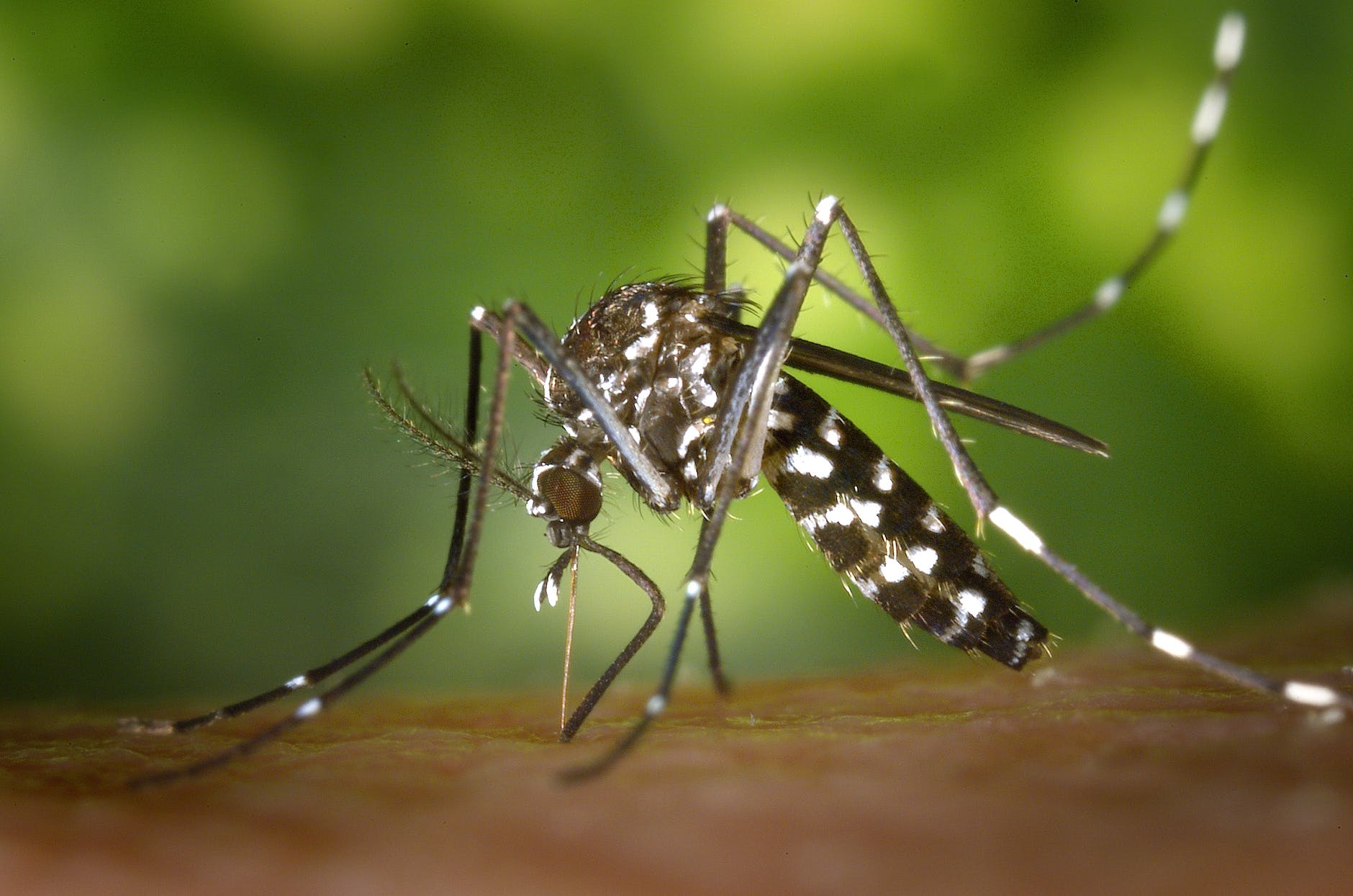
Attention to these cases highlights that Malaria in the U.S. is commonly transmitted by people who travel different countries. Malaria is what the CDC calls an “endemic” which means ongoing. Like most health issues, education is a key component in prevention. Malaria is caused by a mosquito of five species, and they ingest blood from biting into the skin.

Those who are HIV positive, pregnant, or have Sickle Cell Anemia should take additional measures educate themselves of what Malaria is, and what does to the body, and mosquito bite prevention. Buck and Finnigan the authors of “Malaria,” stated that “P. falciparum infections are associated with complications such as maternal anemia, low birth weight, miscarriage, stillbirths, and congenital malaria”. The CDC states that the Texas State and Florida Departments of Health are working to monitor this issue and stop transmission. For example, the Florida Department of Health is currently working with local mosquito control in Sarasota County and Manatee County to prevent further transmission. Further, the CDC mentions the Texas Department of State Health Services is working with local health departments to conduct ongoing monitoring and surveillance to as means of prevention. It is important that people get constantly screened for malaria in people that have fevers and travels a lot to places that have malaria per the CDC.  Remember, prevention is important, citronella, and mosquito repellants help to prevent mosquito bites. Also, wearing light-weight pants, or sleeves shirts aid in reducing the risk of mosquito bites.

Centers for Disease Control and Prevention. (2023, June 30). CDC – Malaria – malaria in Florida. Centers for Disease Control and Prevention. https://www.cdc.gov/malaria/new_info/2023/malaria_florida.html

Malaria – statpearls – NCBI bookshelf – national center for … (n.d.). https://www.ncbi.nlm.nih.gov/books/NBK551711/