What Parents Should Know About Pink Eye

By Ashley Peoples| UAB Community Health & Human Services Intern

Photo by Anna Shvets on Pexels.com

Pink eye is common in young kids and is contagious if caused by bacteria or a virus. Breakouts of the pink eye can sweep through playgrounds and even preschools. The CDC (2019) states that pink eye, also known as conjunctivitis, is caused by viruses, bacteria, and allergens. Babies and children can develop pink eye by having an eyelash fall in their eyes, indoor pollution, and fungi. Parents should be aware of the symptoms of pink eye, such as pink or red color in the white part of the eyes, increased tearing, itching, discharge, crusting of eyelids, and feeling like there is something in their eyes, which will cause your children to rub their eyes more often.

Different types of pink eye include viral, bacterial, and allergic conjunctivitis. Viral conjunctivitis occurs with symptoms of the flu or a cold which causes discharge that is usually watery in the eyes rather than thick.  Bacterial conjunctivitis sometimes happens with an ear infection and is more commonly associated with discharge. Allergic conjunctivitis typically occurs in both eyes, which may arise with symptoms of allergies and can produce intense tearing, itching, and swelling in the eyes (CDC,2019). Pink eye can occur through contact. Therefore, parents should be encouraged to wash their children’s hands and their hands often.

If your child shows signs of pink eye, it can possibly be treated. If bacteria cause pink eye, your healthcare provider will prescribe antibiotics. Antibiotics cannot treat pink eye that is caused by a virus. Pink eye is a common infection that most of us can tell stories about from our childhood. Parents, you can prevent your child from developing pink eye by learning what it is and how it occurs. Ensuring your children’s hands are clean is essential to prevent the transmission of this infection. Hand hygiene is crucial in keeping a pink eye from spreading from one person to another. The CDC provides many recommendations for parents to know what to do if their child has pink eye. During this summer, make sure when your child is outside playing to clean their toys and hands frequently.

References

Centers for Disease Control and Prevention. (2019, January 4). Treating pink eye (conjunctivitis). Centers for Disease Control and Prevention. https://www.cdc.gov/conjunctivitis/about/treatment.html
CDC warns of malaria cases in Florida and Texas

Ashley Peoples | UAB Community Health & Human Services Intern

Photo by Pixabay on Pexels.com

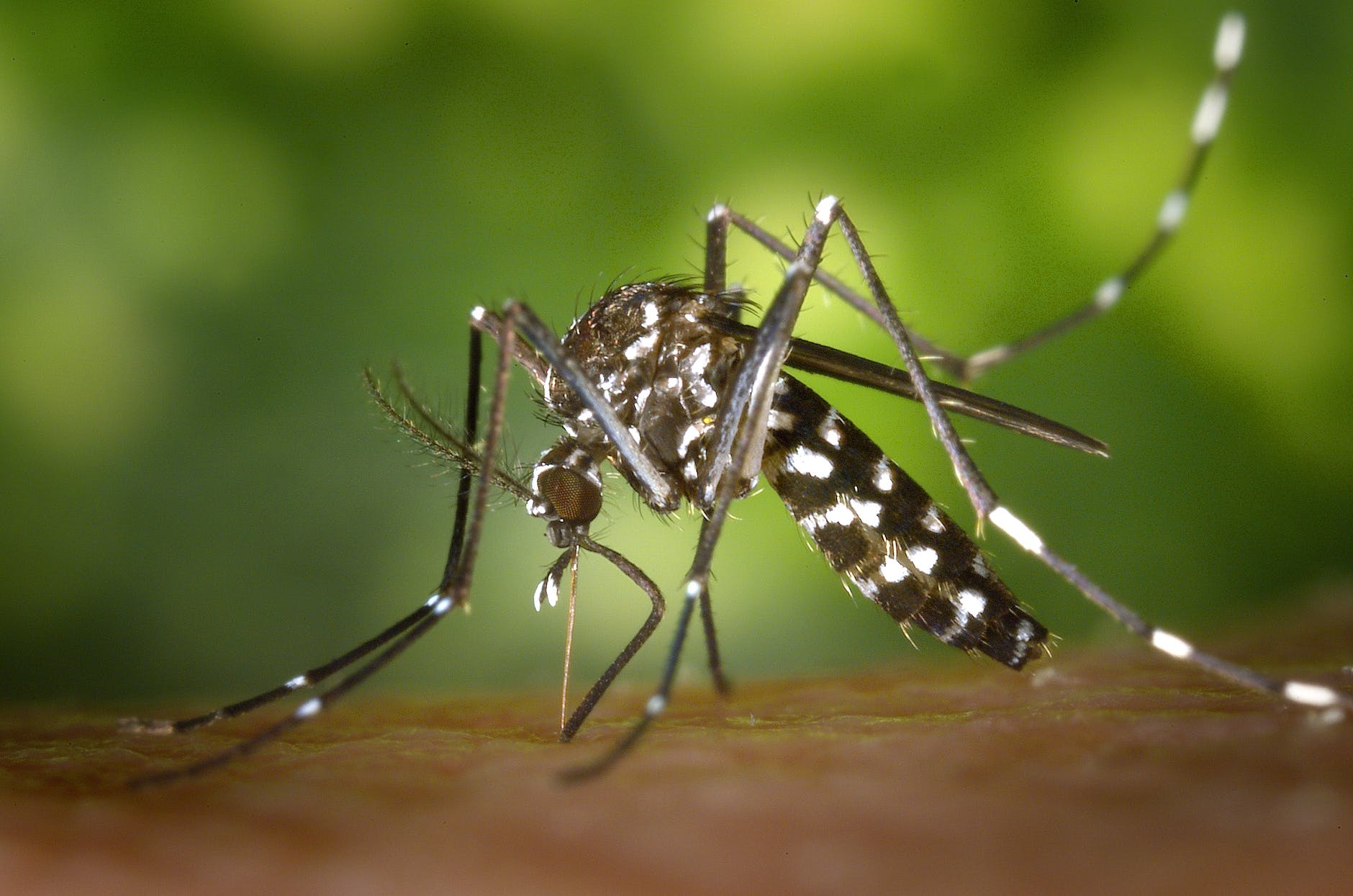
Cases of Malaria have been diagnosed in Florida and Texas. There were four cases in Sarasota County, Florida and one case in Cameron County, Texas. The case of malaria that was diagnosed in Florida and Texas is Plasmodium Vivax. Plasmodium Vivax lasts 48 hours and the signs and symptoms are a fever for many hours, sweating and then reduces down to normal body temperature.

Attention to these cases highlights that Malaria in the U.S. is commonly transmitted by people who travel different countries. Malaria is what the CDC calls an “endemic” which means ongoing. Like most health issues, education is a key component in prevention. Malaria is caused by a mosquito of five species, and they ingest blood from biting into the skin.

Those who are HIV positive, pregnant, or have Sickle Cell Anemia should take additional measures educate themselves of what Malaria is, and what does to the body, and mosquito bite prevention. Buck and Finnigan the authors of “Malaria,” stated that “P. falciparum infections are associated with complications such as maternal anemia, low birth weight, miscarriage, stillbirths, and congenital malaria”. The CDC states that the Texas State and Florida Departments of Health are working to monitor this issue and stop transmission. For example, the Florida Department of Health is currently working with local mosquito control in Sarasota County and Manatee County to prevent further transmission. Further, the CDC mentions the Texas Department of State Health Services is working with local health departments to conduct ongoing monitoring and surveillance to as means of prevention. It is important that people get constantly screened for malaria in people that have fevers and travels a lot to places that have malaria per the CDC.  Remember, prevention is important, citronella, and mosquito repellants help to prevent mosquito bites. Also, wearing light-weight pants, or sleeves shirts aid in reducing the risk of mosquito bites.

Centers for Disease Control and Prevention. (2023, June 30). CDC – Malaria – malaria in Florida. Centers for Disease Control and Prevention. https://www.cdc.gov/malaria/new_info/2023/malaria_florida.html

Malaria – statpearls – NCBI bookshelf – national center for … (n.d.). https://www.ncbi.nlm.nih.gov/books/NBK551711/


Preeclampsia Prevention in African American Women

Ashley Peoples | UAB School of Education Community Health & Human Services Intern

Photo by Thiago Borges on Pexels.com

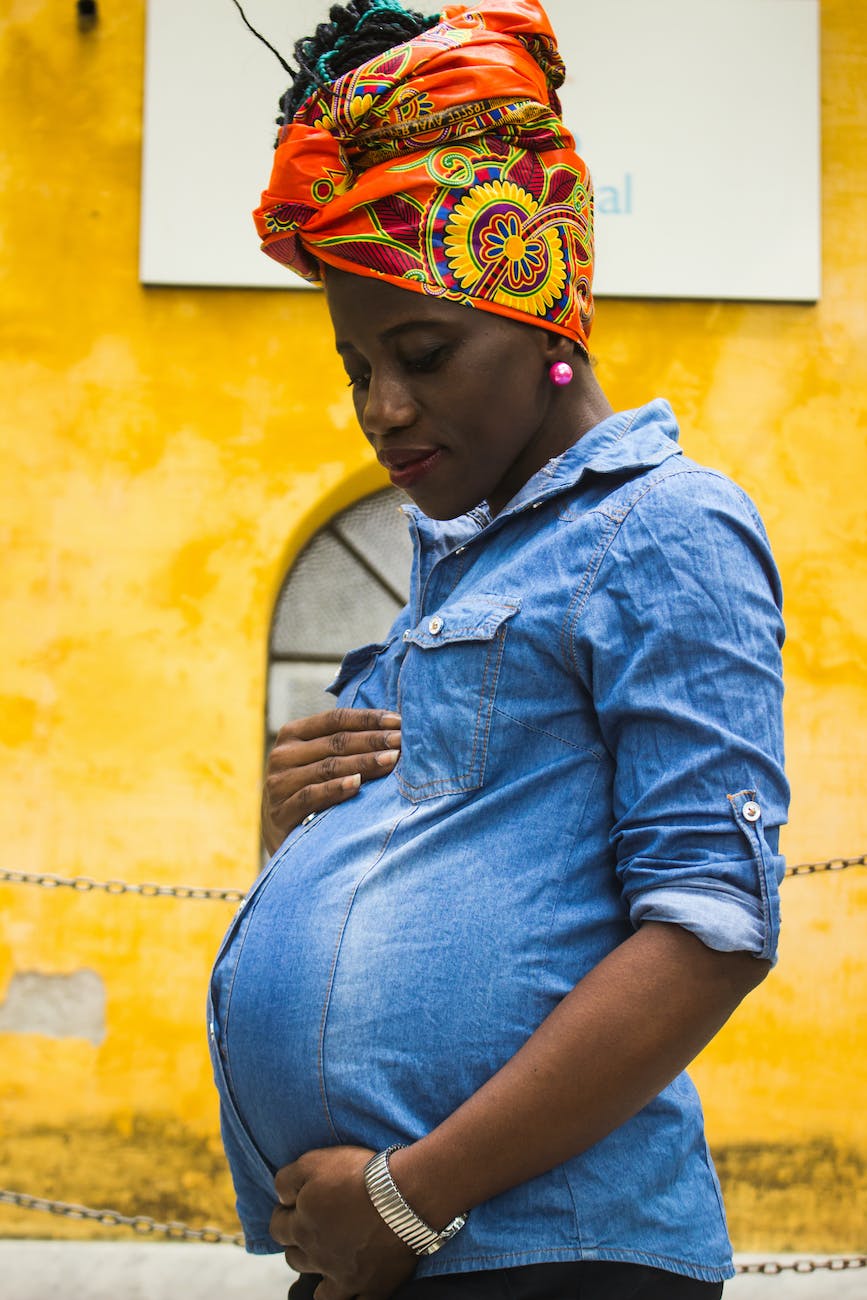
Preeclampsia is a condition where the blood pressure of a pregnant women increases beyond the normal range. So, how do African American women prevent preeclampsia? The first step to preventing preeclampsia is education.

Maintaining blood pressure is one of the keys to preventing preeclampsia and is something African American should be aware of. The article “Preeclampsia” states women who have a top blood pressure that is 140 or greater and bottom blood pressure of 90 and greater are at higher risk (Karrar & Hong, 2023). The CDC suggests women buy a at home blood pressure machine, and keep it monitored.

Karrar and Hong states “Like hypertensive disorders, the incidence of preeclampsia is correlated to ethnicity and race, most prevalent among African American”. Exercise is another preventive method for preeclampsia. Exercise can improve blood pressure and help keep it maintained. The BMC Public Health states “After a 12-week exercise intervention among healthy and nonactive pregnant women, the changes in resting blood pressure between intervention and baseline were assessed, and the researchers found that regular, long-term physical exercise significantly reduced resting systolic blood pressure” (Zhu et al., 2022).

I encourage all African American women to who are pregnant (or planning to get pregnant) to educate themselves on preeclampsia. I hope that this blog can help many African American women avoid the risks that come with preeclampsia. When we educate ourselves, we make a difference in our own health.

References:       

Karrar, S., & Hong, P. (n.d.). Preeclampsia – statpearls – NCBI bookshelf. https://www.ncbi.nlm.nih.gov/books/NBK570611/

Centers for Disease Control and Prevention. (2023, June 19). High blood pressure during pregnancy. Centers for Disease Control and Prevention. https://www.cdc.gov/bloodpressure/pregnancy.htm

Zhu, Z., Xie, H., Liu, S., Yang, R., Yu, J., Yan, Y., Wang, X., Zhang, Z., & Yan, W. (2022). Effects of physical exercise on blood pressure during pregnancy. BMC Public Health, 22(1). https://doi.org/10.1186/s12889-022-14074-z