“Live HealthSmart Alabama” Mobile Wellness Van is on the Move

By Jessica Feagin | UAB School of Education Community Health and Human Services Student Intern

Photo by SHVETS production on Pexels.com

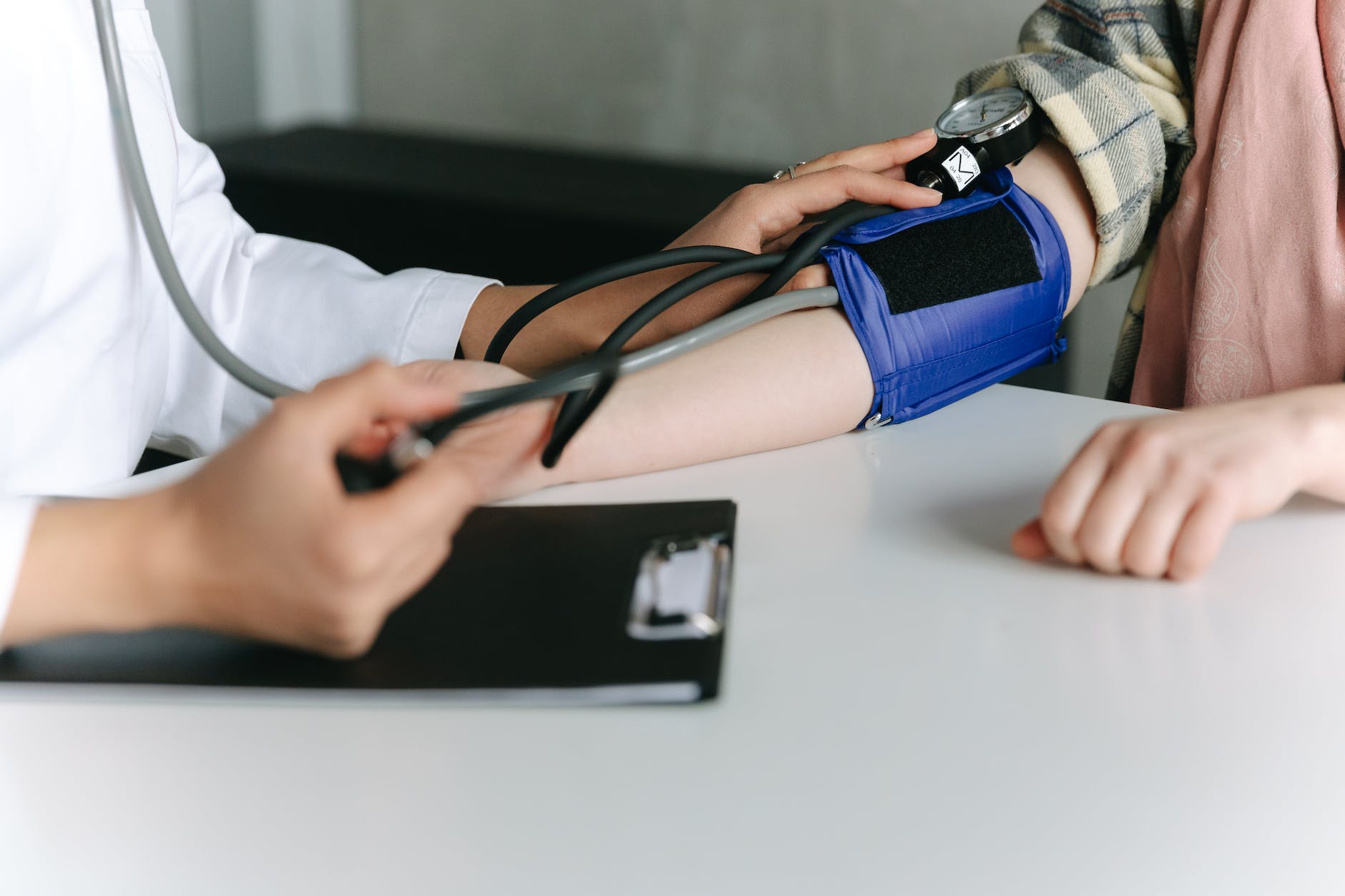
Live HealthSmart Alabama is a movement whose goal is to make “good health simple,” and is committed to reducing high cholesterol, high blood pressure, obesity, and diabetes in residents of Alabama (“Mobile wellness,” n.d.). One of the services Live HealthSmart Alabama provides to communities that are most needed is health screenings at no charge. Health screenings can give a picture of your overall health and help highlight possible risk areas needing improvement.

The Live HealthSmart Alabama Mobile Wellness van stops in their demonstration areas and other Birmingham communities that need it most (“Mobile wellness,” n.d.). People in the community are seen by a team and are provided with their health numbers, such as weight, height, and BMI. They also are provided with their blood pressure, cholesterol, blood sugar, and other health risks, all in just 15 minutes at no cost. It is essential to know your health numbers, because they will tell you whether you are at risk for certain conditions and diseases. After all, your weight, blood pressure, blood sugar, and cholesterol are all risk factors for developing cardiovascular conditions, diabetes, and stroke (“Preventative health screenings,” n.d.). Not only will team members provide you with your health numbers, but they will also identify what you need to remain healthy, and show you how to make better lifestyle changes. If any numbers are abnormal or out of range, team members will recommend the next steps for your healthcare (“Mobile wellness,” n.d.). Check out their website at Mobile Wellness – Live Healthsmart Alabama | UAB  to see where the mobile wellness van will head next. They may be visiting your surrounding community soon!

References:

Mobile wellness. (n.d.). The University of Alabama at Birmingham | UAB. https://www.uab.edu/livehealthsmartal/services/mobile-wellness

Preventative health screenings. (n.d.). Life & Work Connections. https://lifework.arizona.edu/health-screenings


The Importance of Self-Care

By Terrie Johnson | UAB Community Health & Human Services Intern

Photo by Yan Krukau on Pexels.com

Self-care is a concept concerned with an individual taking actions to promote their well-being. It is pegged on creating a surrounding that supports meeting one’s needs. Self-care’s relevance has developed into a critical healthcare paradigm since it features practices that limit admission into care facilities. For example, it provides a vital bearing to avoid stressors by planning one’s schedule. Other than this aspect, self-care mitigates the risk of being involved in unrealistic behaviors. Its promotion at the individual and group levels provides the needed impetus for positive outcomes.

The self-care element can be advanced in varied ways to meet a person’s needs. An individual can be encouraged to take steps to tend to their physical needs. For example, they can be guided on the criticality of creating an exercise regimen. Thus, taking the initiative in physical exercises will enable the person to maintain a desired body weight and avoid obesity. Meeting one’s emotional needs is also part of self-care. This aspect can be fulfilled by attending to feelings that may cause stress (Riegel et al., 2021). Additionally, people can design their surroundings to feature supportive elements that mitigate mental overload. Executing this practice allows one to take control of their cognitive well-being. Thus, being aware of how to promote self-care is relevant to lead a meaningful life.

The stance in caring for self has numerous benefits for one’s well-being. One of its advantages is creating a platform for an individual to maintain positive care trajectories. Self-care also provides leverage for communities to promote health through practices such as hygiene and seeking medical care when required (Riegel et al., 2021). Additionally, the concept creates an opportunity for managing stressors. Thus, people with self-care practices will likely avoid mental health risks that could lead to depression. Embracing the concept, therefore, should be necessary to foster positive holistic outcomes.

Reference

Riegel, B., Dunbar, S. B., Fitzsimons, D., Freedland, K. E., Lee, C. S., Middleton, S., Stromberg, A., Vellone, E., Webber, D. E., & Jaarsma, T. (2021). Self-care research: Where are we now? where are we going? International Journal of Nursing Studies, 116, 103402. https://doi.org/10.1016/j.ijnurstu.2019.103402


What Causes Low Blood Pressure?

By Terrie Johnson | UAB Community Health & Human Services Intern

Photo by Thirdman on Pexels.com

Although most health complications relating to blood pressure often focus on high blood pressure (hypertension), low blood pressure (hypotension) is a significant issue that deserves attention. Low blood pressure is below 90/60 mmHg (systolic and diastolic). Hypotension can cause shock, a health condition characterized by confusion, weak pulse, and changes in skin coloration. Besides, some people may experience lightheadedness, fatigue, fainting, and difficulty concentrating. Low blood pressure is a serious medical issue requiring adequate attention.

Medical conditions, medications, and age are the primary causes of low blood pressure. Pregnancy, blood loss, heart problems, dehydration, lack of vitamin B-12 in diet, and severe infections are some medical conditions leading to hypotension (Cautela et al., 2020). Besides, Cautela et al. (2020) adds that medications, such as diuretics, beta-blockers, antidepressants, and drugs treating Parkinson’s disease and erectile dysfunction can cause low blood pressure. Lastly, people older than 65 risks developing hypotension. The rationale for age as a risk factor is that elderly individuals are more likely to develop Parkinson’s disease and heart conditions that lower blood pressure. Health problems, medications, and age are the leading causes of low blood pressure.

People suffering from low blood pressure can improve their condition by drinking more water, using more salt, and taking hypotension medications. Increased water intake improves blood volume and prevents dehydration, resulting in increased blood pressure. In addition, taking more salt can help treat hypotension. However, individuals should first consult their healthcare provider to avoid heart complications. Lastly, medications like fludrocortisone boost blood volume, resulting in increased pressure. A person with low blood pressure can improve their health by drinking more water, using more salt, and taking hypotension medications.

Low blood pressure is a serious health issue because it results in shock, fatigue, and lightheadedness. Medical conditions, medications, and age are the leading causes of hypotension. Nevertheless, one may remedy this condition by drinking more water, using more salt, and taking hypotension medications. Low blood pressure requires serious attention, just like high blood pressure.

References

Cautela, J., Tartiere, J. M., Cohen-Solal, A., Bellemain‐Appaix, A., Theron, A., Tibi, T., & Girerd, N. (2020). Management of low blood pressure in ambulatory heart failure with reduced ejection fraction patients. European Journal of Heart Failure22(8), 1357-1365. https://doi.org/10.1002/ejhf.1835.

Cleveland Clinic, (n.d). Low blood pressure (hypotension). (Online image). https://my.clevelandclinic.org/health/diseases/21156-low-blood-pressure-hypotension.


Diet Pills: Are They Safe?

By Terrie Johnson| UAB Community Health & Human Services Intern

Photo by Yaroslav Shuraev on Pexels.com

Regarding losing weight, nutritionists and physical therapists usually recommend sustained periods of healthy eating and exercising. Notably, such activities require patience, discipline, and hard work. However, many people are unwilling to stay committed to the course. Instead, some individuals purchase unauthorized and unapproved slimming pills online, swayed by the “miracle” of quick weight loss. Nevertheless, these diet pills are unsafe and contain dangerous components. Although diet pills are unsafe, the desperation to lose weight makes people become reckless and risk their lives by taking the medications.

Diet pills cause more harm than good. Many weight loss pills have contaminated ingredients, are dangerous, and result in health complications. For example, in recent years, investigations into many weight loss products sold in the United States have found that they contain antidepressants, seizure medications, and laxatives. In addition, some slimming pills contain sibutramine, a stimulant that equally acts as an appetite suppressant. Dedov et al. (2018) reveal that sibutramine affected people’s blood pressure and did not help individuals to lose weight. In addition, fluoxetine is a prescription antidepressant; however, it is a key component in some slimming pills. Overall, the medications are dangerous and rarely work.

Although some people may still use diet pills regardless of their risks, the safest methods for losing weight include eating healthily and exercising. Consuming a high-fiber diet, eating fruits and vegetables, drinking plenty of water, avoiding unhealthy foods, and reducing alcohol intake can help one reduce weight (Miketinas et al., 2019). In addition, being active and exercising enables one to burn many calories, thereby reducing weight. Generally, eating healthily and exercising allow one to lose weight safely.

In summary, diet pills have become popular since they promise miraculous weight loss; however, they are unsafe. Most slimming pills are not approved by the FDA and contain dangerous ingredients. The only safe strategies for losing weight include healthy eating and exercising. People must not look for the easy way to lose weight but should put in the hard work and discipline.

References

Dedov, I. I., Melnichenko, G. A., Troshina, E. A., Mazurina, N. V., & Galieva, M. O. (2018). Body weight reduction associated with the sibutramine treatment: Overall results of the PRIMAVERA Primary Health Care Trial. Obesity Facts11(4), 335-343. https://doi.org/ 10.1159/000488880.

Miketinas, D. C., Bray, G. A., Beyl, R. A., Ryan, D. H., Sacks, F. M., & Champagne, C. M. (2019). Fiber intake predicts weight loss and dietary adherence in adults consuming calorie-restricted diets: the POUNDS lost (Preventing Overweight Using Novel Dietary Strategies) study. The Journal of Nutrition149(10), 1742-1748. https://doi.org/10.1093/jn/nxz117.

The Washington Post. (2019). The trouble with diet pills. They don’t work, and they can be unsafe. (Online Image). Health & Science. https://www.washingtonpost.com/national/health-science/the-trouble-with-diet-pills-they-dont-work-and-they-can-be-unsafe/2015/02/02/d3995022-7f1f-11e4-8882-03cf08410beb_story.html


What Causes Hiccups and What’s the Cure to Stop Them?

By Terrie Johnson| Intern and UAB Community Health and Human Services Student

Photo by Brian Andrew on Pexels.com

Medically, hiccups are synchronous diaphragmatic flutters or involuntary contractions of the diaphragm and the larynx. After each diaphragmatic contraction, the voice box simultaneously closes, resulting in a “hic” sound (Eroglu, 2018). Hiccups challenge eating or drinking, which may lead to energy loss and dehydration. Although many adults recover from hiccups within minutes, this medical problem can become serious in infants, especially if it lasts more than 2 hours. Overall, hiccups occur when the diaphragm involuntarily contracts.

Adults’ primary causes of hiccups include dietary complications, medications, and some medical conditions. Consuming spicy meals may irritate the phrenic nerve while overeating and could result in stomach distension (Eroglu, 2018). Besides, drinking carbonated drinks and alcohol could cause gas in the stomach, which creates pressure on the diaphragm. In addition, medications such as opiates and medical conditions, including gastro-esophageal reflux disease (GERD), pneumonia, and pleurisy of the diaphragm, may cause hiccups. Lastly, in infants, changes in stomach temperature, swallowing too quickly, overfeeding, GERD, or asynchronous breathing and swallowing may cause hiccups. Overall, hiccups result from dietary complications, medical conditions, medications, and feeding problems.

In most instances, hiccups disappear after some minutes; however, if they persist, a person may adopt some strategies to mitigate the problem. Those strategies include sipping cold water slowly, placing gentle pressure on the diaphragm, biting a slice of lemon, gently pulling on the tongue, sitting down and hugging knees, and swallowing granulated sugar, among other strategies. Although there is no research backing the effectiveness of these approaches, different human generations have passed these tips on to the next, implying they help eliminate hiccups. Normally hiccups go away after a few hours; nevertheless, one can adopt the above strategies to end an episode of hiccups that lasts longer.

In summary, almost everyone experiences hiccups, which is an involuntary diaphragm contraction. The condition sometimes makes it challenging to eat or drink food. The primary causes of hiccups include dietary complications, medications, and some medical conditions. Feeding problems are the primary source of hiccups in infants. Nevertheless, one may get rid of a persistent hiccup by sipping cold water slowly, biting on a piece of lemon, and pulling the tongue, among other approaches. When you experience hiccups, what strategies do you use to end them?

References

Eroglu, O. (2018). The effect of gender differences in protracted hiccups. Nigerian Journal of Clinical Practice21(10), 1356-1360. https://doi.org/10.4103/njcp.njcp_101_18.


What are Skin Tags?

By Terrie Johnson| Intern and UAB Community Health and Human Services Student

Photo by Almada Studio on Pexels.com (figure 1)

Skin tags are non-cancerous growths that appear like clusters on the skin. Most adults, especially older ones, develop them as they age. The tags are harmless, painless, and do not result in medical complications. Nevertheless, they are unsightly, especially in visible areas like the face and neck. Consequently, an individual may become self-conscious. Although skin tags are harmless, they may affect someone’s self-esteem.

Although skin tags are often small, usually between 1-5 mm, they can become larger (figure 1). They appear as parts of the skin tissue extending outwards, held by a thin stalk (Tripathy et al., 2019). They occur when the extra cells on the top layer of the skin are released. Subsequently, the additional cells in skin folds form harmless growths as the skin rubs against itself. In most cases, skin tags grow in the armpits, eyelids, genitals, neck, and beneath the breasts. In general, skin tags are non-harmful growths that form on the skin due to the production of extra cells.

 An individual should contact a dermatologist for removal procedures. The skin specialist may typically remove the skin tags by freezing them with liquid nitrogen, cutting them off using sharp instruments like a scalpel, and cauterization (Syed et al., 2021). Ideally, a person may try to remove the tags at home; however, dermatologist caution against this idea because one may bleed excessively or become infected. Thus, the recommended skin tag removal procedures include freezing, cutting, and heating them.

In summary, skin tags are common in aging adults. The growths are harmless, but unsightly when they occur in visible body parts like the face and neck. They result from excess cells released by the body. The primary strategies for removing skin tags include freezing, burning, and cutting them. One should not attempt to remove them at home due to the risks of bleeding and infection.

References

Healthdirect. (2022). Skin tags (online image). https://www.healthdirect.gov.au/skin-tags

Syed, S. Y. B., Lipoff, J. B., & Chatterjee, K. (2021). Acrochordon. In StatPearls [Internet]. StatPearls Publishing. https://www.ncbi.nlm.nih.gov/books/NBK448169/.

Tripathy, T., Singh, B. S., & Kar, B. R. (2019). Association of skin tag with metabolic syndrome and its components: A case–control study from Eastern India. Indian Dermatology Online Journal10(3), 284. https://doi.org/10.4103/idoj.IDOJ_238_18.


There Is Hope: Foster Parents Are Needed

By Jessica Feagin | Intern and UAB Community Health and Human Services Student

Photo by Kindel Media on Pexels.com

Did you know that there are approximately 6,000 children in foster care in Alabama (“Foster care,” n.d.)? Some children need foster care for a few days, and others for some time until they are reunited with their biological families or adopted. It is important that children in foster care be placed in a nurturing and secure environment and are provided the love and care that they deserve.

You could be a foster parent if you are 19 years old, can provide a safe environment for the child, your home conforms to the standards for foster family homes, household members are in good health, and all household adult members are willing to undergo a background check. If you are interested in fostering, as an applicant, you must complete 30 hours of preparation course to receive information on fostering. As foster parents, you can care for a maximum of six children at once if you have the space in your home. Each child and foster family will have an assigned social worker for support. Families will also receive a monthly payment for room and board (“Foster care,” n.d.).

Fostering is rewarding for both foster families and the child that needs care and love at that particular time. Children in foster care must know they are loved, valued, and have worth. When I was a nurse on a mother/baby unit, I noticed that many children went into the Department of Human Resources foster care system, and I knew that I had to do something. I went home and talked with my husband about how we should open our home to foster children that need a loving and stable home. He agreed; we have been foster parents for one and a half years. We have had several children in and out of our home, and we have loved each child as our own biological child.

If you think you and your family will be willing to open your home to foster children needing a stable home, fill out a foster care inquiry form at Foster Care – Alabama Department of Human Resources. Will you make a difference in a child’s life that is in need for a loving home? There is hope for every child in foster care.

References

Foster care. (n.d.). Alabama Department of Human Resources. https://dhr.alabama.gov/foster-care/


The Health Benefits of an Infrared Sauna

Jessica Feagin | UAB School of Education Intern

Photo by Amar Preciado on Pexels.com

An infrared sauna uses steam or heat to create an environment that will increase your core body temperature. While using an infrared sauna, you’ll sweat, and your heart rate will increase to pump more blood to your skin, which is your body’s way of cooling you down. An infrared sauna mimics the effects of physical activity and provides similar health benefits as exercise (“Health benefits of infrared saunas,” 2021).

It has been shown in studies that infrared saunas can help boost heart health and decrease blood pressure. Researchers compared the physical response of a sauna session to a moderate-paced walk. An infrared sauna can speed up muscle recovery following exercising for improved blood circulation. Infrared saunas can also be used for meditation and help decrease stress, anxiety, and depression. Better sleep has also been linked to sauna use. There is evidence that using an infrared sauna regularly can help avoid the common cold and reduce oxidative stress related to cardiovascular disease, degenerative diseases, and cancer (“Why infrared saunas are ‘Cooler’ than traditional saunas,” 2022).

Healthline (Lindberg, n.d.) has provided some tips on how to use an infrared sauna:

  • Make sure you are hydrated before going into the sauna. You can bring water into the sauna with you.
  • If it is your first time using the infrared sauna, you want to start at 100 degrees Fahrenheit for a few sessions and increase the temperature each session until you reach 150 degrees Fahrenheit.
  • For the first session, start with 10 to 15 minutes. Afterward, you can add time to each session until you reach the recommended time of 20 to 30 minutes.
  • You can dress in whatever you decide. Some people prefer to go naked, and some wear bathing suits.
  • After your session, it is recommended that you take your time and let your body cool down. After your body cools down, feel free to take a shower.
  • It is recommended to use the sauna three to four days per week.
  • Avoid using the sauna if you’ve been drinking alcohol
  • If you feel lightheaded when you stand up while getting out, make sure you get up slowly and sit down once you get out. Make sure to drink your water.

My husband purchased a portable infrared sauna from Amazon to be used in our home. After using the sauna, I feel relaxed, and I feel that it has helped with my weight loss journey. In addition, my husband feels the infrared sauna has helped improve his knee pain due to blood circulation from using the sauna. Everyone may experience different effects from using an infrared sauna. However, it has known health benefits, so it won’t hurt to try it. It can be purchased online, and it can be found in some fitness spas. Have you experienced using an infrared sauna?

References

Health benefits of infrared saunas. (2021, April 29). WebMD. https://www.webmd.com/balance/health-benefits-of-infrared-saunas

Lindberg, S. (n.d.). Infrared sauna benefits: 9 reasons saunas are good for your health. Healthline. https://www.healthline.com/health/infrared-sauna-benefits

Why infrared saunas are ‘Cooler’ than traditional saunas. (2022, April 14). Cleveland Clinic. https://health.clevelandclinic.org/infrared-sauna-benefits/


Obesity, Overweight, and Simply Walking

By Jessica Feagin, Intern and UAB Community Health and Human Services Student

Photo by Polina Tankilevitch on Pexels.com

People who are overweight or obese, compared to those with healthy weight, are at increased risk for many severe diseases and health conditions. These include high blood pressure, high cholesterol, type 2 diabetes, coronary heart disease, stroke, gallbladder disease, sleep apnea, breathing problems, low quality of life, body pain, and mental illness. Overweight is defined as a body mass index of twenty-five or higher. Obesity is defined as a BMI of 30 or higher. According to the CDC, all states and territories have more than 20% of adults with obesity. The South (36.3%) had the highest prevalence of obesity (“CDC Overweight & Obesity,” 2022).

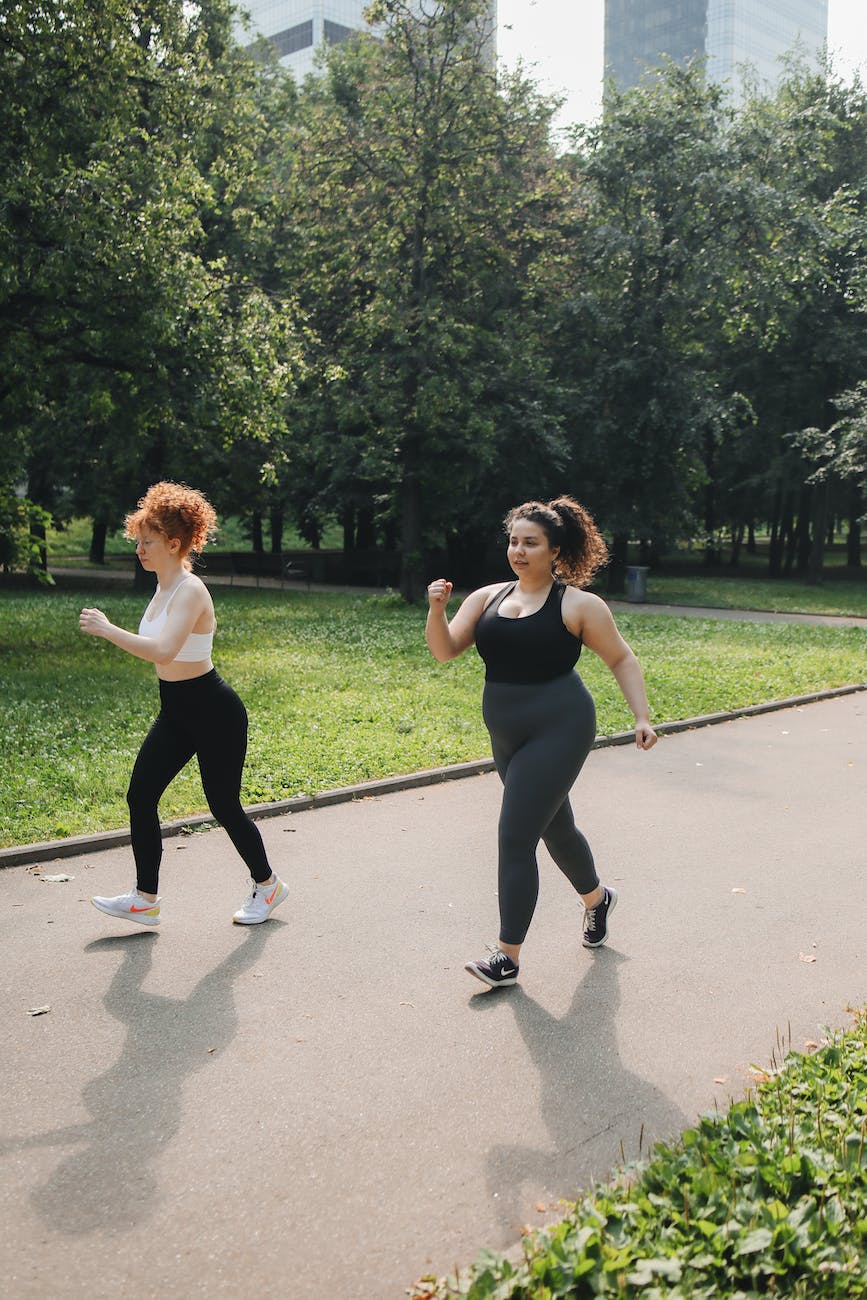
Physical activity like walking is essential for weight control because it helps burn calories. Adding 30 minutes of brisk walking to your daily routine could burn about 150 more calories a day. Of course, the more you walk and the quicker your pace, the more calories you burn. Combining physical activity and cutting calories seems to help with weight loss more than exercise alone (“Walking: Is it enough for weight loss?” 2022).

Besides weight control, regular brisk walking manages and prevents many conditions, such as heart disease, stroke, high blood pressure, diabetes, and cancer. It also strengthens your muscles/bones, increase energy levels, improves mood, strengthens your immune system, reduces stress, and improves sleep (“Walk your way to fitness,” 2021).

A brisk walk requires purposeful movements and good posture. Ideally while walking, you should:

  • Have your head up
  • Relax your neck, shoulders, and back
  • With a slight bend in elbows,  swing your arms freely
  • Straighten your back and stomach muscles slightly tightened
  • Roll your foot from head to toe, walking smoothly

Before you start your walking routine, it is vital to get the appropriate gear, walk in a safe environment, warm up, and cool down. Walking has many benefits, so grab a partner and simply walk!

References

CDC overweight & obesity. (2022, October 20). Centers for Disease Control and Prevention. https://www.cdc.gov/obesity/index.html

Walking: Is it enough for weight loss? (2022, November 30). Mayo Clinic. https://www.mayoclinic.org/healthy-lifestyle/weight-loss/expert-answers/walking/faq-20058345

Walk your way to fitness. (2021, May 19). Mayo Clinic. https://www.mayoclinic.org/healthy-lifestyle/fitness/in-depth/walking/art-20046261


Reducing the Risk of Heart Disease

By Reginia Dodson, Intern and UAB Community Health and Human Services Student

Photo by Mikhail Nilov on Pexels.com


Heart disease is a leading cause of death in the United States, and the African American population is disproportionately affected by this disease. African Americans have a higher incidence of heart disease and a higher mortality rate from heart disease compared to other racial and ethnic groups. Several factors contribute to the higher incidence of heart disease among African Americans. These factors include socioeconomic status, lack of access to healthcare services, genetic predisposition, and lifestyle factors such as high blood pressure, high cholesterol, and obesity (American Heart Association, 2021).

Light exercise is any activity that raises your heart rate and breathing but still allows you to carry on a conversation. Examples of light exercise include walking, cycling, swimming, and gardening. These activities can have numerous benefits for heart health. For instance, light exercise can help to lower blood pressure, reduce inflammation, and improve insulin sensitivity (American Heart Association, 2018). All of these factors are key contributors to the development of heart disease.

Several studies have demonstrated that light exercise can reduce the risk of heart disease. One study, published in the Journal of the American Heart Association, followed 24,000 women for 11 years and found that those who engaged in light physical activity, such as walking, had a 30% lower risk of developing heart disease compared to those who were sedentary (Manson et al, 2002). Similarly, another study published in the British Journal of Sports Medicine found that light exercise, such as brisk walking, can significantly reduce the risk of developing heart disease (Kujala et al, 2003). Light exercise can also provide other health benefits, such as improving mental health, reducing the risk of obesity, and improving overall physical function (Mayo Clinic, 2018).

In conclusion, physical activity is an essential component of overall cardiovascular health, and light exercise can significantly reduce the risk of heart disease. Walking for as little as 30 minutes a day, five days a week, can reduce the risk of heart disease. Light to moderate physical activity for as little as two and a half hours per week can also provide health benefits. By incorporating light exercise into our daily routines, we can reduce our risk of heart disease and improve overall health outcomes.

References

 American Heart Association. (2021). American Heart Association Recommendations for Physical Activity in Adults and Kids. https://www.heart.org/en/healthy-living/fitness/fitness-basics/aha-recs-for-physical-activity-in-adults

 American Heart Association. (2018). Physical Activity Improves Quality of Life.

 Manson, J. E., Greenland, P., LaCroix, A. Z., et al. (2002). Walking Compared with Vigorous Exercise for the Prevention of Cardiovascular Events in Women. Journal of the American Heart Association, 107(24), 2999-3004.

 Kujala, U. M., Kaprio, J., Sarna, S., et al. (2003). Physical Activity and Other Health Behaviors in Men and Women: The Finnish Twin Cohort. British Journal of Sports Medicine, 37(6), 512-518.

 Mayo Clinic. (2018). Exercise: 7 Benefits of Regular Physical Activity.