Migraine headaches and useful tips to avoid them

By Jessica Feagin | UAB Community Health & Human Services Intern
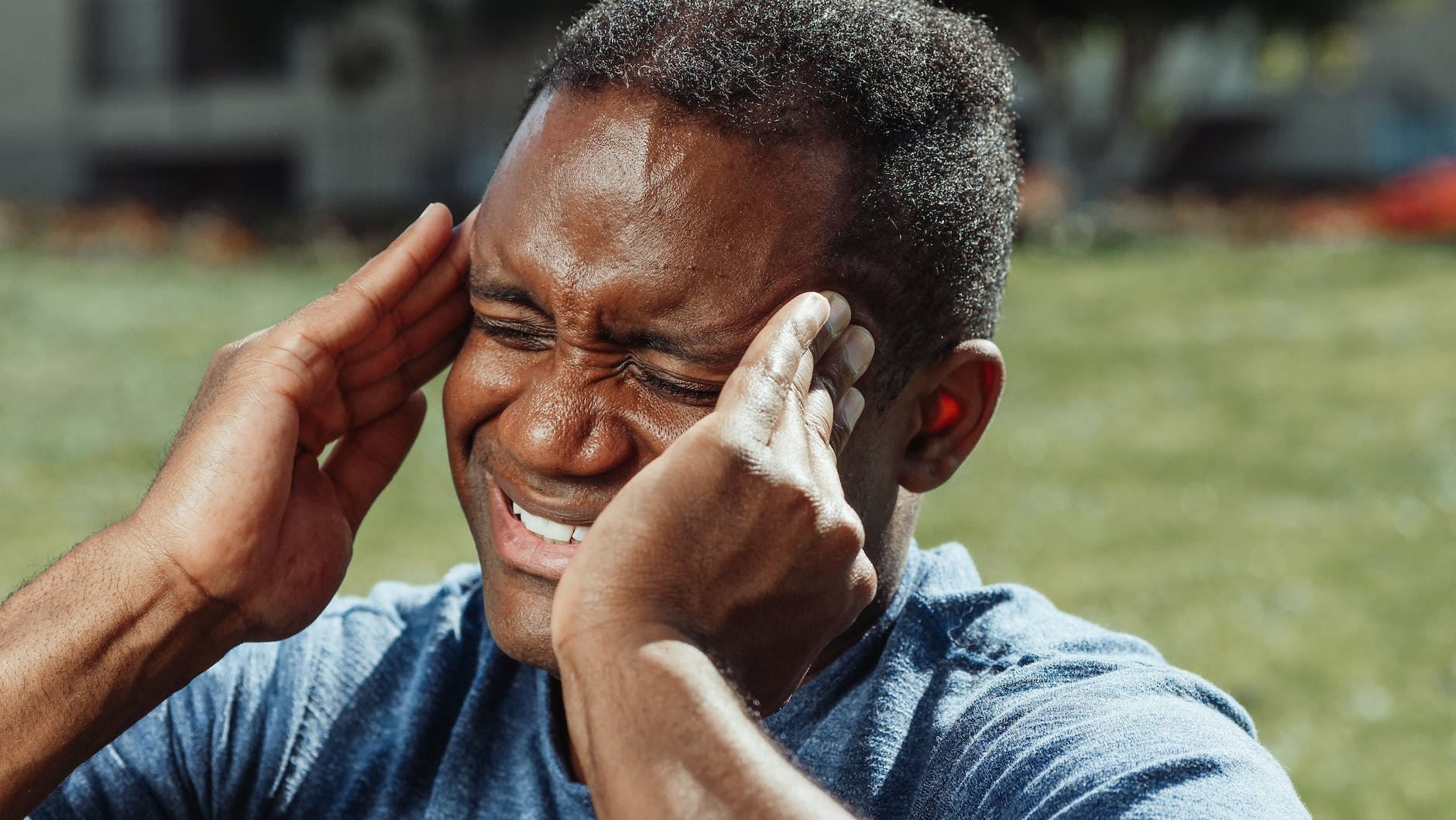
Photo by Kindel Media on Pexels.com

My oldest sister suffers from migraines often and on any day in which she experiences them, her whole day is impacted. She discovered that one issue causing migraines is eating cheese, so she rarely eats it. I love cheese, so I feel bad for her. Her experience with migraines made me want to look more into their triggers and how to deal with them.

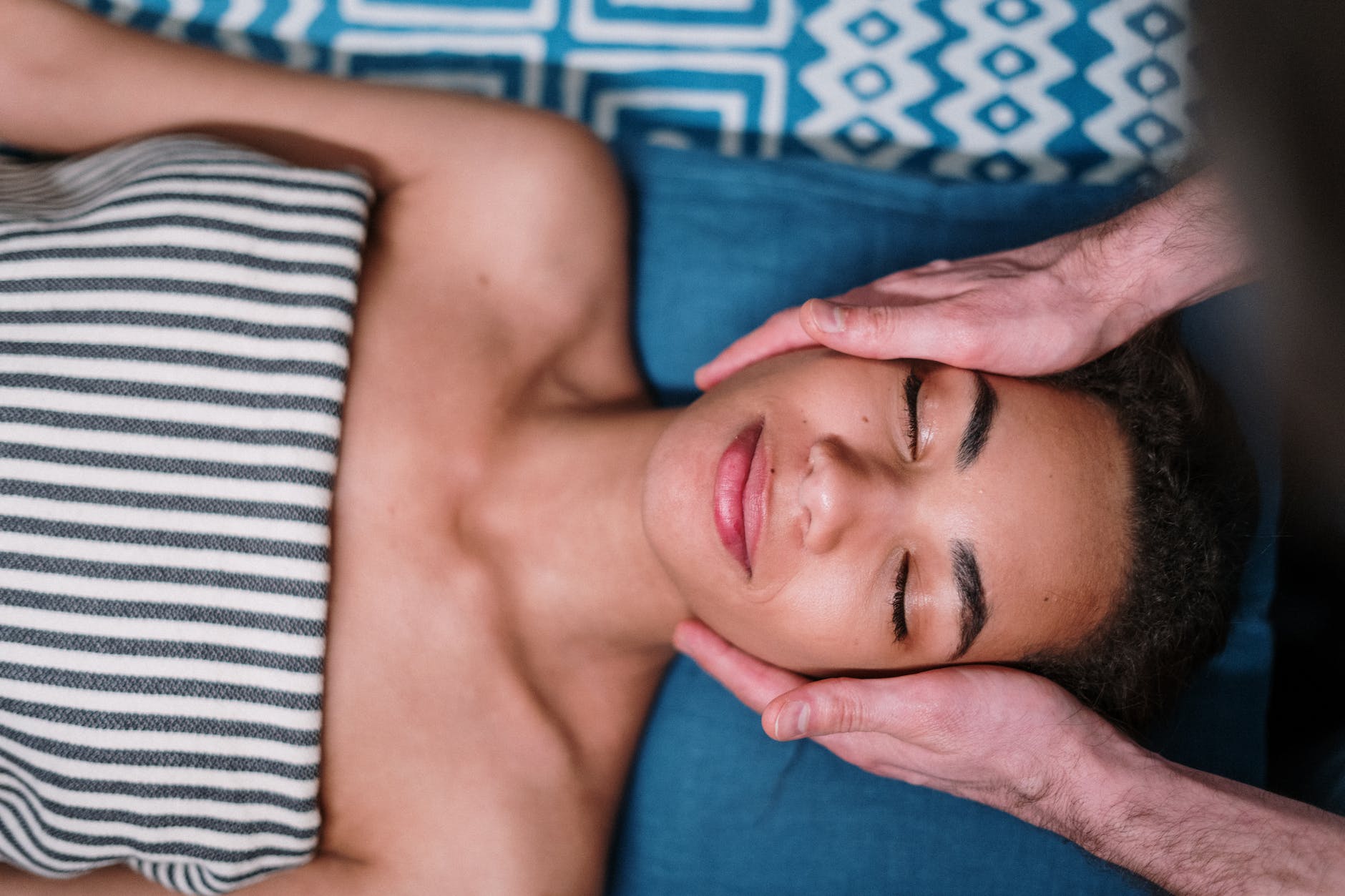
A headache that causes a pulsing sensation or severe throbbing, typically on one side of the head, is a migraine. Pain from migraines can be so powerful that they can interfere with your daily routine and last from hours to days (Mayo Clinic, 2021). Stress is a common cause for migraines, and a way to deal with it is to figure out what causes unnecessary stress and work on soothing methods to prevent stress.

The American Migraine Foundation offers some tips to avoid migraines:

  • Irregular Sleep – Try to get at least 8 hours of uninterrupted sleep
  • Hormonal Changes – Lifestyle changes or even birth control can aid with balancing hormone levels
  • Foods – Try to think about what you have eaten prior to a migraine and see if avoiding that food helps
  • Caffeine & Alcohol – Know your limits and avoid drinking either in excess
  • Dehydration – When you feel the onset of a migraine, try drinking at least 8-10 oz. of water
  • Light & Smell – If you frequently get migraines after going to certain places, try changing the lighting or air fresheners
  • Medication – If you find that after starting a new medication you are having migraines, talk to your doctor about alternative options

One way to prevent migraines is try to keep up with a diary or tracking plan to document what you are doing and eating before and when your migraine starts. Migraines can cause so much discomfort. I dislike when I have a typical headache, so I can’t imagine what someone goes through who experiences migraines often. On a positive note, it is helpful that there are ways that people can prevent migraines. Do you experience migraines? If so, what are your triggers and coping measures? Share your experiences with us here and join the discussion on Facebook here.

References:

Migraine – Symptoms and causes. (2021, July 2). Mayo Clinic. https://www.mayoclinic.org/diseases-conditions/migraine-headache/symptoms-causes/syc-20360201

American Migraine Foundation. (2017, July 27). Top 10 Migraine Triggers and How to Deal with Them | AMFhttps://americanmigrainefoundation.org/resource-library/top-10-migraine-triggers/

OUCH! Tips on Treating Wasp Stings

By Jessica Feagin | UAB Community Health & Human Services Intern

Photo by Pixabay on Pexels.com

My 5-year-old son was playing in the backyard one afternoon, and he came into the house crying, saying he had been stung by a wasp. I immediately comforted him because I remembered the pain I felt when I was stung by a wasp as a child. The side of his face where he was stung had a welt and turned red. That side of his face had also swollen. I immediately researched how to treat a wasp sting to ensure my son would feel better.

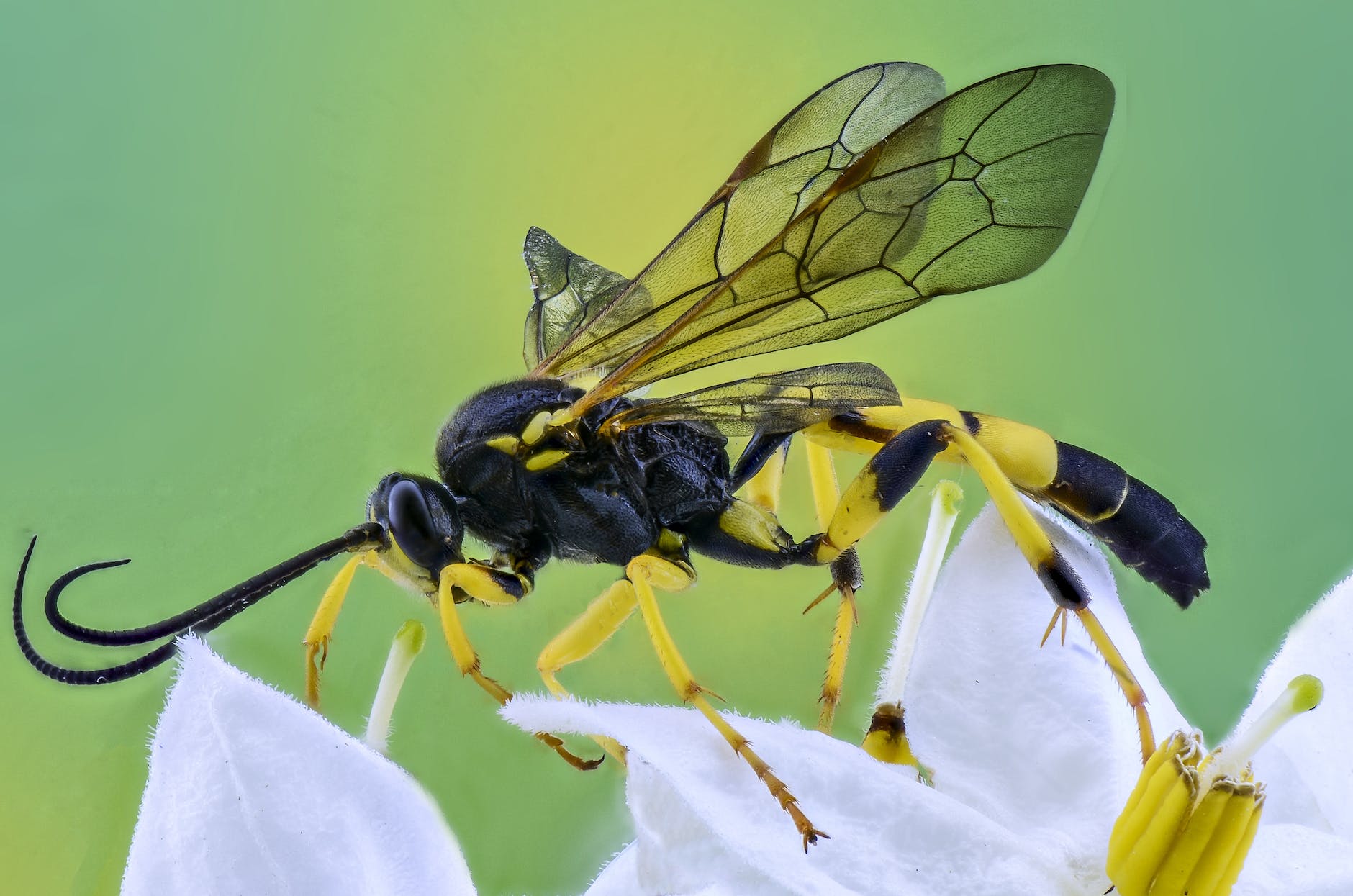
Wasp stings are common and only sting when irritated by a person or their nest has been disturbed. Wasps keep their stinger. Therefore, they can sting several times. During a sting, wasps will also inject venom into the skin. Although painful and causes some discomfort, wasp stings can be treated at home. The pain from a wasp sting typically doesn’t last any more than one day, and swelling can last a couple of days. Symptoms of wasp stings can include pain in the area where it stung, redness, swelling, itching, and possibly hives if you have a reaction to the sting. Seek medical attention if you have been stung in the throat, nose, or mouth or experience life-threatening allergic reactions such as tightness in the throat or chest, uncontrolled coughing, profuse sweating, hives over large areas of the body, and dizziness or fainting (WebMD Editorial Contributors, 2020). WebMD (2020) has made some suggestions on how to treat a wasp sting at home:

  • Wash the sting area with warm soap and water to remove any venom or bacteria the wasp could have carried.
  • Apply a cold compress for about 30 to 60 minutes, with intervals of 10 minutes on and off, to reduce pain and swelling from the wasp sting.
  • Take an anti-inflammatory medication like ibuprofen to help relieve pain from the sting.
  • Apply an antihistamine such as a corticosteroid or calamine lotion to relieve itchiness in the area.

Wasp stings are common, but do not let that prevent you or your children from playing outdoors. Wasp will sting you as a self-defense mechanism, so you must avoid them. However, if you or a loved one is stung by a wasp, there are home remedies that will help relieve the discomforts that come from the sting.

References

WebMD Editorial Contributors. (2020, November 20). Remedies for wasp stings. WebMD. https://www.webmd.com/skin-problems-and-treatments/remedies-wasp-sting


H2O! Ways to sneak water into your diet.

By Jessica Feagin | UAB Community Health & Human Services Intern

Photo by Wagner Soares on Pexels.com

The human body comprises around 60% water. The most common recommendation for water intake is to consume at least 64 ounces daily, which is broken down to 8 glasses at 8 oz. each. There needs to be more science behind the specific recommendation, as things such as weight can impact the recommendation. However, it is most important to stay hydrated and drink water. Some other benefits of drinking water are that it helps maximize physical performance, significantly affects energy levels and brain function, prevents and treats headaches, treats kidney stones, and helps prevent hangovers (Leech, n.d.).

We all know that drinking water plays several roles in the body and is needed for optimal health. However, it can sometimes take time to consume adequate amounts of water. Here are some tips to help you drink more water (ShoemakerN & LD, n.d.):

  • It is essential to understand your body’s fluid needs. Although not science-based, drinking eight glasses of water a day is commonly recommended.
  • Set a daily goal for your water intake. It can be motivating and more likely to make lasting positive changes.
  • Keep a reusable water bottle with you during the day.
  • Set reminders to drink more water using your smartphone alarm or app.
  • Replace other drinks, such as soda, with water.
  • Drink a glass of water before each meal.
  • Add flavor to your water, such as lemons, limes, strawberries, and cucumbers. You can also purchase water enhancers.
  • Drink a glass of water at work every hour.
  • Sip on water throughout the day.
  • Eat more water-rich foods like lettuce, celery, zucchini, cabbage, watermelon, cantaloupe, and honeydew melon.
  • Drink a glass of water when you wake up and before bed.

Plain and simple, we need water to survive. Staying adequately hydrated is one of the simplest ways to improve overall wellness and health. So, H2O, we got to have it!

References:

Leech, J. (n.d.). 7 reasons why you should drink more water. Healthline. https://www.healthline.com/nutrition/7-health-benefits-of-water

ShoemakerN, S., & LD. (n.d.). 12 simple ways to drink more water. Healthline. https://www.healthline.com/nutrition/how-to-drink-more-water

Water and healthier drinks. (2022, June 6). Centers for Disease Control and Prevention. https://www.cdc.gov/healthyweight/healthy_eating/water-and-healthier-drinks.html


Living a Healthy Lifestyle During Pregnancy

By Jessica Feagin | UAB Community Health and Human Services Intern

Photo by Gustavo Fring on Pexels.com

Staying healthy is especially important during pregnancy. A nutritious and well-balanced diet during pregnancy can result in healthy birth weight and good baby brain development (Stickler, 2020). It can also reduce the risk of several congenital disabilities and the risk of anemia and morning sickness in the mother. A well-balanced diet during pregnancy consists of fruits and vegetables, vitamin C, protein, calcium, whole grains, folic acid, and iron-rich foods. Ensuring your juice, milk, and cheese are pasteurized is important to protect you and your baby from parasitic or bacterial infections. Also, avoid undercooked seafood and meat. In addition to a nutritious and well-balanced diet, prenatal vitamins play a vital role during pregnancy. For example, folic acid and choline are essential vitamins that may prevent spine and brain birth defects.

According to the American College of Obstetricians and Gynecologists, it is recommended that pregnant women aim for at least 150 minutes a week of moderate-intensity aerobic activity. Exercising during pregnancy can decrease stress, increase energy levels, increase circulation, improve sleep, and reduce backaches.

While pregnant, it is essential to avoid smoking, using drugs, and drinking alcohol. These habits have been linked to complications and can pose serious risks for you and your baby. For example, drinking alcohol during pregnancy can result in fetal alcohol syndrome, which can cause your baby to have abnormalities in their central nervous system and be underweight. Drinking alcohol can also cause premature labor and delivery and even stillbirth.

Make sure you attend all prenatal care appointments so your doctor can monitor you and your baby closely throughout your pregnancy. Having a baby can be the most exciting time for you and your family, so ensuring a healthy lifestyle is very important for you and your baby’s health. Do you have any pregnancy tips to give to pregnant mothers? If so, please share.

References

Stickler, T. (2020, July 9). Maintaining a healthy pregnancy. Healthline. https://www.healthline.com/health/pregnancy/healthy-pregnancy


Easy Workouts in Minimal Time

By Jessica Feagin | UAB Community Health and Human Services Student Intern

Photo by Jan van der Wolf on Pexels.com

If you’re like me, you are busy juggling work, children, and school, finding time to work out can be difficult. We all know that exercise helps reduce the risk of heart disease and helps lower cholesterol, but sometimes life gets in the way. The good news is that there are many tips to incorporate exercise on a tight time budget.

The American Heart Association (2022) provided a few tips on ways to boost your activity level when you have no time for exercise:

  • Walk your dog.
  • Take a walk with your spouse or kids. Explore new neighborhoods or create a scavenger hunt.
  • Try a quick 10-minute home workout.
  • Walk while you are talking on the phone.
  • Jog or walk in place.
  • Walk on the treadmill while watching your favorite TV show.
  • Park farther away and walk to your designation.
  • Take the stair when you can.

I try to boost my activity level without working out by dancing. It doesn’t even feel like you are exercising and it’s a fun way to burn calories. You can turn on music and include dance moves while cooking, cleaning the house, or even spending time with your children. A friend once told me to get up half an hour early in the morning to exercise. That is a great tip if you can do it, but if you’re like me, you want to get as much sleep as possible. For this reason, managing little exercises into the daily grind helps me keep moving. Every step counts.

How do you boost your activity level when living a busy life?

References:

No time for exercise? here are 7 easy ways to move more!. http://www.heart.org. (2022, October 20). https://www.heart.org/en/healthy-living/fitness/getting-active/no-time-for-exercise-here-are-7-easy-ways-to-move-more


Discovering the Benefits of Getting a Massage

By Jessica Feagin | UAB Community Health and Human Services Intern

Photo by cottonbro studio on Pexels.com

A self-care activity that I incorporate into my life is massages. If you are sore or stressed, a massage can relieve pain, promote relaxation, and ease muscle tension. There are many types of massages, such as Swedish, deep tissue, sports, trigger point, lymphatic, and prenatal massages (Schneik, 2022). A professional massage therapist can choose the best type of massage to cater to your needs.

Massages provide a broad range of physical and mental benefits. They can reduce anxiety and stress by lowering your cortisol stress hormone and increasing serotonin levels, (the feel-good hormone). These hormones can promote feelings of relaxation and calmness. Massages can relieve pain and muscle tension by promoting blood flow, and loosening tight muscles. They can also improve circulation throughout the body, help reduce inflammation, and promote healing. Other benefits include boosting immunity by increasing the activity of white blood cells and can help the body fight off infection. Studies show that a massage also help improve sleep by promoting relaxation and reducing anxiety and stress (Schneik, 2022). This is not recommended if you are pregnant, suspect any fractures or broken bones, have a life-threatening illness, or have any active skin rashes or infections (“Massage,” n.d.).

Many massage facilities provide services in Birmingham, Alabama, but my favorite place to get massages is Life Touch Massage. They provide professional, quality, and affordable massage therapy. If you live in Birmingham, AL, or surrounding areas, visit them at 1223 2nd Avenue S, Birmingham, AL, 35233. Do you include massage therapy in your self-care routine and recommend any massage parlors?

References

Massage. (n.d.). Better Health Channel – Better Health Channel. https://www.betterhealth.vic.gov.au/health/conditionsandtreatments/massage

Schneik. (2022, June 29). Everything you need to know about massage therapy. Cleveland Clinic. https://health.clevelandclinic.org/benefits-of-massage


Heart Disease Ranks Number One Killer of Women

By Terrie Johnson | UAB Community Health & Human Services Intern

Photo by Karolina Grabowska on Pexels.com

Heart disease refers to several kinds of illnesses that affect the cardiovascular system. In the United States (U.S.), it is the most common condition responsible for heart attack and high mortality rates. Based on the prevalence rates, heart disease is the number one killer of women in the U.S. (CDC, 2023). Its occurrence among women is instigated by conditions such as heart attacks, arrhythmia, and heart failure. As such, heart disease leads to low quality of life and high mortality among women.

The heart disease condition has had impacts on people close to me. A month ago, I lost a childhood friend to the disease. While on a family vacation in Florida, she experienced a medical emergency. On arrival at the hospital, she was diagnosed with a heart attack. The caregivers medically induced her into a coma. Unfortunately, she did not make it. Since she was a close friend, I attended her funeral. I stood by the graveside during the burial and reflected on our childhood. I could remember us playing and enjoying our childhood. At that time, we were young, innocent, free from worries, and avoided stress or health problems. Our parents were critical of our health and safety. As such, we were always healthy.

As I stood by the graveside, I could reflect on how those days were filled with playing, running, laughing, and hugging my friend. Foundationally, we were happy without a care in the chaotic world. After losing my friend, the situation made me think about my health and mortality. It was at this point that I realized my day was also coming. At that moment, God will call me home, and I hope I would have been good, forgiving, loving, and merciful, and asked for forgiveness for whatever sins I have committed and made it to heaven.

Heart disease ranks as the number one killer of women in the United States. According to the CDC, learning about heart disease and ways to keep a healthy heart is essential. You can keep a healthy heart by managing your stress levels, knowing your blood pressure, checking for diabetes, knowing your cholesterol, quitting smoking, being physically active, and choosing healthy foods and drinks (CDC, 2023). As women, our heart health is important.

Reference

Lower your risk for the number 1 killer of women. (2023, February 3). Centers for Disease Control and Prevention. https://www.cdc.gov/healthequity/features/heartdisease/index.html


What are the Stressors in Your Life and How Do You Relieve Them?

By Terrie Johnson | UAB Community Health & Human Services Intern

Photo by Andrea Piacquadio on Pexels.com

Everyone has something that contributes to the stressors in their life. My stressors include getting up early in the morning for work, which is often hard to execute. In most cases, I stay up late doing schoolwork. As such, it becomes hard waking up early to attend to other critical duties. Additionally, driving in heavy traffic on the way to work drains me emotionally. Often, my stress comes from there being many people driving fast and crazy on the interstate. This experience scares me since I never want to be involved in an accident and experience a catastrophic injury. School is also a stressful environment for me because I am taking four classes. This issue means I have many assignments that I must work on and submit on time. Sometimes, the workload is too much leading to the experience of burnout. The requirements by the professor that I deliver schoolwork on time also weigh me down with stress.

Despite experiencing the above stressors, I have numerous strategies that help me relieve them. For example, I sometimes ensure that I seek more sleep, especially during the weekends. According to Mayo Clinic (2023), this initiative is necessary since it allows the body and the brain to recharge. Thus, when I wake up the next day, I always feel stress-free and with energy. I also learned to plan my time so that I avoid traffic in some cases. This initiative has also been instrumental in scheduling my studies. Therefore, I rarely experience schoolwork overload on some weekdays. On the interstate, I try to be careful and assert that I can drive amidst crazy drivers. This self-confidence improves my ability to drive my car while experiencing less fear on the road. The above approaches continue to provide the impetus for reduced stress in my life.  What stressors do you experience and how do you relieve them?

Reference

Mayo Clinic. (2023). Stress relievers: Tips to tame stress. Mayoclinic.org. Retrieved from https://www.mayoclinic.org/healthy-lifestyle/stress-management/in-depth/stress-relievers/art-20047257


Do You Know the Impact of Social Media on Children?

By Terrie Johnson | UAB Community Health & Human Services Intern

Photo by Ron Lach on Pexels.com

Social media has become an integral part of our lives, revolutionizing how we communicate. However, the time children spend on social media increases, which causes concerns among parents and educators. This article discusses the potential effects of social media on children’s mental and physical health, so it can help you evaluate your knowledge regarding this topic.

Many believe that excessive use of social media can cause mental health disorders such as depression, anxiety, and stress in children. Fortunately, people who think so are likely wrong since most studies found no link between using social media and developing depression or increasing symptoms (Hartanto et al., 2021). Using social media also does not contribute to the development of anxiety and psychological distress in children. However, when a child spends too much time on social media or shares excessive personal data, their parents should be concerned. Most studies are consistent in their conclusions regarding strong associations between addiction to social media and depression in adolescents (Keles et al., 2020). Although social media cannot cause mental health disorders, excessive use might indicate depression.

The negative impact of social media on children’s mental health might be exaggerated, but other concerns are more reasonable. They include risks associated with cybersecurity since children are more vulnerable to online predators and scams, which endangers their safety and privacy. Moreover, social media might expose excessive personal information, resulting in identity theft. Other concerns are associated with excessive online time because it can reduce children’s physical activity. Hence, parents and educators must promote a healthy lifestyle and responsible social media use to mitigate these risks.

Despite the concerns regarding the impact of social media on children’s mental health, using it cannot cause mental disorders or contribute to their development. However, parents should consider the time spent on social media and activities to ensure their child is not exposed to risks associated with addiction or lack of cybersecurity. By promoting responsible social media use among children, educators and parents can minimize these risks and help children benefit from the positive aspects of social media use.


References

Hartanto, A., Quek, F.Y.X., Tng, G.Y.X., & Yong, J.C. (2021). Does Social Media Use Increase Depressive Symptoms? A Reverse Causation Perspective. Frontiers Psychiatry, 12. Doi: 10.3389/fpsyt.2021.641934/

Keles, B., McCrae, N., & Grealish, A. (2020). A Systematic Review: the Influence of Social Media on Depression, Anxiety and Psychological Distress in Adolescents. International Journal of Adolescence and Youth, 25(1), 79-93. Doi: 10.1080/02673843.2019.1590851


Say No to Bullying!

By Jessica Feagin | Intern and UAB Community Health and Human Services Student

Photo by RDNE Stock project on Pexels.com

According to the Centers for Disease Control and Prevention, bullying is any unwanted aggressive behavior by another youth or group of children (CDC, 2022). Bullying may include social, psychological, educational, and/or physical harm on the targeted youth. Common types of bullying include physical (kicking, tripping, and hitting), verbal (teasing and name-calling), social (spreading rumors and being left out of a group), and damage to the victim’s property. Bullying can also occur via cell phones and online.

Physical injury, emotional stress, self-harm, and even death can result from bullying. Bullying increases the risk of anxiety, depression, lower academic achievement, and dropping out of school. Youth who bully other youth are at risk for academic problems, substance abuse, and experiencing violence when they are older. Youth who bully others and are bullied themselves are at greater risk for behavioral and mental health problems. It has been reported that bullying is a discipline problem that occurs weekly or in some cases daily, in approximately 14% of public schools (CDC, 2022).

The American Psychological Association recommends several ways teachers, parents, and students can address bullying (APA, 2011). Teachers must remember that bullying typically occurs in the bathroom, playground, hallways, and school buses. If teachers notice bullying, they must immediately stop it and inform school administrators. Teachers should remind their students that bullying is not acceptable and there will be consequences for such behaviors. Parents of kids that are possibly bullied should observe their child for signs so they can take appropriate actions to rectify the situation. Some signs of bullying are decreased appetite, nightmares, anxiety, depression, ripped clothing, and hesitation about attending school. It is essential to let your child know that you will help them. As parents, you could also work with your child and teach them to ignore a bully and develop assertive strategies for coping with bullying. Students need to inform their parents or any trusted adult of any form of bullying.

Bullying can impact those being bullied, and it is critical to identify and prevent it to provide a safe and nurturing environment for our youth. Say No to Bullying!

References

Fast fact: Preventing bullying. (2022, April 14). Centers for Disease Control and Prevention. https://www.cdc.gov/violenceprevention/youthviolence/bullyingresearch/fastfact.html

How parents, teachers, and kids can take action to prevent bullying. (2011, January 1). https://www.apa.org. https://www.apa.org/topics/bullying/prevent