What There Is to Know About Pneumonia

By Reginia Dodson | UAB Community Health and Human Services

Photo by Klaus Nielsen on Pexels.com

One illness that I’ve heard since childhood is pneumonia. I’m unsure if it’s just a Southern thing or an older generation’s caution, but it seemed like an endless list of things that could cause pneumonia. The main one I can recall was going outside with wet or damp hair, especially if it showed any slight chill in the air. Another popular one amongst my grandparents was going outside without putting something on your arms. Nothing like a good Southern myth! More accurately, according to the CDC (2021), causes of pneumonia are viruses, bacteria, and fungi. In the United States, common causes of viral pneumonia are influenza viruses, respiratory syncytial virus (RSV), and SARS-CoV-2 (the virus that causes COVID-19). Common causes of bacterial pneumonia are streptococcus pneumoniae (pneumococcus) and, especially in kids, mycoplasma pneumoniae (CDC, 2021). Depending on where you contract the illness, there are also several different types of pneumonia; this can also help determine which bacteria, fungi, or virus caused the illness. The bacteria and viruses that most commonly cause pneumonia in the community are different from those in healthcare settings. However, clinicians are not always able to find out which germ caused someone to get sick with pneumonia (CDC). According to the CDC, here are the definitions and distinct differences in the different forms of pneumonia:

  • Community-acquired pneumonia is when someone develops pneumonia in the community (not in a hospital).
  • Healthcare-associated pneumonia is when someone develops pneumonia during or following a stay in a healthcare setting. Healthcare settings include hospitals, long-term care facilities, and dialysis centers.
  • Ventilator-associated pneumonia is when someone gets pneumonia after being on a ventilator, a machine that supports breathing.

Either form of pneumonia contracted can cause serious health issues and often be fatal. So, it’s best to take all precautions, both factual and mythical. I still don’t go outside with wet hair to this very day, and I’ve never had pneumonia. I guess Southern remedies have some truth to them.

References

Causes of pneumonia. (2021, October 14). Centers for Disease Control and Prevention. https://www.cdc.gov/pneumonia/causes.html


Hypertension During Pregnancy

By Reginia Dodson | UAB Community Health and Human Services Intern

Photo by Jessica Monte on Pexels.com

Pregnancy alone is a lot to deal with for women, but during pregnancy, a lot of health issues can develop, including high blood pressure. There are different forms of high blood pressure for pregnant women, depending on when the disease develops. Chronic hypertension, gestational hypertension, and preeclampsia/ eclampsia are the three different forms. “Chronic hypertension means having high blood pressure before you get pregnant or before 20 weeks of pregnancy. Women with chronic hypertension can also get preeclampsia in the second or third trimester of pregnancy” (CDC). Chronic hypertension usually indicates that the mom had high blood pressure before or early in the pregnancy. For gestational hypertension, “This condition happens when you only have high blood pressure during pregnancy and do not have protein in your urine or other heart or kidney problems. It is typically diagnosed after 20 weeks of pregnancy or close to delivery. Gestational hypertension usually goes away after you give birth. However, some women with gestational hypertension have a higher risk of developing chronic hypertension in the future” (CDC). “Preeclampsia happens when a woman who previously had normal blood pressure suddenly develops high blood pressure and protein in her urine or other problems after 20 weeks of pregnancy. Women who have chronic hypertension can also get preeclampsia. Preeclampsia happens in about 1 in 25 pregnancies in the United States. Some women with preeclampsia can develop seizures, called eclampsia, which is a medical emergency” (CDC). I cannot pinpoint which sounds the most frightening—maybe pre-eclampsia since it can cause seizures, opening up many problems. Regardless, bringing a life into the world is risky, but knowing that health issues can arise because you share your body to birth a baby, can make a person pretty cautious.

References

https://www.cdc.gov/bloodpressure/pregnancy.htm


Using Doulas to Improve Birth Outcomes

By Terrie Johnson | UAB Community Health & Human Services Intern

Photo by u041eu043bu044cu0433u0430 u0416u0430u0440u0438u043au043eu0432u0430 on Pexels.com

Non-clinically trained professionals, also known as doulas, are essential in improving birth outcomes. They can provide varied care paradigms that advance positive outcomes during pregnancy, delivery, and after childbirth. One of the doulas’ critical services is the advancement of emotional care. Foundationally, they can advocate for emotional well-being throughout the pregnancy journey. Doulas also provide pertinent educational support by extending opportunities for women to access information on varied topics (Knocke et al., 2022). For example, they can link women to details regarding the possible risk factors they must watch out for during pregnancy, delivery, and after childbirth. This information is critical since it allows the target population to watch for warning signs and take precautionary measures to prevent poor maternal and infant outcomes. Women going through stressful faces during their pregnancy also benefit from doula services centered on advancing support structures. Thus, they are a critical part of improving birth outcomes.

Doulas also facilitate advocacy actions that benefit women during pregnancy, delivery, and after childbirth. Their critical role is to provide information that fosters women’s understanding regarding the signs to look for and address. Additionally, they provide pointers that inform on the best practice in pregnancy care (Knocke et al., 2022). Beyond this facilitation, doulas advocate for aspects that limit maternity care inequality. The non-clinically trained professionals also help women navigate critical processes in the healthcare sector. For example, they may point out the available social services. Doulas may also help access community services (Knocke et al., 2022). In other words, they may coordinate with a community nurse to offer relevant care services during the postpartum. The above facilitations provide the impetus for improving birth outcomes. Foundationally, doulas help women mitigate challenges during pregnancy and after delivery. Thus, they are instrumental in ensuring that desired results reflect among all pregnant individuals.

References

Knocke, K., Chappel, A., Sugar, S., De Lew, N., & Sommers, B.D. (2022). Doula care and maternal health: An Evidence review. Office of Health Policy. Retrieved from https://aspe.hhs.gov/sites/default/files/documents/dfcd768f1caf6fabf3d281f762e8d068/ASPE-Doula-Issue-Brief-12-13-22.pdf


Kidneys: Our Own Filtering System

By Reginia Dodson | UAB Community Health and Human Services Intern

Photo by Ketut Subiyanto on Pexels.com

Every organ in the body plays a vital role in creating a livable life for our bodies. Some of the smallest organs can play the biggest part and have significant impacts. Like for instance, the kidneys. They may be one of the smaller organs of the body; however, you cannot survive without them. The kidneys filter toxins out of the body and turn them into waste through our urine. Without the kidneys, our bodies would poison themselves, and we would die. So, as you can imagine, having chronic kidney disease is not a fun thing to deal with.

When people develop chronic kidney disease (CKD), their kidneys become damaged and, over time, may not clean the blood as well as healthy kidneys. If kidneys do not work well, toxic waste and extra fluid accumulate in the body and may lead to high blood pressure, heart disease, stroke, and early death (CDC). According to the Centers for Disease Control, 1 in 7 adults in the United States suffer from chronic kidney disease. “More than 1 in 7 US adults–about 35.5 million people, or 14%–are estimated to have chronic kidney disease. As many as 9 in 10 adults with chronic kidney disease do not know they have it. About 1 in 3 adults with severe chronic kidney disease do not know they have chronic kidney disease” (CDC). Diabetes and high blood pressure are the more common causes of chronic kidney disease in most adults. Other risk factors include heart disease, obesity, a family history of chronic kidney disease, inherited kidney disorders, past damage to the kidneys, and older age (CDC).

 Healthy choices in diet and exercise can help fight chronic kidney disease and even prevent it. Keep in mind that water is our best friend as well. Water will keep your body and kidneys functioning well.

References

https://www.cdc.gov/kidneydisease/publications-resources/ckd-national-facts.html


Dementia: It is Not a Normal Part of Aging

By Reginia Dodson | UAB Community Health and Human Services Intern

Photo by t4hlil on Pexels.com

With this disease becoming more and more common in the United States of America, people tend to think it is a normal part of aging when it is not. Dementia is at an all-time high today in the elderly community and is common in those at least 65. There were an estimated 5.0 million adults with dementia in 2014, projected to be nearly 14 million by 2060 (CDC, 2022).  Honestly, this may be one of the most heartbreaking disorders because it doesn’t only affect the person with the disorder but also the person’s loved ones. Watching a parent or grandparent slowly forget everything is a hard pill to swallow. Forgetting memories is tough, but it may not be as bad if you compare it to forgetting how to take care of yourself, forgetting your name, forgetting your family/friends, or even forgetting what year it is.

There are some risk factors when it comes to dementia. The first risk of dementia is age. The most substantial known risk factor for dementia is increasing age, with most cases affecting those 65 years and older. There also seems to be a link in heritage regarding dementia. Those with parents or siblings with dementia are more likely to develop dementia themselves. Some races or ethnic groups have a higher chance of developing dementia. Older African Americans are twice more likely to have dementia than whites. Hispanics are 1.5 times more likely to have dementia than whites. A person’s heart health has also put a highlight on dementia.  High blood pressure, high cholesterol, and smoking increase the risk of dementia if not appropriately treated. Lastly, another major contributor to dementia is a traumatic head injury, mainly if it occurs repeatedly (CDC, 2022). Sadly, there is no cure for dementia. Only a matter of keeping that person comfortable or in a calm state.

References

What is dementia? | CDC. (2022, October 5). Centers for Disease Control and Prevention. https://www.cdc.gov/aging/dementia/index.html


Hypertension: The Silent Killer

By Reginia Dodson | UAB Community Health and Human Services Intern

Photo by Vlada Karpovich on Pexels.com

Hypertension, high blood pressure, and “the silent killer” are all different names for a disease that 1 in 2 adults in the United States suffer from. This is a very alarming statistic for something called a silent killer. Sounds like something from a horror film. Even more alarming statistics show that this silent killer affects black men the most. “High blood pressure is more common in non-Hispanic Black adults (54%) than in non-Hispanic white adults (46%), non-Hispanic Asian adults (39%), or Hispanic adults (36%). A heightened response is required due to the disparities in high blood pressure control in African American men” (CDC). With such a disproportionate burden of hypertension in African American men, the CDC has put forth effort to provide resources on treatment and prevention. “With heart disease and stroke being the first and third leading causes of death and major causes of disability, national and international experts agree that now is the time to address these conditions and their risk factors. Disease burden and growing disparities among certain populations are characteristics of the heart disease and stroke epidemic. One of the populations greatly affected by this epidemic is African American men. African American men suffer disproportionately from high blood pressure, a known risk factor for heart disease and stroke. Because of this, the Centers for Disease Control and Prevention’s Division for Heart Disease and Stroke Prevention (DHDSP) began to focus attention and resources on developing materials that provide answers” (CDC). The CDC has noticed a direct link between racism and high blood pressure among African American men. “Several studies found an association between racism and higher blood pressure levels in African American men. Perceived racism contributes to stress and low self-esteem, which can ultimately negatively affect blood pressure levels. The relationship between exposure to discrimination and blood pressure levels among African American men differs based on socioeconomic status” (CDC). 

Hypertension is often called the “silent killer” because it may show no symptoms. Hypertension puts you at risk for heart disease, stroke, heart failure, and other serious health problems. It is important that you know your numbers and act on them.

References

Centers for Disease Control and Prevention. A Closer Look at African American Men and High Blood Pressure Control: A Review of Psychosocial Factors and Systems-Level Interventions. Atlanta: U.S. Department of Health and Human Services; 2010.


Blood Pressure…..How to Monitor It

By Reginia Dodson | UAB Community Health and Human Services Intern

Photo by cottonbro studio on Pexels.com

The two leading causes of death in the United States of America are stroke and heart disease. The cause for both can stem from uncontrollable blood pressure. Millions of adults suffer from high blood pressure, and what’s more alarming is that it often has no symptoms. The only way to be aware of the issue is to monitor blood pressure regularly. What is blood pressure? “When the heart pumps blood through the arteries, the blood puts pressure on the artery walls. This is known as blood pressure” (CDC). Every time you visit a doctor’s office, your blood pressure is usually measured and recorded. This can sometimes give early indication of other issues, like the presence of pain or anxiety. “Blood pressure is measured using two numbers: The first number, called systolic blood pressure, measures the pressure in your arteries when your heart beats. The second number, diastolic blood pressure, measures the pressure in your arteries when your heart rests between beats” (CDC). Another name for high blood pressure is hypertension. “Your blood pressure changes throughout the day based on your activities. Having blood pressure measures consistently above normal may result in a diagnosis of high blood pressure (or hypertension). The higher your blood pressure levels, the more risk you have for other health problems, such as heart disease, stroke, and heart attack” (CDC). What causes high blood pressure? There are a few factors that can cause high blood pressure. It can happen because of unhealthy lifestyle choices, such as insufficient physical activity or a consistently unhealthy diet high in sodium. Diabetes can cause hypertension/ high blood pressure. Pregnancy can also cause high blood pressure as well. The best way to prevent high blood pressure is to be mindful of your diet and incorporate physical activity.

References

https://www.cdc.gov/bloodpressure/about.htm


Black Women’s Maternal Health

By Terrie Johnson | UAB Community Health & Human Services Intern

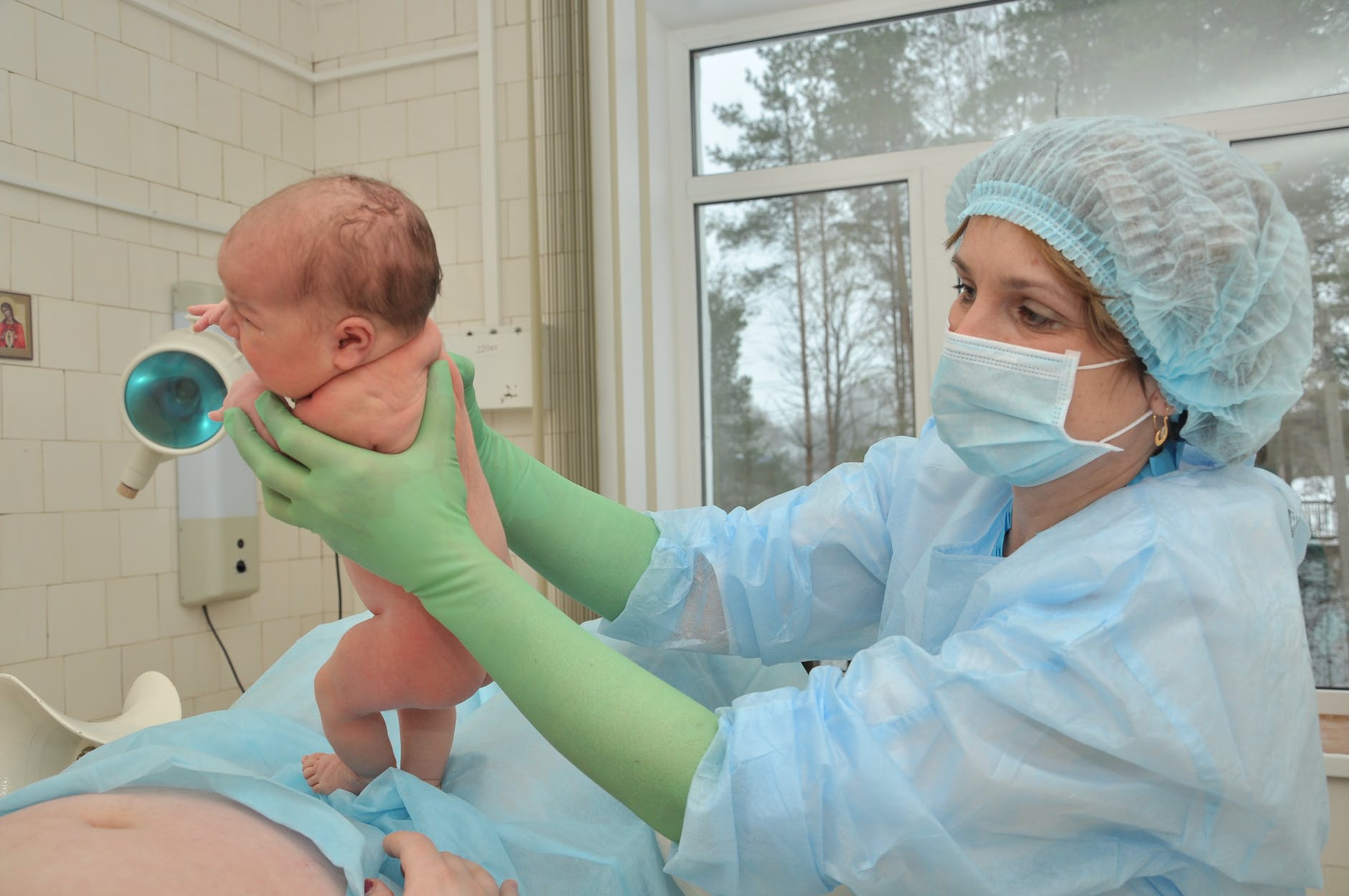
Photo by SHVETS production on Pexels.com

Black women’s maternal health is a significant issue in the United States since it is responsible for critical care conditions. For example, the death rates of infants born by Black women are higher than their White counterparts. Despite their educational background, Black women are three times more likely to die due to maternal health issues than White women (CDC, 2023). The above situation denotes the critical disparities in care between individuals from the two ethnic groups. One of the underlying factors for the high maternal health issues among Black women is unconscious bias in healthcare. In other words, they do not receive quality care compared to White women (CDC, 2023). As such, they are predisposed to critical healthcare risks that increase the risk of infant deaths. Lack of quality healthcare delivery for the Black population is also responsible for maternal health challenges among Black women. Often, they live in neighborhoods with limited care resources. Thus, the quality of care is compromised, in most cases, leading to maternal death.

The maternal health issues among Black women can be improved. One of the actions that would facilitate this goal is to require the healthcare system to identify unconscious bias in care delivery. This initiative will instigate the removal of barriers to care and provide access for Black women. There is also the need to improve prenatal care delivery in Black neighborhoods (CDC, 2023). Other than the above measures, non-obstetric caregivers should be trained to handle pregnancy issues among Black women. It is also relevant to deal with potential stressors experienced by the target population (CDC, 2023). This initiative will provide an impetus for advanced care for Black women’s maternal care issues. It is also necessary to consider advising the affected people on the criticality of seeking medical help when they feel their health trajectory is not right. Everyone can play a significant role in working to prevent pregnancy -related deaths and improving maternal health outcomes.

Reference

CDC. (2023). Working together to reduce Black maternal mortality. Centers for Disease Control and Prevention. Retrieved from https://www.cdc.gov/healthequity/features/maternal-mortality/index.html


Light of the World: Bringing Mental Health to Life, LLC

By Jessica Feagin | UAB Community Health and Human Services Intern

Photo by Madison Inouye on Pexels.com

This weekend, I had the pleasure of meeting up with Chief executive officer and mental health professional, Xavian Tate. Mr. Tate founded Light of the World LLC. He is driven to make a difference in people’s lives with the ultimate goal of empowering people and impacting mental well-being. The scripture inspired the name of his organization and firm, Matthew 5:16, “Let your light shine before men, in such a way that they may see your good works and glorify your Father which is in heaven.”

Light of the World: Bringing Mental Health to Life is a mental health consulting firm that offers many services, such as:

  • Life and peer coaching- Individual coaching (life coaching) is a collaborative process through which clients work one-on-one with a trained mental health coach in a safe environment to achieve professional and personal goals.
  • Cleaning therapy-Say goodbye to clutter and stress as their cleaning therapists create an organized and clean space to promote mental clarity and emotional well-being.
  • Financial therapy-A team is provided to work with people to assist with securing a healthy and proper financial future.
  • Travel therapy-Professionals work with individuals who need a mental health break.

To book these services and learn more about this firm, visit their website at lwicorp.org


Depression and Relationships

By Terrie Johnson | UAB Community Health & Human Services Intern

Photo by Alex Green on Pexels.com

Mental health illnesses affect how a person relates to other people. Depression causes a person to have sudden mood changes that are barriers to nourishing long-term relationships. For instance, extreme anger or anxiety can scare away a potential partner. Also, family members may fail to understand that a person is battling depression and distance themselves. Ultimately, a person experiences feelings of loneliness and detachment from loved ones. Nevertheless, people can seek professional interventions like counseling to prevent depression from affecting their relationships.

Many people dealing with mental health issues are unaware of their conditions. Hence, they engage in actions whose consequences are dire but cannot explain why they do so. A person suffering from depression is likely to experience detachment. This feeling is present in how they respond to attempts by their partner to show love. For instance, one may ignore their spouse’s calls because they feel detached. Eventually, this act becomes a habit that could be a deal breaker for the other partner. Also, a depressed person may feel unwanted and unappreciated. Subsequently, they may decide to stay away from loved ones and cut communication. Over time, one experiences extreme loneliness that affects the progression of a relationship (Zhang et al., 2021). Thus, it is critical to seek professional advice if one suspects they are experiencing depression.

Ignoring mental health disorders results in severe consequences. A person suffering from depression can take several actions to prevent the issue from interfering with their relationship. First, one can inform their loved one of their current emotional state. By doing so, the partner understands the situation and supports the person. Secondly, an individual should consult a professional and embrace a treatment plan. Thus, the causes of depression are determined, and its effects are lessened. Consequently, one heals from the condition, leads a fruitful life, and forms healthy relationships.

References

Zhang, Y., Huang, L., Luo, Y., & Ai, H. (2021). The relationship between state loneliness and depression among youths during COVID-19 lockdown: Coping style as mediator. Frontiers in Psychology, 12. https://doi.org/10.3389/fpsyg.2021.701514