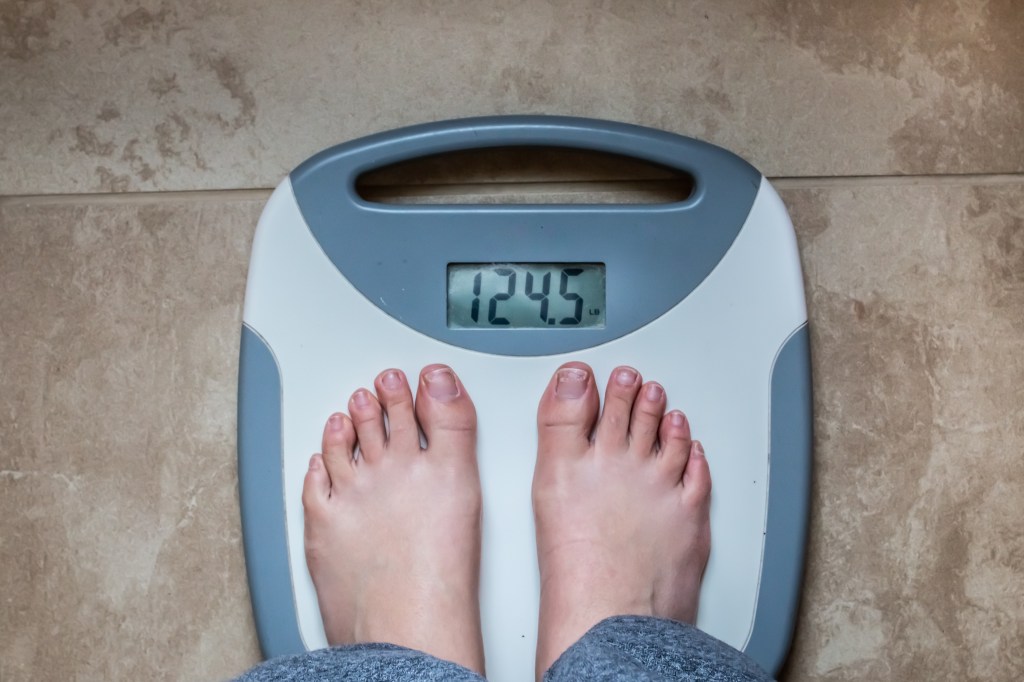
Heading off to college is an exciting new chapter, it is full of independence, new friends, and endless opportunities. But along with all these changes comes a familiar concern: the “Freshman 15.” This phrase describes the weight gain many first-year students experience, often around 15 pounds. While not everyone gains that exact amount, research shows that the transition to college life often brings shifts in eating habits, activity levels, and overall health.
Is the Freshman 15 Real?
Studies suggest that the average weight gain during the first year of college is closer to 5–7 pounds, not 15. However, even small increases in weight can add up if healthy habits aren’t maintained (Vadeboncoeur et al., 2015). The shift happens because of new routines, stress, and increased access to dining halls and fast food.
Why Does It Happen?
- Unstructured Eating: With busy schedules, students often skip meals, snack late at night, or rely on fast food.
- All-You-Can-Eat Dining: Unlimited dining hall access can lead to overeating.
- Stress and Sleep Changes: Stress from academics and less sleep can lead to higher cravings and poor food choices (CDC, 2023).
- Less Physical Activity: High school sports or structured exercise may be replaced by more sedentary lifestyles in college.
Healthy Habits to Prevent the Freshman 15
- Balanced Meals: Aim for fruits, vegetables, lean proteins, and whole grains at most meals. Portion control helps when facing dining hall buffets.
- Stay Active: Take advantage of campus recreation centers, join intramural sports, or simply walk to class instead of driving.
- Prioritize Sleep: Poor sleep is linked to weight gain and difficulty concentrating. Strive for 7–9 hours nightly (CDC, 2023).
- Smart Snacking: Swap chips and soda for nuts, fruit, or yogurt. Keep healthy snacks on hand in dorm rooms.
- Manage Stress: Stress can lead to emotional eating. Try stress-reducing activities like exercise, meditation, or talking with friends.
The Bottom Line
The Freshman 15 isn’t inevitable—but lifestyle changes in college can affect weight and health. By making mindful food choices, staying active, and managing stress, students can enjoy their college years while protecting their long-term well-being. Parents, mentors, and schools can help by supporting wellness programs and encouraging balanced routines.
References
Centers for Disease Control and Prevention. (2023). Healthy weight, nutrition, and physical activity. https://www.cdc.gov/healthyweight
Vadeboncoeur, C., Townsend, N., & Foster, C. (2015). A meta-analysis of weight gain in first year university students: Is freshman 15 a myth? BMC Obesity, 2(22). https://doi.org/10.1186/s40608-015-0051-7
 Wilkinson Wellness Laboratory