By Jessica Feagin | UAB Community Health & Human Services Intern
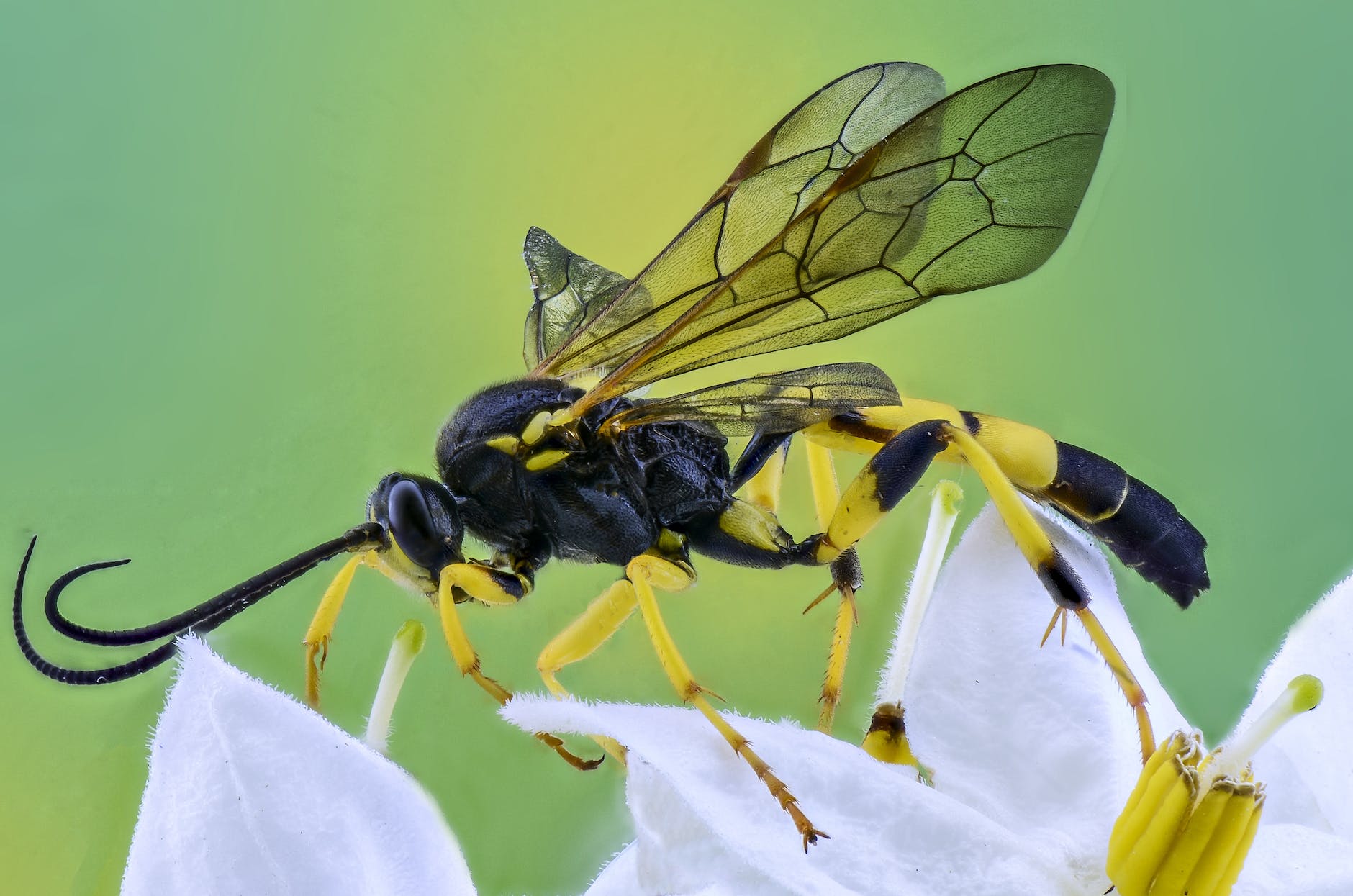
My 5-year-old son was playing in the backyard one afternoon, and he came into the house crying, saying he had been stung by a wasp. I immediately comforted him because I remembered the pain I felt when I was stung by a wasp as a child. The side of his face where he was stung had a welt and turned red. That side of his face had also swollen. I immediately researched how to treat a wasp sting to ensure my son would feel better.
Wasp stings are common and only sting when irritated by a person or their nest has been disturbed. Wasps keep their stinger. Therefore, they can sting several times. During a sting, wasps will also inject venom into the skin. Although painful and causes some discomfort, wasp stings can be treated at home. The pain from a wasp sting typically doesn’t last any more than one day, and swelling can last a couple of days. Symptoms of wasp stings can include pain in the area where it stung, redness, swelling, itching, and possibly hives if you have a reaction to the sting. Seek medical attention if you have been stung in the throat, nose, or mouth or experience life-threatening allergic reactions such as tightness in the throat or chest, uncontrolled coughing, profuse sweating, hives over large areas of the body, and dizziness or fainting (WebMD Editorial Contributors, 2020). WebMD (2020) has made some suggestions on how to treat a wasp sting at home:
- Wash the sting area with warm soap and water to remove any venom or bacteria the wasp could have carried.
- Apply a cold compress for about 30 to 60 minutes, with intervals of 10 minutes on and off, to reduce pain and swelling from the wasp sting.
- Take an anti-inflammatory medication like ibuprofen to help relieve pain from the sting.
- Apply an antihistamine such as a corticosteroid or calamine lotion to relieve itchiness in the area.
Wasp stings are common, but do not let that prevent you or your children from playing outdoors. Wasp will sting you as a self-defense mechanism, so you must avoid them. However, if you or a loved one is stung by a wasp, there are home remedies that will help relieve the discomforts that come from the sting.
References
WebMD Editorial Contributors. (2020, November 20). Remedies for wasp stings. WebMD. https://www.webmd.com/skin-problems-and-treatments/remedies-wasp-sting
 Wilkinson Wellness Laboratory